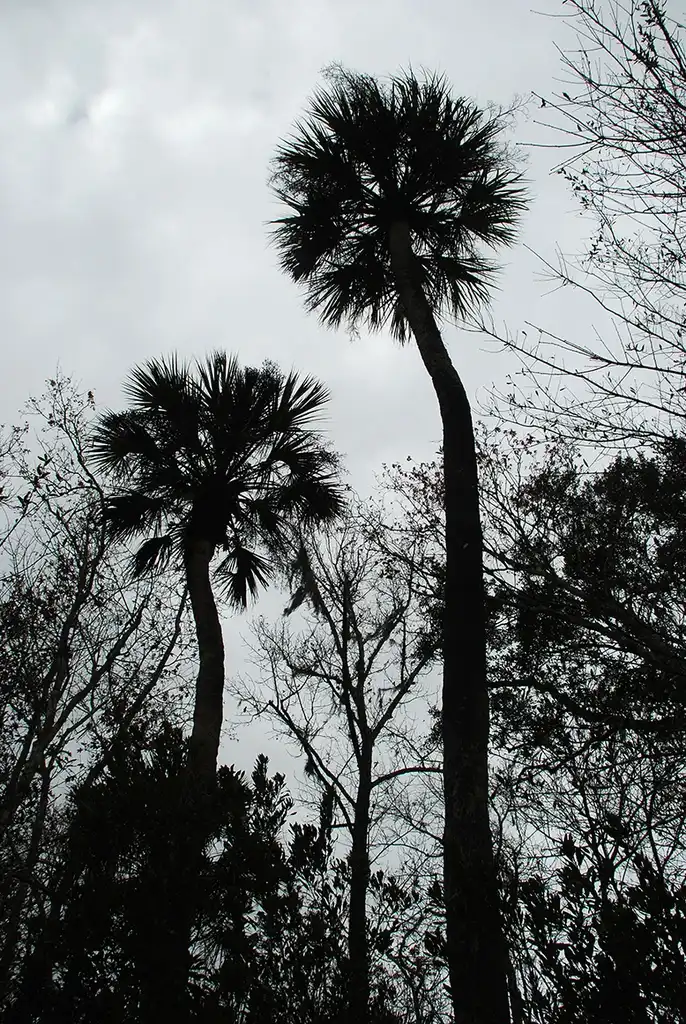
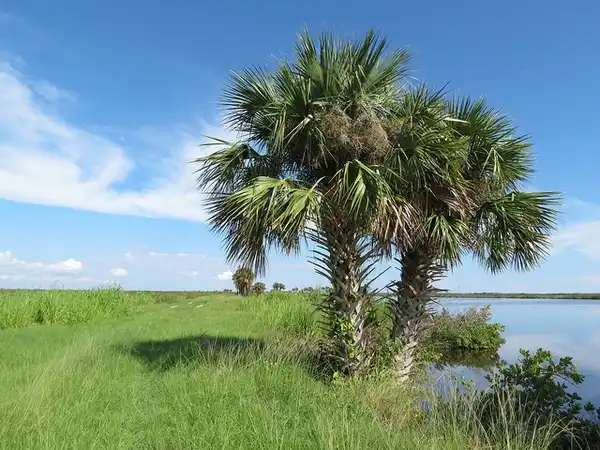
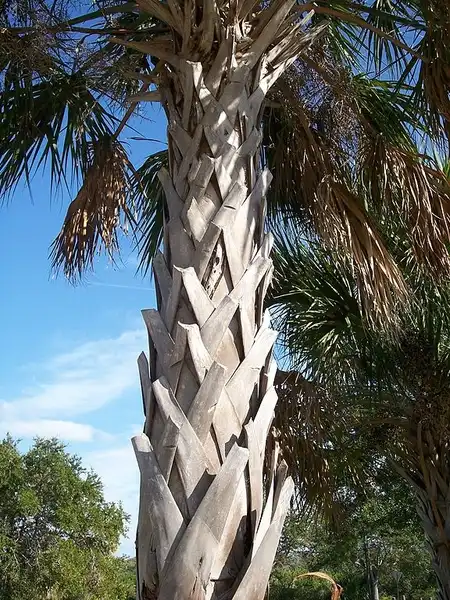
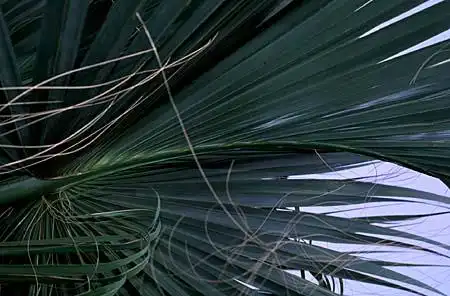
• Photo of Sabal palmetto (Sabal palmettos)

Plant Profile: Sabal palmetto

Taxonomy: Sabal palmetto

Names

Cabbage Palm, Cabbage Palmetto, Palmetto

  • Photo of Sabal palmetto (Sabal palmettos)

Phonetic Spelling:SAY-bal pahl-MET-oh

Genus:Sabal

Species:palmetto

Family:Arecaceae

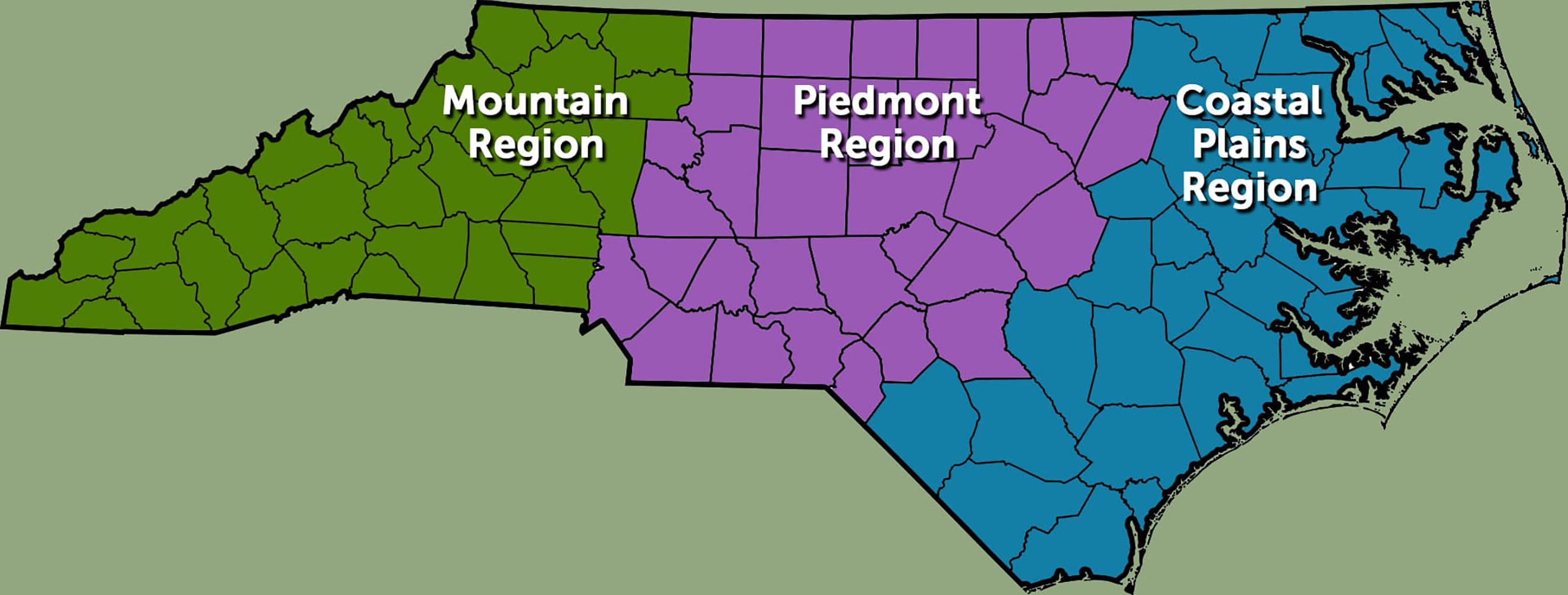
This tree belongs to the palm family (Arecaceae) and is native to the region. While it struggles to thrive in the piedmont or mountainous areas, it flourishes in the southeastern corner of North Carolina's coastal plain. You can find it in maritime forests, along marsh edges, and in other coastal habitats. Notably, this species exhibits a high tolerance for salt.

The Cabbage Palmetto produces fragrant flowers, and its leaf blades feature a distinct midrib. Although the very young leaves and leaf buds are edible, excessive harvesting can be detrimental to the tree's health. Additionally, it serves as a source of palmetto honey in southern states. In North Carolina, it is classified as a threatened species, primarily located in Brunswick County and further south.

Preferred Habitat: Coastal Plain

Seasonal Highlights:

Blooming Period: Summer, specifically in July

Wildlife Benefits: The fruits are a food source for birds, and the plant is rarely affected by deer.

For Comparison: Sabal minor
Sabal palmetto Feature Summary

Sabal palmetto Image Gallery

Tags

#fragrant
#evergreen
#wildlife plant
#salt tolerant
#playground
#small mammals
#deer resistant
#children's garden
#coastal plants
#edible fruits
#food source fall
#food source herbage
#food source nectar
#food source pollen
#coastal FAC
#fruits
#bird friendly
#food source soft mast fruit
#audubon

Similar Plants

Sabal palmetto Feature Summary

Attributes
Seminole, Houma, Choctaw, and other Native American tribes in the southeastern US used this plant for construction of houses, food paddles, drying racks for animal skin, drying mats, fish drags, fish poison, ballsticks, arrows, and staffs. Interestingly, most Seminole homes were built from this plant.
This plant is seldom damaged from deer. Highly salt tolerant.
Edible fruit
Wildlife Food Source
Textural
Fruit
Flowers
White, fragrant, 2' flower cluster in July
White
Gold/Yellow
Leaves
Palmate, fan shaped 5 ft. leaves on 2 to 7 ft. stems. Fronds of cabbage palmettos have a distinctive arch (unlike the smaller dwarf palmetto, Sabal minor).
Compound (Pinnately , Bipinnately, Palmately)
> 6 inches
Whole Plant Traits
Tree
Native Plant
Columnar
Medium
Cultural Conditions
Full sun (6 or more hours of direct sunlight a day)
Good Drainage
Moist
Occasionally Wet
Coastal
Piedmont
7b
8b
8a
9a
9b
10a
10b
11a
11b
Landscape
Edible Garden
Children's Garden
Recreational Play Area
Coastal
Songbirds
Small Mammals
Bark
Dark Gray
Light Gray
Dark Brown
Light Brown

Sabal palmetto Attributes

Sabal palmetto: Uses (Ethnobotany)

Seminole, Houma, Choctaw, and other Native American tribes in the southeastern US used this plant for construction of houses, food paddles, drying racks for animal skin, drying mats, fish drags, fish poison, ballsticks, arrows, and staffs. Interestingly, most Seminole homes were built from this plant.

Sabal palmetto: Particularly Resistant To (Insects/Diseases/Other Problems)

This plant is seldom damaged from deer. Highly salt tolerant.

Sabal palmetto: Play Value

Attractive Flowers
Attracts Pollinators
Buffer
Colorful
Defines Paths
Easy to Grow
Edible fruit
Fragrance
Pieces Used in Games
Screening
Shade
Sound
Textural
Wildlife Cover/Habitat
Wildlife Food Source
Wildlife Larval Host
Wildlife Nesting
Wind Break
Wind Shimmer

Sabal palmetto Fruit

Sabal palmetto: Fruit Description

Displays from October to November

Sabal palmetto: Fruit Type

Achene
Aggregate
Berry
Capsule
Caryopsis
Drupe
Follicle
Legume
Nut
Pome
Samara
Schizocarp
Siliqua

Sabal palmetto: Fruit Color

grass
Black
grass
Blue

Sabal palmetto: Fruit Value To Gardener

Edible
Fragrant
Good Cut
Good Dried
Long Bloom Season
Long-lasting
Showy

Sabal palmetto: Display/Harvest Time

Fall
Spring
Summer
Winter

Sabal palmetto Flowers

Sabal palmetto: Flower Description

White, fragrant, 2' flower cluster in July

Sabal palmetto: Flower Color

filter_vintage
Gold/Yellow
filter_vintage
White

Sabal palmetto: Flower Value To Gardener

Edible
Fragrant
Good Cut
Good Dried
Long Bloom Season
Long-lasting
Showy

Sabal palmetto: Flower Bloom Time

Winter
Spring
Summer
Fall

Sabal palmetto Leaves

Sabal palmetto: Leaf Description

Palmate, fan shaped 5 ft. leaves on 2 to 7 ft. stems. Fronds of cabbage palmettos have a distinctive arch (unlike the smaller dwarf palmetto, Sabal minor).

Sabal palmetto: Woody Plant Leaf Characteristics

Broadleaf Evergreen
Deciduous
Needled Evergreen
Semi-evergreen

Sabal palmetto: Leaf Color

spa
Green

Sabal palmetto: Leaf Type

Compound (Pinnately , Bipinnately, Palmately)
Fronds
Needles
Sheath
Simple

Sabal palmetto: Hairs Present

No
Yes

Sabal palmetto: Leaf Length

< 1 inch
1-3 inches
3-6 inches
> 6 inches

Sabal palmetto Whole Plant Traits

Sabal palmetto: Plant Type

Annual
Bulb
Carnivorous
Edible
Epiphyte
Fern
Ground Cover
Herb
Herbaceous Perennial
Houseplant
Mushroom
Native Plant
Ornamental Grasses and Sedges
Perennial
Poisonous
Rose
Shrub
Succulent
Tree
Turfgrass
Vegetable
Vine
Water Plant
Weed
Wildflower

Sabal palmetto: Woody Plant Leaf Characteristics

Broadleaf Evergreen
Deciduous
Needled Evergreen
Semi-evergreen

Sabal palmetto: Habit/Form

Arching
Ascending
Broad
Cascading
Climbing
Clumping
Columnar
Conical
Creeping
Dense
Erect
Horizontal
Irregular
Mounding
Multi-stemmed
Multi-trunked
Open
Oval
Prostrate
Pyramidal
Rounded
Spreading
Vase
Weeping

Sabal palmetto: Growth Rate

Slow
Medium
Rapid

Sabal palmetto: Texture

Fine
Medium
Coarse

Sabal palmetto Cultural Conditions

Sabal palmetto: Light

Dappled Sunlight (Shade through upper canopy all day)
Deep shade (Less than 2 hours to no direct sunlight)
Full sun (6 or more hours of direct sunlight a day)
Partial Shade (Direct sunlight only part of the day, 2-6 hours)

Sabal palmetto: Soil Drainage

Frequent Standing Water
Good Drainage
Moist
Occasional Flooding
Occasionally Dry
Occasionally Wet
Very Dry

Sabal palmetto: NC Region

Coastal
Mountains
Piedmont

Sabal palmetto: USDA Plant Hardiness Zone

thermostat
10a
thermostat
10b
thermostat
11a
thermostat
11b
thermostat
7b
thermostat
8a
thermostat
8b
thermostat
9a
thermostat
9b

Sabal palmetto Stem

Sabal palmetto: Stem Is Aromatic

No
Yes

Sabal palmetto Landscape

Sabal palmetto: Landscape Theme

Asian Garden
Butterfly Garden
Children's Garden
Cottage Garden
Cutting Garden
Drought Tolerant Garden
Edible Garden
English Garden
Fairy Garden
Garden for the Blind
Native Garden
Nighttime Garden
Pollinator Garden
Rain Garden
Rock Garden
Shade Garden
Water Garden
Winter Garden

Sabal palmetto: Resistance To Challenges

Black Walnut
Compaction
Deer
Diseases
Drought
Dry Soil
Erosion
Fire
Foot Traffic
Heat
Heavy Shade
Humidity
Insect Pests
Pollution
Poor Soil
Rabbits
Salt
Slugs
Squirrels
Storm damage
Urban Conditions
Voles
Wet Soil
Wind

Sabal palmetto: Landscape Location

Coastal
Container
Hanging Baskets
Houseplants
Lawn
Meadow
Naturalized Area
Near Septic
Patio
Pond
Pool/Hardscape
Recreational Play Area
Riparian
Rock Wall
Slope/Bank
Small Space
Vertical Spaces
Walkways
Woodland

Sabal palmetto: Attracts

Bats
Bees
Butterflies
Frogs
Hummingbirds
Moths
Pollinators
Predatory Insects
Reptiles
Small Mammals
Songbirds
Specialized Bees

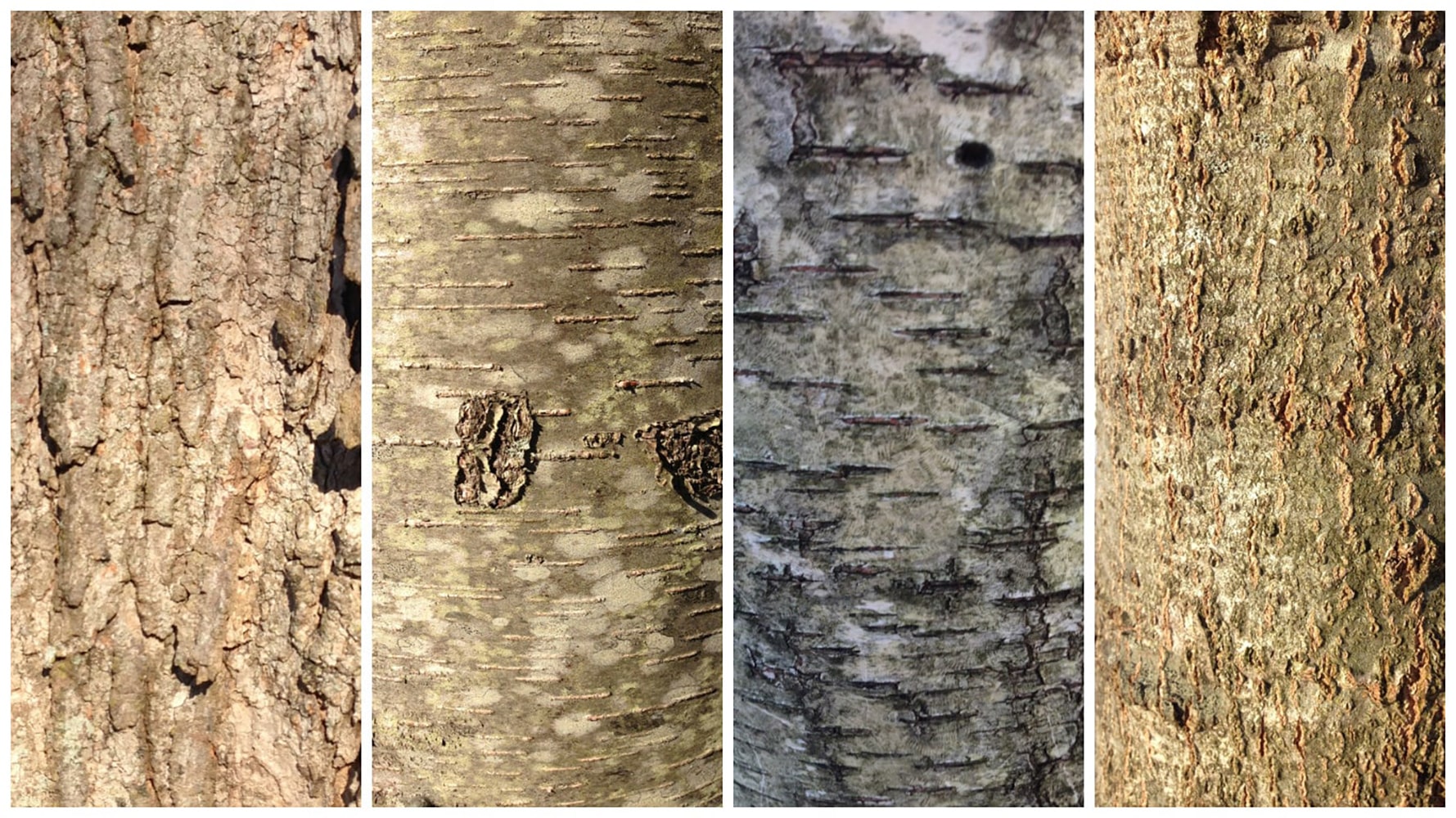
Sabal palmetto Bark

Sabal palmetto: Bark Color

grass
Dark Brown
grass
Dark Gray
grass
Light Brown
grass
Light Gray