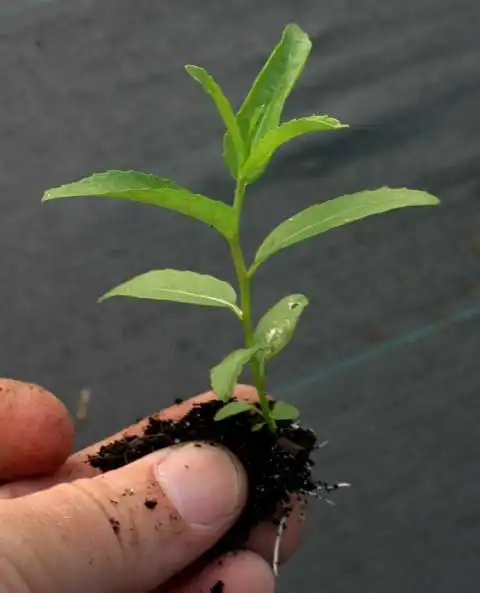
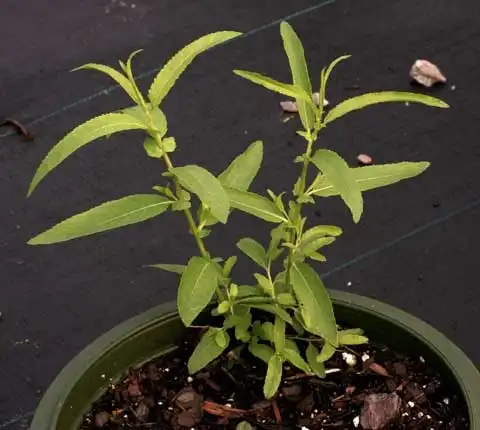
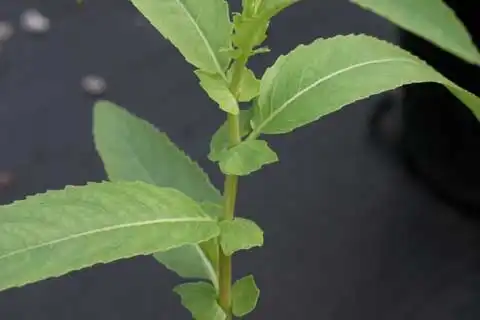
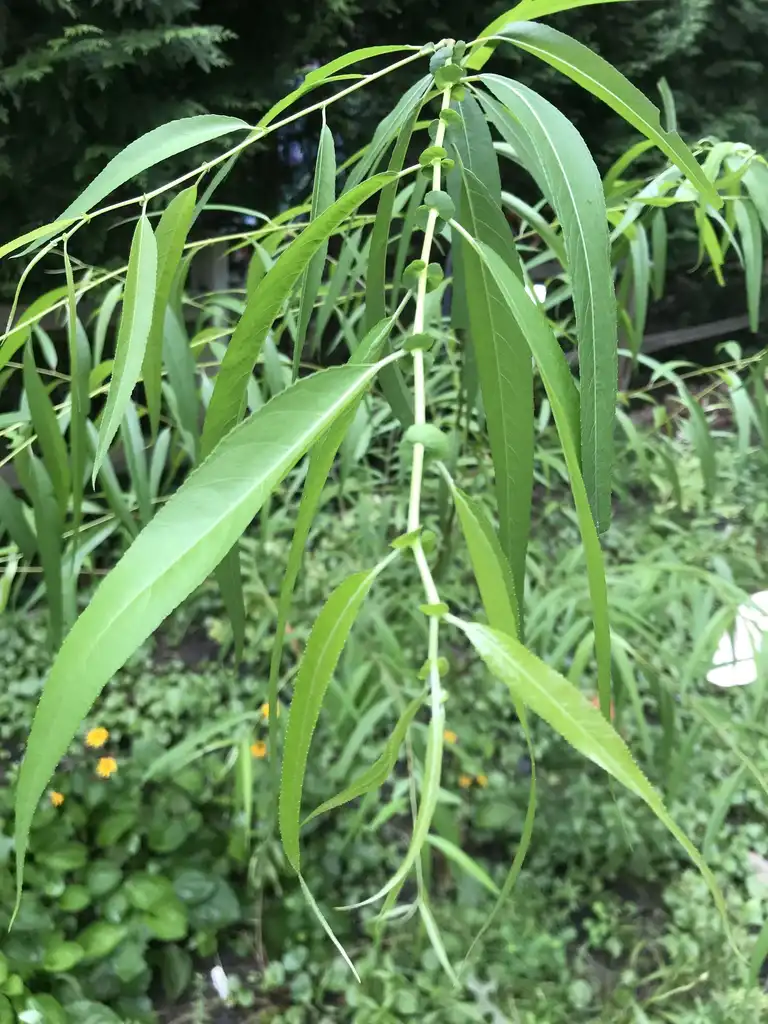
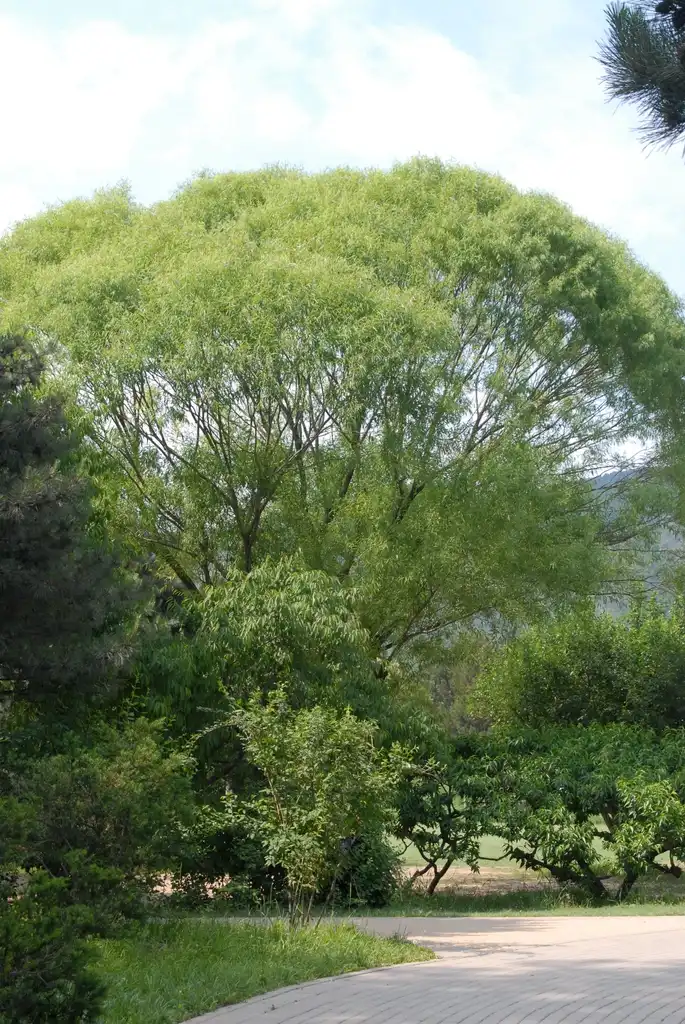
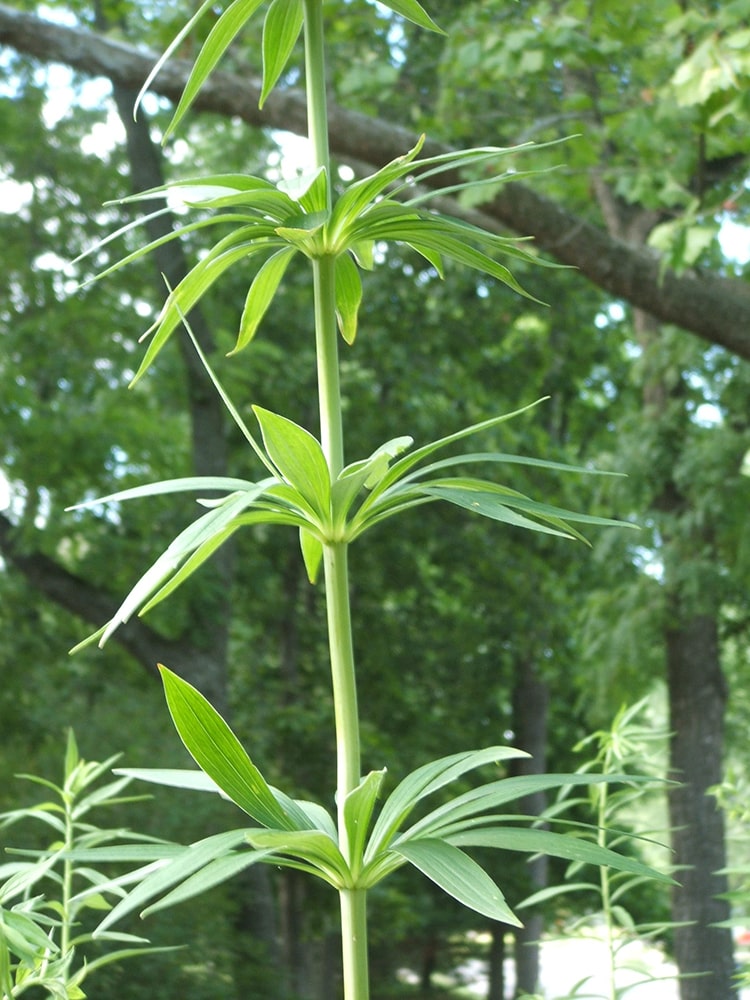
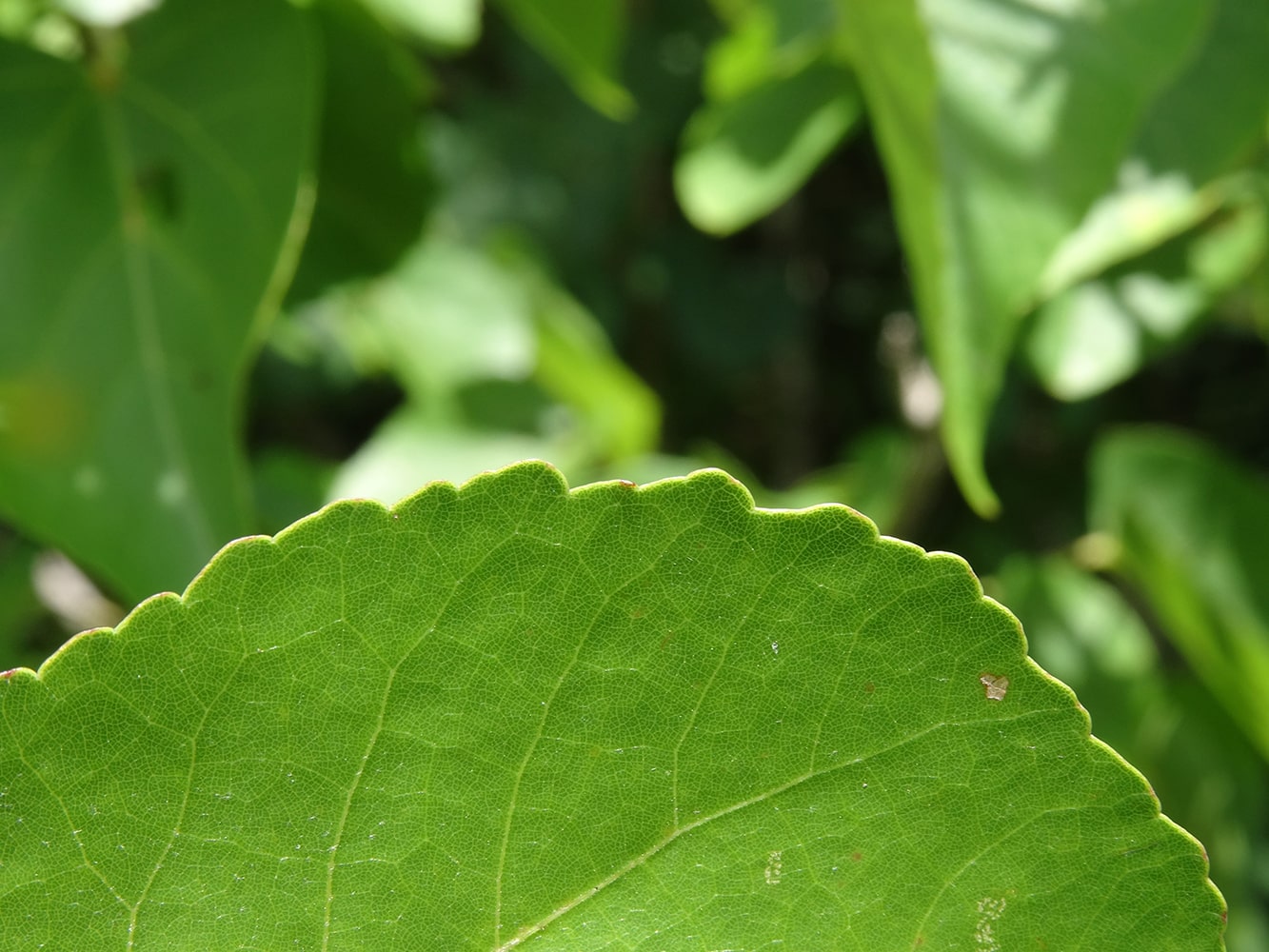
Willows, belonging to the Salicaceae family, are large, rapidly growing trees typically found in wetland areas and along the banks of streams. Their intricate root systems play a crucial role in stabilizing soil and preventing erosion. The seeds of willows are enveloped in fluffy, cotton-like fibers that aid in their dispersal by wind and water. Young willow plants exhibit upright growth with leaves that are either lance-shaped or linear, and while the leaf blades may wrap around the stem in seedlings, this feature is absent in mature trees. Once they are established, willow seedlings exhibit impressive growth rates, often outpacing less vigorous vegetation. Willows can be utilized to form living fences or artistic sculptures, and their pliable branches are frequently employed in basket-making and weaving, especially after being soaked in water to enhance flexibility.
These trees thrive in environments such as ponds, riparian zones, water gardens, or other naturalized settings. They are particularly attractive to pollinators and specialized bees, making them a valuable addition to pollinator gardens.
When it comes to managing willows, it is important to note that tree and shrub seedlings do not respond well to preemergence herbicides, and there are no selective postemergence options available. The best approach is to manually remove seedlings while they are still small.
Additionally, caution should be exercised when planting willows near sewer lines or water pipes, as their roots are naturally drawn to these sources. Most willow species thrive in moist conditions and will actively seek out underground water conduits.