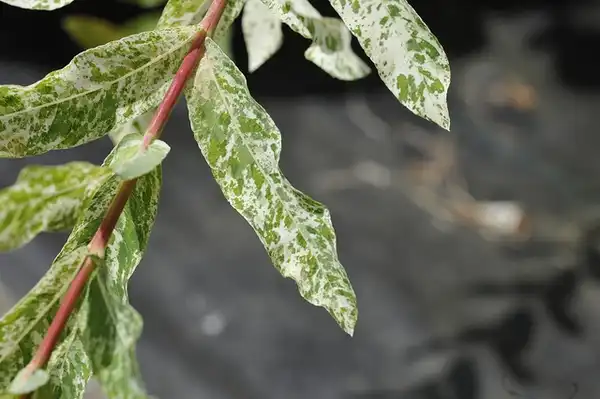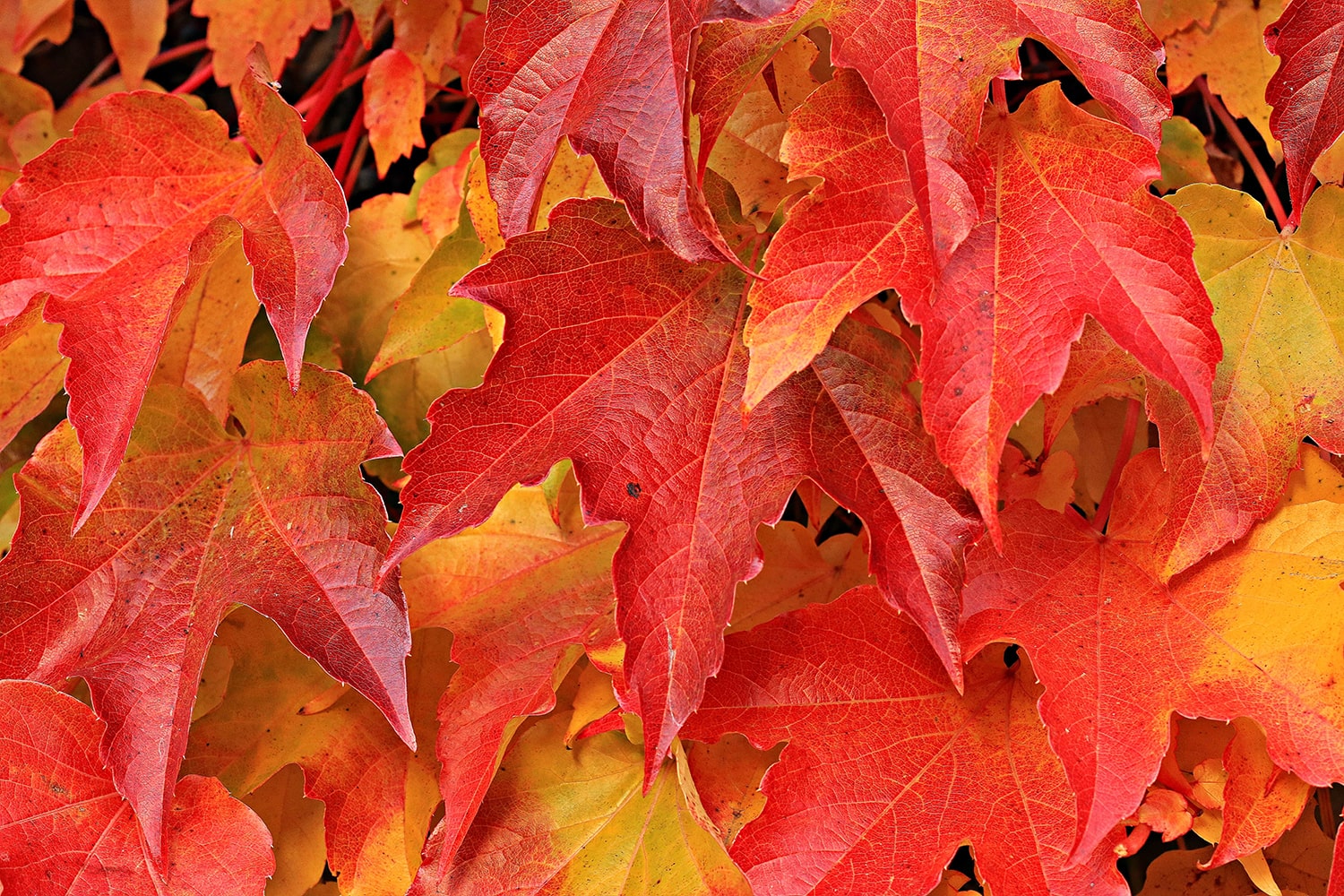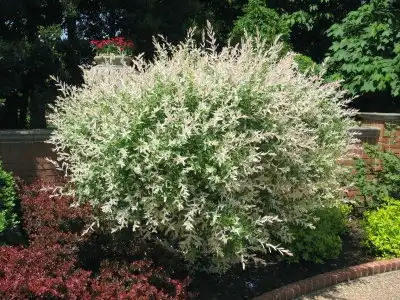
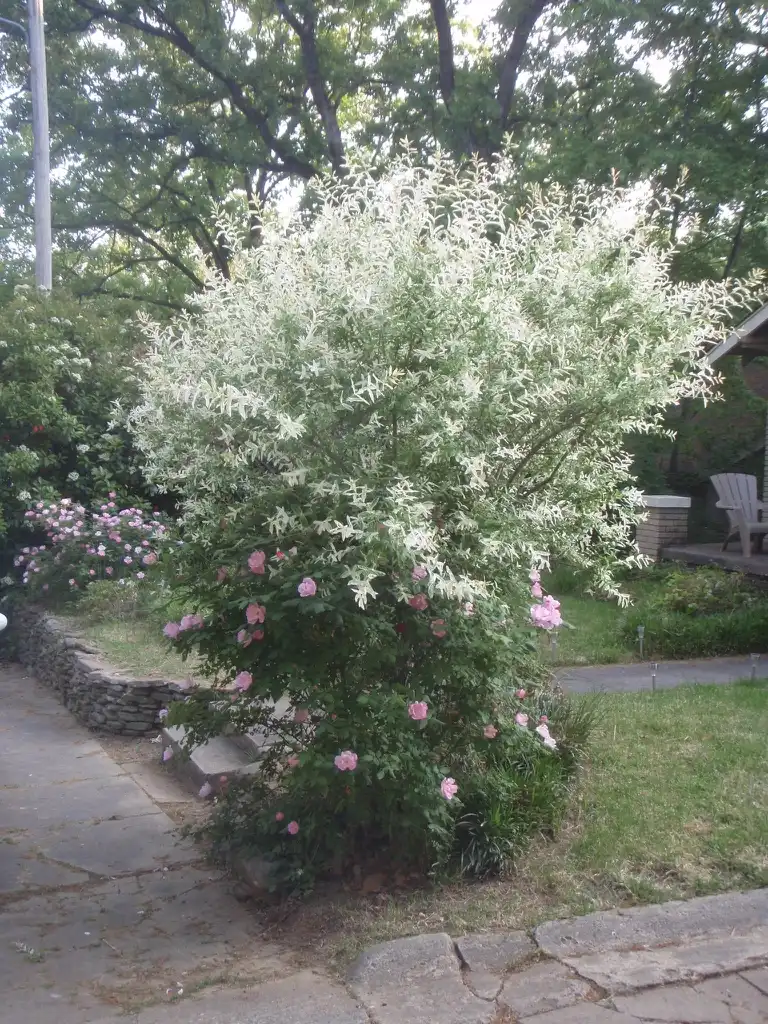
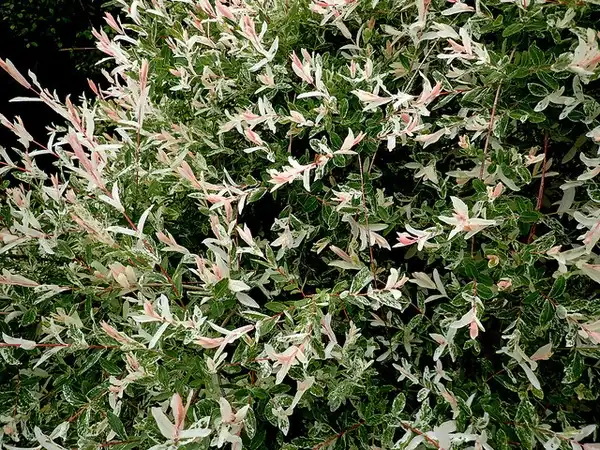
• Photo of Salix integra 'Hakuro Nishiki' (Salix integra 'Hakuro Nishiki's)

Plant Profile: Salix integra 'Hakuro Nishiki'

Names

Japanese Dappled Willow, Nishiki Willow

  • Photo of Salix integra 'Hakuro Nishiki' (Salix integra 'Hakuro Nishiki's)

Phonetic Spelling:SAL-iks IN-teg-ruh

Genus:Salix

Species:integra

Family:Salicaceae

This rapidly growing willow thrives in wet soil conditions. For optimal variegation, it is recommended to prune it back to 8-12 inches annually. In spring, fresh leaves emerge with a pink hue, transitioning to a beautiful mix of pink, creamy white, and green as they mature. The slender, lance-shaped leaves, which can grow up to 4 inches long, are particularly striking from spring through early summer, although they gradually shift to a predominantly green color as the season progresses. In the fall, the stems, especially the new growth in Zones 4-5, take on a vibrant red hue, adding visual interest during the winter months. In warmer winter climates, all stems will display this red coloration, while the trunk remains a consistent gray.

Salix integra 'Hakuro Nishiki' Feature Summary

Salix integra 'Hakuro Nishiki' Image Gallery

Tags

#deciduous
#wildlife plant
#nectar plant
#showy leaves
#winter interest
#interesting leaves
#specialized bees
#fast growing
#pollinator plant
#deciduous tree
#bee friendly

Similar Plants

Salix integra 'Hakuro Nishiki' Feature Summary

Attributes
China, Japan, Korea and southeastern Siberia
Members of the Salix genus support the following specialized bees: Andrena (Parandrena) andrenoides, Andrena (Thysandrena) bisalicis, Andrena (Tylandrena) erythrogaster, Andrena (Andrena) frigida, Andrena (Micrandrena) illinoiensis, Andrena (Andrena) macoupinensis, Andrena (Trachandrena) mariae, Andrena (Parandrena) nida, Andrena (Micrandrena) nigrae, Andrena (Micrandrena) salictaria, Andrena (Parandrena) wellesleyana.
Flowers
Non-showy yellowish flowers in small catkins (to 1” long) in spring (April-May). Grown for foliage.
Gold/Yellow
< 1 inch
Leaves
Green, white, pink new growth, variegation on slender, delicate branches
Green
White
Variegated
Pink
Opposite
Whorled
Lanceolate
3-6 inches
< 1 inch
Stem
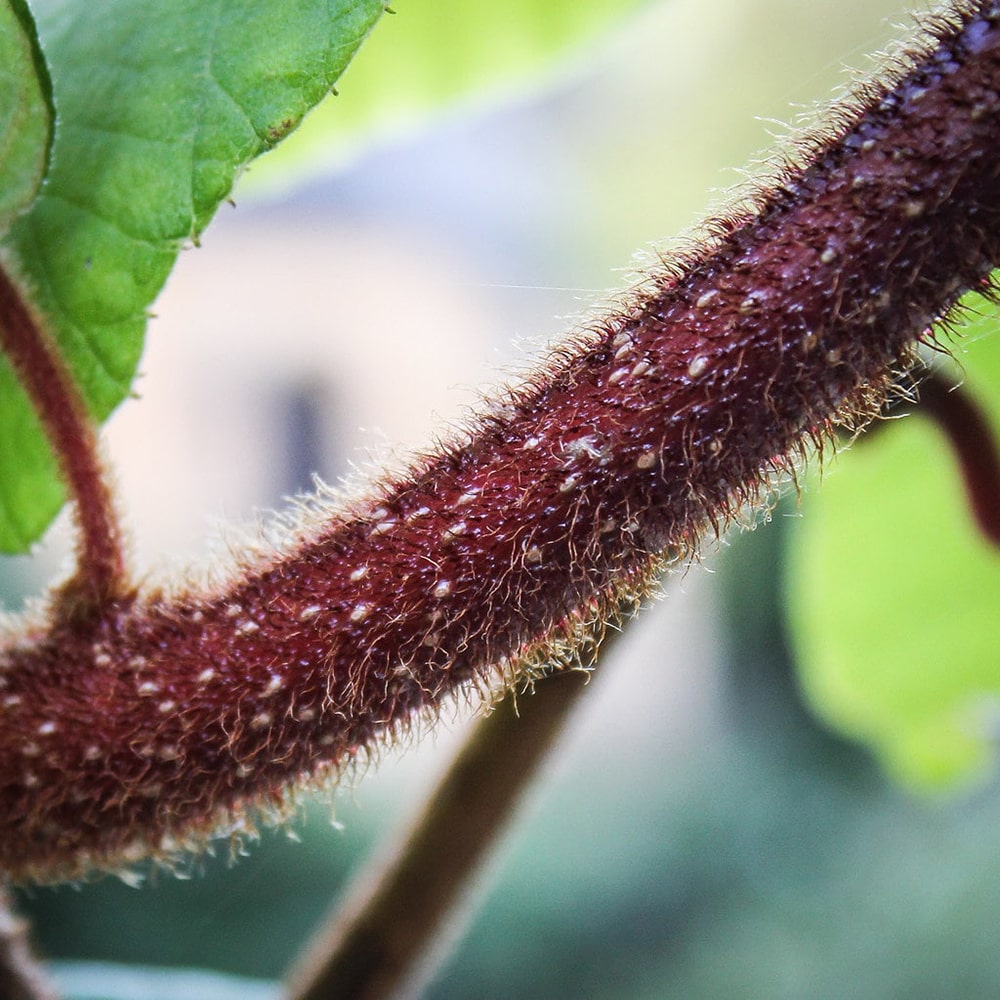
Stems turn red (primarily the new growth stems in Zones 4-5) in fall providing excellent winter interest. All stems turn red in warm winter climates.
Red/Burgundy
Straight
Whole Plant Traits
Cultural Conditions
Full sun (6 or more hours of direct sunlight a day)
Partial Shade (Direct sunlight only part of the day, 2-6 hours)
Good Drainage
Moist
Landscape
Asian Garden
Water Garden
Pollinators
Specialized Bees
Bark
Light Gray

Salix integra 'Hakuro Nishiki' Attributes

Salix integra 'Hakuro Nishiki': Country Or Region Of Origin

China, Japan, Korea and southeastern Siberia
Salix integra 'Hakuro Nishiki': Wildlife Value

Members of the Salix genus support the following specialized bees: Andrena (Parandrena) andrenoides, Andrena (Thysandrena) bisalicis, Andrena (Tylandrena) erythrogaster, Andrena (Andrena) frigida, Andrena (Micrandrena) illinoiensis, Andrena (Andrena) macoupinensis, Andrena (Trachandrena) mariae, Andrena (Parandrena) nida, Andrena (Micrandrena) nigrae, Andrena (Micrandrena) salictaria, Andrena (Parandrena) wellesleyana.

Salix integra 'Hakuro Nishiki': Life Cycle

Annual
Biennial
Bulb
Perennial
Woody

Salix integra 'Hakuro Nishiki': Recommended Propagation Strategy

Division
Grafting
Layering
Leaf Cutting
Root Cutting
Seed
Stem Cutting

Salix integra 'Hakuro Nishiki' Flowers

Salix integra 'Hakuro Nishiki': Flower Description

Non-showy yellowish flowers in small catkins (to 1” long) in spring (April-May). Grown for foliage.

Salix integra 'Hakuro Nishiki': Flower Color

filter_vintage
Gold/Yellow

Salix integra 'Hakuro Nishiki': Flower Inflorescence

Catkin
Corymb
Cyme
Head
Insignificant
Panicle
Raceme
Solitary
Spadix
Spike
Umbel

Salix integra 'Hakuro Nishiki': Flower Bloom Time

Winter
Spring
Summer
Fall

Salix integra 'Hakuro Nishiki': Flower Size

1-3 inches
3-6 inches
< 1 inch
> 6 inches

Salix integra 'Hakuro Nishiki' Leaves

Salix integra 'Hakuro Nishiki': Leaf Description

Green, white, pink new growth, variegation on slender, delicate branches

Salix integra 'Hakuro Nishiki': Woody Plant Leaf Characteristics

Broadleaf Evergreen
Deciduous
Needled Evergreen
Semi-evergreen

Salix integra 'Hakuro Nishiki': Leaf Color

spa
Green
spa
Pink
spa
Variegated
spa
White

Salix integra 'Hakuro Nishiki': Deciduous Leaf Fall Color

spa
Gold/Yellow

Salix integra 'Hakuro Nishiki': Leaf Arrangement

Alternate
Opposite
Other/more complex
Rosulate
Whorled

Salix integra 'Hakuro Nishiki': Leaf Shape

Acicular
Auriculate
Cordate
Cuneate
Deltoid
Elliptical
Filiform
Lanceolate
Linear
Oblanceolate
Oblong
Obovate
Obtuse
Orbicular
Ovate
Palmasect
Palmatifid
Peltate
Pinnatifid
Pinnatisect
Reniform
Rhomboidal
Spatulate
Subcordate
Subulate

Salix integra 'Hakuro Nishiki': Hairs Present

No
Yes

Salix integra 'Hakuro Nishiki': Leaf Length

< 1 inch
1-3 inches
3-6 inches
> 6 inches

Salix integra 'Hakuro Nishiki': Leaf Value To Gardener

Edible
Fragrant
Good Cut
Good Dried
Long-lasting
Showy

Salix integra 'Hakuro Nishiki': Leaf Width

< 1 inch
1-3 inches
3-6 inches
> 6 inches

Salix integra 'Hakuro Nishiki' Stem

Salix integra 'Hakuro Nishiki': Stem Description

Stems turn red (primarily the new growth stems in Zones 4-5) in fall providing excellent winter interest. All stems turn red in warm winter climates.

Salix integra 'Hakuro Nishiki': Stem Color

grass
Red/Burgundy

Salix integra 'Hakuro Nishiki': Stem Is Aromatic

No
Yes

Salix integra 'Hakuro Nishiki': Stem Form

Straight
Zig Zags

Salix integra 'Hakuro Nishiki' Whole Plant Traits

Salix integra 'Hakuro Nishiki': Plant Type

Annual
Bulb
Carnivorous
Edible
Epiphyte
Fern
Ground Cover
Herb
Herbaceous Perennial
Houseplant
Mushroom
Native Plant
Ornamental Grasses and Sedges
Perennial
Poisonous
Rose
Shrub
Succulent
Tree
Turfgrass
Vegetable
Vine
Water Plant
Weed
Wildflower

Salix integra 'Hakuro Nishiki': Woody Plant Leaf Characteristics

Broadleaf Evergreen
Deciduous
Needled Evergreen
Semi-evergreen

Salix integra 'Hakuro Nishiki': Habit/Form

Arching
Ascending
Broad
Cascading
Climbing
Clumping
Columnar
Conical
Creeping
Dense
Erect
Horizontal
Irregular
Mounding
Multi-stemmed
Multi-trunked
Open
Oval
Prostrate
Pyramidal
Rounded
Spreading
Vase
Weeping

Salix integra 'Hakuro Nishiki': Growth Rate

Slow
Medium
Rapid

Salix integra 'Hakuro Nishiki': Maintenance

Low
Medium
High

Salix integra 'Hakuro Nishiki': Texture

Fine
Medium
Coarse

Salix integra 'Hakuro Nishiki' Cultural Conditions

Salix integra 'Hakuro Nishiki': Light

Dappled Sunlight (Shade through upper canopy all day)
Deep shade (Less than 2 hours to no direct sunlight)
Full sun (6 or more hours of direct sunlight a day)
Partial Shade (Direct sunlight only part of the day, 2-6 hours)

Salix integra 'Hakuro Nishiki': Soil Drainage

Frequent Standing Water
Good Drainage
Moist
Occasional Flooding
Occasionally Dry
Occasionally Wet
Very Dry

Salix integra 'Hakuro Nishiki': USDA Plant Hardiness Zone

thermostat
5a
thermostat
5b
thermostat
6a
thermostat
6b
thermostat
7a
thermostat
7b
thermostat
8a
thermostat
8b

Salix integra 'Hakuro Nishiki' Landscape

Salix integra 'Hakuro Nishiki': Landscape Theme

Asian Garden
Butterfly Garden
Children's Garden
Cottage Garden
Cutting Garden
Drought Tolerant Garden
Edible Garden
English Garden
Fairy Garden
Garden for the Blind
Native Garden
Nighttime Garden
Pollinator Garden
Rain Garden
Rock Garden
Shade Garden
Water Garden
Winter Garden

Salix integra 'Hakuro Nishiki': Landscape Location

Coastal
Container
Hanging Baskets
Houseplants
Lawn
Meadow
Naturalized Area
Near Septic
Patio
Pond
Pool/Hardscape
Recreational Play Area
Riparian
Rock Wall
Slope/Bank
Small Space
Vertical Spaces
Walkways
Woodland

Salix integra 'Hakuro Nishiki': Attracts

Bats
Bees
Butterflies
Frogs
Hummingbirds
Moths
Pollinators
Predatory Insects
Reptiles
Small Mammals
Songbirds
Specialized Bees

Salix integra 'Hakuro Nishiki' Bark

Salix integra 'Hakuro Nishiki': Bark Color

grass
Light Gray