Salvia: Wildlife Value
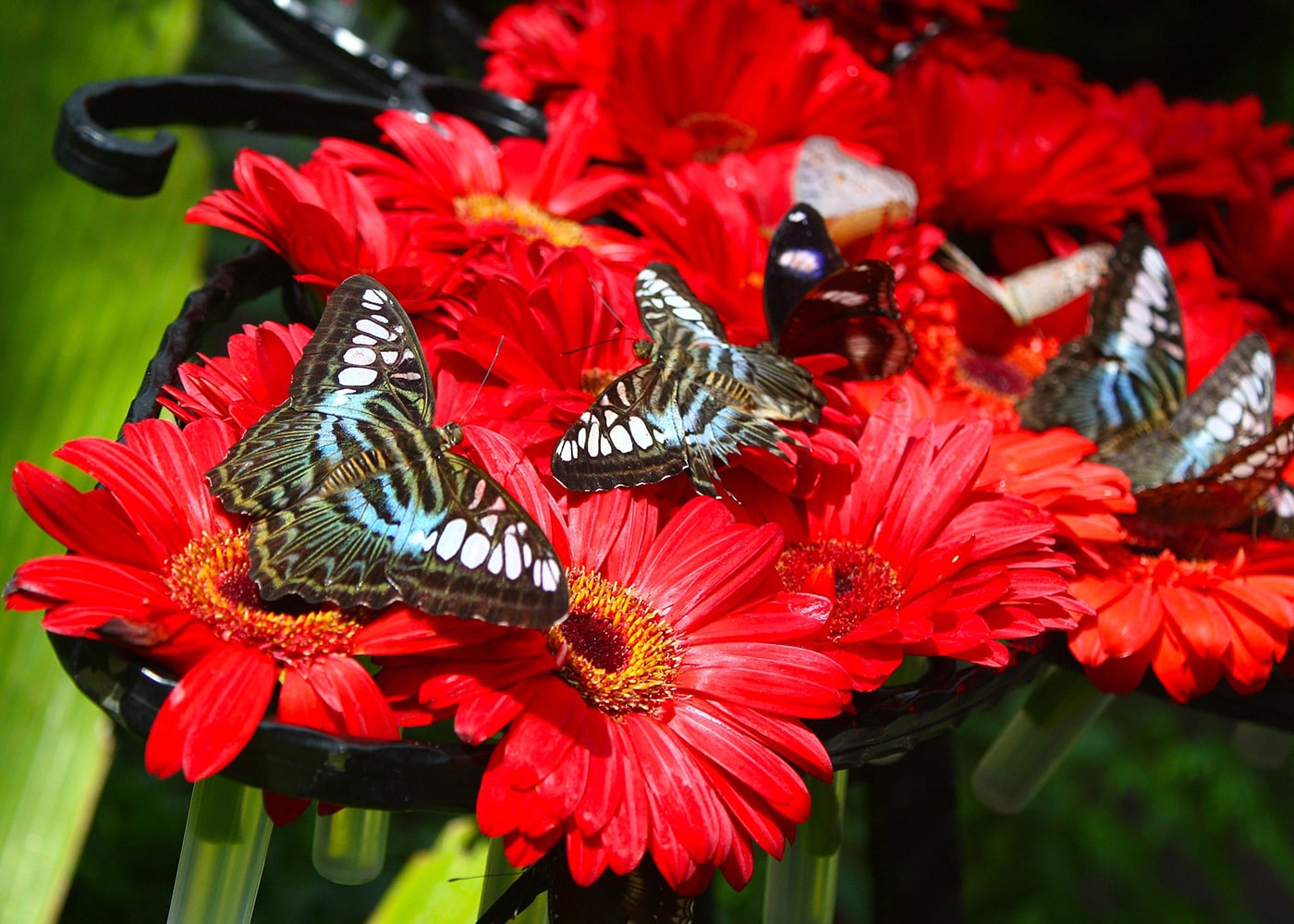
Attracts butterflies and hummingbirds and is seldom damaged by deer.
Phonetic Spelling:SAL-vee-uh
Genus:Salvia
Species:
Family:Lamiaceae
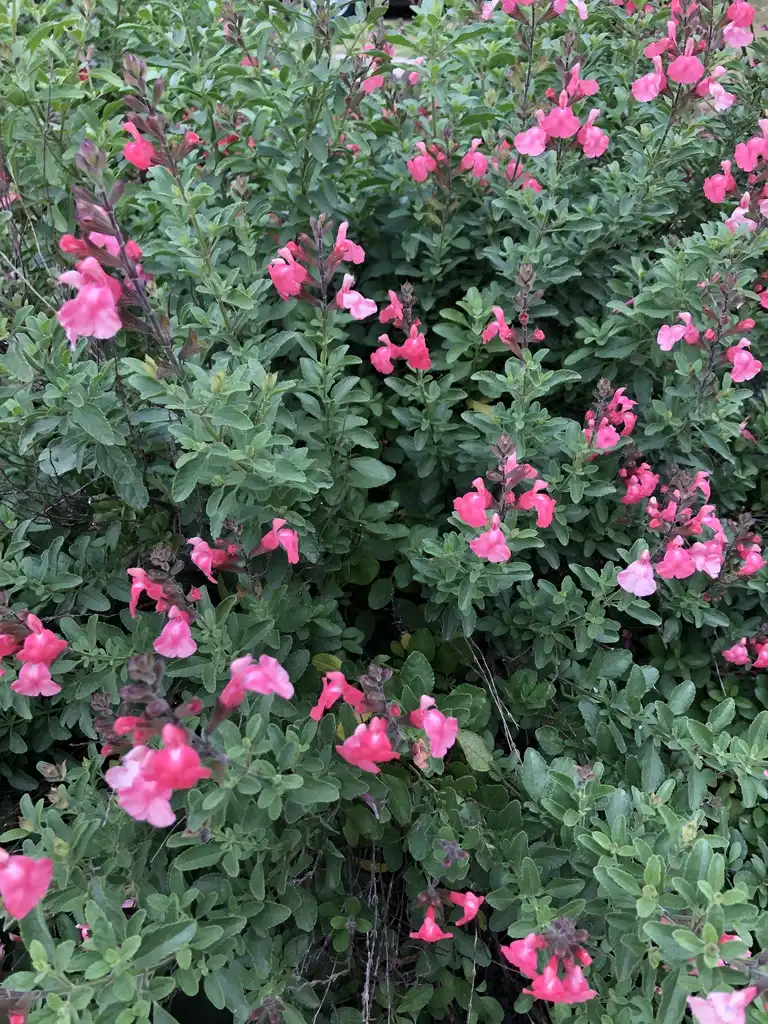
Salvia belongs to the mint family and encompasses a wide range of species and cultivars, showcasing significant diversity. Typically, it grows as a small, upright shrub, reaching heights of 1 to 3 feet.
When it comes to the leaves, there is considerable variation. Generally, they are arranged oppositely and in a decussate pattern. Some leaves are smooth and rough, while others are soft and hairy. Most leaves feature a serrated edge and a reticulate pattern, making the veins on the underside easily visible. The shape and texture of the leaves can differ widely.
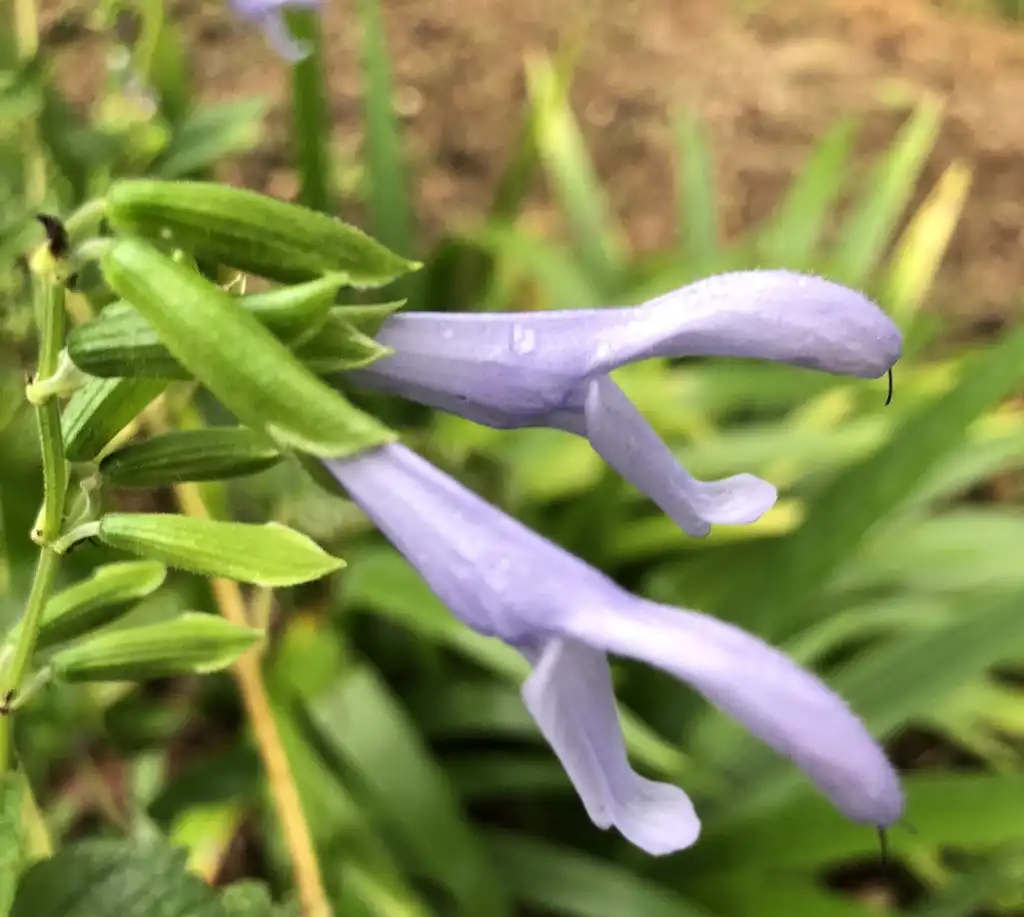
The flowers of Salvia are particularly noteworthy for their vibrant late-season color. They form terminal inflorescences characterized by a tulip-shaped calyx and a bilabiate corolla with zygomorphic symmetry.
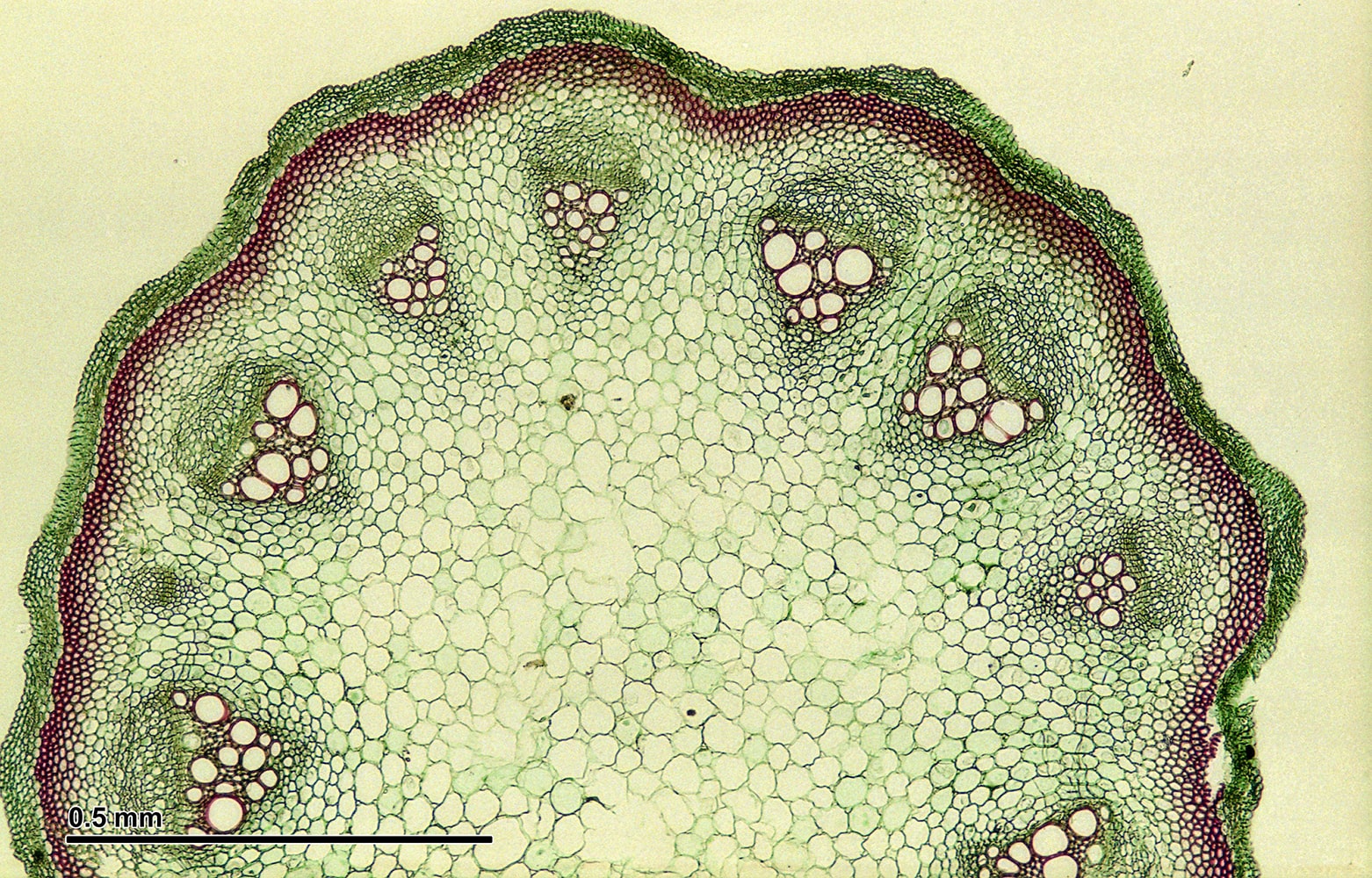
Salvia plants have square stems, which is a distinctive feature.
In terms of pests, they can be affected by whiteflies, aphids, mealybugs, and spider mites. Additionally, they are susceptible to various diseases, including rust, powdery mildew, stem rot, and fungal leaf spots.
The name "Salvia" is derived from the Latin word "salvo," meaning "I save," which alludes to the plant's medicinal qualities.