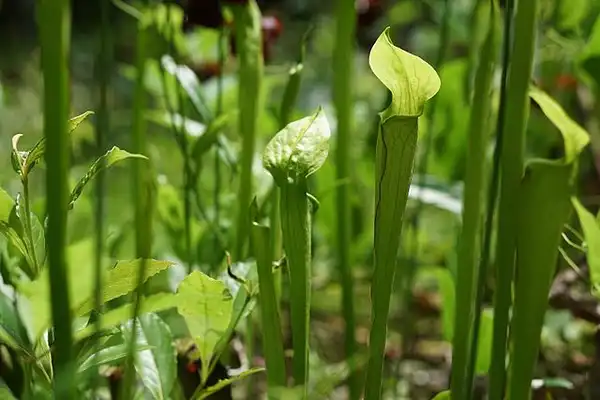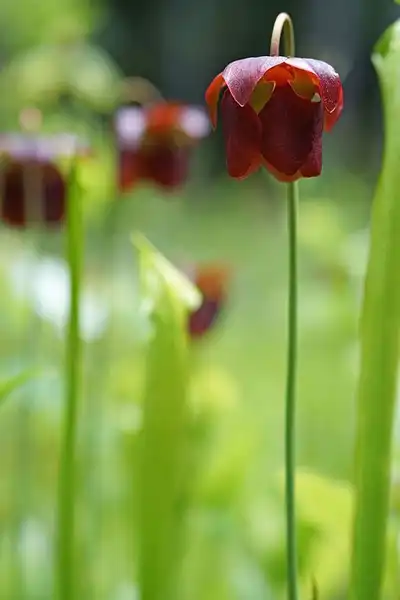
• Photo of Sarracenia jonesii (Sarracenia jonesiis)

Plant Profile: Sarracenia jonesii

Taxonomy: Sarracenia jonesii

Names

Mountain Sweet Pitcherplant, Pitcher Plant

  • Photo of Sarracenia jonesii (Sarracenia jonesiis)

Phonetic Spelling:sair-ah-SEEN-ee-ah JONES-ee-eye

Genus:Sarracenia

Species:jonesii

Family:Sarraceniaceae

The mountain sweet pitcherplant is a unique, stemless perennial characterized by its tall, slender, tubular pitchers that feature a slight bulge at the top and a horizontal lid designed to limit excessive rainwater from entering the tube. These plants display a vibrant green hue accented by maroon veins. As an endangered species, they are indigenous to the seepage bogs found in the Appalachian Mountains of North Carolina and South Carolina, thriving in full sunlight.

These pitcher plants attract flies and other small insects by enticing them with their colorful leaves and sweet fragrances. The inner surfaces of the pitchers are waxy and slick, making it difficult for trapped insects to escape. Once inside, the nectar immobilizes the insects, while digestive fluids within the tubular leaves break down their bodies, allowing the plant to absorb essential nutrients. The federal government has classified this species as endangered.

**Regions:** Mountains
**Seasons of Interest:**
    **Bloom:** April to June

Sarracenia jonesii Feature Summary

Sarracenia jonesii Image Gallery

Tags

#fragrant
#perennial
#carnivorous
#wet sites
#endangered
#NC native
#native garden
#bog gardens

Similar Plants

Sarracenia jonesii Feature Summary

Flowers
Bright red-maroon flowers born on slightly erect scales with 5 petals. Globular and produce a sweet fragrance reminiscent of violets. Seed set in August.
Red/Burgundy
Spring
Summer
4-5 petals/rays
Leaves
Heavily veined pitchers
Green
Gold/Yellow
Whole Plant Traits
Perennial
Native Plant
Carnivorous
Cultural Conditions
Full sun (6 or more hours of direct sunlight a day)
Frequent Standing Water
Mountains
Landscape

Sarracenia jonesii Attributes

Sarracenia jonesii: Country Or Region Of Origin

North and South Carolina
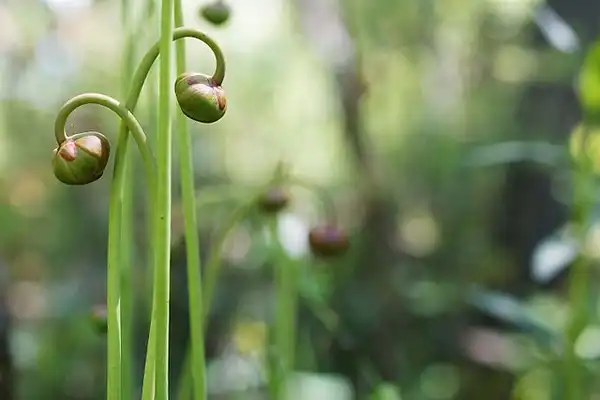
Sarracenia jonesii: Life Cycle

Annual
Biennial
Bulb
Perennial
Woody

Sarracenia jonesii: Recommended Propagation Strategy

Division
Grafting
Layering
Leaf Cutting
Root Cutting
Seed
Stem Cutting

Sarracenia jonesii Flowers

Sarracenia jonesii: Flower Description

Bright red-maroon flowers born on slightly erect scales with 5 petals. Globular and produce a sweet fragrance reminiscent of violets. Seed set in August.

Sarracenia jonesii: Flower Color

filter_vintage
Red/Burgundy

Sarracenia jonesii: Flower Bloom Time

Winter
Spring
Summer
Fall

Sarracenia jonesii: Flower Petals

2-3 rays/petals
4-5 petals/rays
6 petals/rays
7 - 20 petals/rays
asymmetrical petals
Bracts
Colored Sepals
fused petals
more than 20 petals/rays
Tepals

Sarracenia jonesii Leaves

Sarracenia jonesii: Leaf Description

Heavily veined pitchers

Sarracenia jonesii: Leaf Color

spa
Gold/Yellow
spa
Green

Sarracenia jonesii: Hairs Present

No
Yes

Sarracenia jonesii Whole Plant Traits

Sarracenia jonesii: Plant Type

Annual
Bulb
Carnivorous
Edible
Epiphyte
Fern
Ground Cover
Herb
Herbaceous Perennial
Houseplant
Mushroom
Native Plant
Ornamental Grasses and Sedges
Perennial
Poisonous
Rose
Shrub
Succulent
Tree
Turfgrass
Vegetable
Vine
Water Plant
Weed
Wildflower

Sarracenia jonesii Cultural Conditions

Sarracenia jonesii: Light

Dappled Sunlight (Shade through upper canopy all day)
Deep shade (Less than 2 hours to no direct sunlight)
Full sun (6 or more hours of direct sunlight a day)
Partial Shade (Direct sunlight only part of the day, 2-6 hours)

Sarracenia jonesii: Soil Drainage

Frequent Standing Water
Good Drainage
Moist
Occasional Flooding
Occasionally Dry
Occasionally Wet
Very Dry

Sarracenia jonesii: NC Region

Coastal
Mountains
Piedmont

Sarracenia jonesii Stem

Sarracenia jonesii: Stem Is Aromatic

No
Yes

Sarracenia jonesii Landscape

Sarracenia jonesii: Resistance To Challenges

Black Walnut
Compaction
Deer
Diseases
Drought
Dry Soil
Erosion
Fire
Foot Traffic
Heat
Heavy Shade
Humidity
Insect Pests
Pollution
Poor Soil
Rabbits
Salt
Slugs
Squirrels
Storm damage
Urban Conditions
Voles
Wet Soil
Wind