• Photo of Scutellaria serrata (Scutellaria serratas)

Plant Profile: Scutellaria serrata

Taxonomy: Scutellaria serrata

Names

Showy Skullcap

  • Photo of Scutellaria serrata (Scutellaria serratas)

Phonetic Spelling:skoot-ul-AIR-ee-uh sair-AY-tuh

Genus:Scutellaria

Species:serrata

Family:Lamiaceae

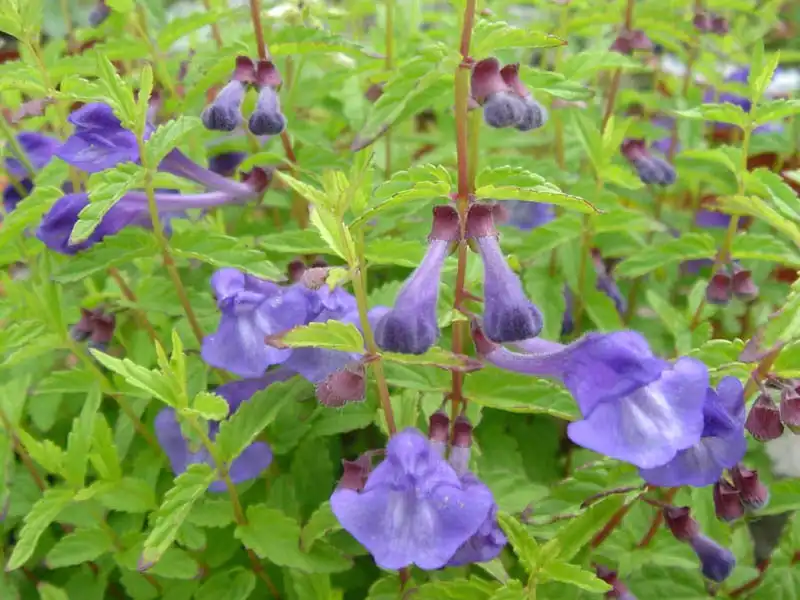
Showy Skullcap is a perennial wildflower belonging to the mint family, typically found in dry, fertile open woodlands, thickets, or clearings, especially on west-facing slopes. This plant produces vibrant flowers that bloom after the majority of spring wildflowers have withered. Each flower measures about an inch in length, featuring an upright tubular shape, a hood-like upper lip, and a lower lip that is two-lobed and spreads outward. The flowers generally appear singly at the top of the stem, which usually bears eight or fewer pairs of leaves, characterized by purple edges.

This wildflower grows in clusters and patches but does not propagate through stolons or rhizomes.

In terms of pests and diseases, Showy Skullcap is largely unaffected by significant insect damage or diseases. However, activities such as development, logging, and land clearing in mountainous regions pose a threat to its habitat.

Scutellaria serrata Feature Summary

Scutellaria serrata Image Gallery

Tags

#showy flowers
#heat tolerant
#drought tolerant
#bumblebees
#NC native
#native wildflower
#wildflower garden
#food source nectar
#food source pollen
#food source hard mast fruit
#moth larvae
#audubon

Similar Plants

Scutellaria serrata Feature Summary

Attributes
Eastern U.S.A. to Illinois
A, DC, FL, KY, MD, MS, NC, JH, NY, OH, PA, SC, TN, VA, WV
Perennial
Buffer
Screening
Fruit
Fruit is available June to July.
Brown/Copper
Cream/Tan
Flowers
1" violet-blue flowers on terminal raceme. Flowers bloom May through June.
Purple/Lavender
Blue
1-3 inches
Leaves
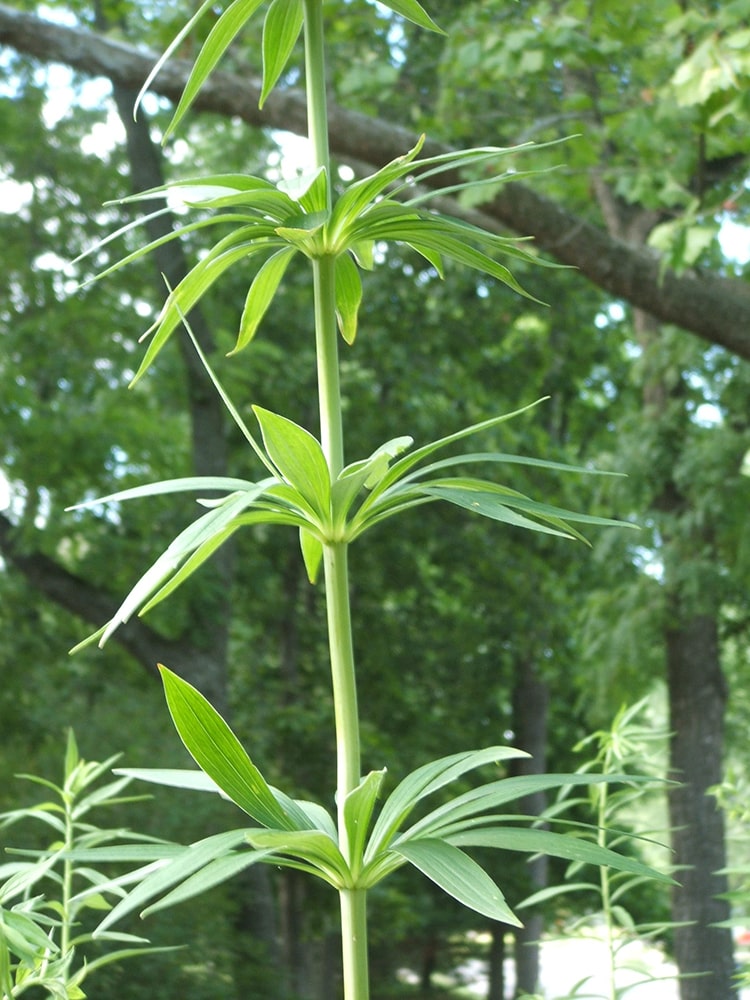
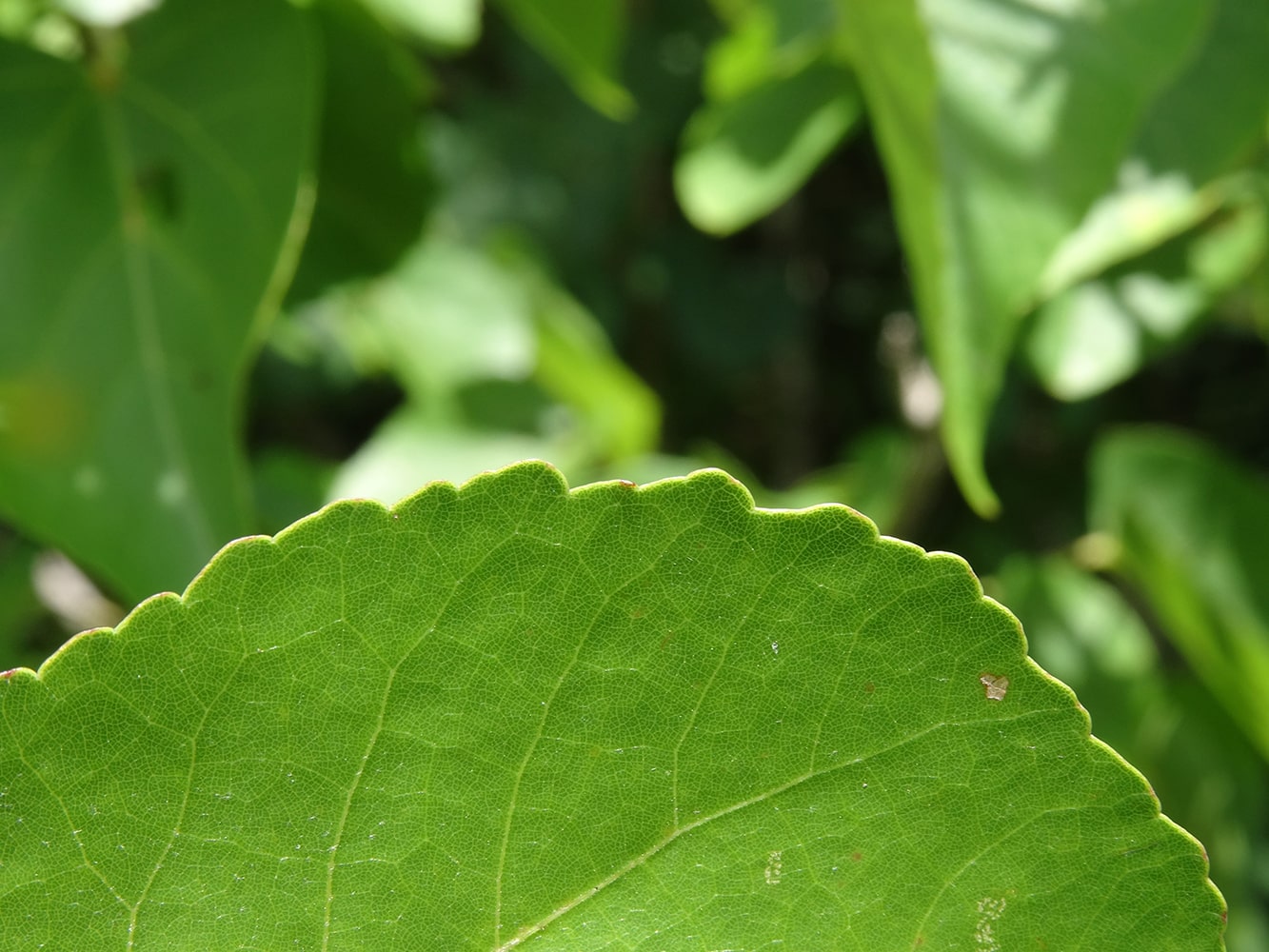
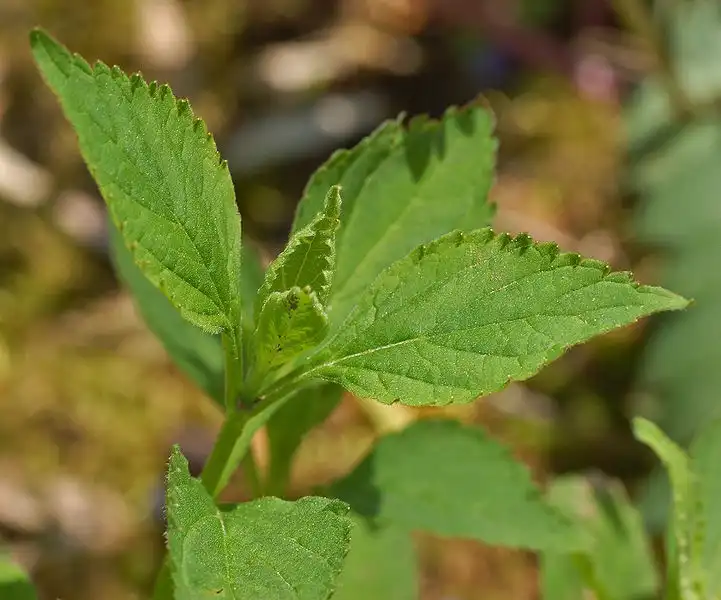
Whorled, oval, stalked 2-4" leaves, coarsely toothed and pointed. Leaf margins are purple.
3-6 inches
1-3 inches
Whole Plant Traits
Native Plant
Wildflower
Herb
Rounded
Clumping
Cultural Conditions
Full sun (6 or more hours of direct sunlight a day)
Partial Shade (Direct sunlight only part of the day, 2-6 hours)
Acid (<6.0)
Alkaline (>8.0)
Neutral (6.0-8.0)
Good Drainage
Moist
Occasionally Dry
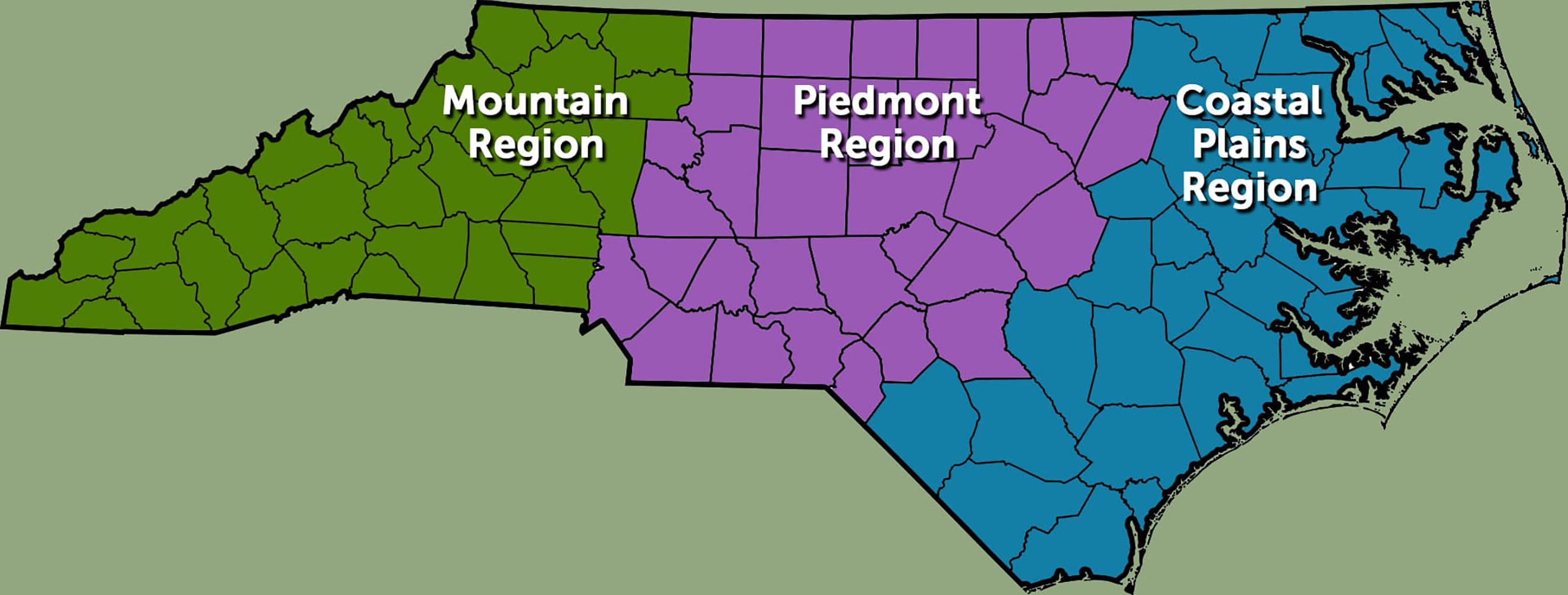
Mountains
Piedmont
Landscape
Drought Tolerant Garden
Native Garden
Border
Hedge
Mass Planting
Accent
Small groups
Specimen
Barrier
Container
Patio
Walkways
Woodland
Naturalized Area
Small Space
Slope/Bank
Pool/Hardscape
Songbirds
Bees
Moths

Scutellaria serrata Attributes

Scutellaria serrata: Country Or Region Of Origin

Eastern U.S.A. to Illinois
Scutellaria serrata: Distribution

A, DC, FL, KY, MD, MS, NC, JH, NY, OH, PA, SC, TN, VA, WV

Scutellaria serrata: Life Cycle

Annual
Biennial
Bulb
Perennial
Woody

Scutellaria serrata: Play Value

Attractive Flowers
Attracts Pollinators
Buffer
Colorful
Defines Paths
Easy to Grow
Edible fruit
Fragrance
Pieces Used in Games
Screening
Shade
Sound
Textural
Wildlife Cover/Habitat
Wildlife Food Source
Wildlife Larval Host
Wildlife Nesting
Wind Break
Wind Shimmer

Scutellaria serrata Fruit

Scutellaria serrata: Fruit Description

Fruit is available June to July.

Scutellaria serrata: Fruit Color

grass
Brown/Copper
grass
Cream/Tan

Scutellaria serrata: Display/Harvest Time

Fall
Spring
Summer
Winter

Scutellaria serrata Flowers

Scutellaria serrata: Flower Description

1" violet-blue flowers on terminal raceme. Flowers bloom May through June.

Scutellaria serrata: Flower Color

filter_vintage
Blue
filter_vintage
Purple/Lavender

Scutellaria serrata: Flower Inflorescence

Catkin
Corymb
Cyme
Head
Insignificant
Panicle
Raceme
Solitary
Spadix
Spike
Umbel

Scutellaria serrata: Flower Value To Gardener

Edible
Fragrant
Good Cut
Good Dried
Long Bloom Season
Long-lasting
Showy

Scutellaria serrata: Flower Bloom Time

Winter
Spring
Summer
Fall

Scutellaria serrata: Flower Size

1-3 inches
3-6 inches
< 1 inch
> 6 inches

Scutellaria serrata Leaves

Scutellaria serrata: Leaf Description

Whorled, oval, stalked 2-4" leaves, coarsely toothed and pointed. Leaf margins are purple.

Scutellaria serrata: Leaf Type

Compound (Pinnately , Bipinnately, Palmately)
Fronds
Needles
Sheath
Simple

Scutellaria serrata: Leaf Arrangement

Alternate
Opposite
Other/more complex
Rosulate
Whorled

Scutellaria serrata: Leaf Shape

Acicular
Auriculate
Cordate
Cuneate
Deltoid
Elliptical
Filiform
Lanceolate
Linear
Oblanceolate
Oblong
Obovate
Obtuse
Orbicular
Ovate
Palmasect
Palmatifid
Peltate
Pinnatifid
Pinnatisect
Reniform
Rhomboidal
Spatulate
Subcordate
Subulate

Scutellaria serrata: Leaf Margin

Crenate
Crenulate
Dentate
Denticulate
Doubly Crenate
Doubly Dentate
Doubly Serrate
Entire
Lobed
Serrate
Sinuate
Undulate

Scutellaria serrata: Hairs Present

No
Yes

Scutellaria serrata: Leaf Length

< 1 inch
1-3 inches
3-6 inches
> 6 inches

Scutellaria serrata: Leaf Width

< 1 inch
1-3 inches
3-6 inches
> 6 inches

Scutellaria serrata Stem

Scutellaria serrata: Stem Description

Smooth stem.

Scutellaria serrata: Stem Is Aromatic

No
Yes

Scutellaria serrata: Stem Form

Straight
Zig Zags

Scutellaria serrata Whole Plant Traits

Scutellaria serrata: Plant Type

Annual
Bulb
Carnivorous
Edible
Epiphyte
Fern
Ground Cover
Herb
Herbaceous Perennial
Houseplant
Mushroom
Native Plant
Ornamental Grasses and Sedges
Perennial
Poisonous
Rose
Shrub
Succulent
Tree
Turfgrass
Vegetable
Vine
Water Plant
Weed
Wildflower

Scutellaria serrata: Habit/Form

Arching
Ascending
Broad
Cascading
Climbing
Clumping
Columnar
Conical
Creeping
Dense
Erect
Horizontal
Irregular
Mounding
Multi-stemmed
Multi-trunked
Open
Oval
Prostrate
Pyramidal
Rounded
Spreading
Vase
Weeping

Scutellaria serrata Cultural Conditions

Scutellaria serrata: Light

Dappled Sunlight (Shade through upper canopy all day)
Deep shade (Less than 2 hours to no direct sunlight)
Full sun (6 or more hours of direct sunlight a day)
Partial Shade (Direct sunlight only part of the day, 2-6 hours)

Scutellaria serrata: Soil pH

Acid (<6.0)
Alkaline (>8.0)
Neutral (6.0-8.0)

Scutellaria serrata: Soil Drainage

Frequent Standing Water
Good Drainage
Moist
Occasional Flooding
Occasionally Dry
Occasionally Wet
Very Dry

Scutellaria serrata: NC Region

Coastal
Mountains
Piedmont

Scutellaria serrata Landscape

Scutellaria serrata: Landscape Theme

Asian Garden
Butterfly Garden
Children's Garden
Cottage Garden
Cutting Garden
Drought Tolerant Garden
Edible Garden
English Garden
Fairy Garden
Garden for the Blind
Native Garden
Nighttime Garden
Pollinator Garden
Rain Garden
Rock Garden
Shade Garden
Water Garden
Winter Garden

Scutellaria serrata: Design Feature

Accent
Barrier
Border
Flowering Tree
Foundation Planting
Hedge
Mass Planting
Screen/Privacy
Security
Shade Tree
Small groups
Small Tree
Specimen
Street Tree
Understory Tree

Scutellaria serrata: Resistance To Challenges

Black Walnut
Compaction
Deer
Diseases
Drought
Dry Soil
Erosion
Fire
Foot Traffic
Heat
Heavy Shade
Humidity
Insect Pests
Pollution
Poor Soil
Rabbits
Salt
Slugs
Squirrels
Storm damage
Urban Conditions
Voles
Wet Soil
Wind

Scutellaria serrata: Landscape Location

Coastal
Container
Hanging Baskets
Houseplants
Lawn
Meadow
Naturalized Area
Near Septic
Patio
Pond
Pool/Hardscape
Recreational Play Area
Riparian
Rock Wall
Slope/Bank
Small Space
Vertical Spaces
Walkways
Woodland

Scutellaria serrata: Attracts

Bats
Bees
Butterflies
Frogs
Hummingbirds
Moths
Pollinators
Predatory Insects
Reptiles
Small Mammals
Songbirds
Specialized Bees