Sequoiadendron giganteum: Country Or Region Of Origin
California, Sierra Nevada Mountains
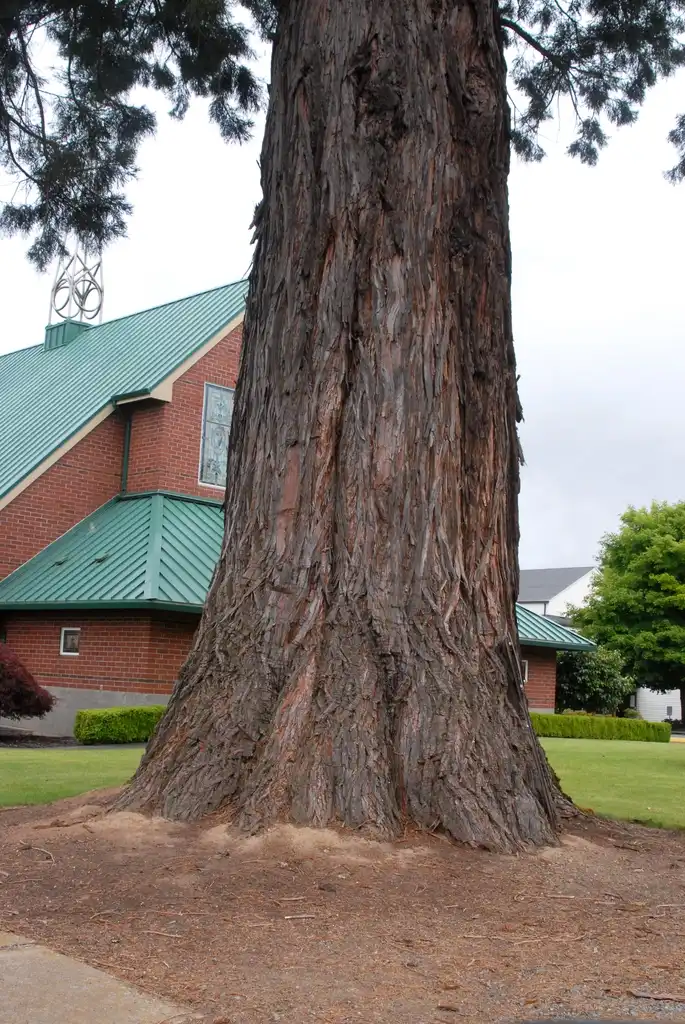
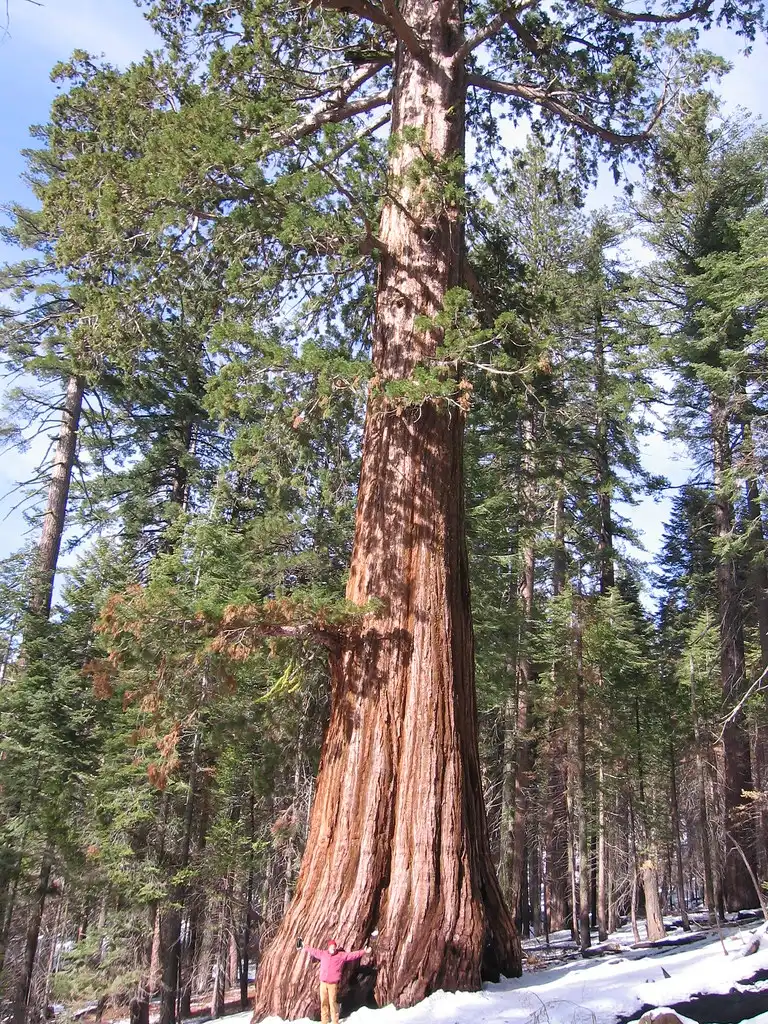
Phonetic Spelling:se-KWOY-a-DEN-dron ji-GAN-te-um
Genus:Sequoiadendron
Species:giaganteum
Family:Cupressaceae
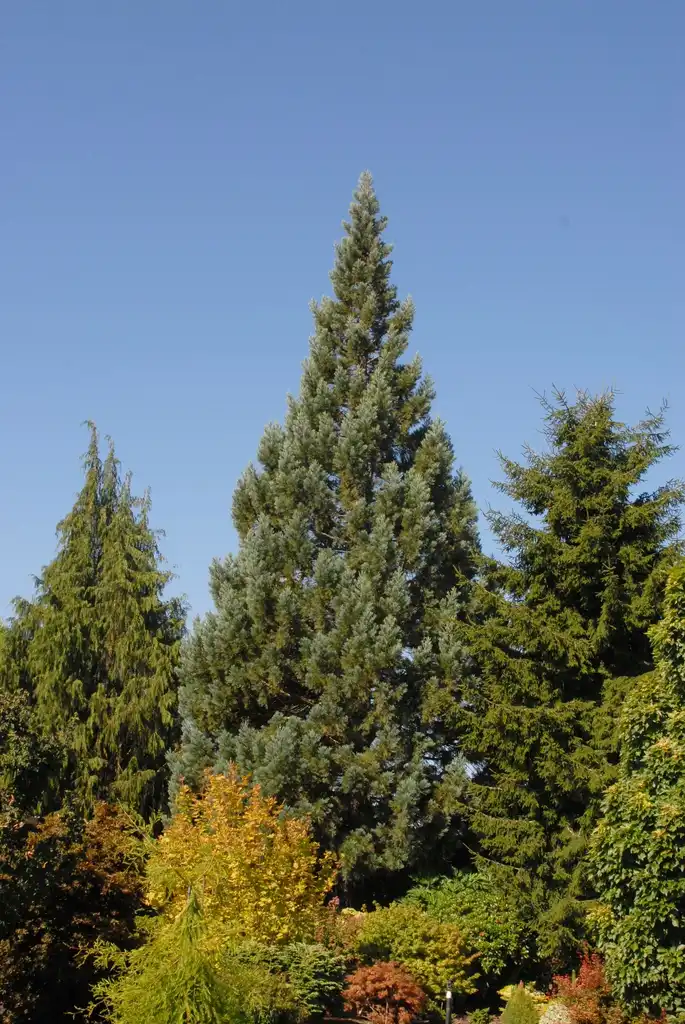
This impressive tree species can reach heights of 250 to 300 feet in its natural environment, making it one of the largest trees on the planet. Its trunk can measure between 15 and 20 feet in diameter. Known for their longevity, these trees can live for 2,000 to 3,000 years and are primarily found on the western slopes of California's Sierra Nevada Mountains. When cultivated outside their native climate, they can still thrive, but their height is typically limited to 40 to 60 feet.
In their youth, these trees exhibit a pyramidal form, which they maintain as they mature, although they tend to shed their lower branches over time. They thrive best in cool, moist environments with a steady supply of water and prefer sandy loam soil that maintains a consistent temperature. However, they are sensitive to extreme climate fluctuations and do not fare well in clay soils.
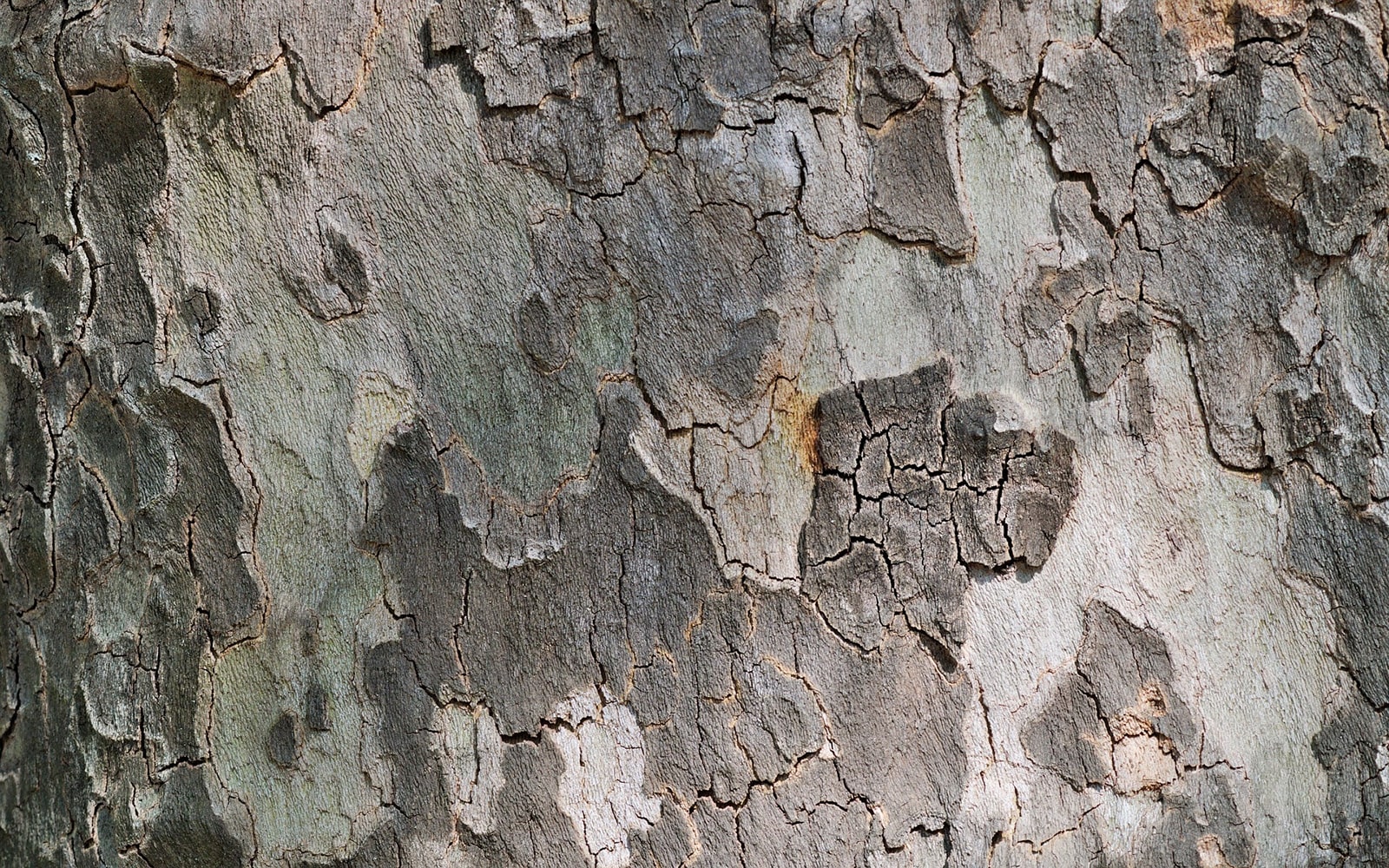
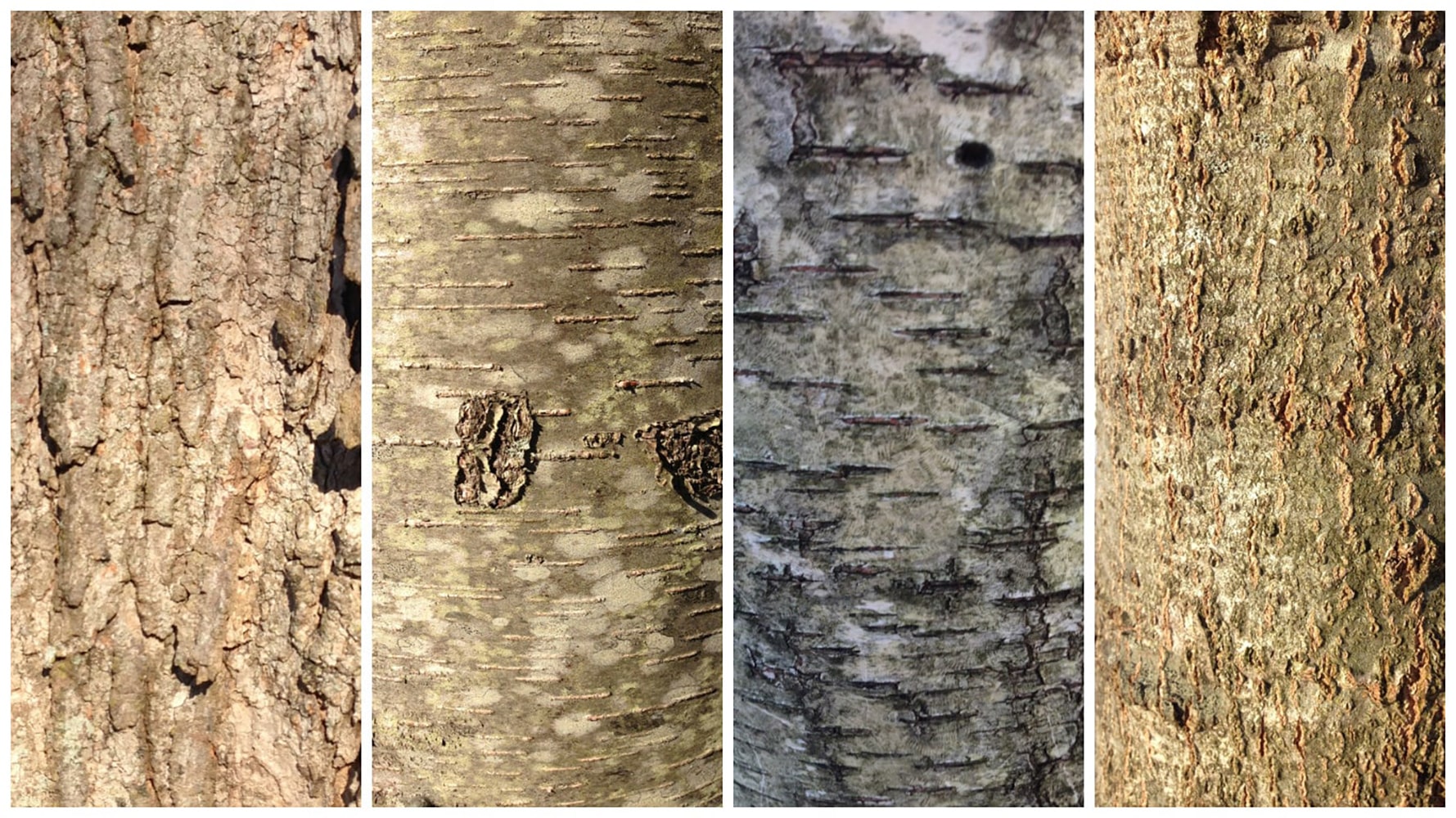
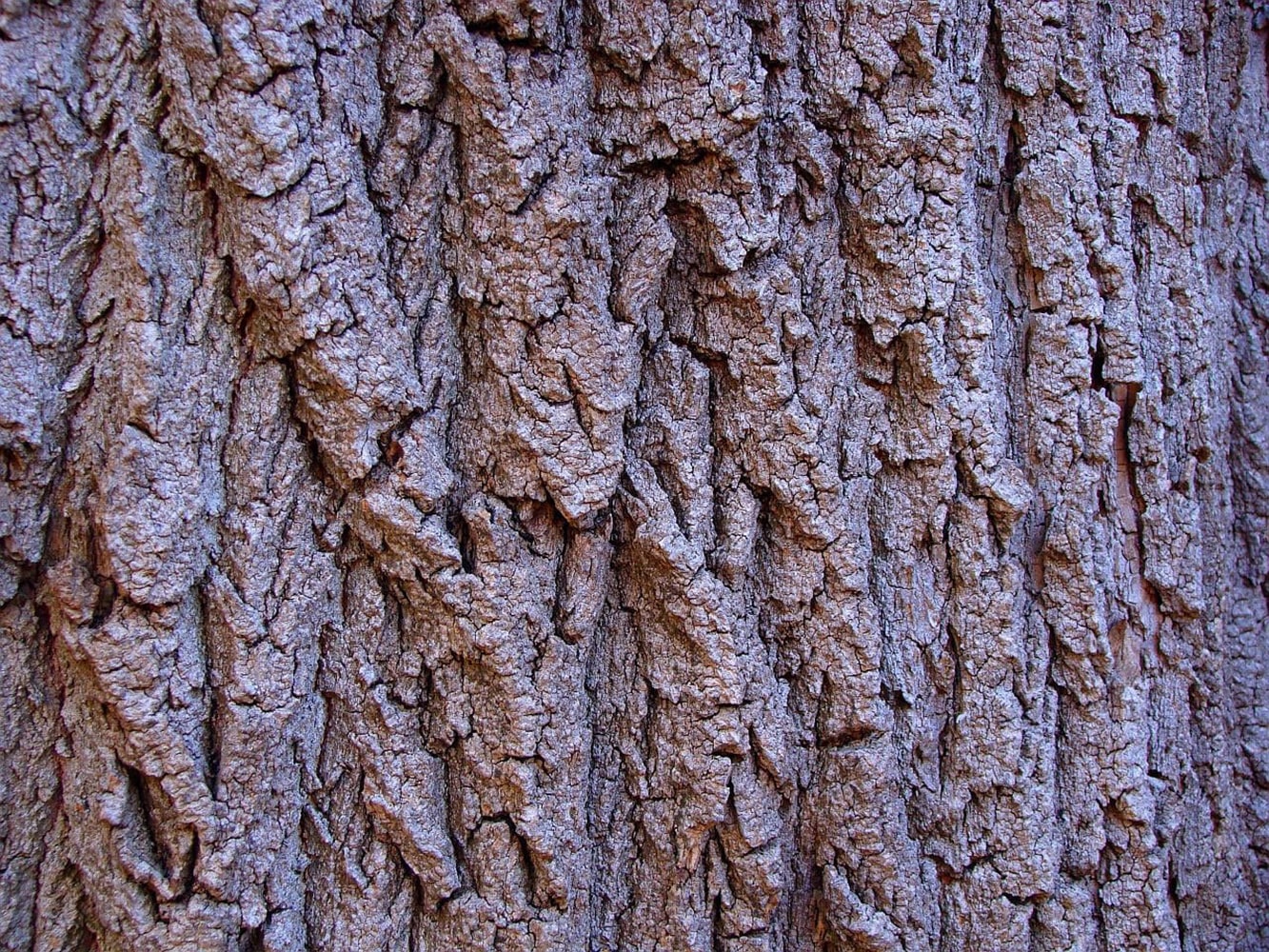
The bark of these trees is characterized by a reddish-brown hue, with a spongy, ridged, and furrowed texture reminiscent of cork.
These remarkable giants are safeguarded within national parks such as Yosemite, Sequoia, and Kings Canyon.
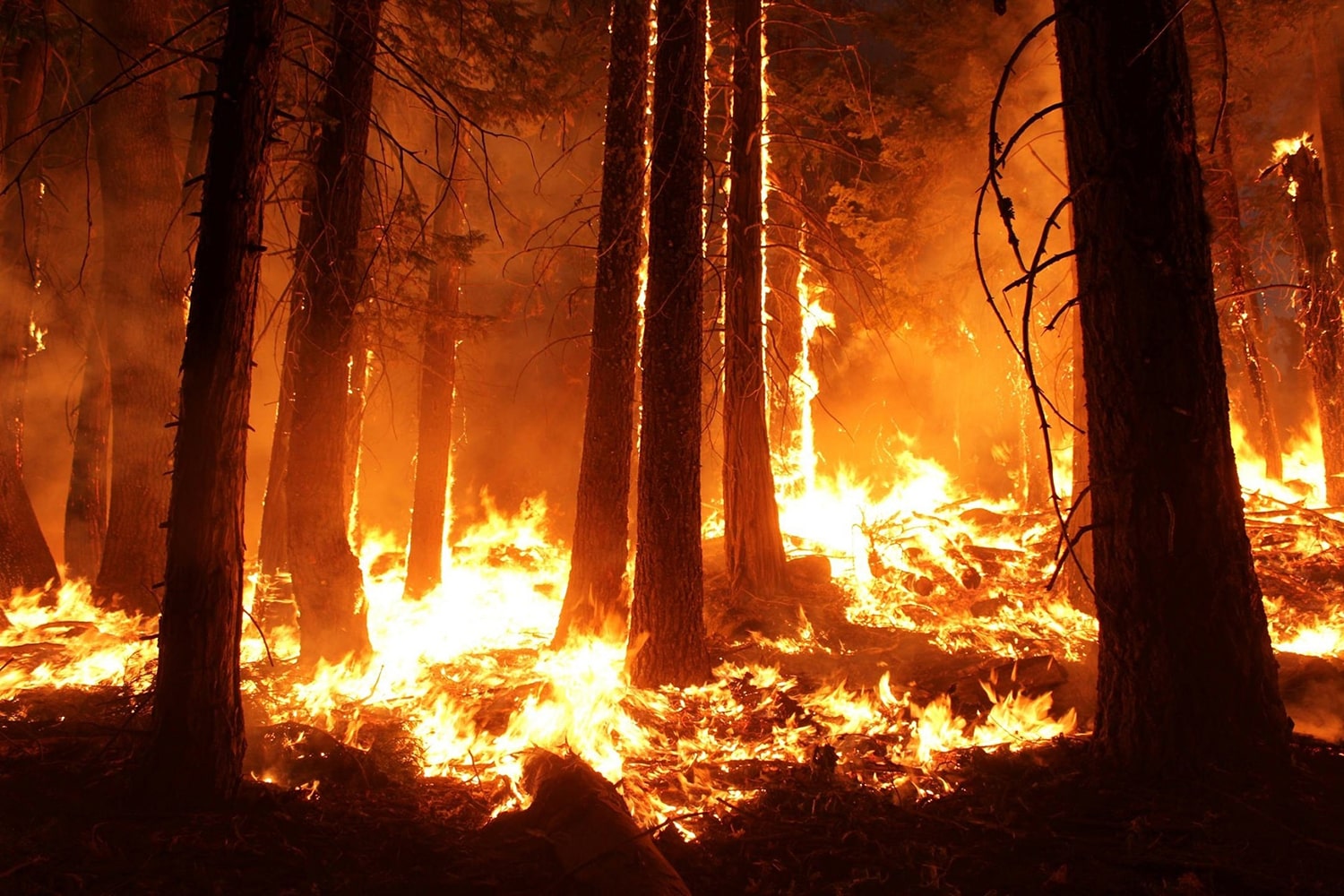
While seedlings and young saplings are particularly vulnerable to forest fires, mature trees benefit from rapid growth, fire-resistant bark, elevated canopies, and self-pruning lower branches, significantly reducing their risk of fire damage.
In terms of health, they may experience minor issues such as dieback, blight, and butt rot.
Sequoiadendron giganteum Feature Summary
Sequoiadendron giganteum Image Gallery