Plant Profile: Shepherdia argentea

Taxonomy: Shepherdia argentea

Names

Silver Buffaloberry

  • Photo of Shepherdia argentea (Shepherdia argenteas)

Phonetic Spelling:shep-HER-dee-uh ar-JEN-tee-uh

Genus:Shepherdia

Species:argentea

Family:Elaeagnaceae

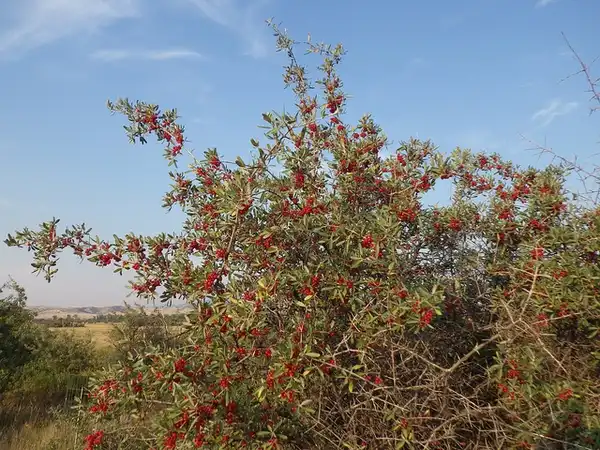
Silver Buffaloberry is a deciduous shrub characterized by the presence of male and female flowers on separate plants. The female plants require pollination from a male in order to produce fruit. Despite its name suggesting it yields berries, the fruits are actually classified as stone fruits, similar to peaches and plums, as they contain a fleshy pulp surrounding a hard pit.

These fruits are not only favored by birds but are also suitable for human consumption. They can be enjoyed fresh or transformed into jams, jellies, and pies, although they tend to have a tart flavor when eaten raw.

One of the striking aspects of the Silver Buffaloberry is its silvery, scaled branches and leaves, complemented by its vibrant red fruits.

This shrub typically thrives in floodplains, wet meadows, and along the banks of streams, rivers, and lakes, often forming dense thickets in woodland areas.

In terms of pests and diseases, while deer may occasionally damage the branches and leaves, there are no significant insect or disease threats. However, minor issues such as powdery mildew, rust, and leaf spot can occur.

Shepherdia argentea Feature Summary

Shepherdia argentea Image Gallery

Tags

#deciduous
#drought tolerant
#shrub
#erosion control
#salt spray tolerant
#wind tolerant
#poor soils tolerant

Similar Plants

Shepherdia argentea Feature Summary

Attributes
Western US and Canada
Birds eat the fruits.
The fruits are edible, however, they may be sour when eaten raw.
Wildlife Food Source
Attracts Pollinators
Screening
Fruit
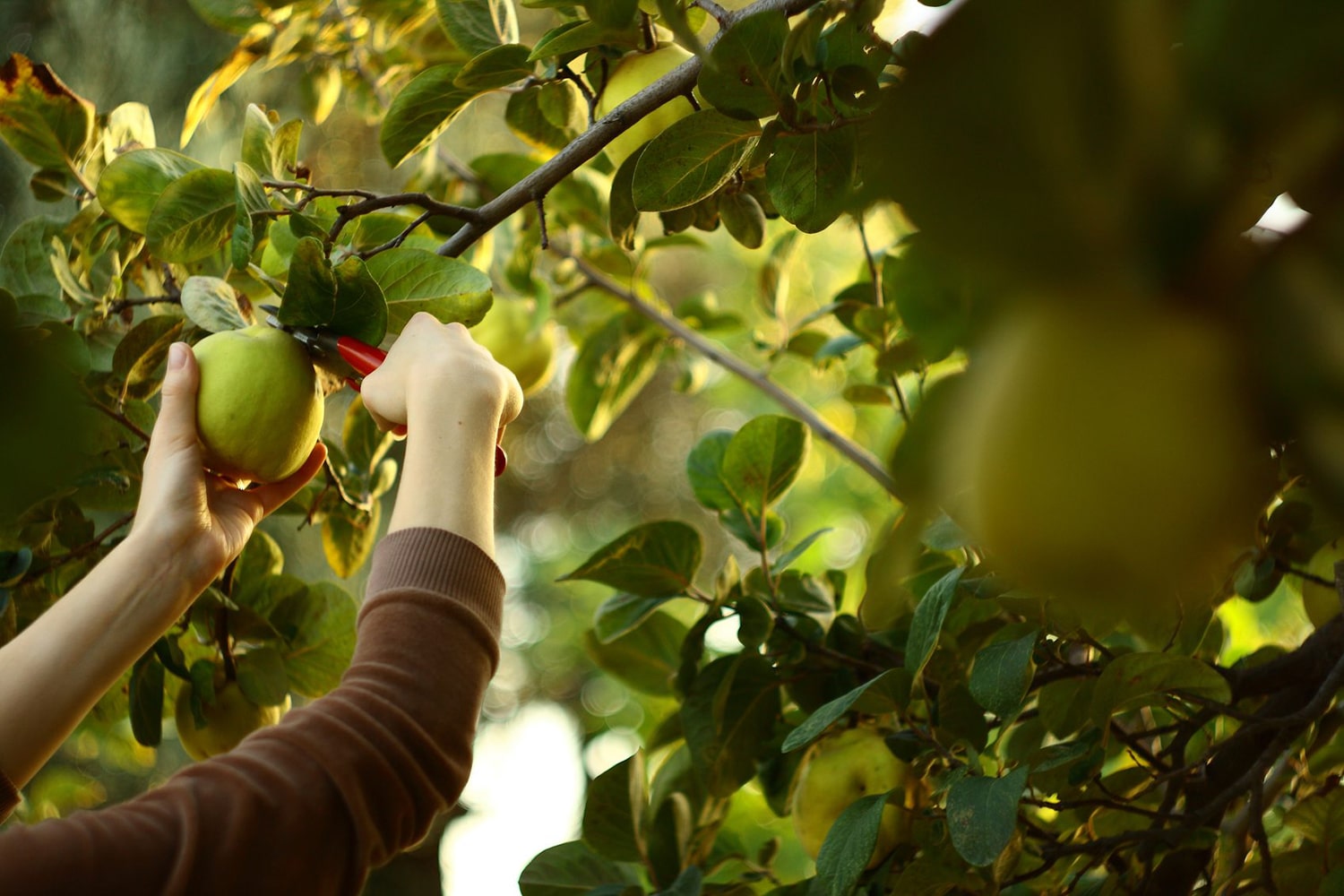
Beautiful bright-red fruits form on the female plant.
Red/Burgundy
Flowers
White flowers in spring; edible red berries with silvery scales
White
Gold/Yellow
Leaves
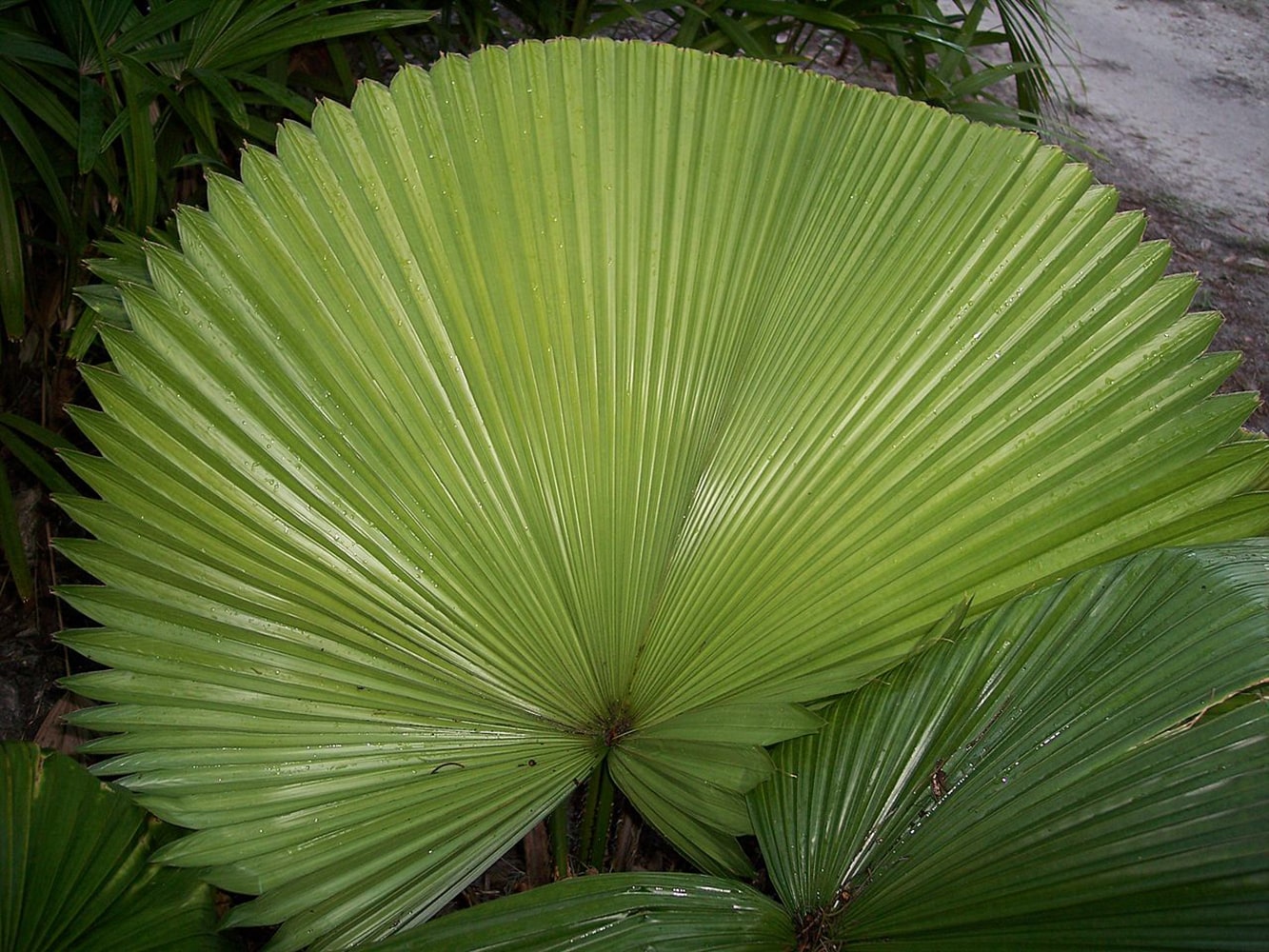
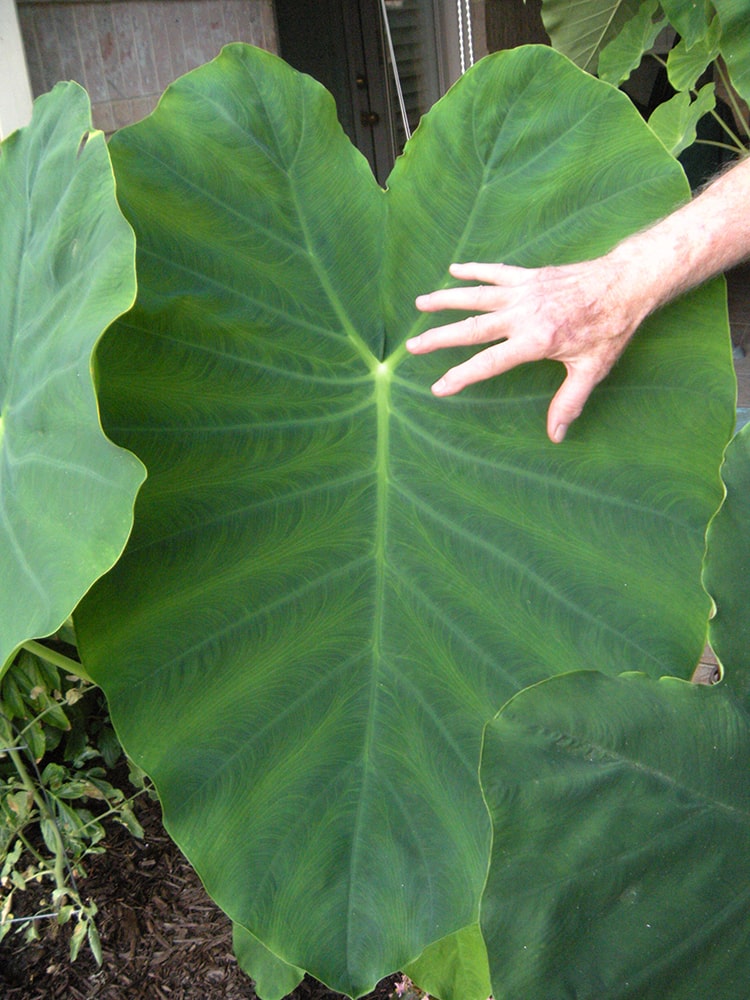
The 1-2" leaves have silver scales on both sides.
Gray/Silver
Elliptical
1-3 inches
< 1 inch
Bark
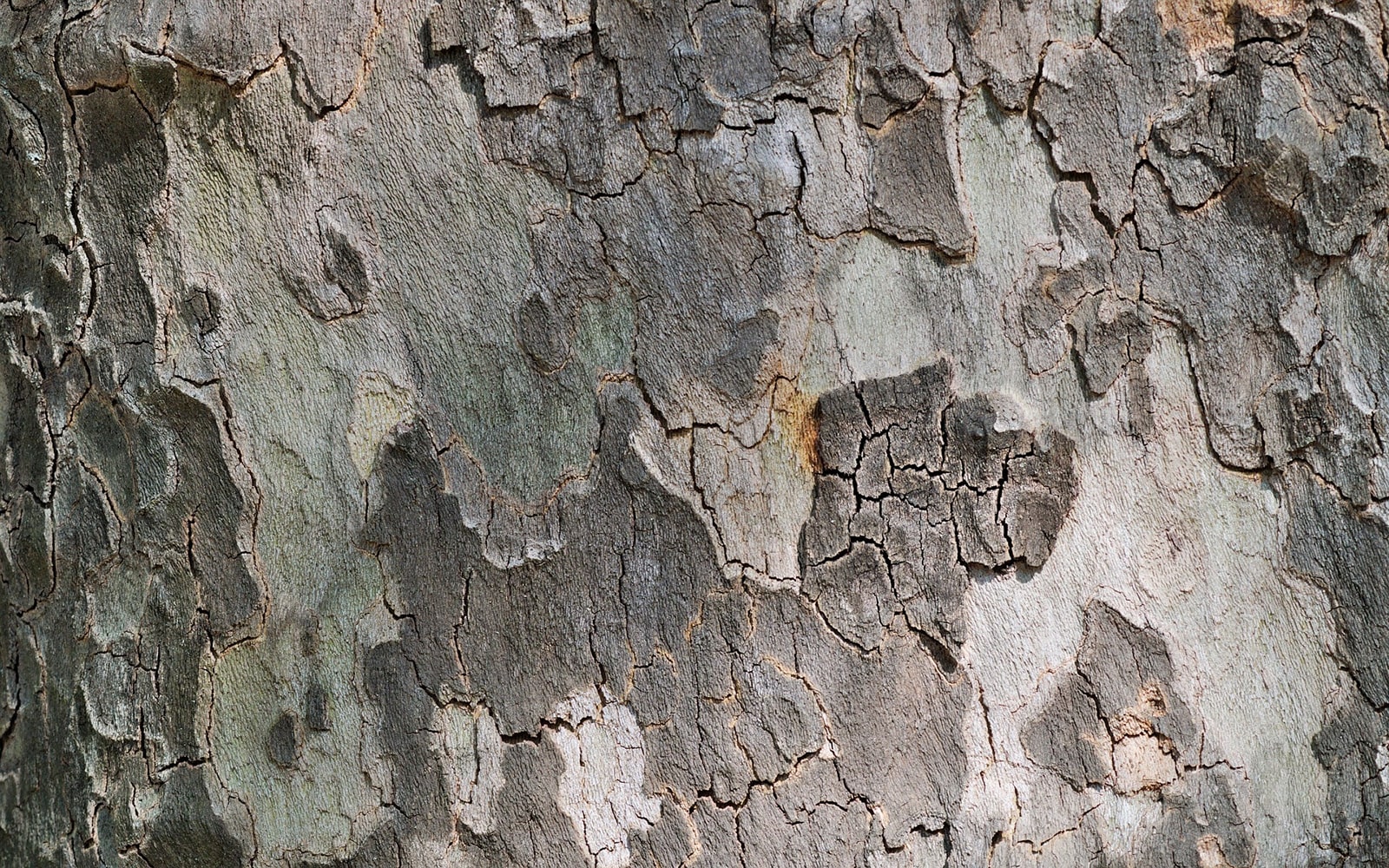
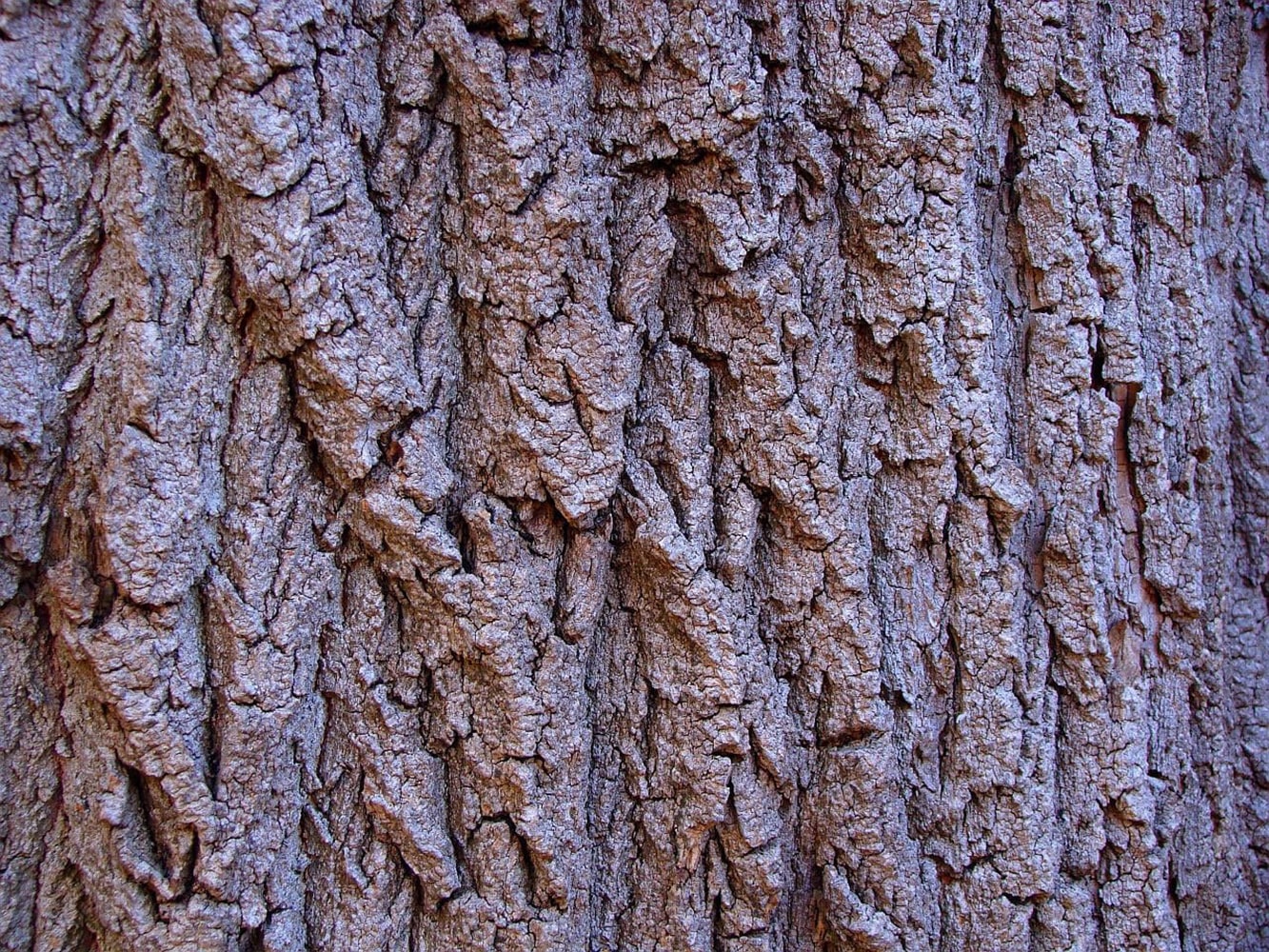
The thin bark will appear on mature branches. The branches have spines on the tips.
Whole Plant Traits
Cultural Conditions
Full sun (6 or more hours of direct sunlight a day)
Partial Shade (Direct sunlight only part of the day, 2-6 hours)
Alkaline (>8.0)
Good Drainage
Occasionally Dry
12-24 feet
6-feet-12 feet
Coastal
Mountains
Piedmont
4a
4b
5b
5a
6a
6b
7a
7b
8b
8a
3a
3b
9a
9b
Landscape

Shepherdia argentea Attributes

Shepherdia argentea: Country Or Region Of Origin

Western US and Canada
Shepherdia argentea: Wildlife Value

Birds eat the fruits.

Shepherdia argentea: Edibility

The fruits are edible, however, they may be sour when eaten raw.

Shepherdia argentea: Play Value

Attractive Flowers
Attracts Pollinators
Buffer
Colorful
Defines Paths
Easy to Grow
Edible fruit
Fragrance
Pieces Used in Games
Screening
Shade
Sound
Textural
Wildlife Cover/Habitat
Wildlife Food Source
Wildlife Larval Host
Wildlife Nesting
Wind Break
Wind Shimmer

Shepherdia argentea Fruit

Shepherdia argentea: Fruit Description

Beautiful bright-red fruits form on the female plant.

Shepherdia argentea: Fruit Color

grass
Red/Burgundy

Shepherdia argentea: Display/Harvest Time

Fall
Spring
Summer
Winter

Shepherdia argentea Flowers

Shepherdia argentea: Flower Description

White flowers in spring; edible red berries with silvery scales

Shepherdia argentea: Flower Color

filter_vintage
Gold/Yellow
filter_vintage
White

Shepherdia argentea: Flower Value To Gardener

Edible
Fragrant
Good Cut
Good Dried
Long Bloom Season
Long-lasting
Showy

Shepherdia argentea: Flower Bloom Time

Winter
Spring
Summer
Fall

Shepherdia argentea: Flower Shape

Bell
Cross
Crown
Cup
Dome
Funnel
Irregular
Lipped
Radial
Saucer
Star
Trumpet
Tubular
Urn
Wheel

Shepherdia argentea Leaves

Shepherdia argentea: Leaf Description

The 1-2" leaves have silver scales on both sides.

Shepherdia argentea: Woody Plant Leaf Characteristics

Broadleaf Evergreen
Deciduous
Needled Evergreen
Semi-evergreen

Shepherdia argentea: Leaf Color

spa
Gray/Silver

Shepherdia argentea: Leaf Arrangement

Alternate
Opposite
Other/more complex
Rosulate
Whorled

Shepherdia argentea: Leaf Shape

Acicular
Auriculate
Cordate
Cuneate
Deltoid
Elliptical
Filiform
Lanceolate
Linear
Oblanceolate
Oblong
Obovate
Obtuse
Orbicular
Ovate
Palmasect
Palmatifid
Peltate
Pinnatifid
Pinnatisect
Reniform
Rhomboidal
Spatulate
Subcordate
Subulate

Shepherdia argentea: Leaf Margin

Crenate
Crenulate
Dentate
Denticulate
Doubly Crenate
Doubly Dentate
Doubly Serrate
Entire
Lobed
Serrate
Sinuate
Undulate

Shepherdia argentea: Hairs Present

No
Yes

Shepherdia argentea: Leaf Length

< 1 inch
1-3 inches
3-6 inches
> 6 inches

Shepherdia argentea: Leaf Width

< 1 inch
1-3 inches
3-6 inches
> 6 inches

Shepherdia argentea Bark

Shepherdia argentea: Bark Description

The thin bark will appear on mature branches. The branches have spines on the tips.

Shepherdia argentea: Surface/Attachment

Bumpy
Exfoliating
Fissured
Furrowed
Lenticels
Papery
Patchy
Peeling
Ridges
Scaly
Shaggy
Shiny
Shredding
Smooth
Spongy

Shepherdia argentea Stem

Shepherdia argentea: Stem Description

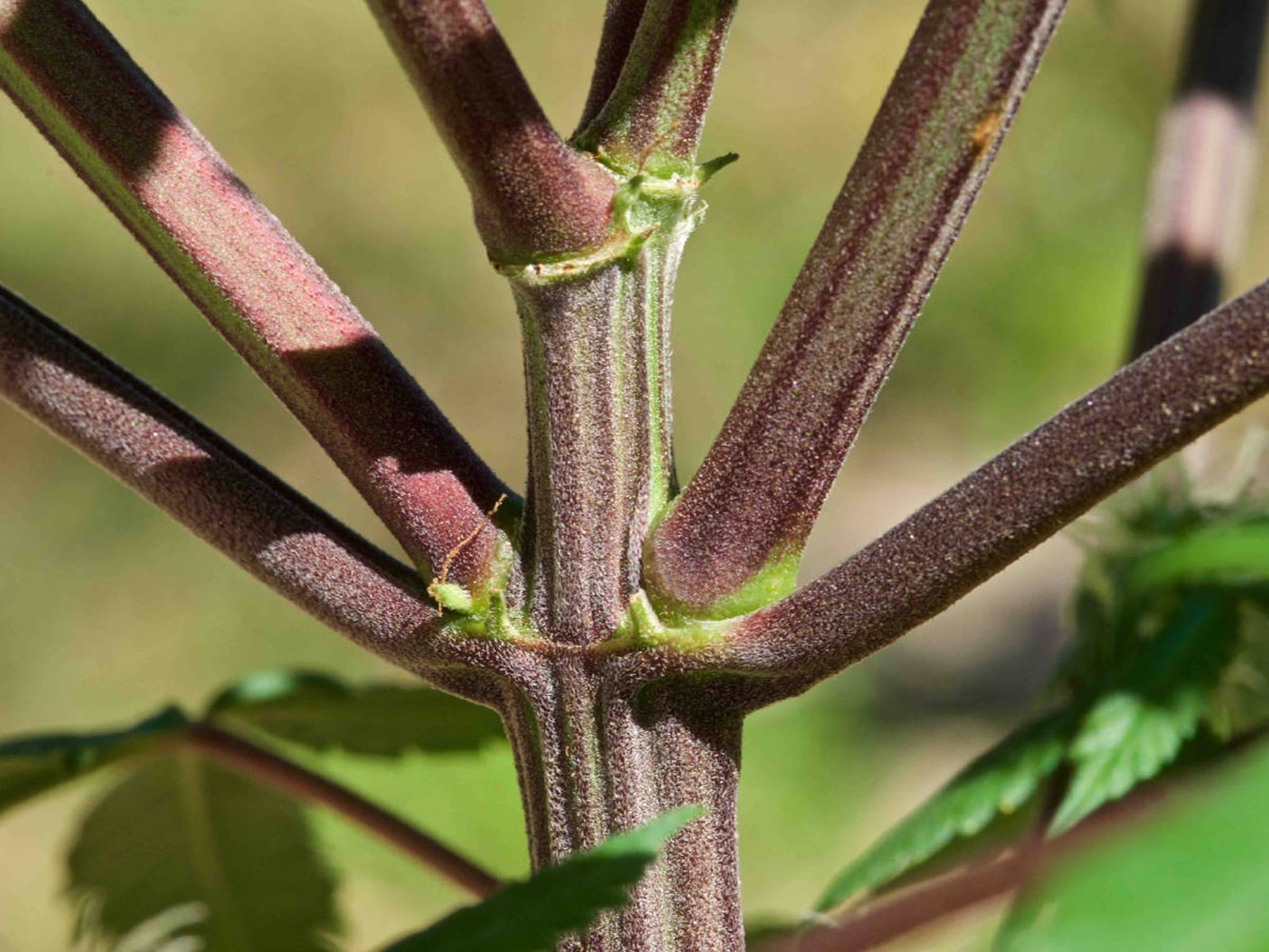
thorns on stems

Shepherdia argentea: Stem Is Aromatic

No
Yes

Shepherdia argentea Whole Plant Traits

Shepherdia argentea: Plant Type

Annual
Bulb
Carnivorous
Edible
Epiphyte
Fern
Ground Cover
Herb
Herbaceous Perennial
Houseplant
Mushroom
Native Plant
Ornamental Grasses and Sedges
Perennial
Poisonous
Rose
Shrub
Succulent
Tree
Turfgrass
Vegetable
Vine
Water Plant
Weed
Wildflower

Shepherdia argentea: Woody Plant Leaf Characteristics

Broadleaf Evergreen
Deciduous
Needled Evergreen
Semi-evergreen

Shepherdia argentea: Habit/Form

Arching
Ascending
Broad
Cascading
Climbing
Clumping
Columnar
Conical
Creeping
Dense
Erect
Horizontal
Irregular
Mounding
Multi-stemmed
Multi-trunked
Open
Oval
Prostrate
Pyramidal
Rounded
Spreading
Vase
Weeping

Shepherdia argentea: Maintenance

Low
Medium
High

Shepherdia argentea: Appendage

Prickles
Spines
Tendrils
Thorns

Shepherdia argentea Cultural Conditions

Shepherdia argentea: Light

Dappled Sunlight (Shade through upper canopy all day)
Deep shade (Less than 2 hours to no direct sunlight)
Full sun (6 or more hours of direct sunlight a day)
Partial Shade (Direct sunlight only part of the day, 2-6 hours)

Shepherdia argentea: Soil pH

Acid (<6.0)
Alkaline (>8.0)
Neutral (6.0-8.0)

Shepherdia argentea: Soil Drainage

Frequent Standing Water
Good Drainage
Moist
Occasional Flooding
Occasionally Dry
Occasionally Wet
Very Dry

Shepherdia argentea: Available Space To Plant

12 inches-3 feet
12-24 feet
24-60 feet
3 feet-6 feet
6-feet-12 feet
Less than 12 inches
more than 60 feet

Shepherdia argentea: NC Region

Coastal
Mountains
Piedmont

Shepherdia argentea: USDA Plant Hardiness Zone

thermostat
3a
thermostat
3b
thermostat
4a
thermostat
4b
thermostat
5a
thermostat
5b
thermostat
6a
thermostat
6b
thermostat
7a
thermostat
7b
thermostat
8a
thermostat
8b
thermostat
9a
thermostat
9b

Shepherdia argentea Landscape

Shepherdia argentea: Design Feature

Accent
Barrier
Border
Flowering Tree
Foundation Planting
Hedge
Mass Planting
Screen/Privacy
Security
Shade Tree
Small groups
Small Tree
Specimen
Street Tree
Understory Tree