Plant Profile: Sorghum bicolor

Taxonomy: Sorghum bicolor

Names

Common Wild Sorghum, Grain Sorghum, Great Millet, Sorghum, Sudangrass

  • Photo of Sorghum bicolor (Sorghum bicolors)

Phonetic Spelling:

Genus:Sorghum

Species:bicolor

Family:Poaceae

Sorghum, a type of grass belonging to the Poaceae family, originates from Africa. This versatile crop is cultivated globally, renowned for its resilience in drought-prone and less fertile soils. Nevertheless, it thrives best in rich, well-drained, and moist environments.

Sorghum bicolor Feature Summary
Sorghum bicolor Image Gallery

Tags

#drought tolerant
#edible plant
#weedy
#fast growing
#wind pollinated
#bird friendly
#food source hard mast fruit

Similar Plants

Sorghum bicolor Feature Summary

Attributes
The grain can be used to make ethanol.
Birds and small mamals are attracted to the seeds.
A grain that is used for human and livestock. It can be cooked like rice. It can also be ground into a flour.
Fruit
Edible seeds ripen from September-October and vary in color from white through shades of red and brown to pale yellow to deep purple-brown.
Gold/Yellow
Flowers
Wind pollinated flowers appear from August to October
Whole Plant Traits
Annual
Edible
Ornamental Grasses and Sedges
Vegetable
Cultural Conditions
Full sun (6 or more hours of direct sunlight a day)
Moist
Occasionally Dry
Very Dry
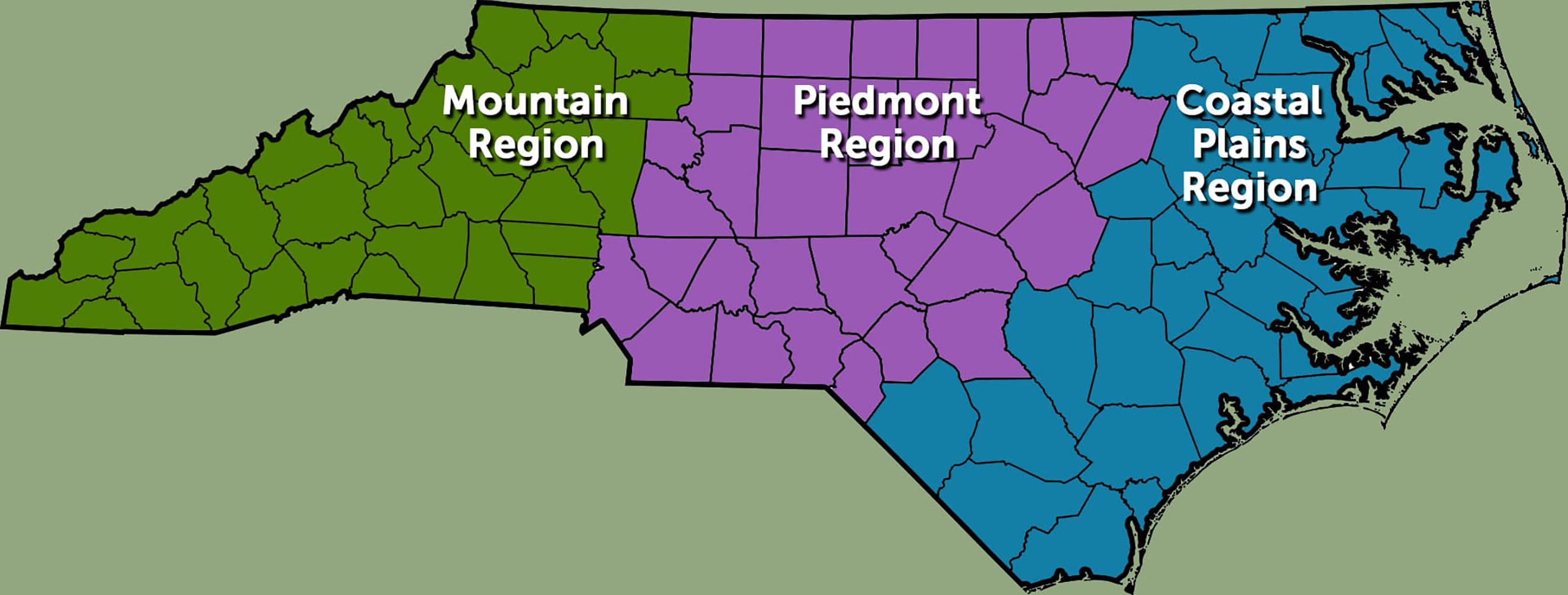
Coastal
Mountains
Piedmont
Landscape

Sorghum bicolor Attributes

Sorghum bicolor: Uses (Ethnobotany)

The grain can be used to make ethanol.

Sorghum bicolor: Country Or Region Of Origin

Africa

Sorghum bicolor: Wildlife Value

Birds and small mamals are attracted to the seeds.

Sorghum bicolor: Edibility

A grain that is used for human and livestock. It can be cooked like rice. It can also be ground into a flour.

Sorghum bicolor: Life Cycle

Annual
Biennial
Bulb
Perennial
Woody

Sorghum bicolor Fruit

Sorghum bicolor: Fruit Description

Edible seeds ripen from September-October and vary in color from white through shades of red and brown to pale yellow to deep purple-brown.

Sorghum bicolor: Fruit Color

grass
Gold/Yellow

Sorghum bicolor Flowers

Sorghum bicolor: Flower Description

Wind pollinated flowers appear from August to October

Sorghum bicolor: Flower Inflorescence

Catkin
Corymb
Cyme
Head
Insignificant
Panicle
Raceme
Solitary
Spadix
Spike
Umbel

Sorghum bicolor: Flower Bloom Time

Winter
Spring
Summer
Fall

Sorghum bicolor Whole Plant Traits

Sorghum bicolor: Plant Type

Annual
Bulb
Carnivorous
Edible
Epiphyte
Fern
Ground Cover
Herb
Herbaceous Perennial
Houseplant
Mushroom
Native Plant
Ornamental Grasses and Sedges
Perennial
Poisonous
Rose
Shrub
Succulent
Tree
Turfgrass
Vegetable
Vine
Water Plant
Weed
Wildflower

Sorghum bicolor: Growth Rate

Slow
Medium
Rapid

Sorghum bicolor: Maintenance

Low
Medium
High

Sorghum bicolor Cultural Conditions

Sorghum bicolor: Light

Dappled Sunlight (Shade through upper canopy all day)
Deep shade (Less than 2 hours to no direct sunlight)
Full sun (6 or more hours of direct sunlight a day)
Partial Shade (Direct sunlight only part of the day, 2-6 hours)

Sorghum bicolor: Soil Drainage

Frequent Standing Water
Good Drainage
Moist
Occasional Flooding
Occasionally Dry
Occasionally Wet
Very Dry

Sorghum bicolor: NC Region

Coastal
Mountains
Piedmont

Sorghum bicolor Leaves

Sorghum bicolor: Hairs Present

No
Yes

Sorghum bicolor Stem

Sorghum bicolor: Stem Is Aromatic

No
Yes

Sorghum bicolor Landscape

Sorghum bicolor: Resistance To Challenges

Black Walnut
Compaction
Deer
Diseases
Drought
Dry Soil
Erosion
Fire
Foot Traffic
Heat
Heavy Shade
Humidity
Insect Pests
Pollution
Poor Soil
Rabbits
Salt
Slugs
Squirrels
Storm damage
Urban Conditions
Voles
Wet Soil
Wind

Sorghum bicolor: Attracts

Bats
Bees
Butterflies
Frogs
Hummingbirds
Moths
Pollinators
Predatory Insects
Reptiles
Small Mammals
Songbirds
Specialized Bees

Sorghum bicolor: Problems

Allelopathic
Contact Dermatitis
Frequent Disease Problems
Frequent Insect Problems
Invasive Species
Malodorous
Messy
Poisonous to Humans
Problem for Cats
Problem for Children
Problem for Dogs
Problem for Horses
Short-lived
Spines/Thorns
Weak Wood
Weedy