Spartina bakeri: Country Or Region Of Origin
Southeastern United States
Phonetic Spelling:SPAR-tin-ah bay-KAIR-eye
Genus:Spartina
Species:bakeri
Family:Poaceae
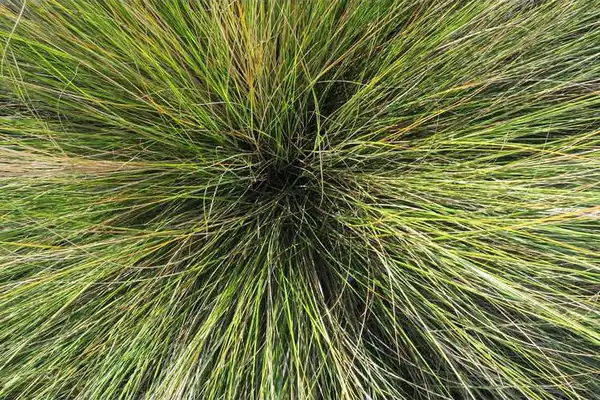
Spartina bakeri, commonly referred to as Marsh Grass, is a robust, perennial grass indigenous to the southeastern regions of the United States and Texas. It thrives along the Atlantic coastline and in freshwater environments within Florida. This species can develop dense clumps that extend up to 20 feet in width, with stems reaching heights of up to 4 feet. Its blooming period spans from spring through fall, predominantly inhabiting wetlands, though it can occasionally be found in drier areas. The grass features slender leaves that are light green underneath and darker on the surface. In winter, the foliage takes on a more brown hue compared to its summer appearance, which is a brownish-green. Marsh Grass flourishes in both aquatic and semi-aquatic settings, including beaches and ponds, and is notably resilient to salt. It serves as an effective erosion control measure and can withstand flooding. Additionally, it can be cultivated as an ornamental plant and propagates through rhizomes.
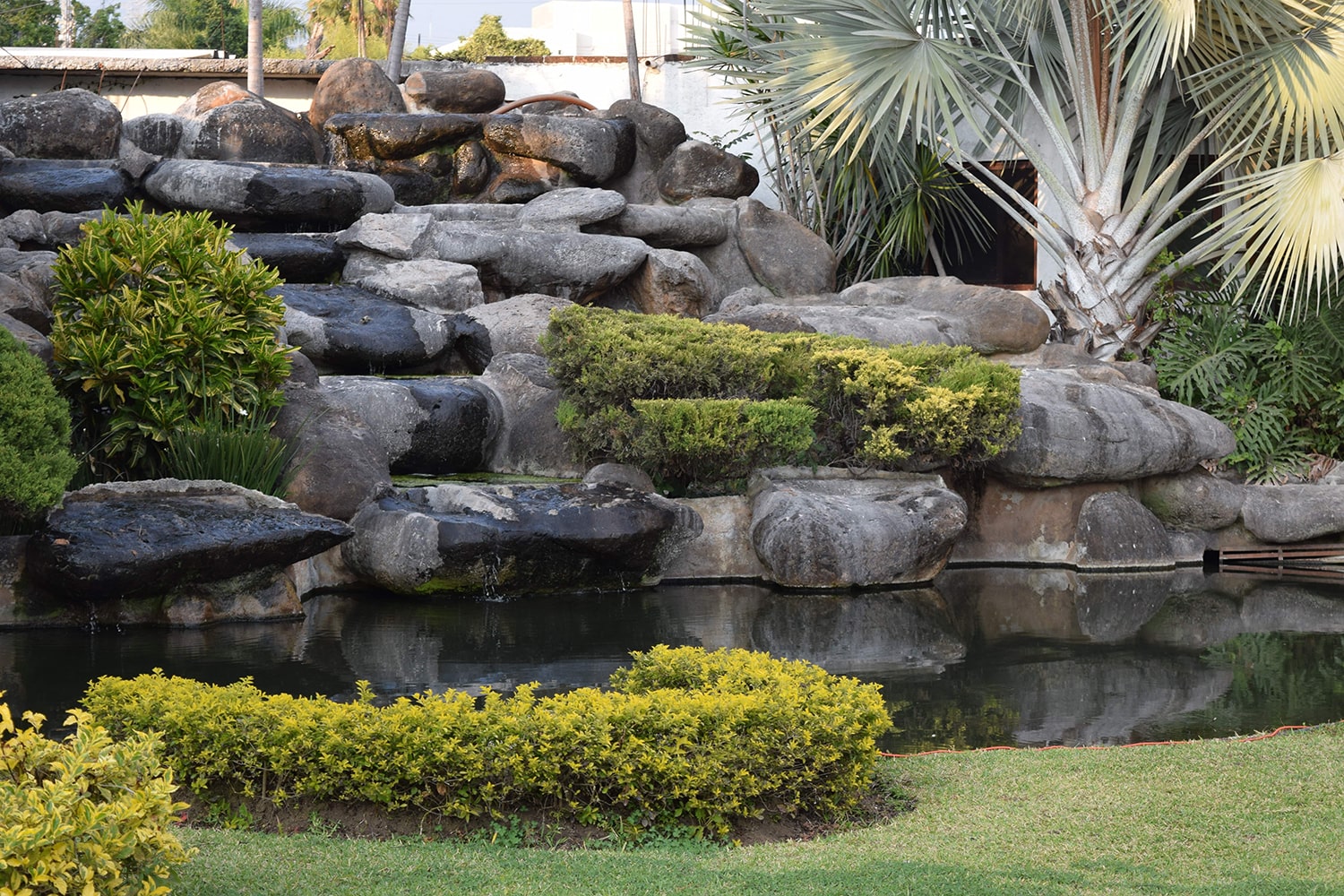
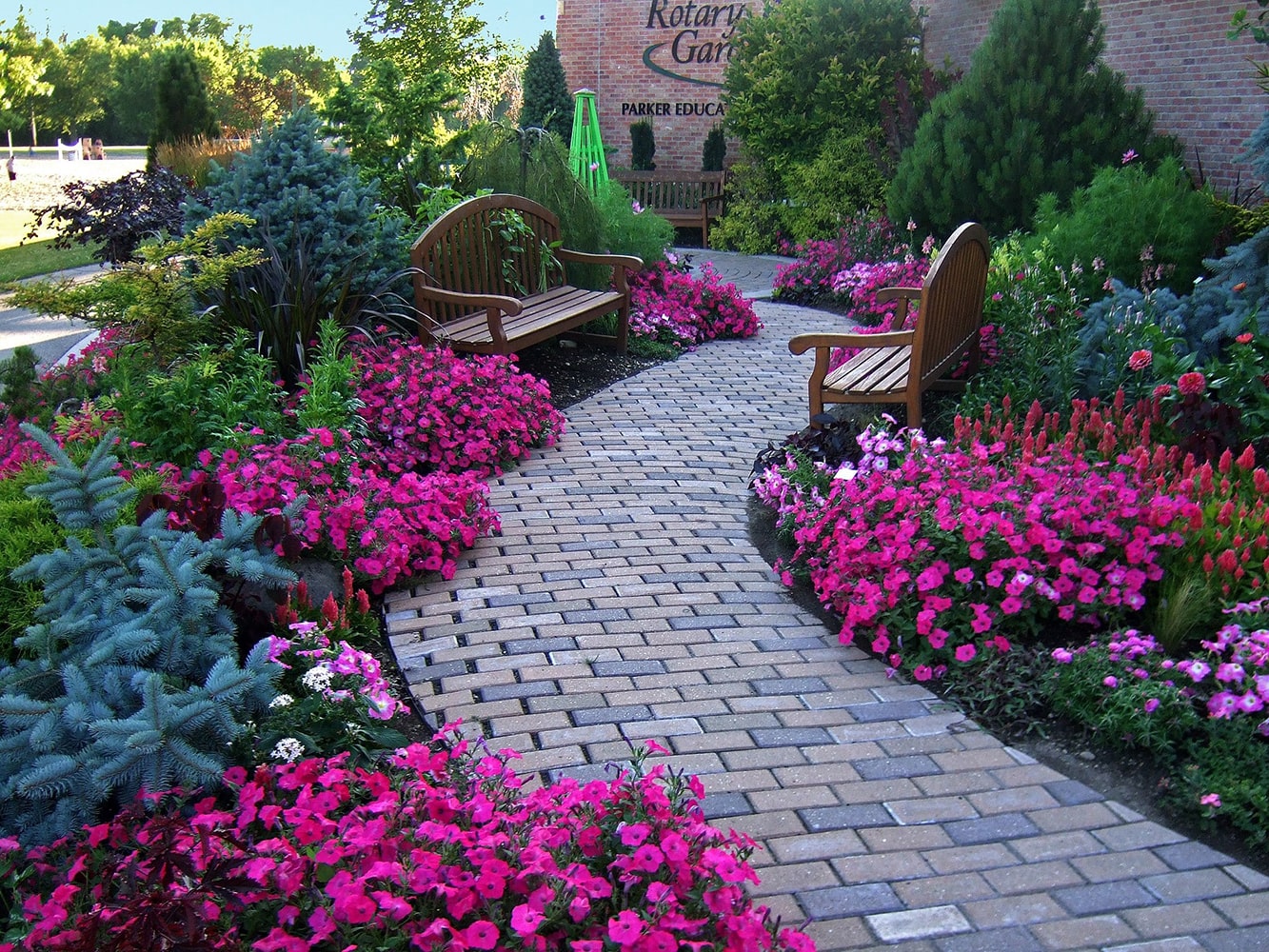
When used in landscaping, Marsh Grass makes an excellent accent or border and creates a stunning visual impact when planted in groups. For optimal growth, it is recommended to space the plants about 3 to 4 feet apart, allowing for a lush display of foliage in subsequent years. This native grass is particularly well-suited for the edges of ponds and streams, where it looks especially beautiful when illuminated by sunlight. Its ability to thrive in wet soil also makes it ideal for planting in water retention and detention areas.
In terms of pests and diseases, there are currently no known issues associated with this plant.
Spartina bakeri Feature Summary