Syringa reticulata subsp. pekinensis: Country Or Region Of Origin
North & Central China
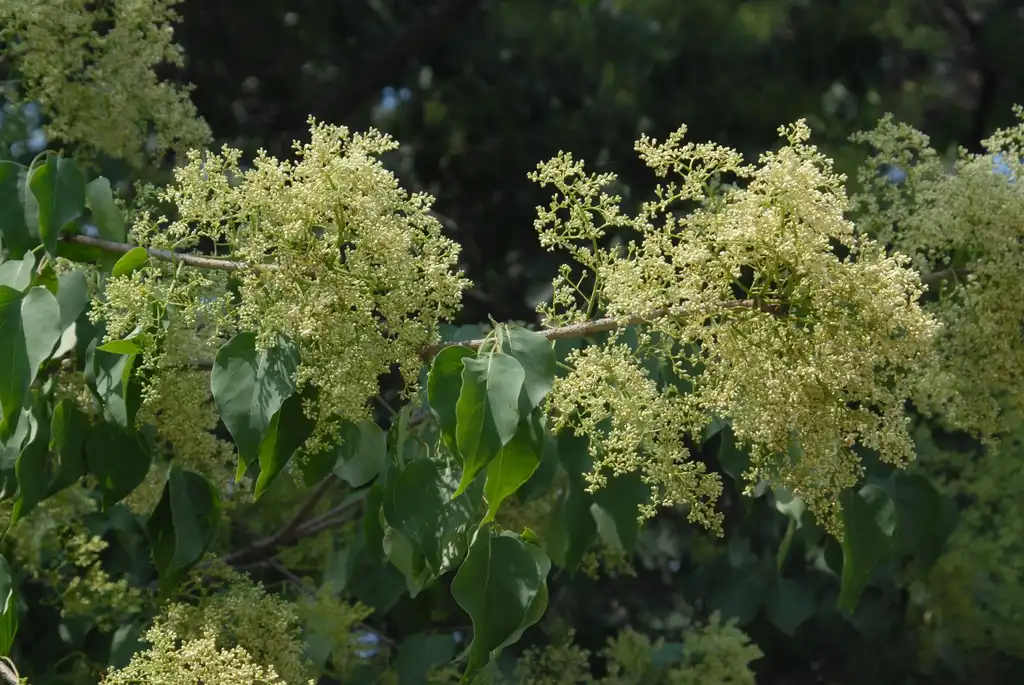
Phonetic Spelling:si-RING-gah reh-tick-yoo-LAY-tuh pee-keen-EN-sis
Genus:Syringa
Species:reticulata
Family:Oleaceae
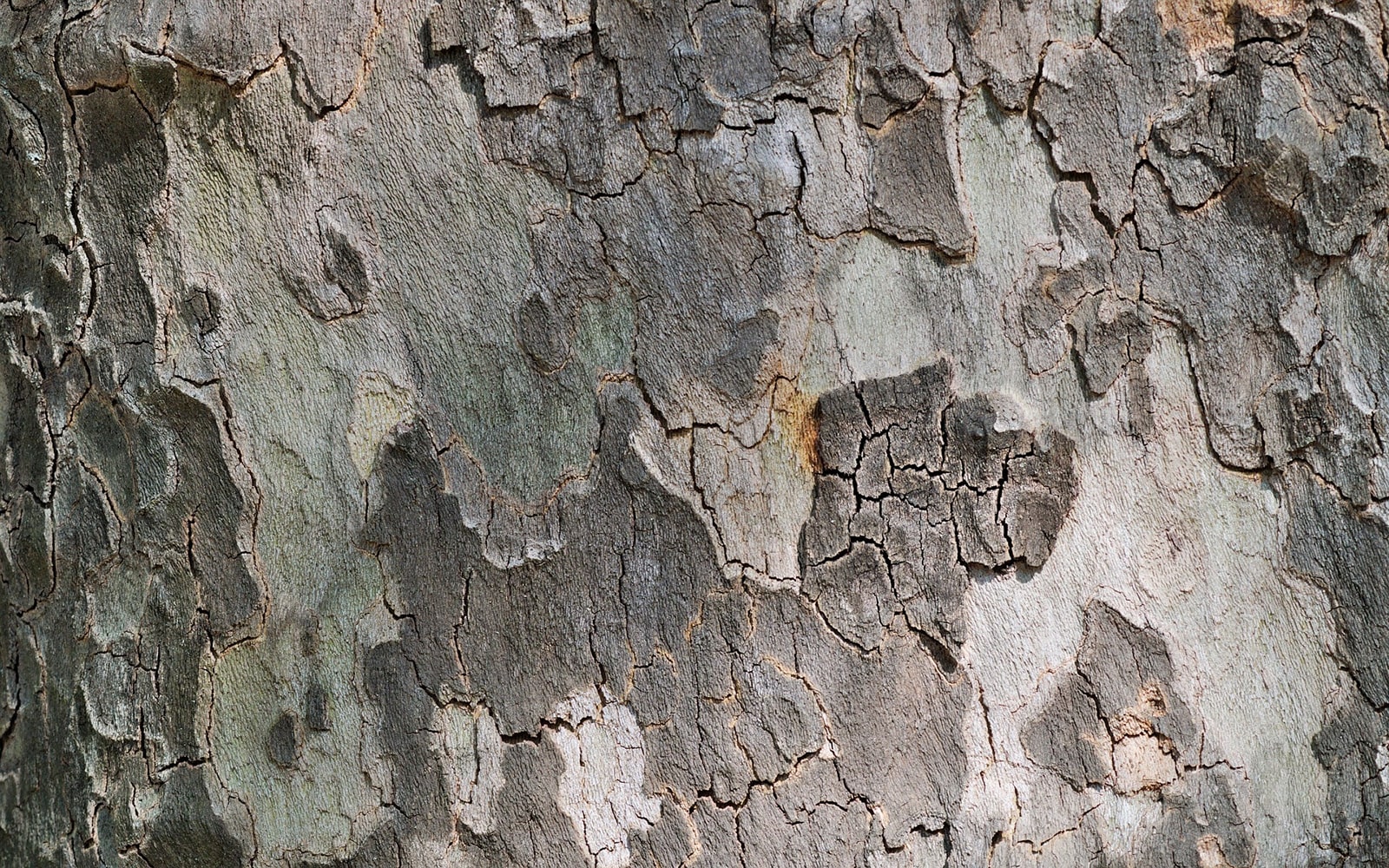
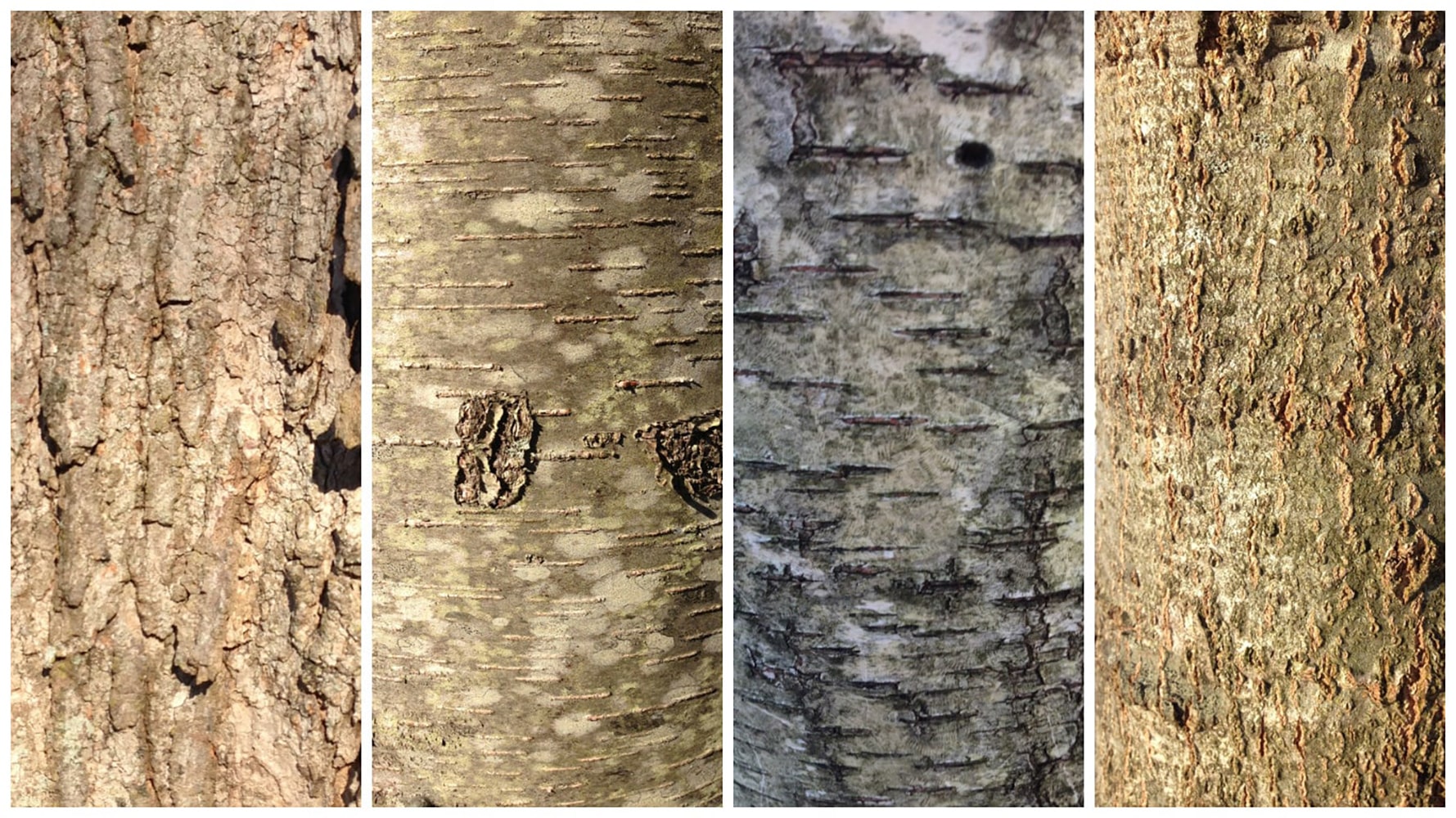
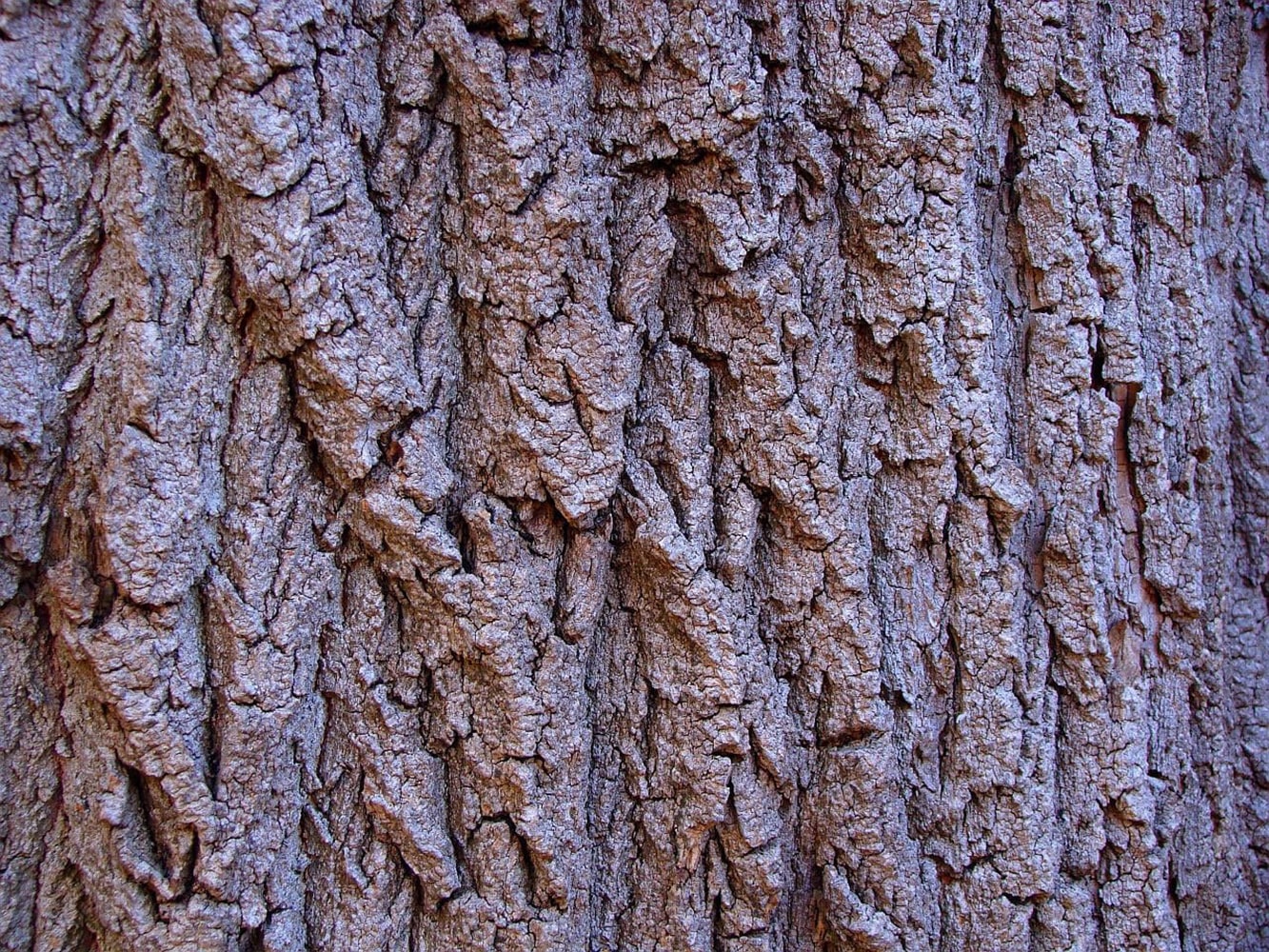
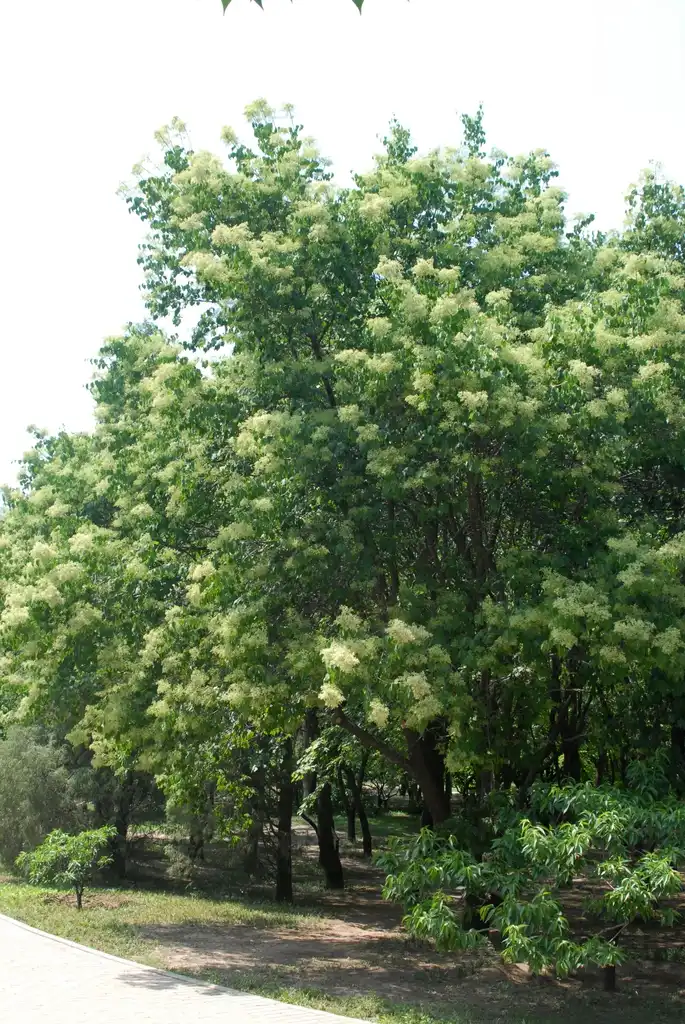
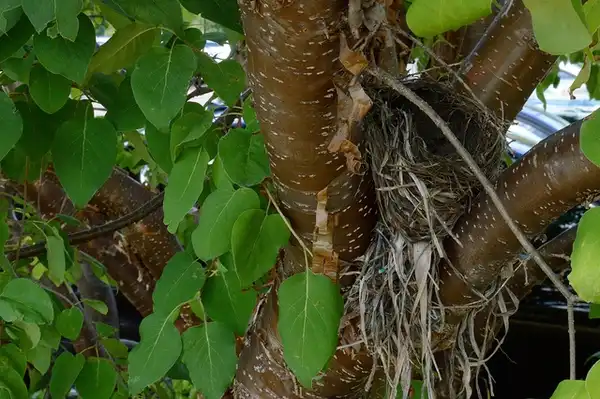
The Peking lilac stands apart from its close relative, the Japanese tree lilac (Syringa reticulata subsp. reticulata), due to its more delicate texture, characterized by smaller leaves and stems, as well as its diminutive flowers and variably colored bark that peels off in thin flakes or sheets. Additionally, it exhibits greater tolerance to heat, although it is less resilient to cold compared to the Japanese tree lilac. This plant typically blooms from late May through June and, like all lilacs, requires a period of cold dormancy to produce flowers.
In terms of growth habit, the Peking lilac has an upright, arching form that is loose and open. It thrives in well-drained soil that is slightly acidic to slightly alkaline and should be positioned in full sunlight to ensure optimal flowering and resistance to diseases. While it naturally develops multiple stems, it can be pruned regularly to encourage a single trunk by removing the lower branches that tend to droop.
Regarding pests and diseases, the Peking lilac shows minimal vulnerability to issues such as blights, leaf spots, wilts, and ring spot virus, though it may occasionally face challenges from caterpillars and leaf miners.
Syringa reticulata subsp. pekinensis Feature Summary
Syringa reticulata subsp. pekinensis Image Gallery