Tradescantia x andersoniana: Country Or Region Of Origin
North, Central and South America
Phonetic Spelling:trad-es-KAN-tee-uh an-der-soh-nee-ah
Genus:Tradescantia
Species:
Family:Commelinaceae
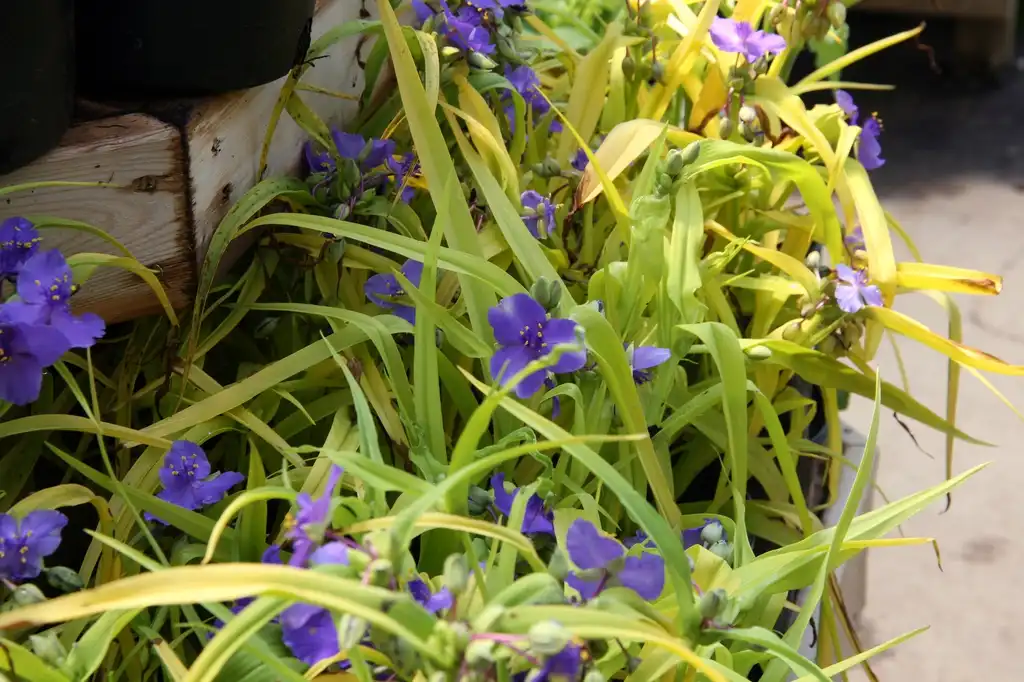
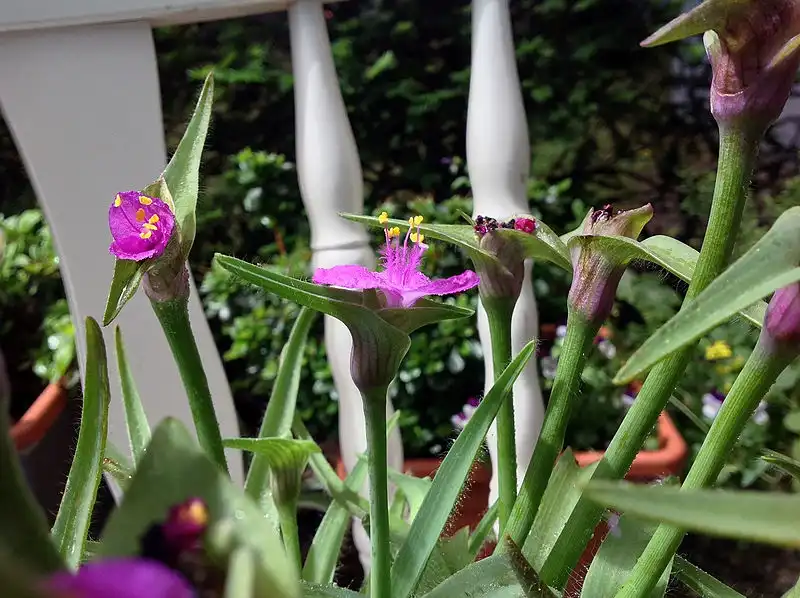
Tradescantia x andersoniana, commonly known as spiderwort, is a resilient perennial prized for its vibrant flowers and lush foliage. It stands out as the most widely cultivated species of spiderwort. Many varieties of this plant feature blooms that open in the morning and close in response to the afternoon sun, although they may remain open longer on overcast days or until evening.
The term "spiderwort" derives from a sticky secretion that oozes from the stem when cut; as it dries, it forms a thread-like substance reminiscent of a spider's web.
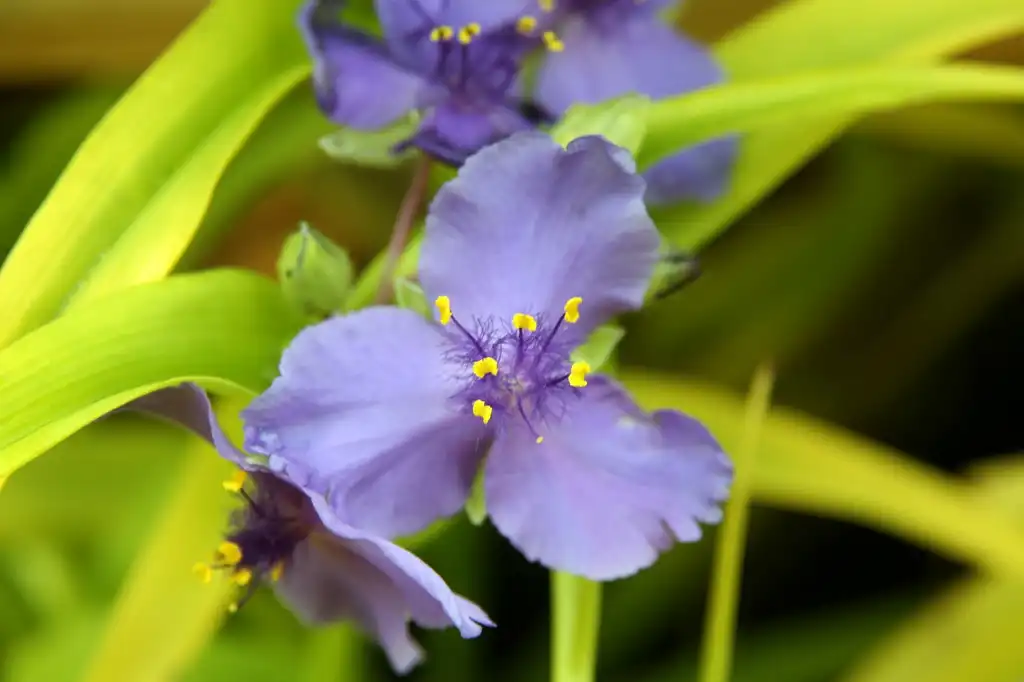
The leaves of spiderwort are elongated and strap-like, measuring between 12 to 18 inches in length. The flowers are characterized by three petals and are adorned with delicate, spidery hairs on the stamens.
Spiderwort has an extended blooming season throughout the summer. To prolong the flowering period, it is beneficial to deadhead spent blooms. In regions with hot summers, the foliage may begin to wilt, and flowering may cease altogether. This is an ideal time for a hard cutback, as trimming the plant down to the ground encourages new growth and can lead to a resurgence of blooms in late summer and fall.
There are various cultivars available, differing in height, flower size, and color.
However, spiderwort is not without its challenges; young shoots can be susceptible to damage from snails and caterpillars, and individual flowers typically last just one day. Additionally, the plant may lose its visual appeal in the landscape during the peak of summer.
Tradescantia x andersoniana Feature Summary
Tradescantia x andersoniana Image Gallery