Vaccinium stamineum: Country Or Region Of Origin
Canada to Mexico
Phonetic Spelling:vak-SIN-ee-um sta-MIN-ee-um
Genus:Vaccinium
Species:stamineum
Family:
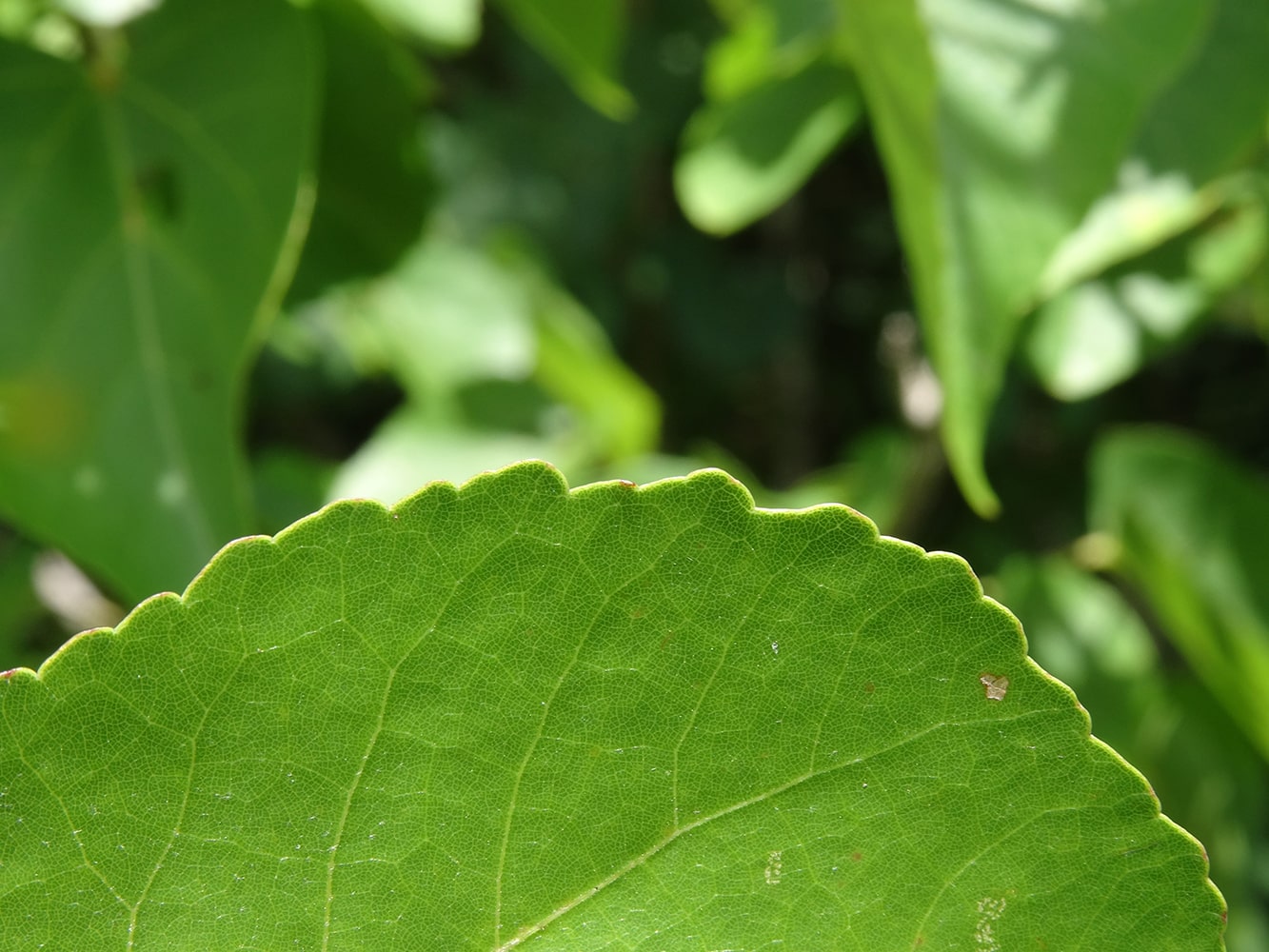
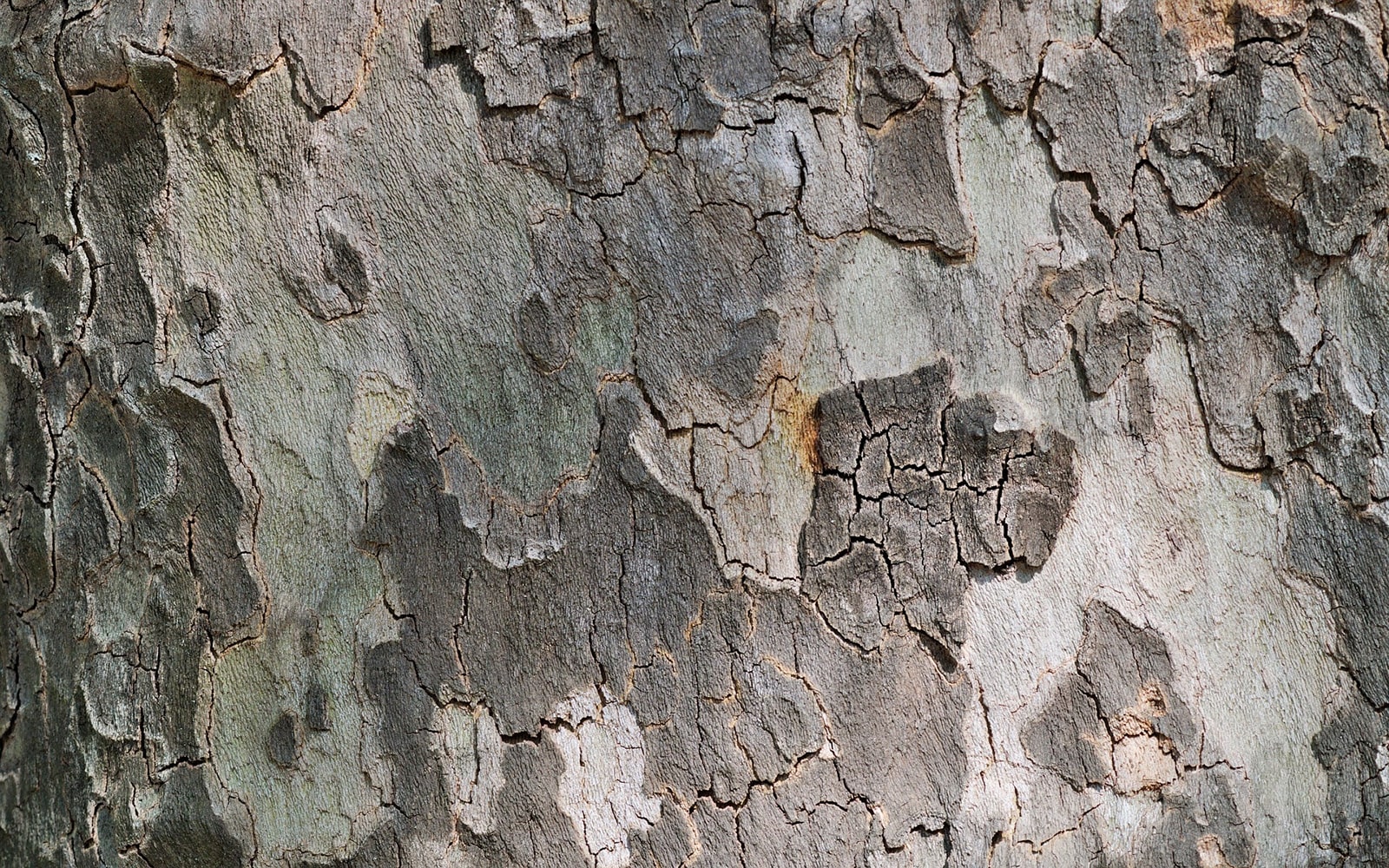
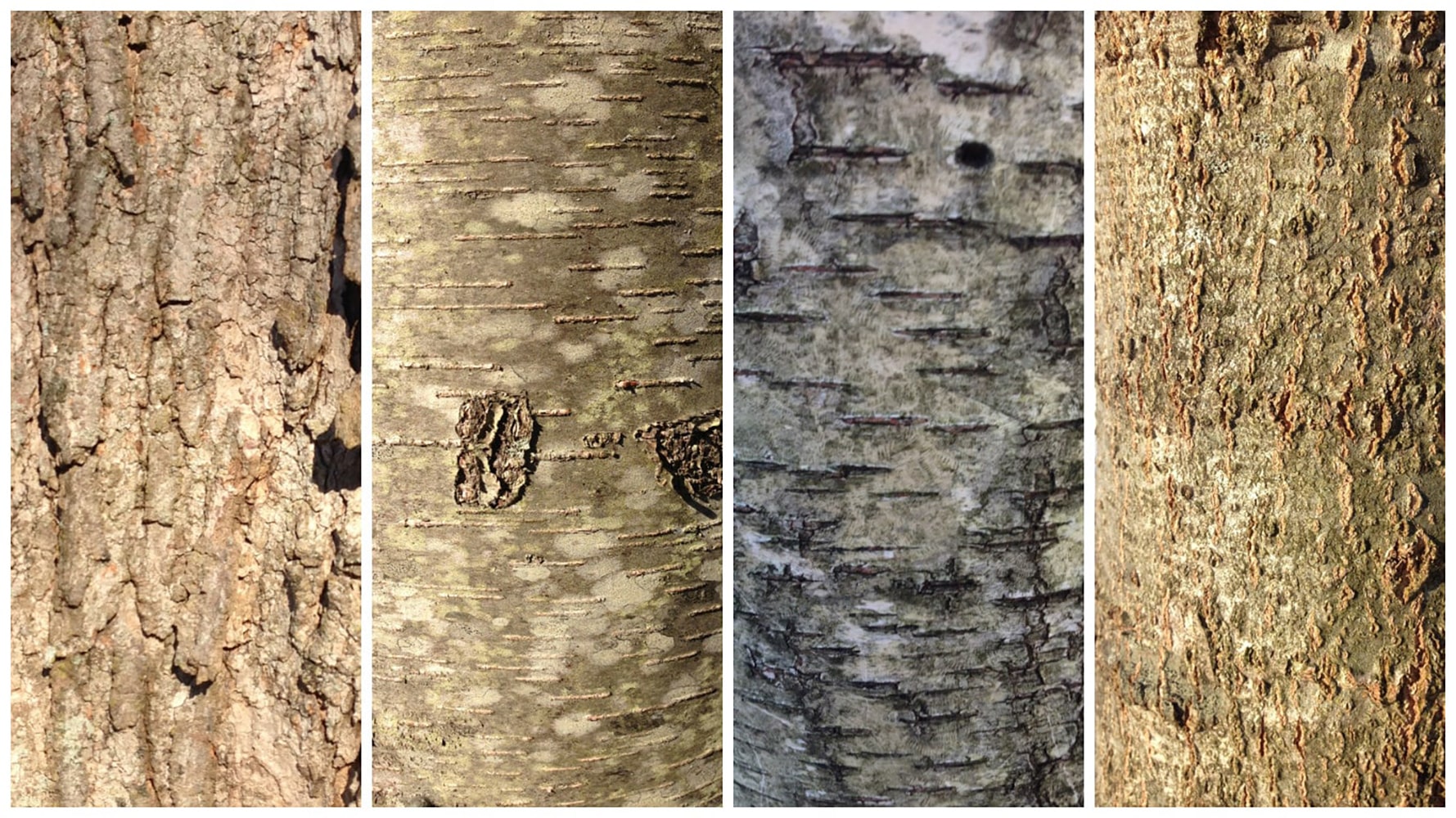
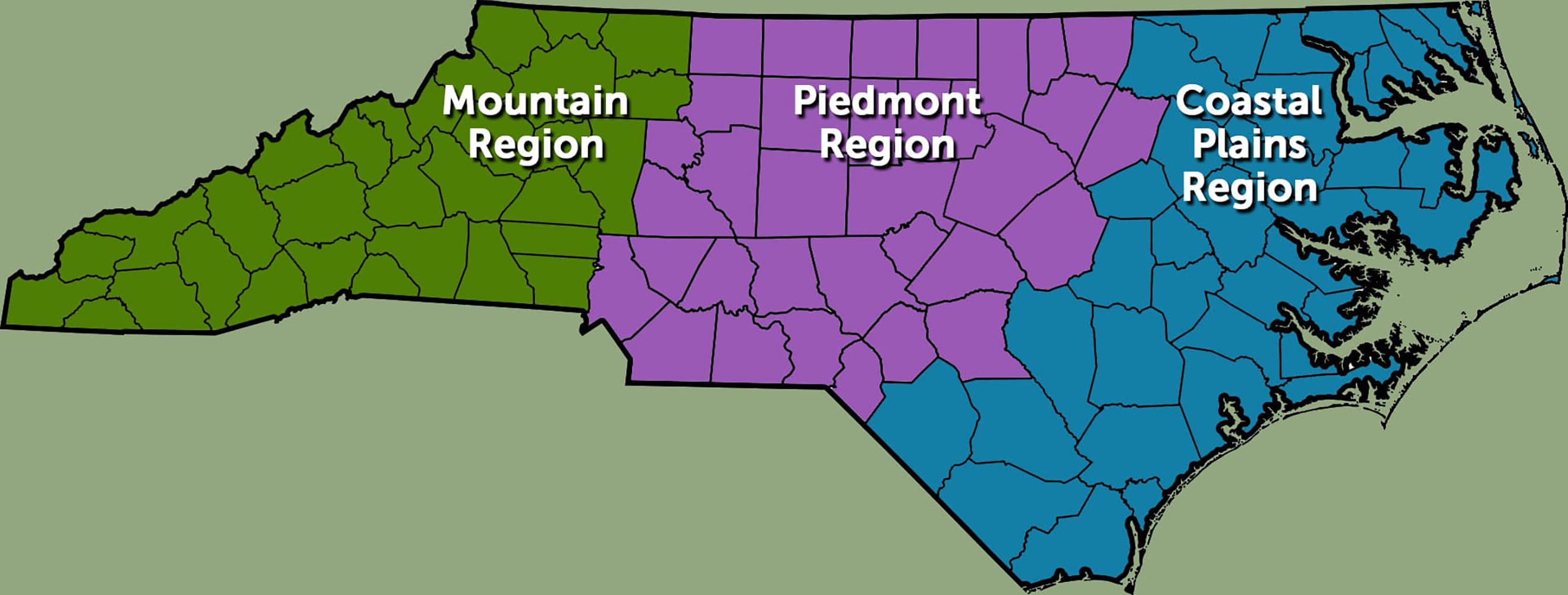
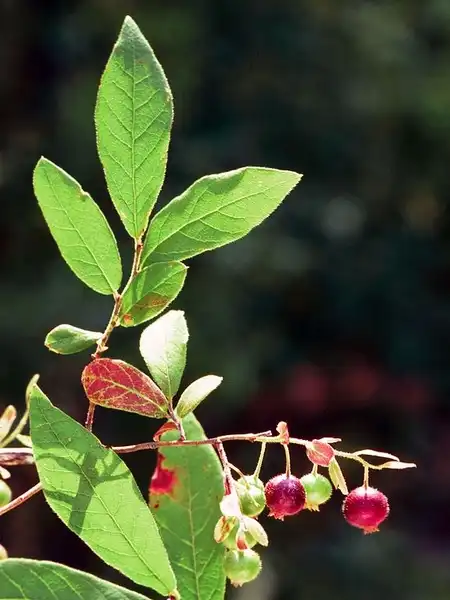
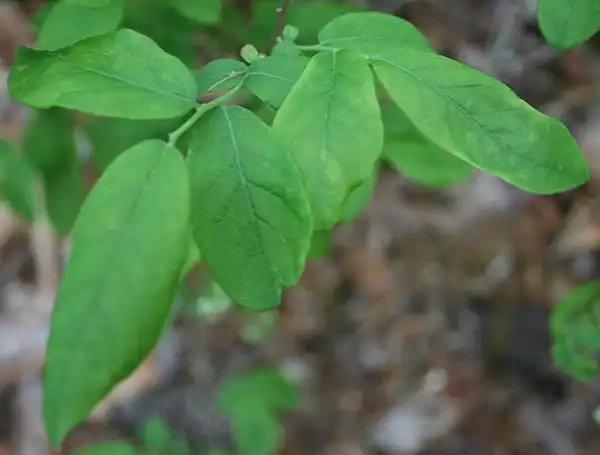
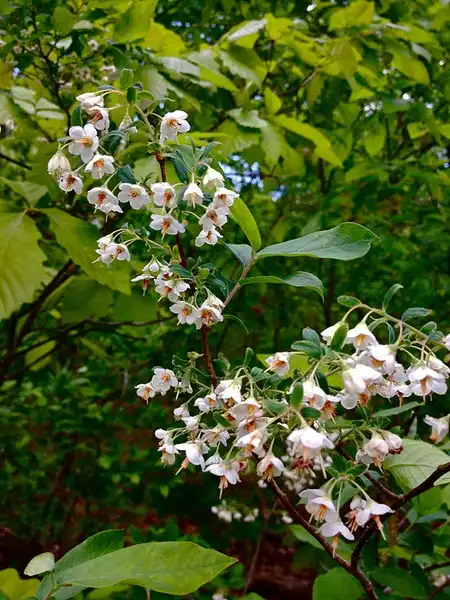
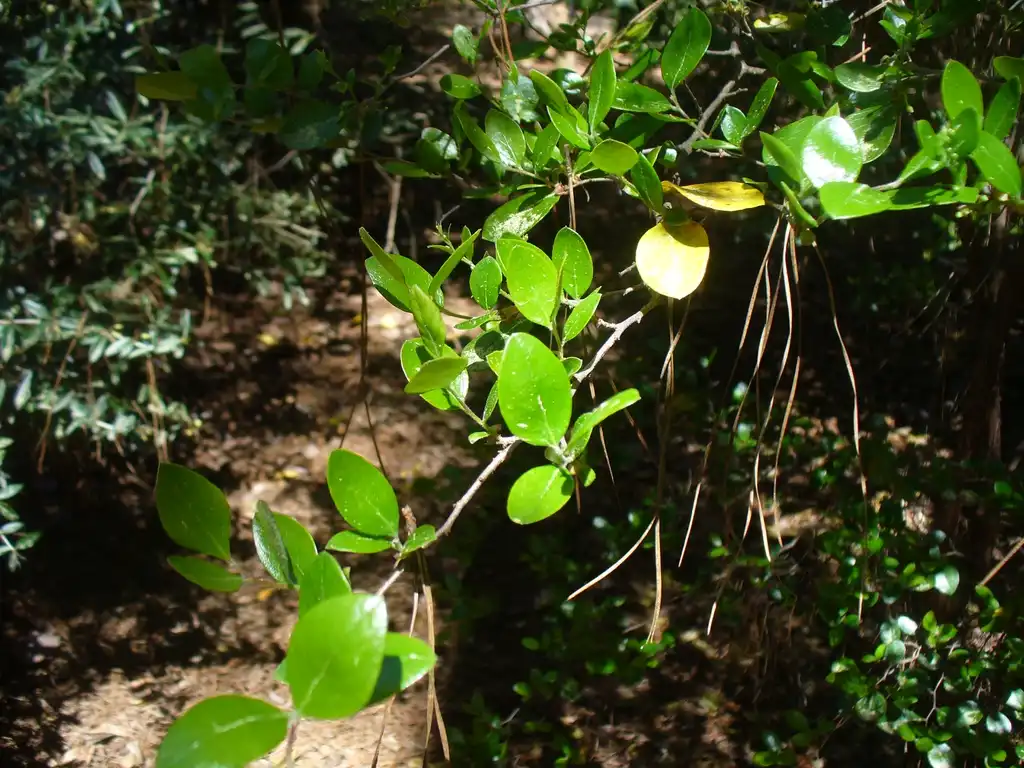
Deerberry is a deciduous shrub indigenous to all regions of North Carolina. It typically reaches heights of 5 to 15 feet and can spread nearly as wide, featuring alternate leaves with smooth edges and a fuzzy underside. The bark exhibits a gray-brown to reddish-brown hue and has a distinctly shreddy texture. In the spring, it produces small, white, bell-shaped flowers, followed by purplish-black berries that ripen in late summer or autumn. This shrub propagates through runners, forming dense clumps, and demonstrates drought resistance once it is established.
For optimal growth, plant Deerberry in acidic, nutrient-rich, well-drained soil, ideally in full sun to partial shade. Its berries are a food source for deer, birds, and small mammals. This shrub is best suited for naturalized areas, native plant gardens, or open woodlands. It pairs well with other acid-loving species such as blueberries, native azaleas, or native hydrangeas.
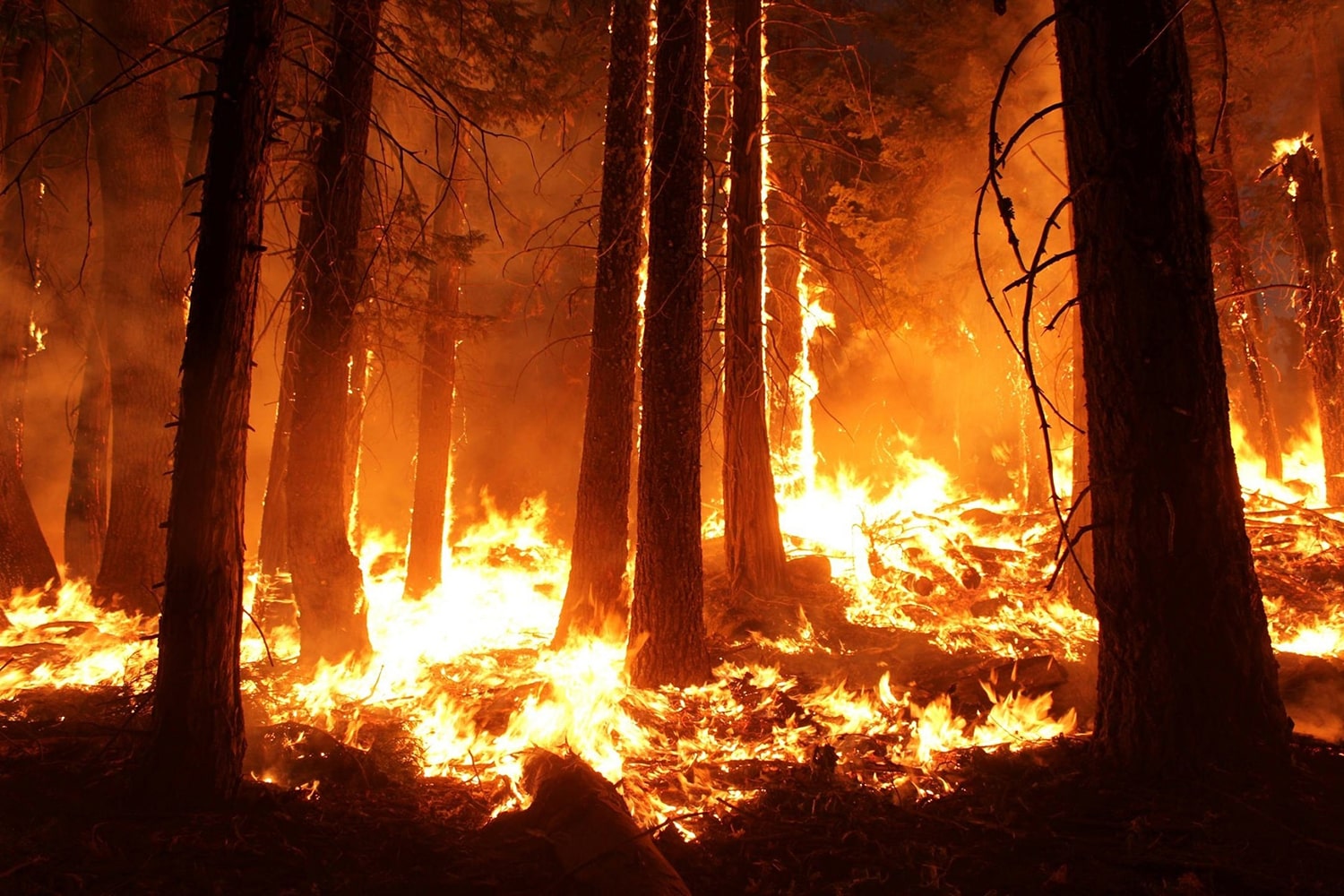
Fire Risk: This plant is rated low in flammability.
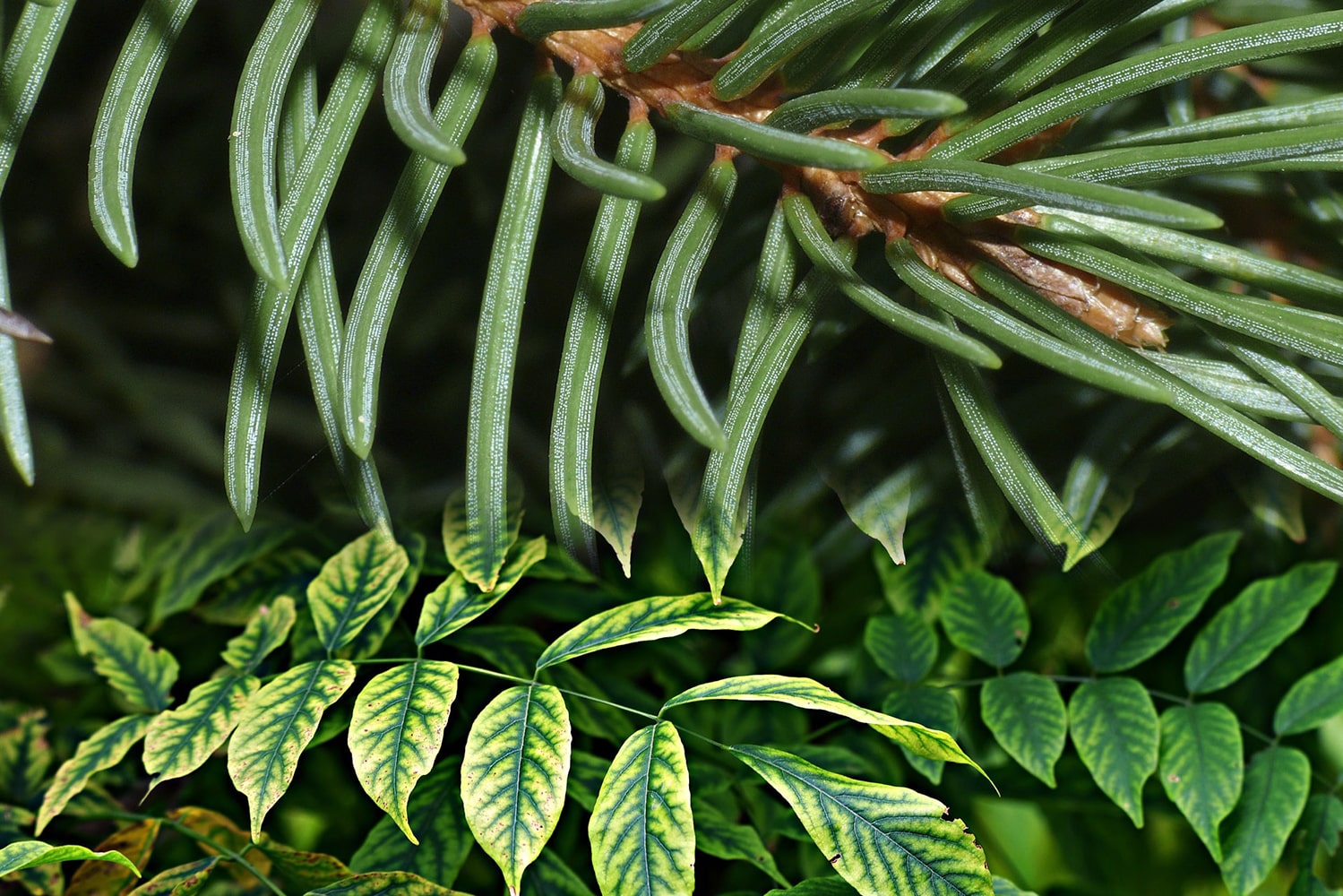
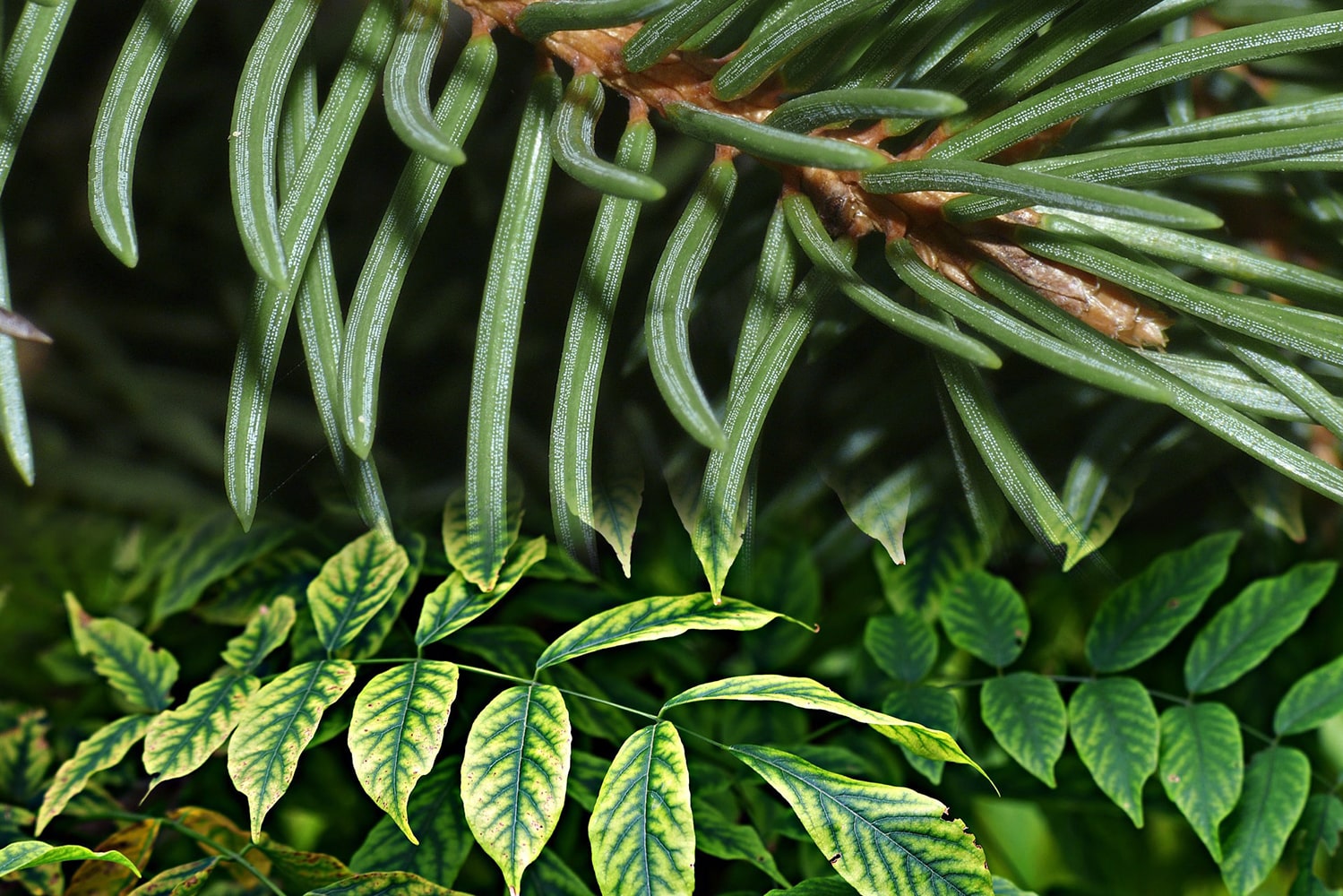
In terms of pests and diseases, chlorosis, characterized by yellowing leaves, may arise in soils with high pH levels. While infrequent, potential issues include stem blight, root rot, anthracnose, cane cankers, mildew, and botrytis. Keep an eye out for pests such as azalea stem borers, fall webworms, scale insects, and tent caterpillars.
For further details on Vaccinium, additional resources are available.
Vaccinium stamineum Feature Summary
Vaccinium stamineum Image Gallery