Viburnum cassinoides: Uses (Ethnobotany)
Cherokee used the plant for medicinal purposes
Phonetic Spelling:vih-BUR-num kass-ih-NOY-deez
Genus:Viburnum
Species:cassinoides
Family:Viburnaceae
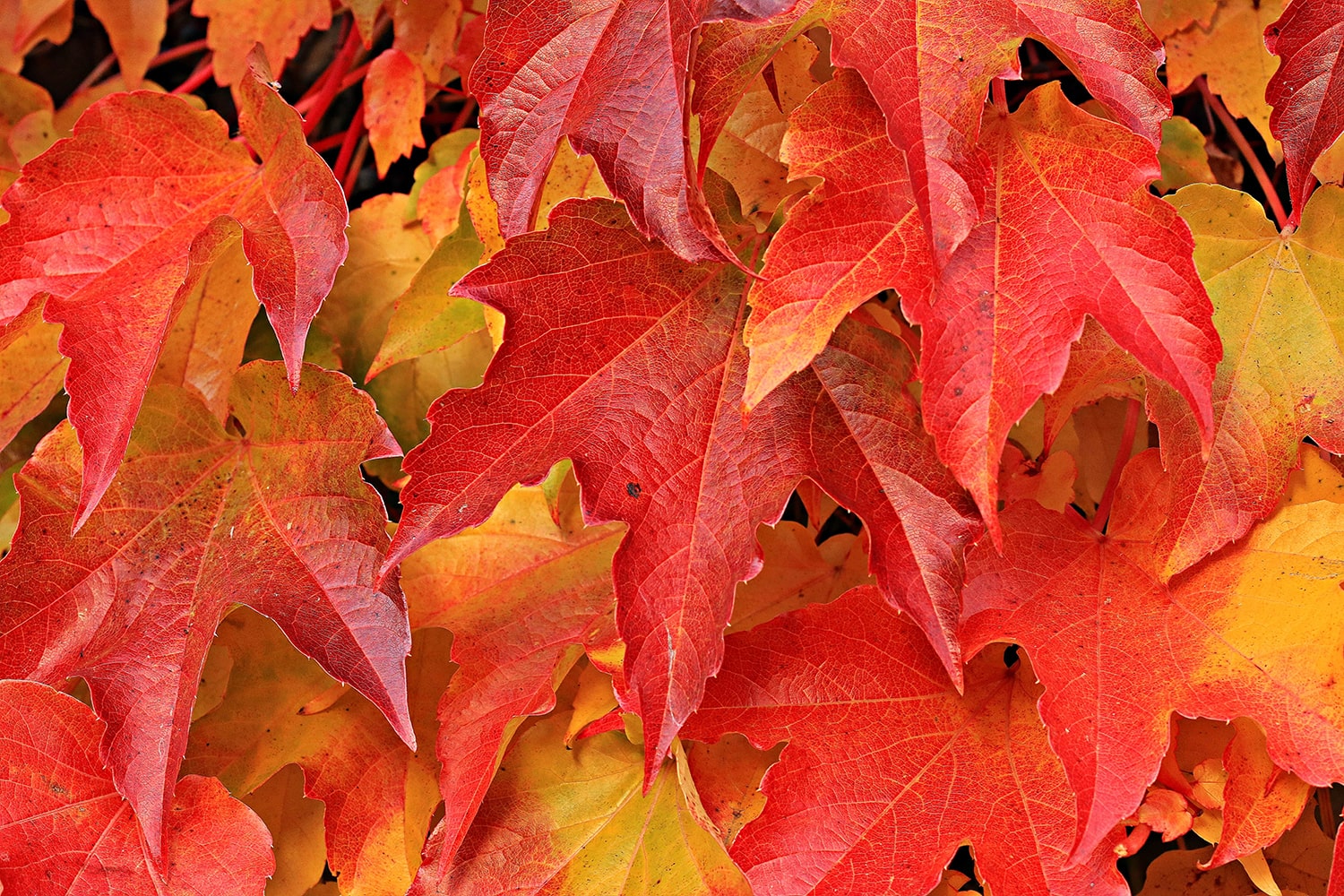
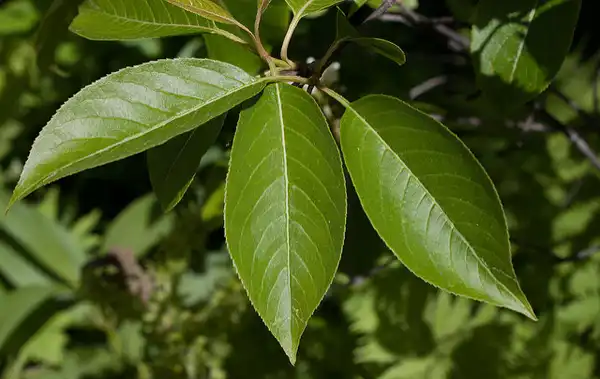
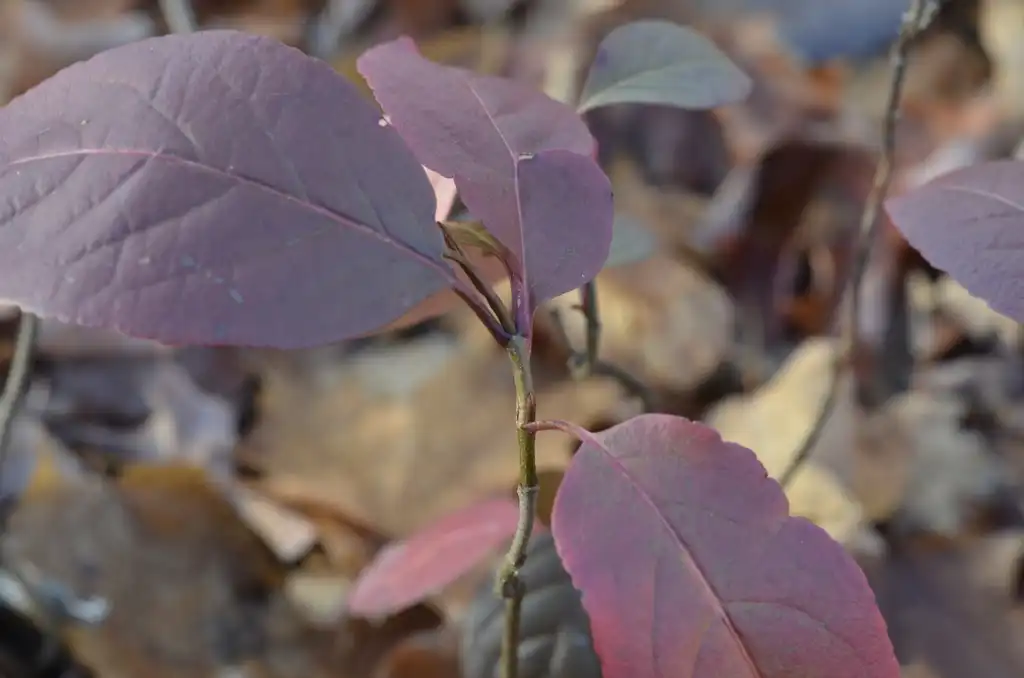
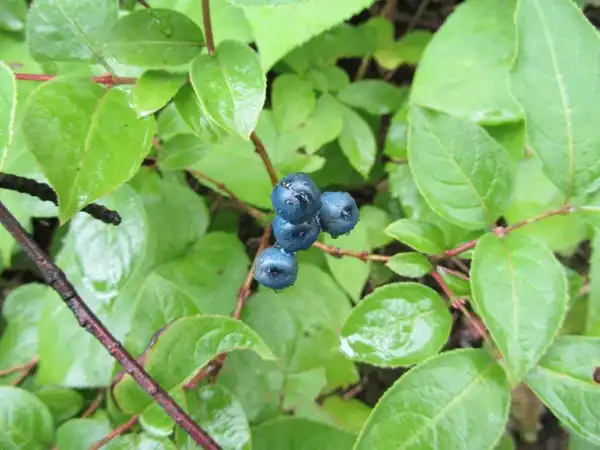
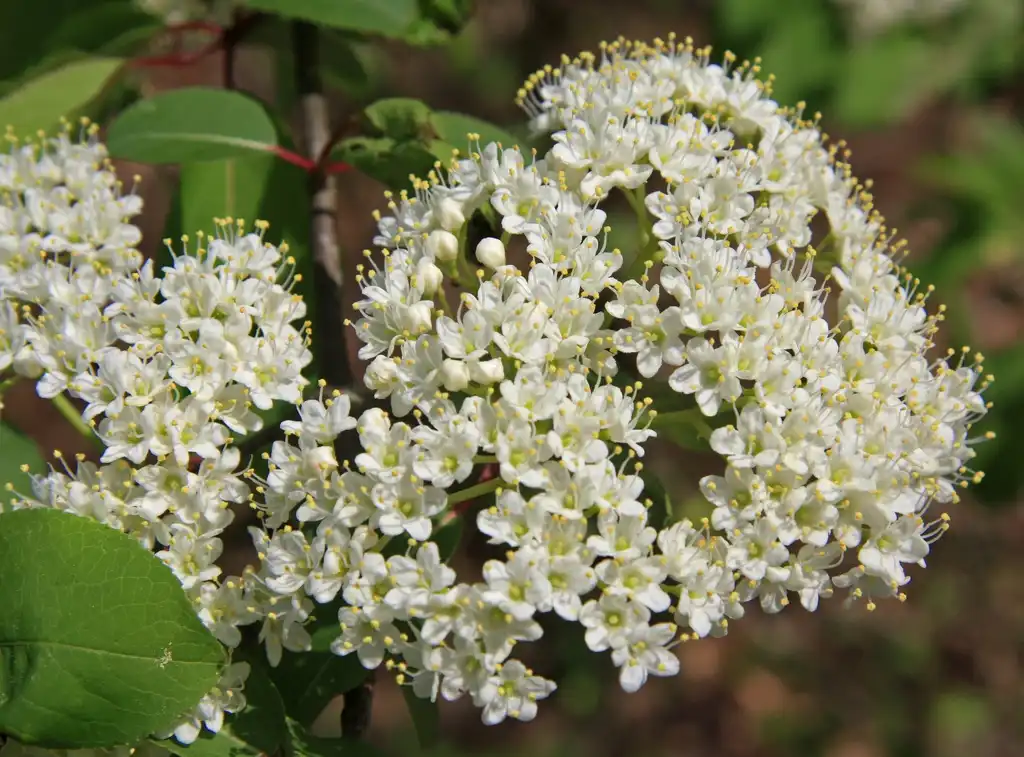
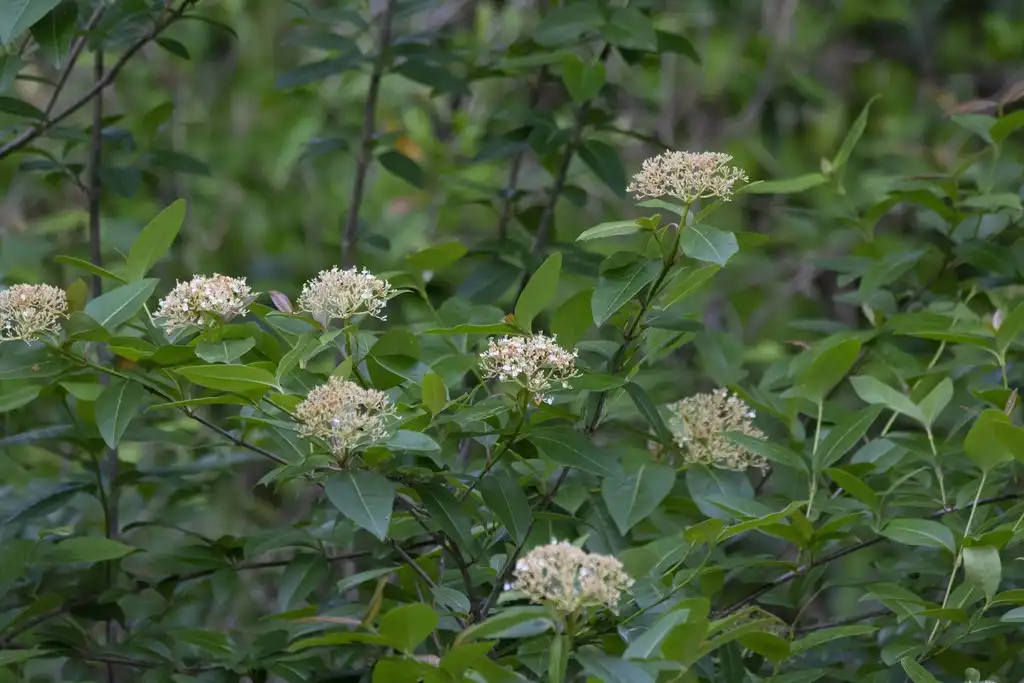
Blue Haw Viburnum is a deciduous shrub native to the Eastern United States and Canada, characterized by its multi-stemmed structure and a dense, rounded form with gracefully arching branches. Typically, it reaches heights and widths of 5 to 6 feet, although it can occasionally grow up to 12 feet tall. This shrub thrives in its natural environments, which include bogs, moist high-elevation forests, rocky outcrops, and the edges of streams or ponds. In spring, it produces striking clusters of creamy white flowers, while its fall foliage offers a variable yet vibrant display. The fruits also transition in color throughout the fall and into winter, adding further visual interest.
For optimal growth, Blue Haw Viburnum prefers average to wet, well-drained soils and can flourish in full sun to partial shade. Once established, it can adapt to drier conditions.
In terms of pests and diseases, Blue Haw Viburnum generally faces few serious threats. However, it may occasionally be affected by aphids, borers, nematodes, scale, and thrips. Additionally, it can experience minor issues with leaf spot, anthracnose, and powdery mildew.
Viburnum cassinoides Feature Summary
Viburnum cassinoides Image Gallery