Viburnum opulus: Uses (Ethnobotany)
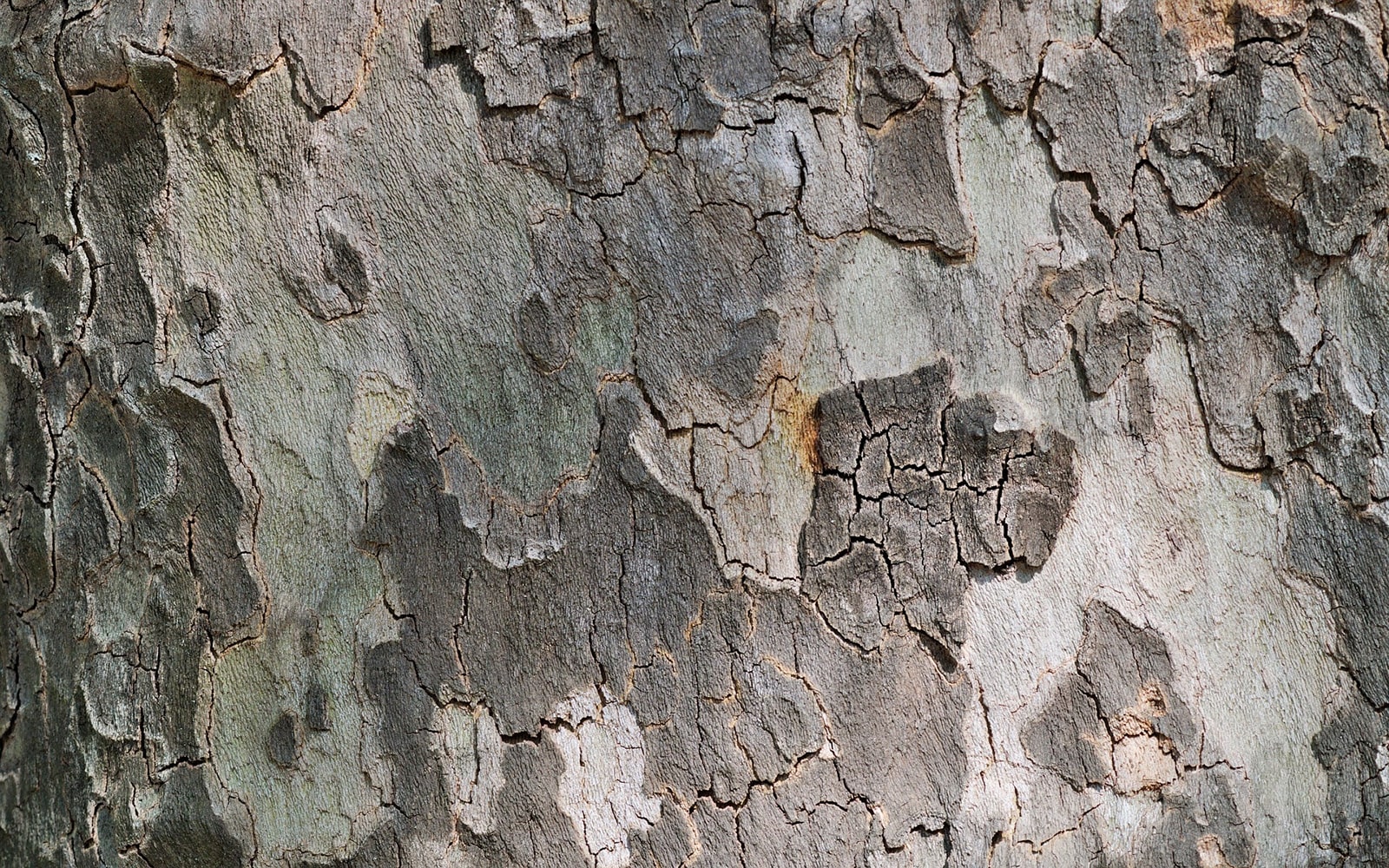
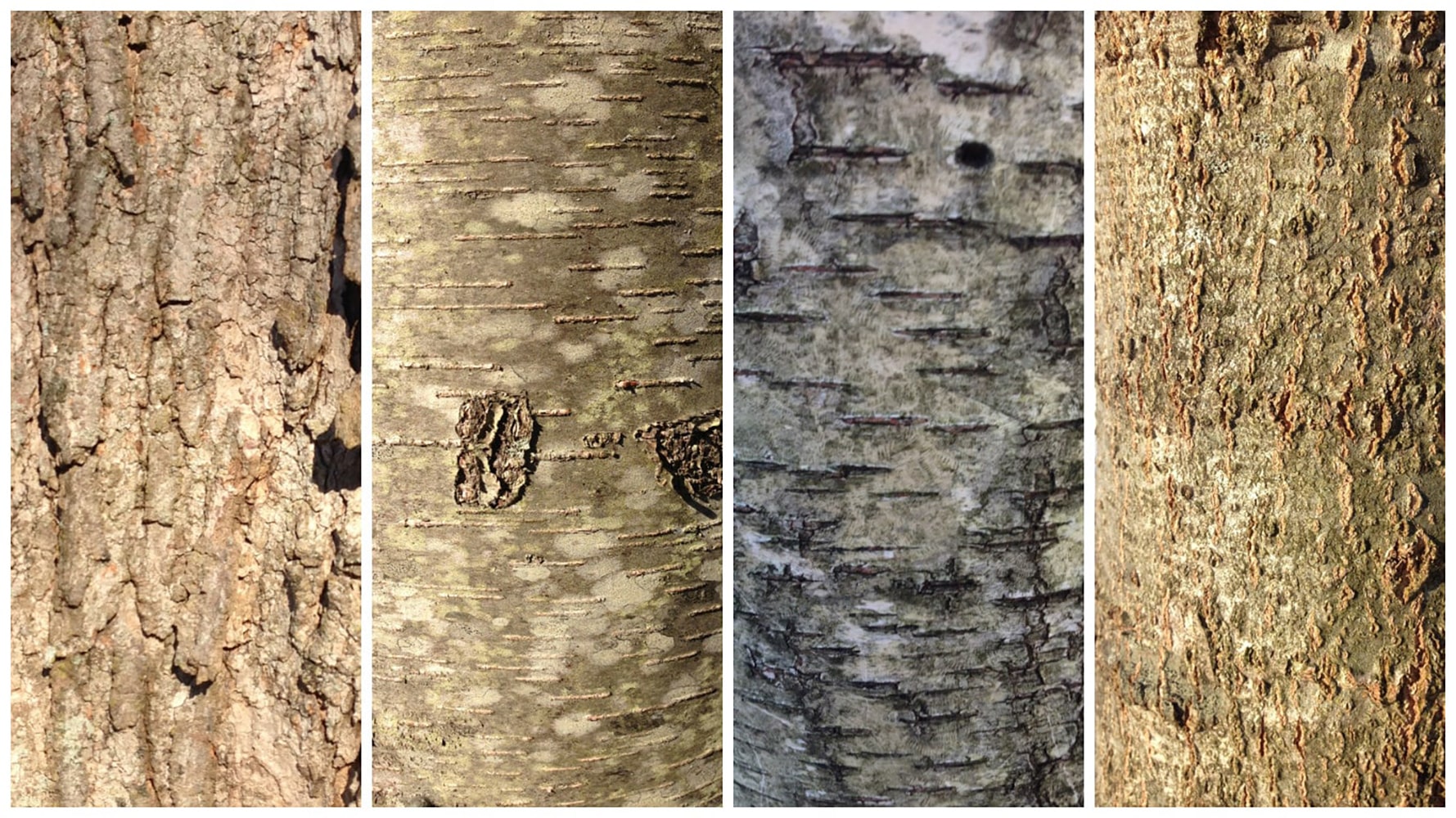
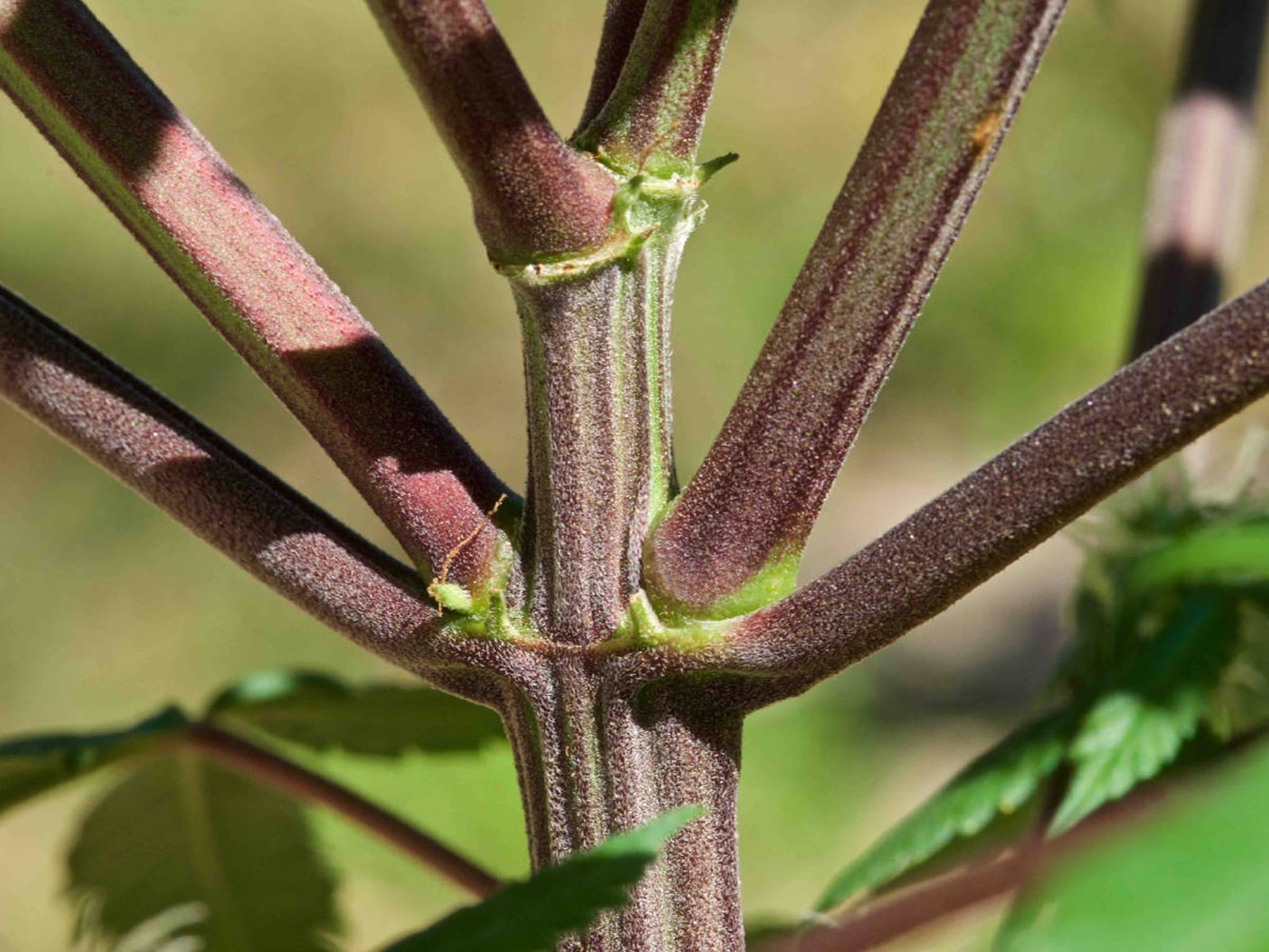
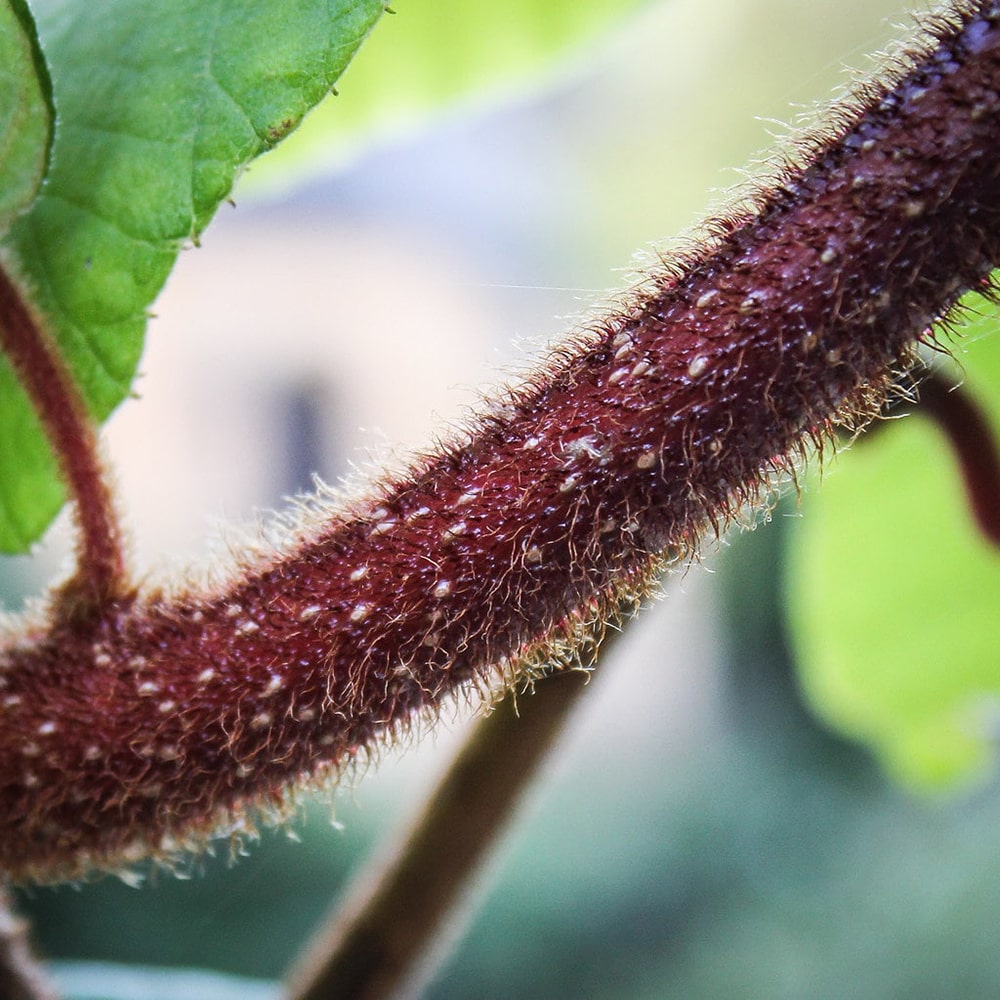
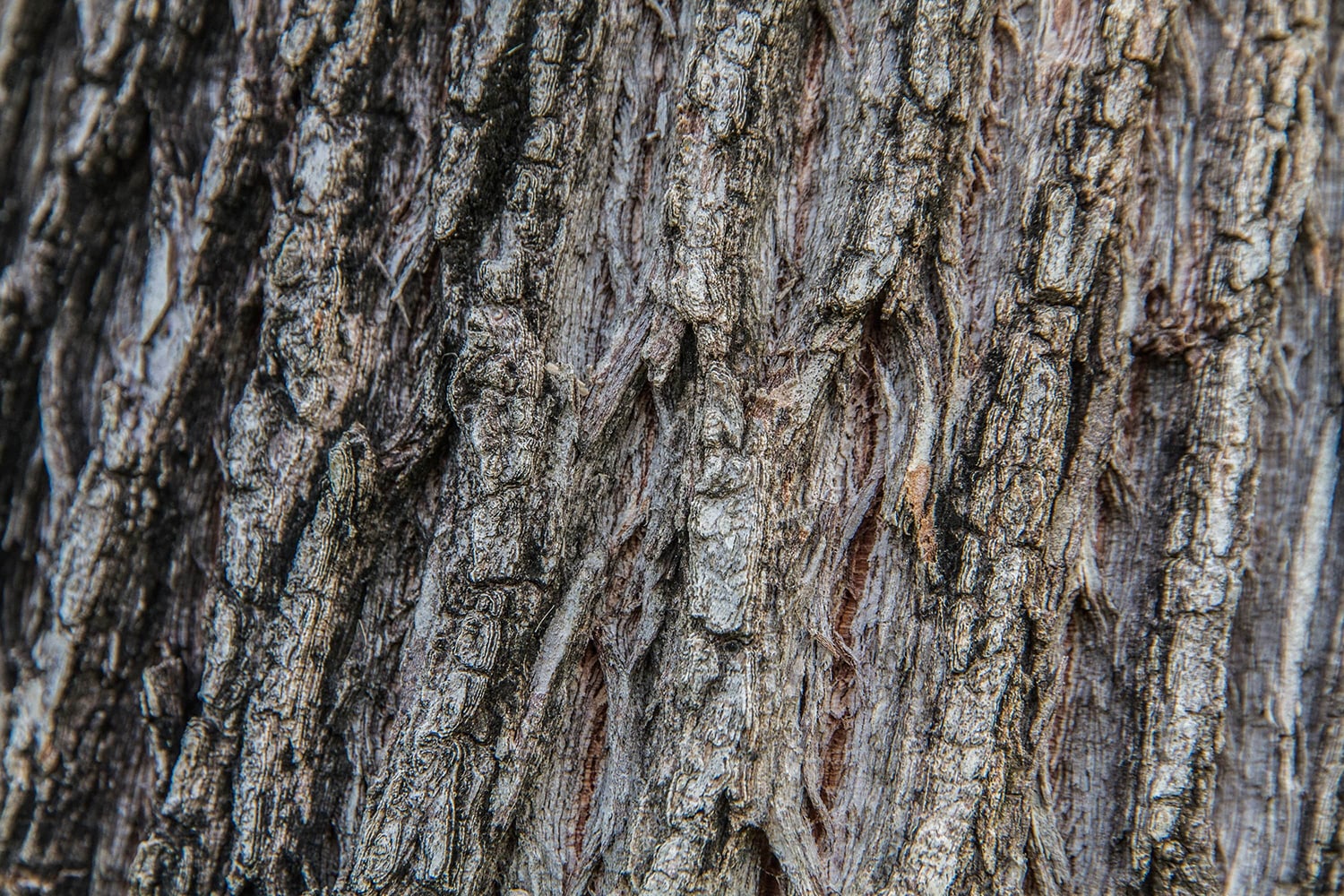
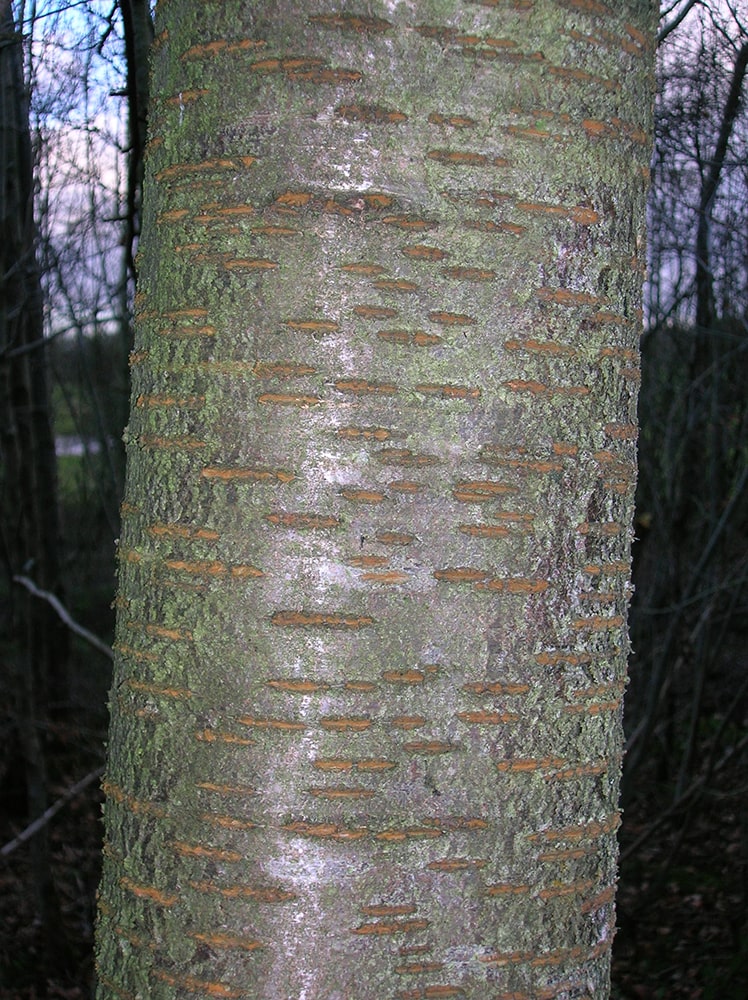
Bark used medicinally
Phonetic Spelling:vih-BUR-num OP-yoo-lus
Genus:Viburnum
Species:opulus
Family:Viburnaceae
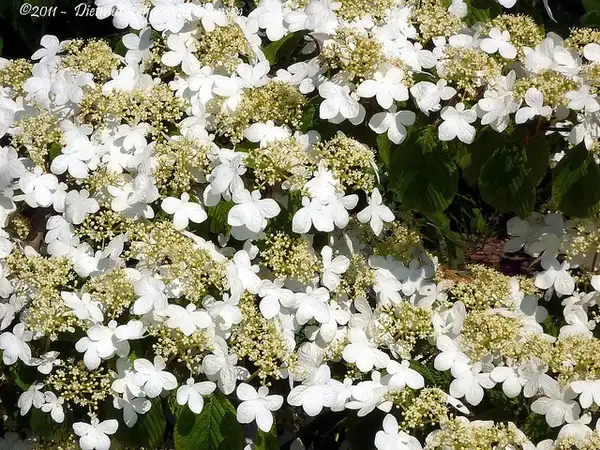
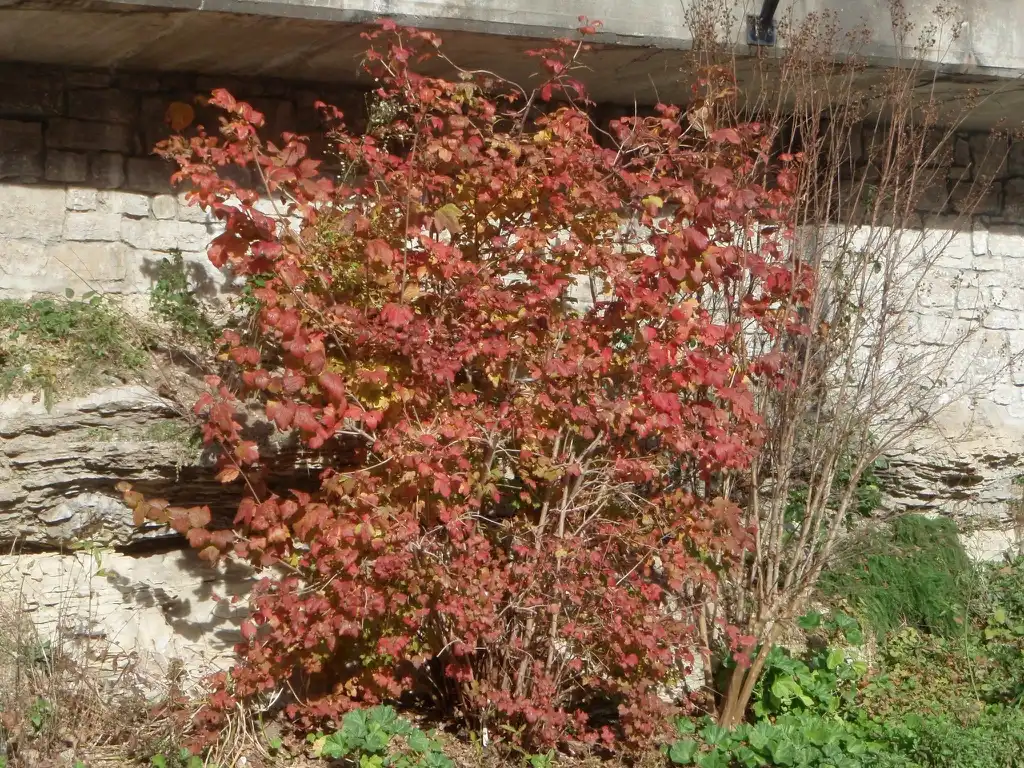
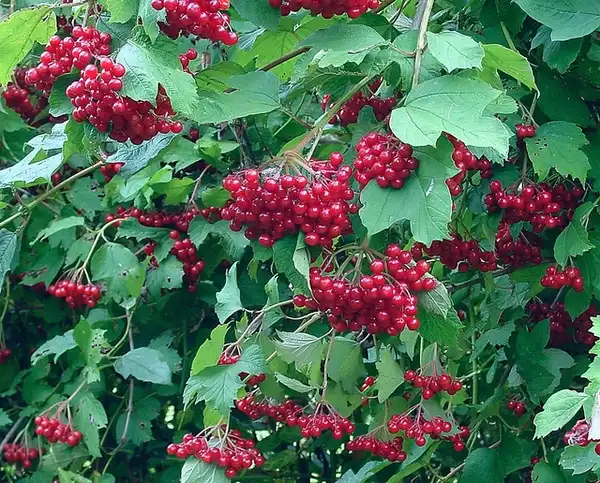
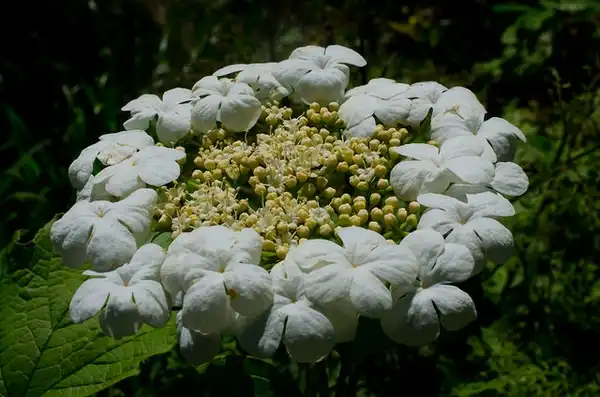
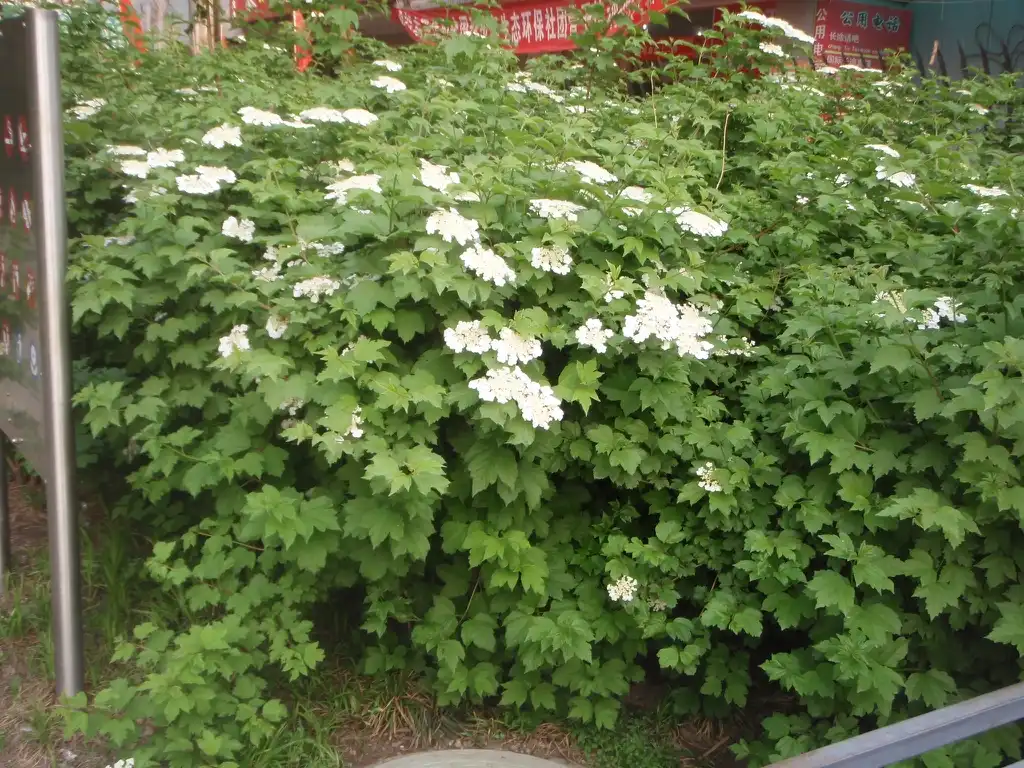
The European Cranberry is indigenous to Europe, Asia, and North Africa. It features appealing flowers, lush foliage, drupes, and vibrant autumn hues. Despite its name, it is not a true cranberry; its berries simply resemble those of the Vaccinium genus.
This plant thrives in moist, well-drained, humus-rich soils but can adapt to a variety of soil types and pH levels. To promote new growth, it is advisable to prune the oldest stems. Additionally, it shows mild resistance to deer damage, making it suitable for use as a hedge or in shrub borders.
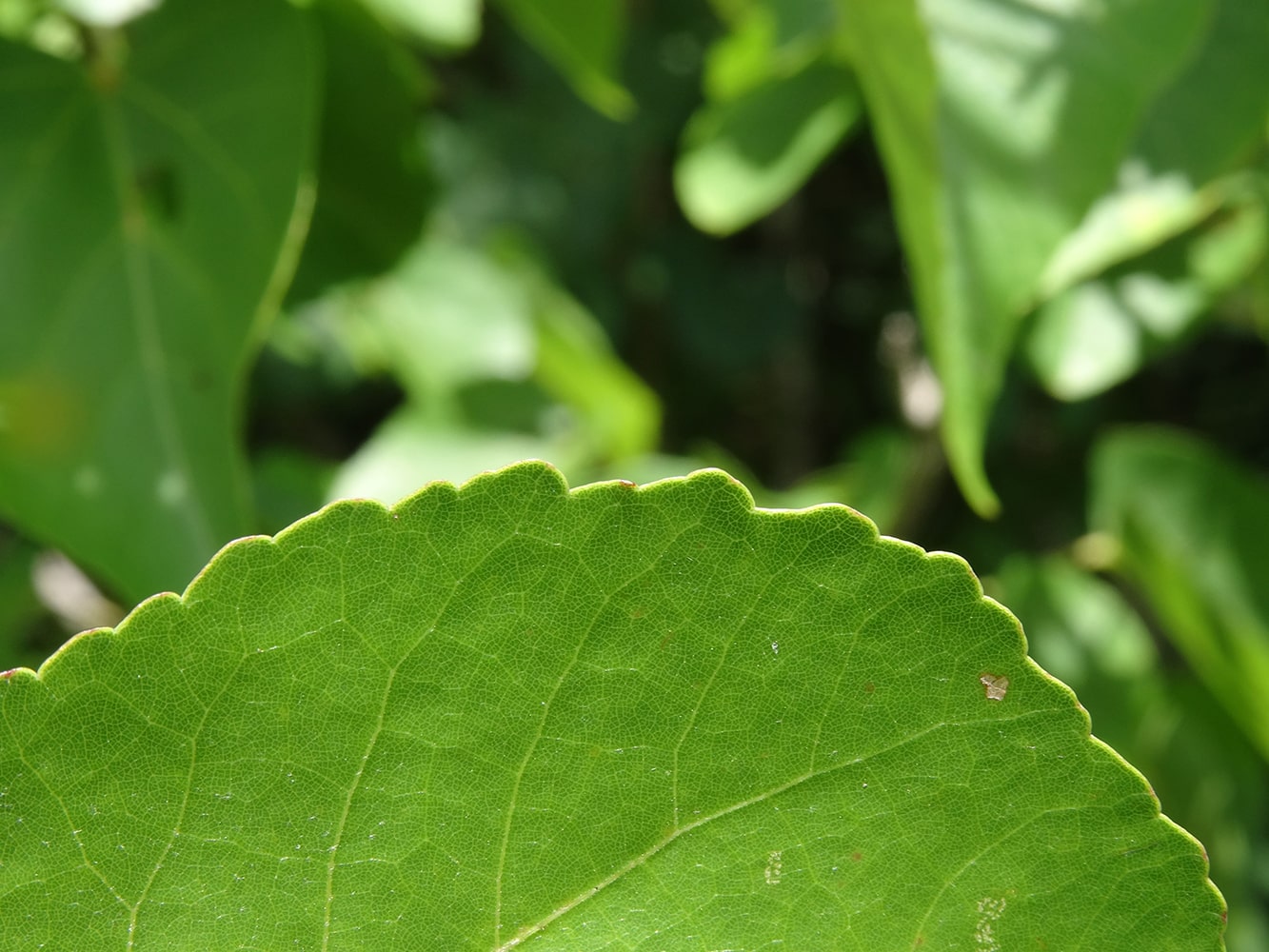
Visually, it closely resembles the native variety, var. americanum, and is sometimes misidentified as such in nurseries. The key distinguishing feature lies in the glands located at the tip of the leaf stalk near the blade. Guelder-rose glands are generally shorter than they are wide, oval-elliptic in shape, and have a distinct rim, while its fruit tends to be more bitter and less suitable for making jellies and sauces.
This plant has shown invasive characteristics and can now be found in the wild from Newfoundland down to Virginia and as far west as Washington state. It is advisable to consider planting native or less problematic species instead.
Pest Alert: Aphids may pose a challenge.
Viburnum opulus Feature Summary