Woodwardia areolata: Uses (Ethnobotany)
Used for shelter
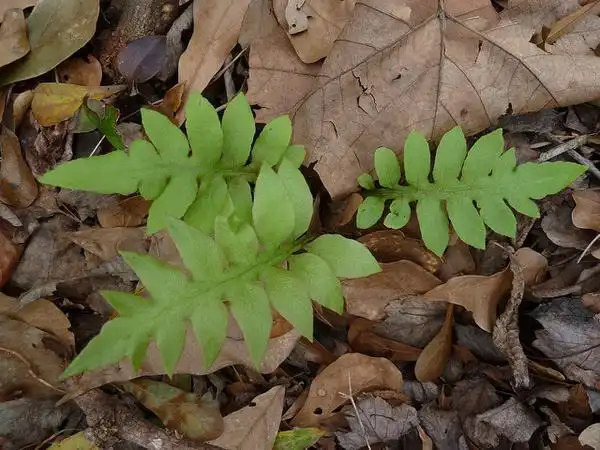
Phonetic Spelling:wood-WAR-dee-ah air-ee-oh-LAY-tah
Genus:Woodwardia
Species:areolata
Family:Blechnaceae
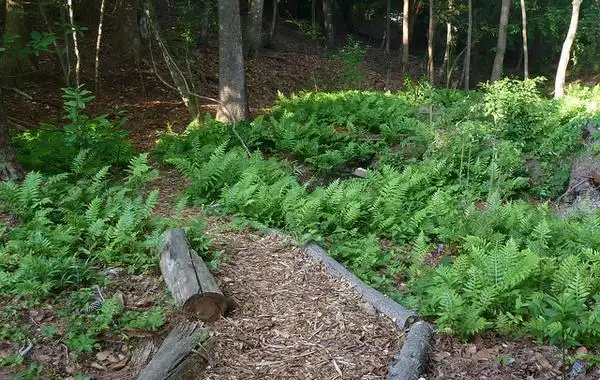
Woodwardia areolata, commonly known as the netted chain fern, is a deciduous fern native to eastern North America, typically thriving in wet, acidic, and organic soil conditions. This fern is naturally found in environments such as woodland swamps and bogs. It bears a resemblance to the more prevalent sensitive fern (Onoclea sensibilis), although the sensitive fern usually reaches greater heights (up to 4 feet), features beaded, woody-like fertile fronds, and has smooth-edged leaflets arranged oppositely on its sterile fronds.
The netted chain fern is easy to cultivate in organically rich, medium to wet, well-drained soils, thriving in partial to full shade. It adapts well to average garden soils and can tolerate a fair amount of sunlight, provided the soil remains consistently moist. The fern spreads through branching and creeping rhizomes, often establishing large colonies under optimal growing conditions, to the extent that it can become somewhat invasive.
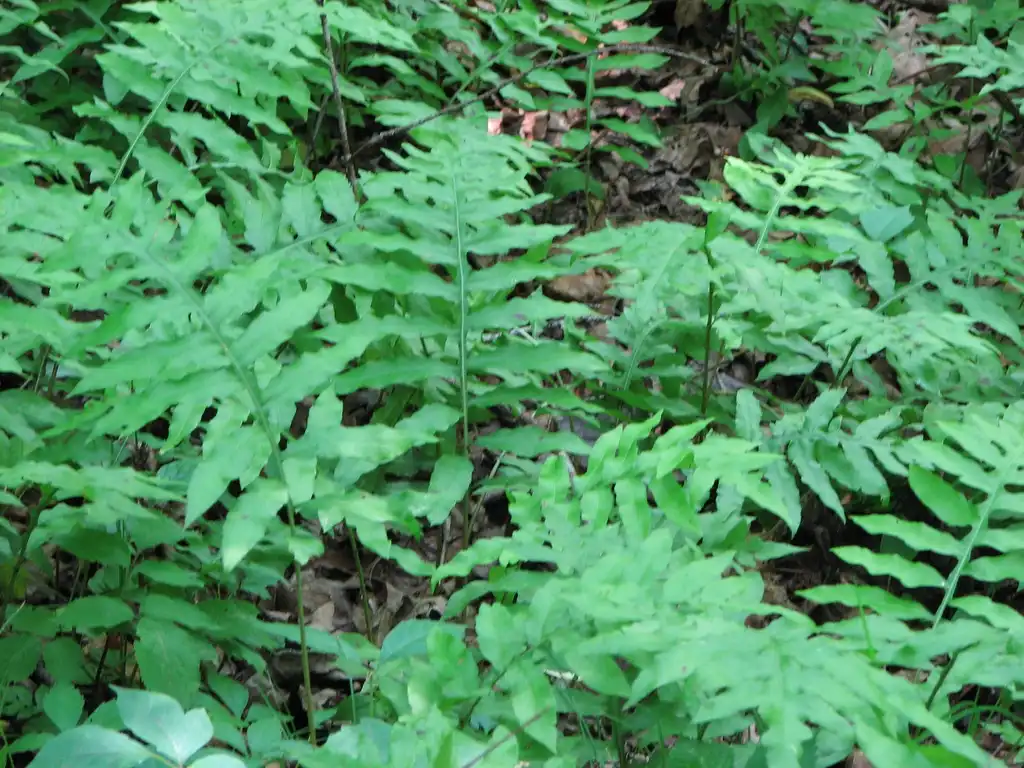
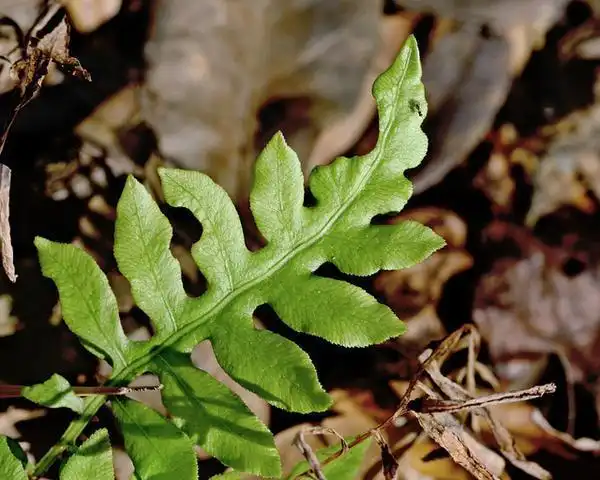
The pinnae of the netted chain fern are primarily arranged alternately. Its spores are arranged in chain-like formations along fronds with narrow pinnae. The fern features bright green, lanceolate leaves that are pinnatifid, with broad wings along the rachis. The veins connect to form two or more rows of areoles situated between the midvein and the leaf margin.
In terms of care, this plant requires consistently moist soil to thrive.
Woodwardia areolata Feature Summary
Woodwardia areolata Image Gallery