Zinnia acerosa: Country Or Region Of Origin
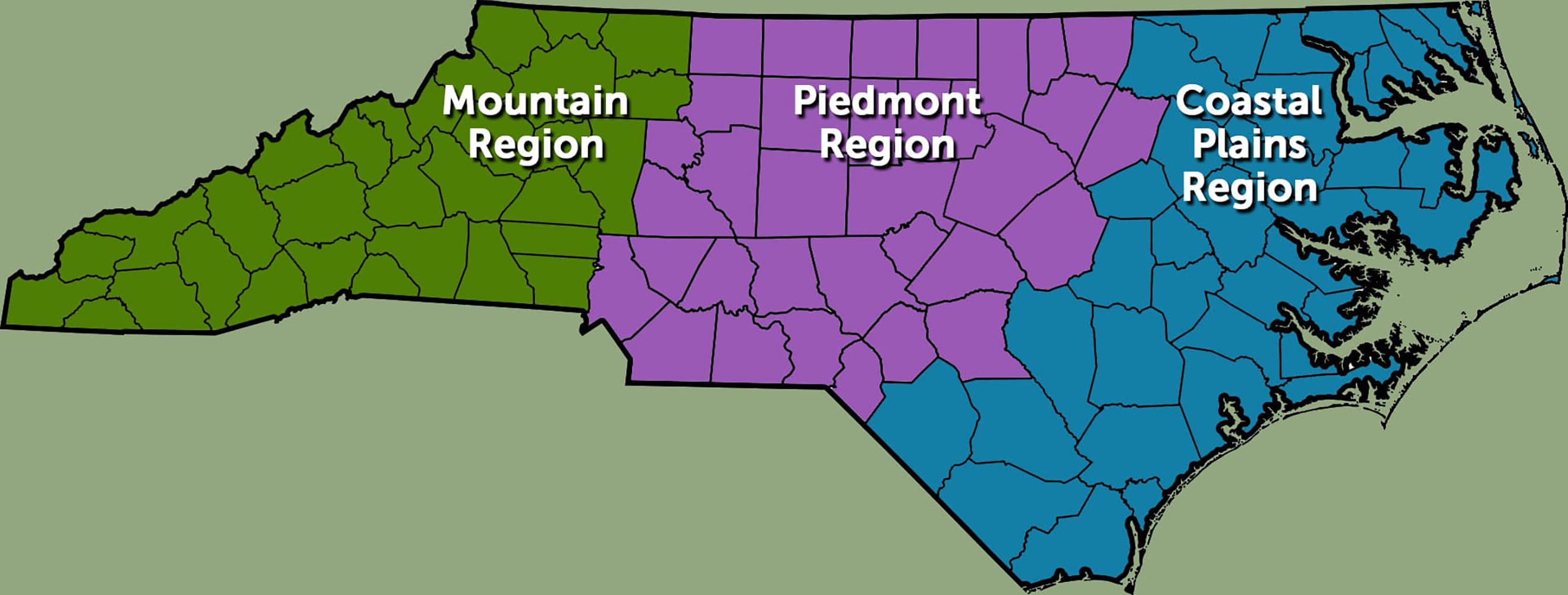
Arizona, Texas, Mexico
Phonetic Spelling:ZIN-ya ay-ser-OH-suh
Genus:Zinnia
Species:acerosa
Family:Asteraceae
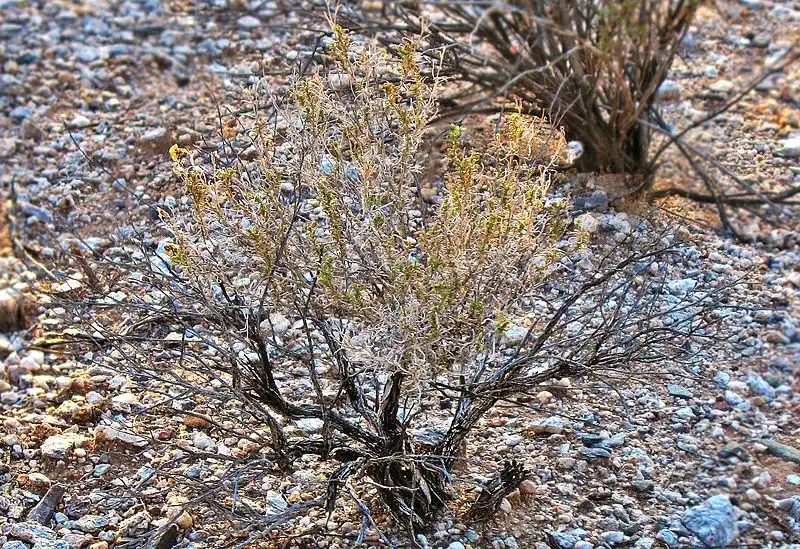
Zinnia acerosa, one of four native Zinnia species in the United States, originates from the southwestern region. This plant features a woody base with herbaceous stems that gradually become woody from the bottom as they mature. While it is classified as evergreen, it also exhibits cold-deciduous characteristics. You can find it thriving in various environments such as prairies, plains, meadows, pastures, and savannas at higher altitudes, as well as in home gardens. It produces blooms intermittently from spring through fall, provided there is sufficient moisture, but may enter dormancy during extended dry spells.
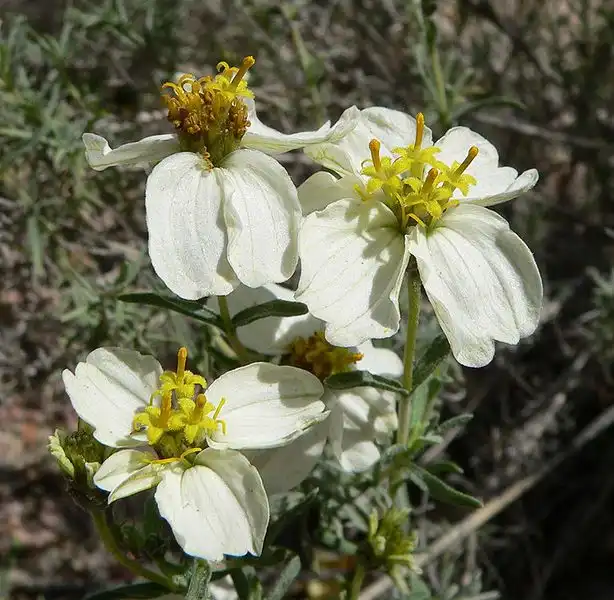
Each flower comprises 5 to 7 creamy-white ray florets and 8 to 13 yellow disc florets, with the papery ray flowers displaying slightly toothed tips.
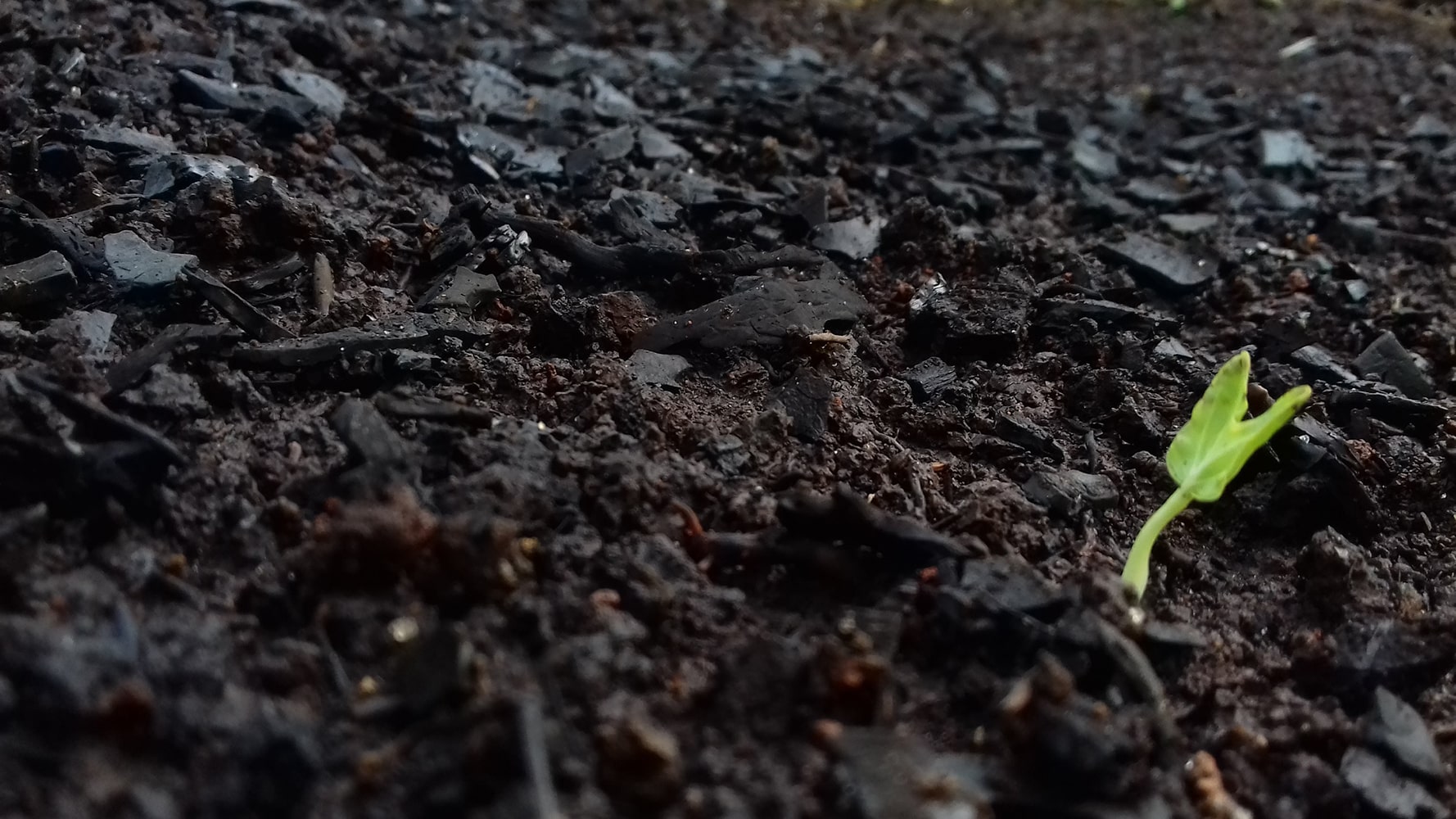
Zinnia acerosa can be propagated from seeds, which are typically available in the fall. However, seeds gathered from the wild tend to have a lower germination success rate compared to those bought from commercial sources.
Due to its low-growing nature, this plant is often utilized in the restoration of disturbed areas and in creating habitats for wildlife and pollinators.
Maintenance requirements are minimal; however, it is advisable to prune in the spring after the last frost to eliminate any winter damage. Cutting the plant back to the ground every few years can help rejuvenate its growth.
In terms of pests and diseases, overwatering can lead to root rot, while excessive rainfall may cause flower blight. Young plants are vulnerable to being eaten by rabbits and ants, and transplanting can be challenging due to their deep taproot.
Zinnia acerosa Feature Summary