Abies balsamea: Country Or Region Of Origin
North America
Phonetic Spelling:AY-bees bal-sam-AY-ah
Genus:Abies
Species:balsamea
Family:Pinaceae
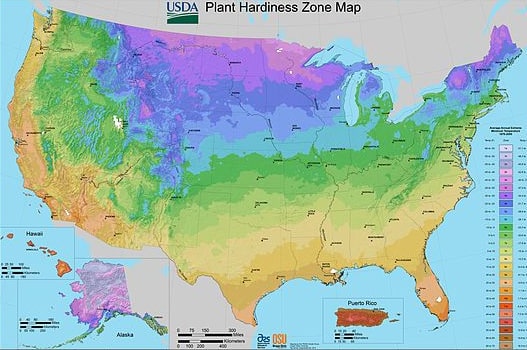
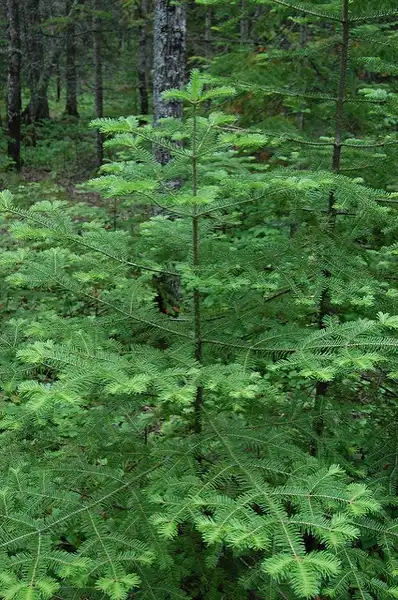
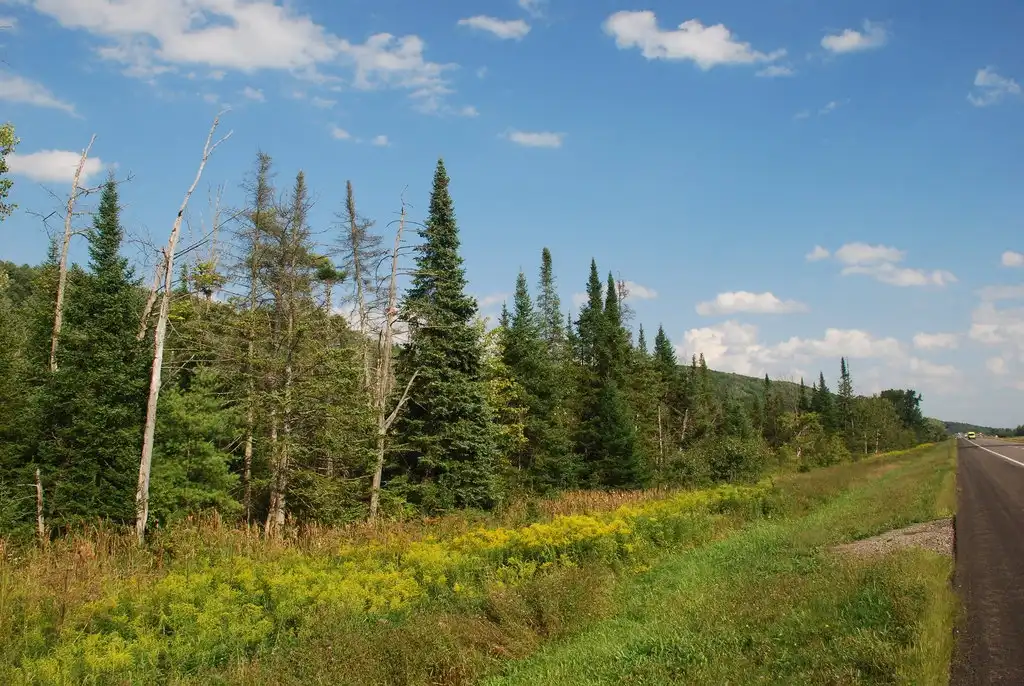
The Balsam Fir boasts the most extensive range of any species in the Abies genus across North America, stretching from Labrador to Alberta—making it the sole fir native to eastern Canada—and extending southward to Pennsylvania. This tree is not ideally suited for the hot, humid summers found south of zone 5, as it originates from cooler environments. It thrives best in full sunlight and requires moist, well-drained acidic soil.
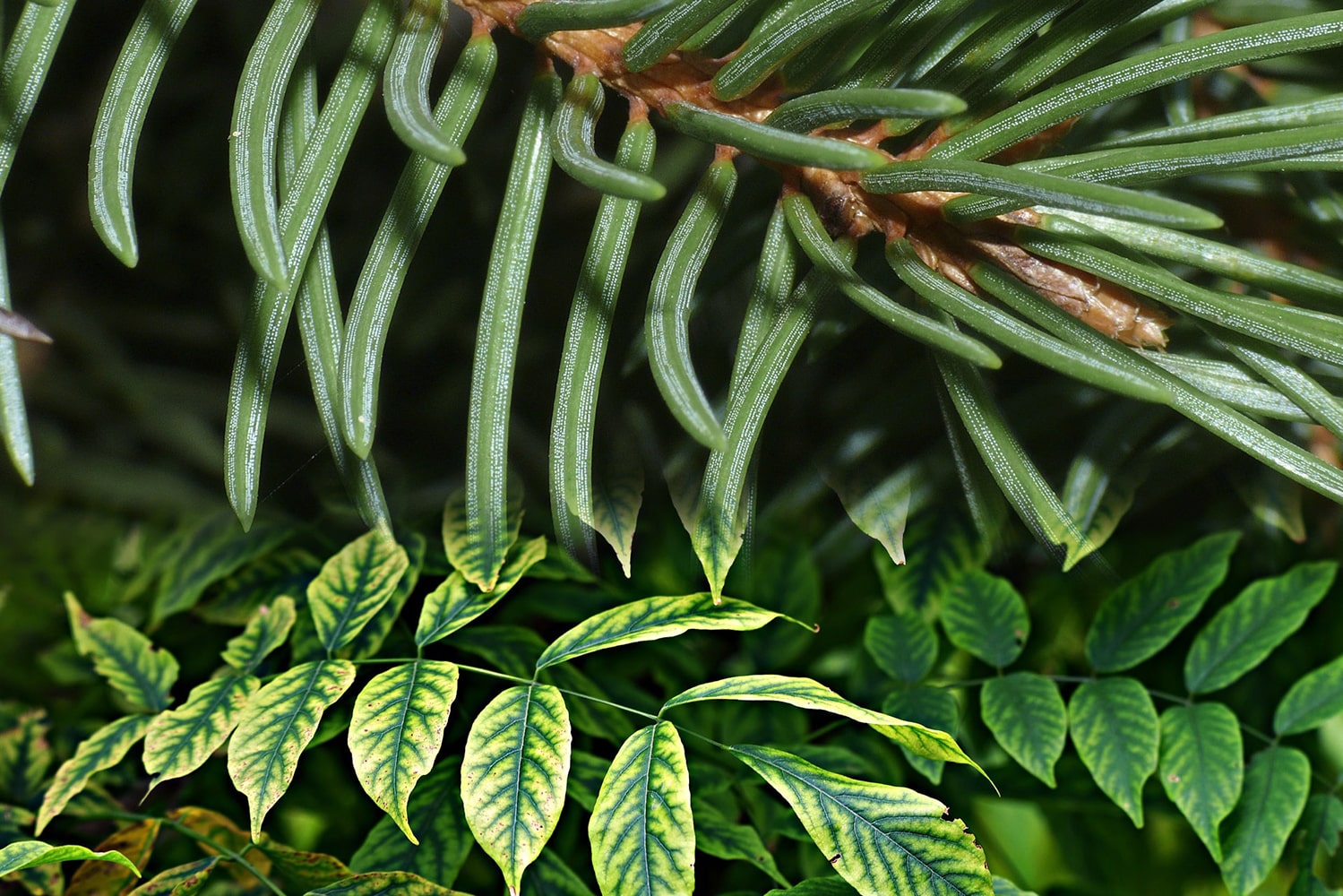
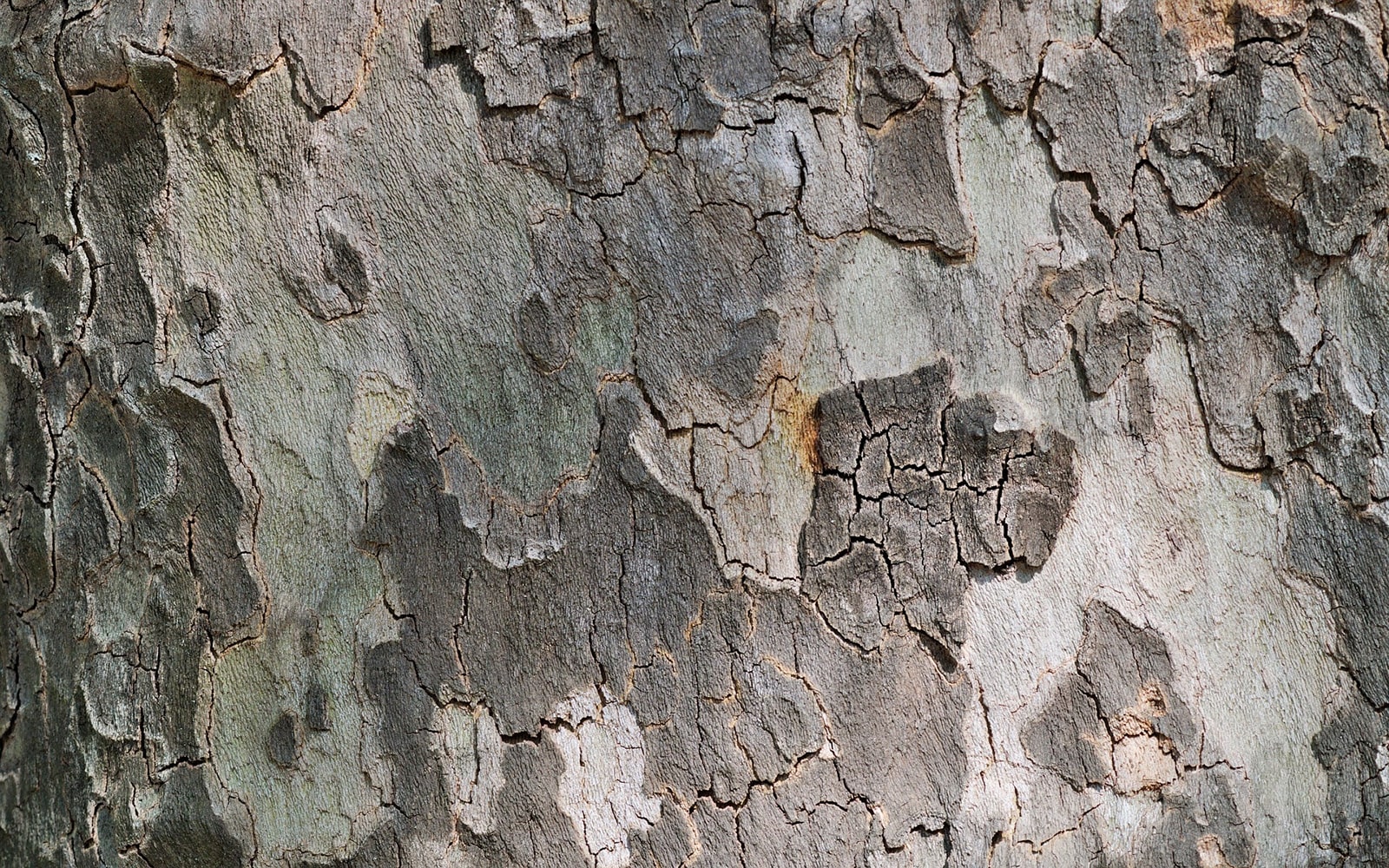
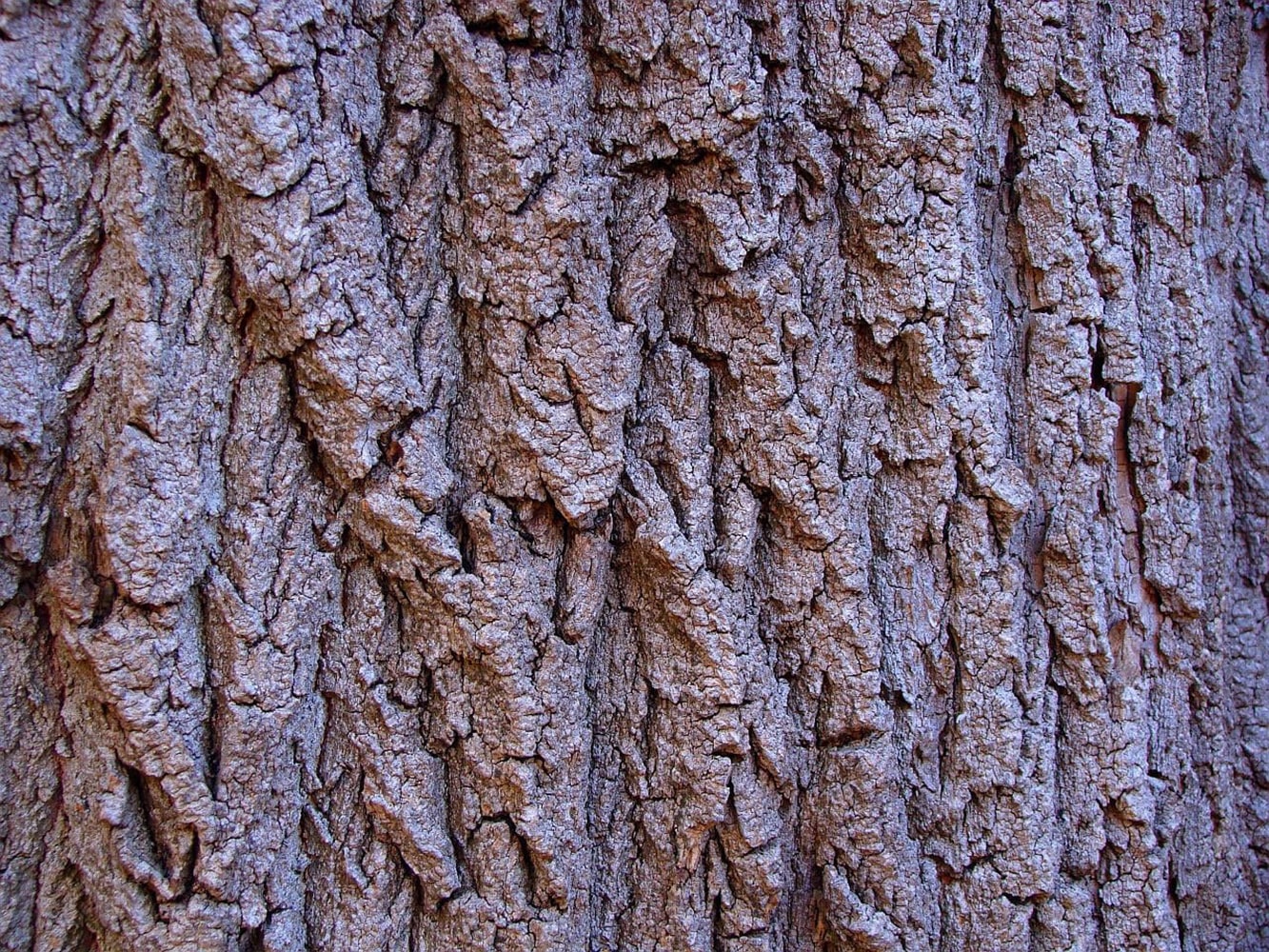
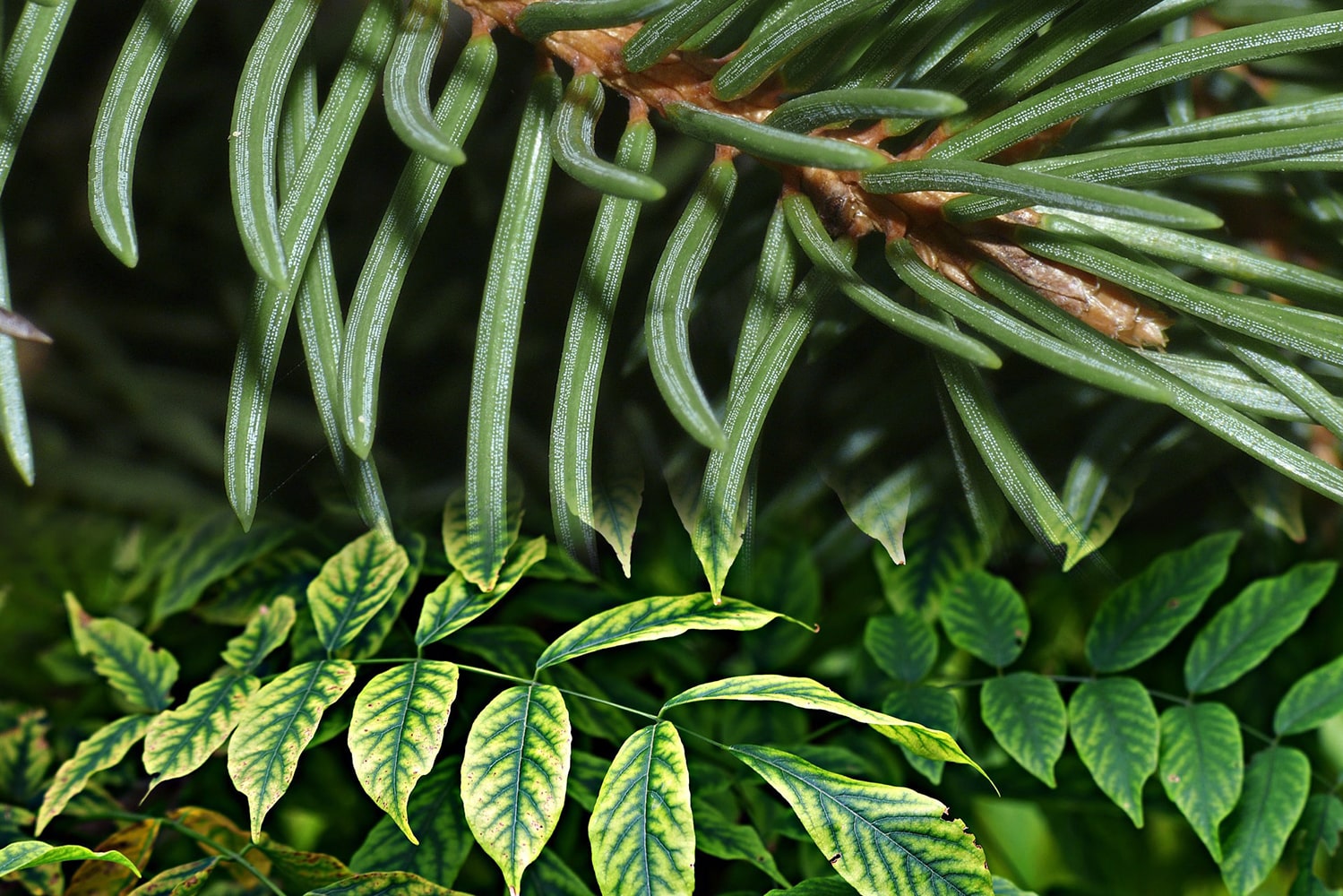
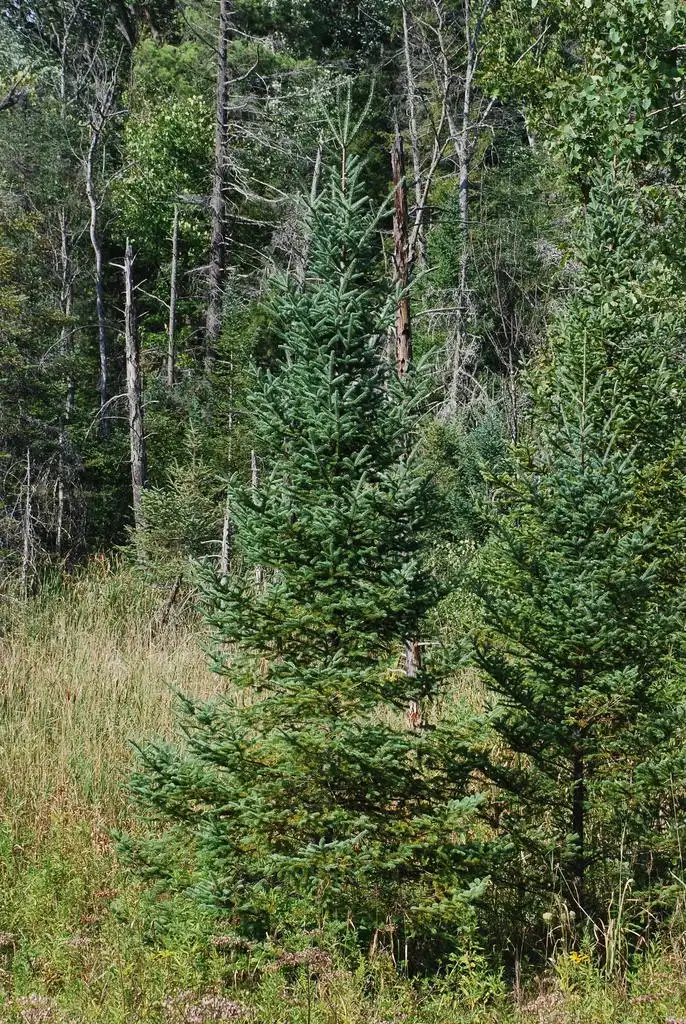
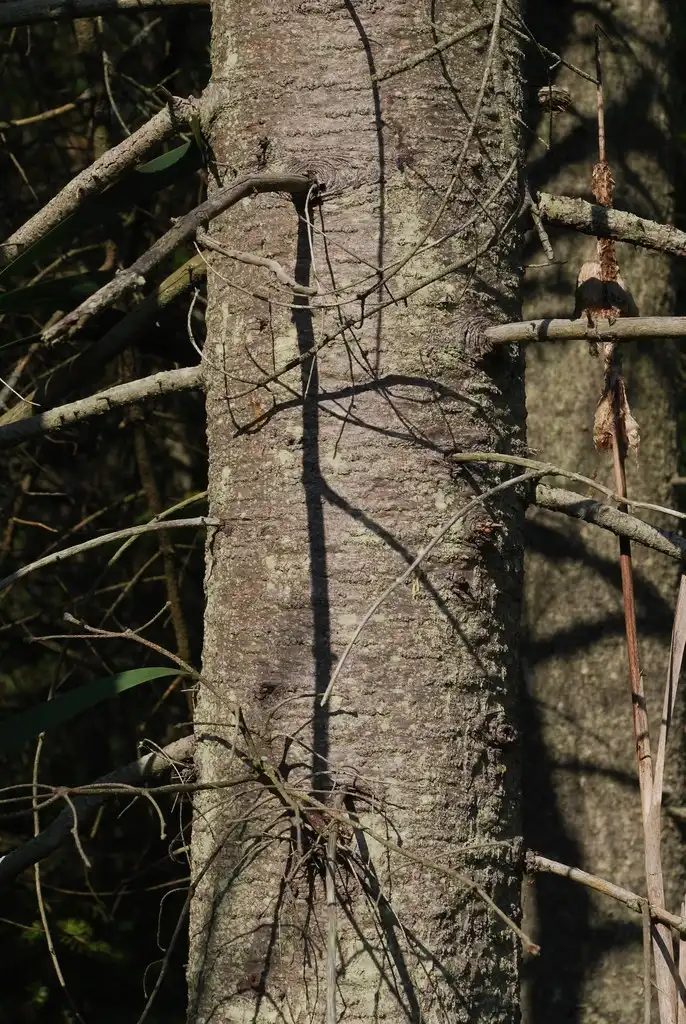
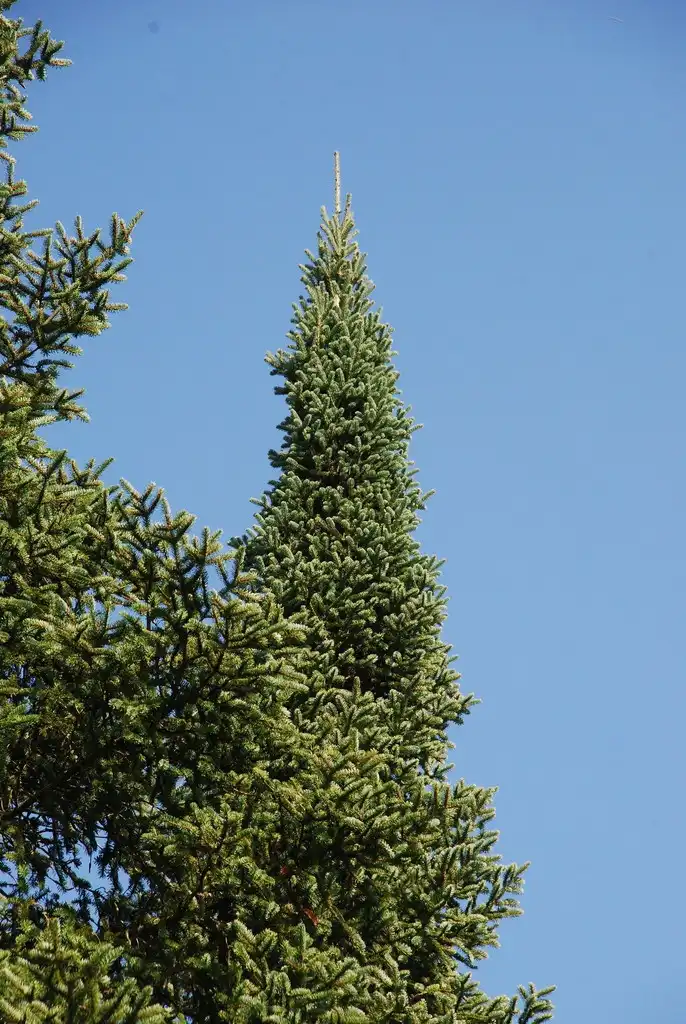
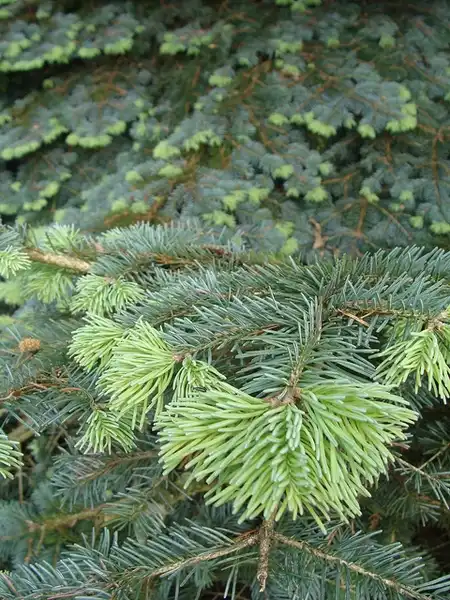
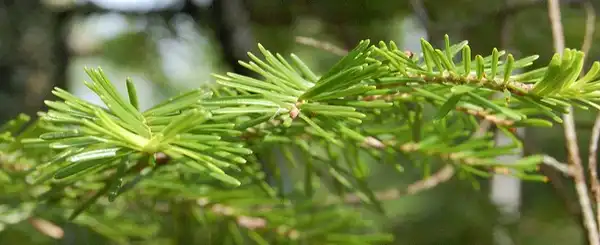
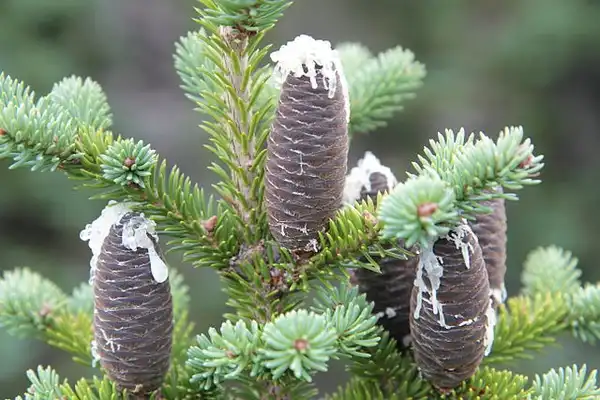
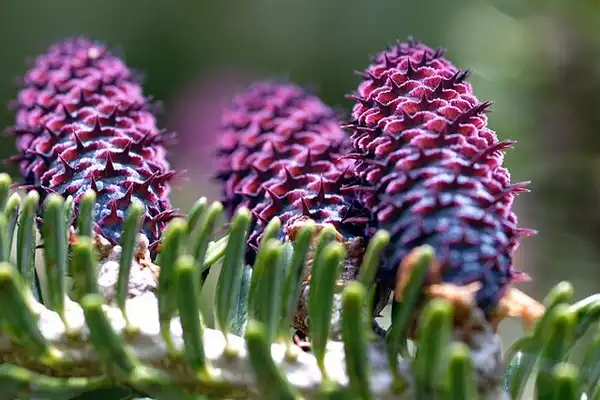
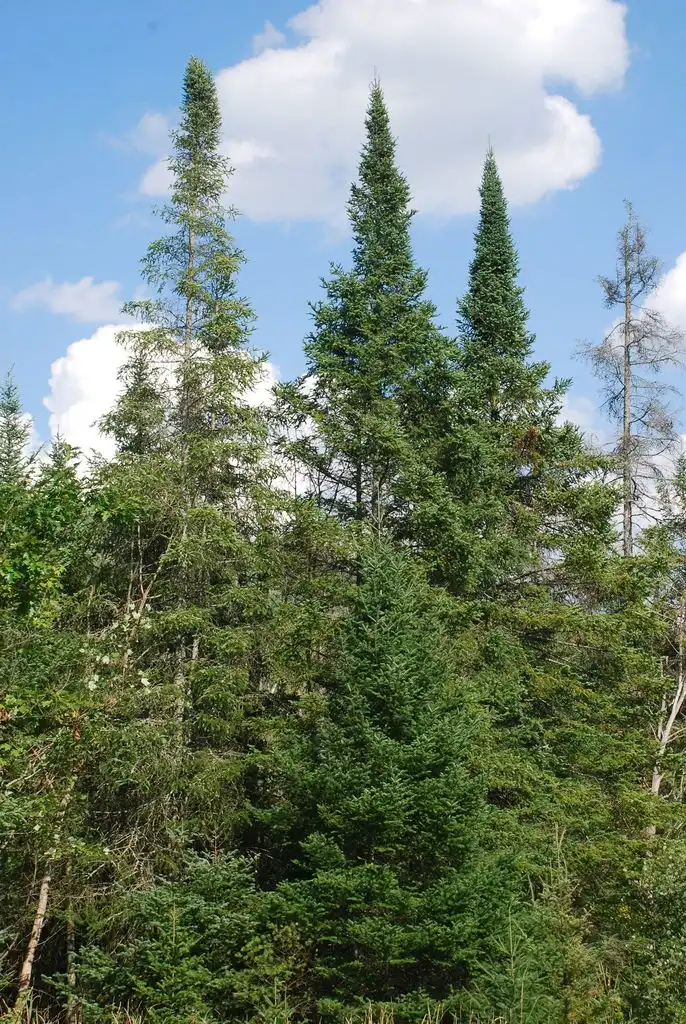
When its needles are crushed, they emit a pleasant aroma, and both its bark and cones are rich in sap, which is reflected in its common and scientific names. The tree has a symmetrical, narrow shape that resembles a pyramid or cone, topped with a spire-like crown. A distinctive characteristic of firs is that their cones grow upright on the branches. Due to its attractive form and ability to retain needles for an extended period, the Balsam Fir is a favored choice for Christmas trees. Its evergreen foliage adds structure to the landscape and visual interest during the winter months. However, it does not fare well in hot conditions or heavy clay soils.
In terms of pests and diseases, the Balsam Fir is relatively resilient. Potential threats include balsam woolly adelgids, bark beetles, spruce budworms, aphids, bagworms, and scale insects. In hot weather, spider mites may also appear. Disease issues can arise, such as cankers, heart rot, root rot, needle rust, and twig blight. Additionally, these trees are sensitive to urban pollution.
Abies balsamea Feature Summary