
Acer palmatum var. dissectum: Uses (Ethnobotany)
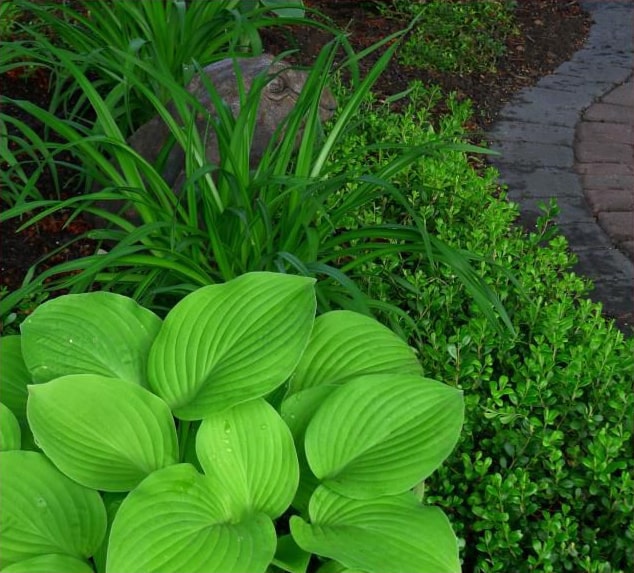
Makes a good dappled shade understory plant.
Phonetic Spelling:AY-ser pahl-MAY-tum dis-SEK-tum
Genus:Acer
Species:palmatum var. dissectum
Family:Sapindaceae
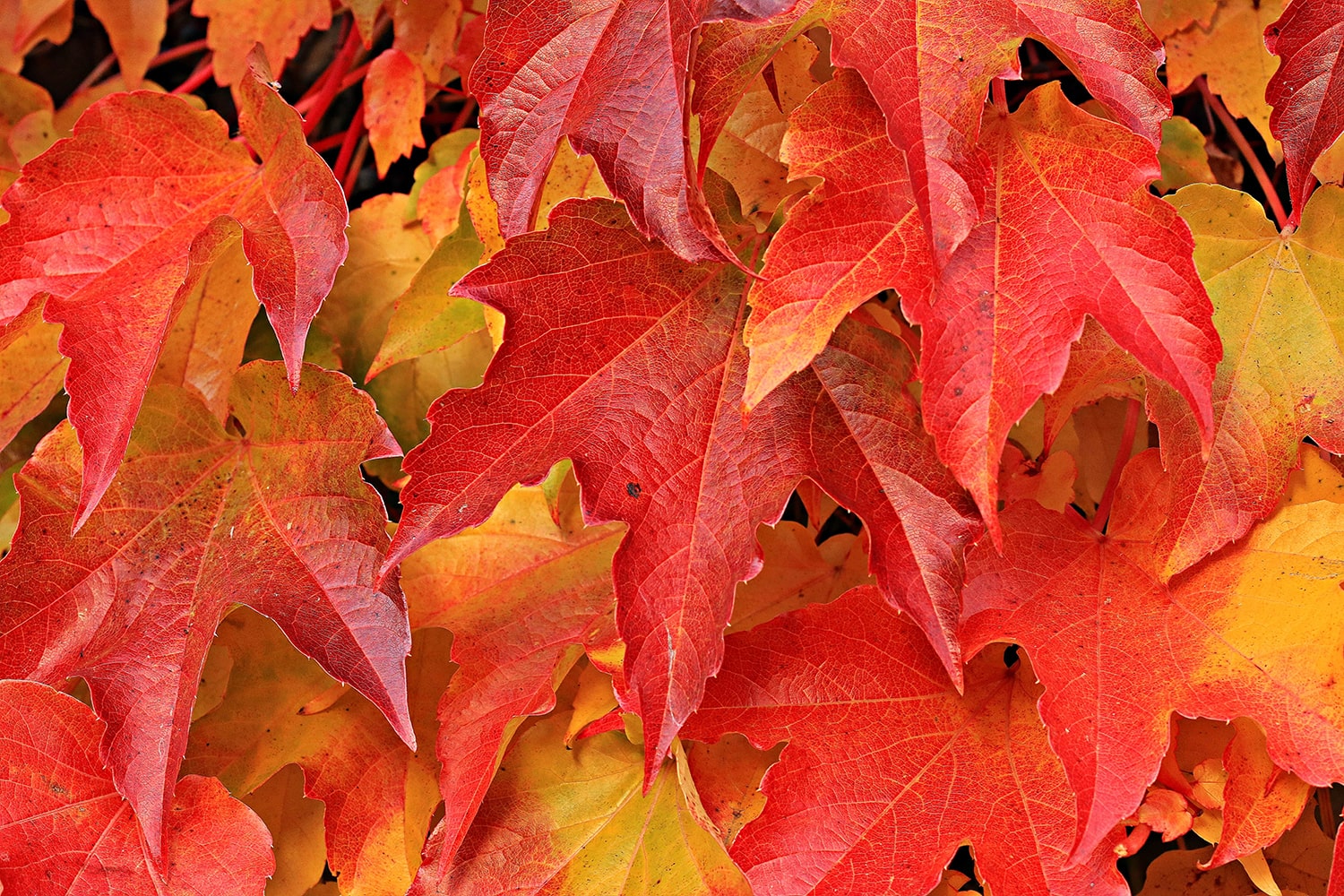
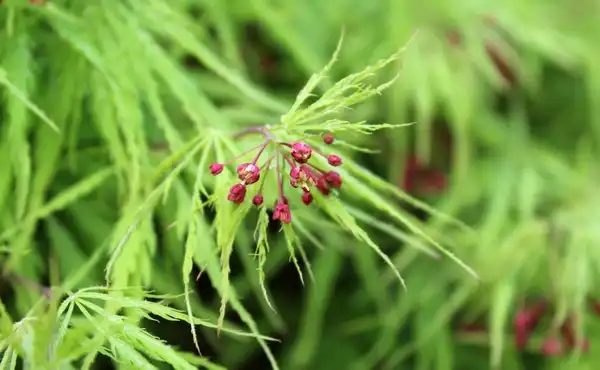
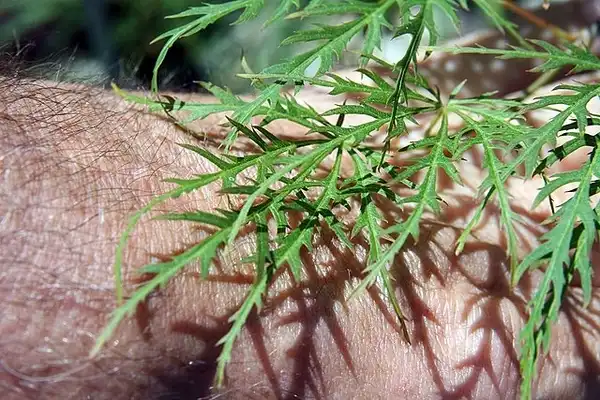
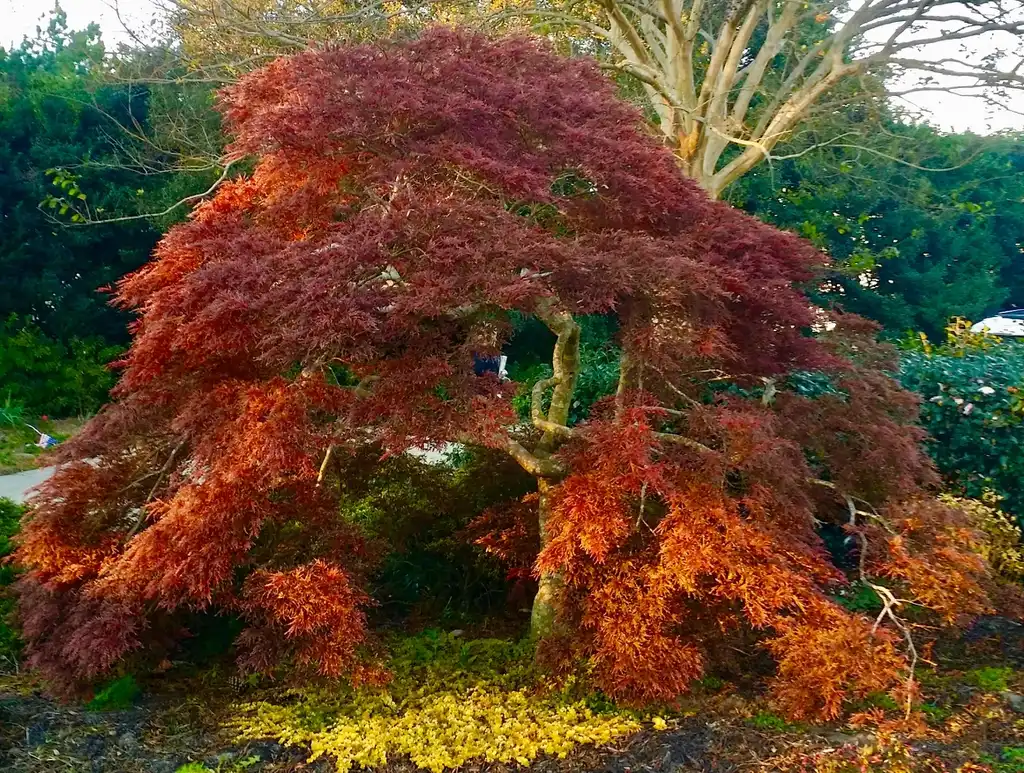
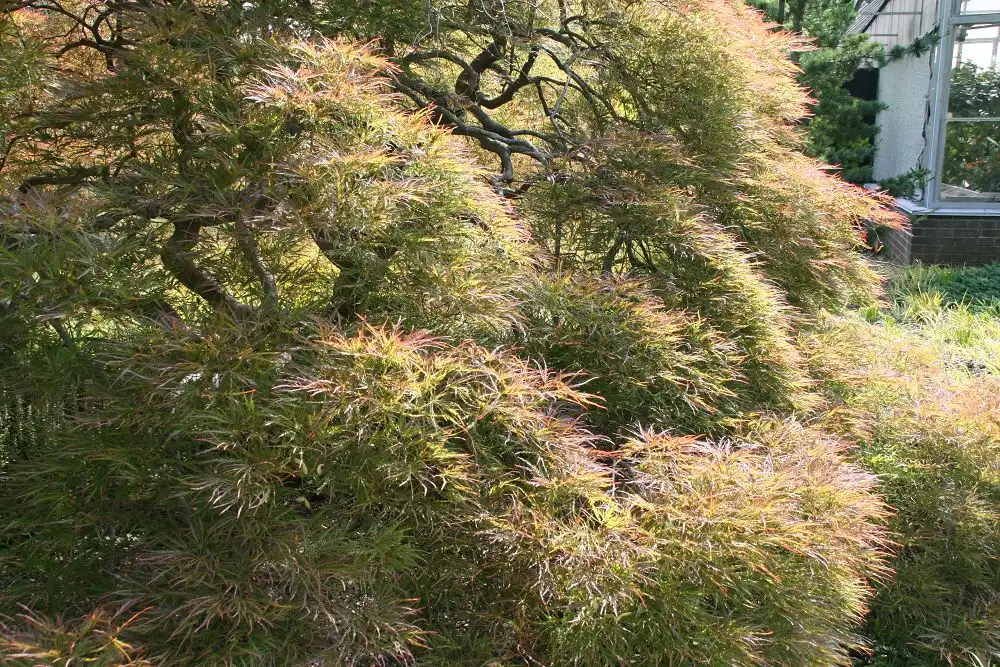
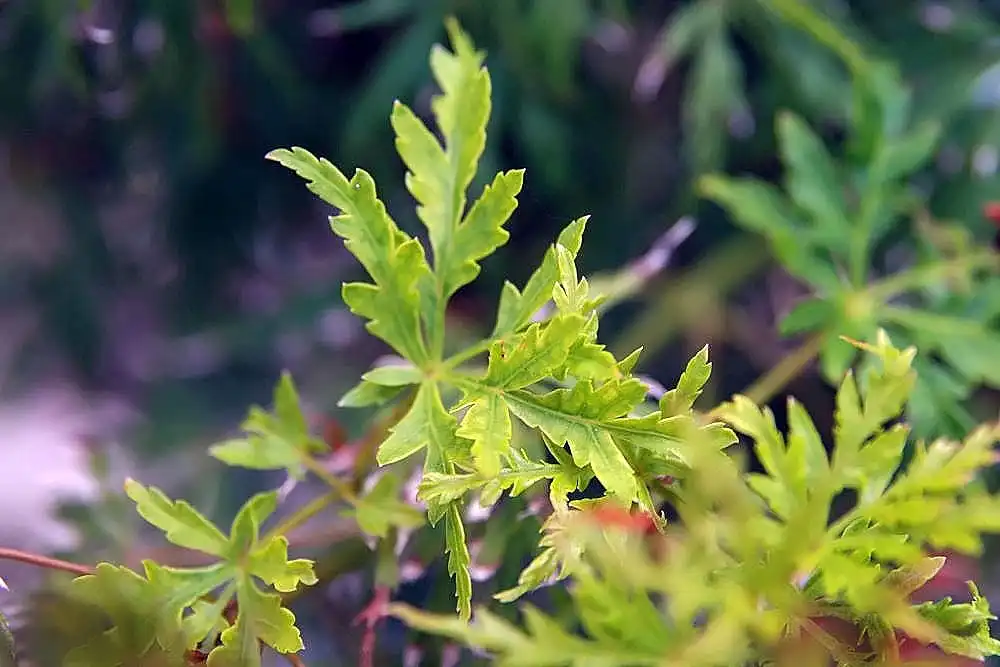
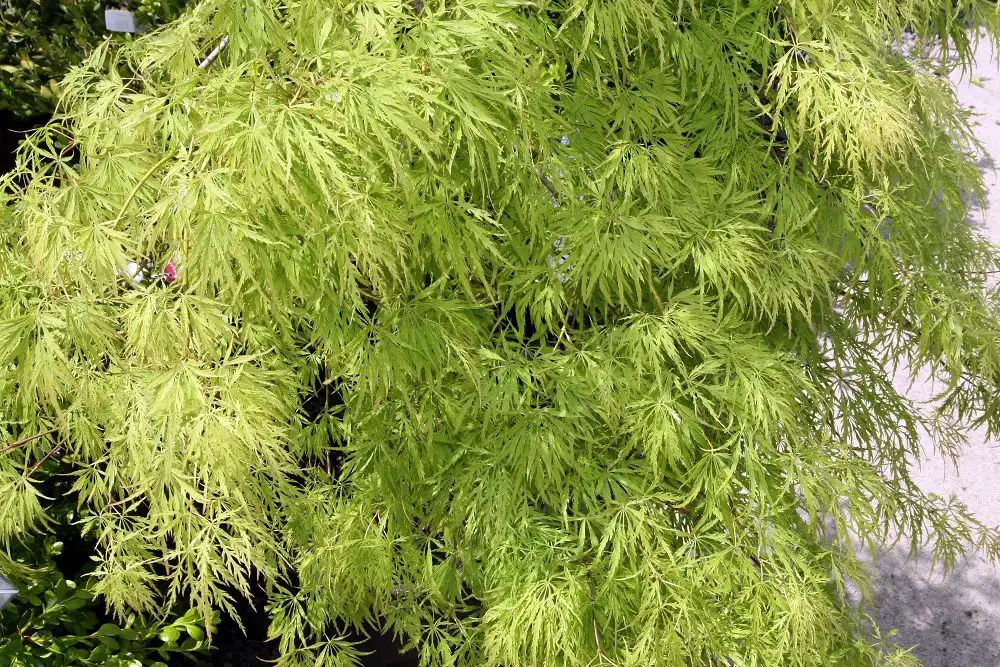
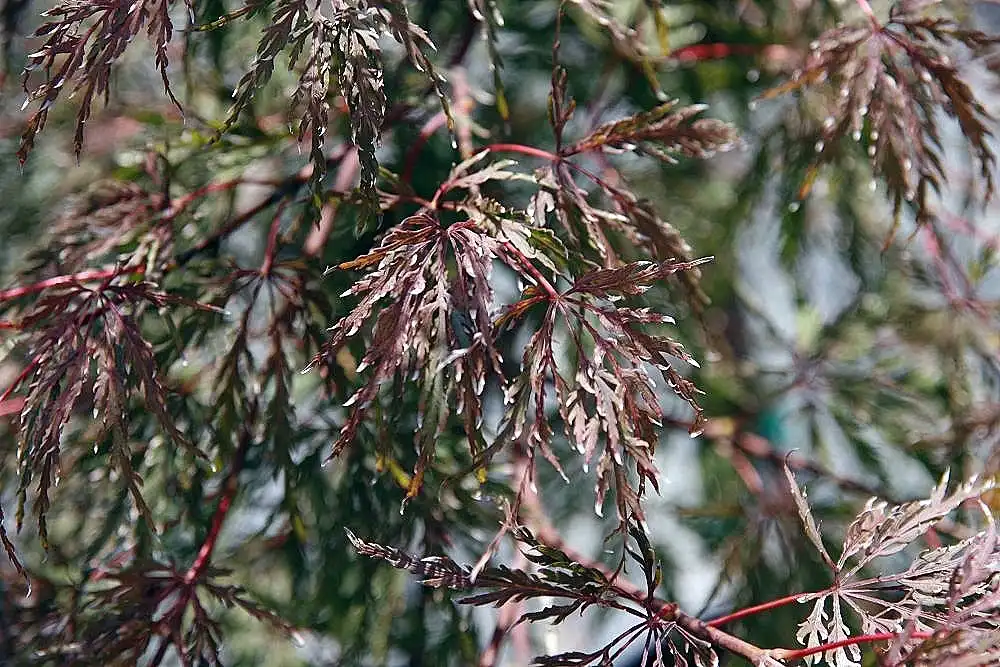
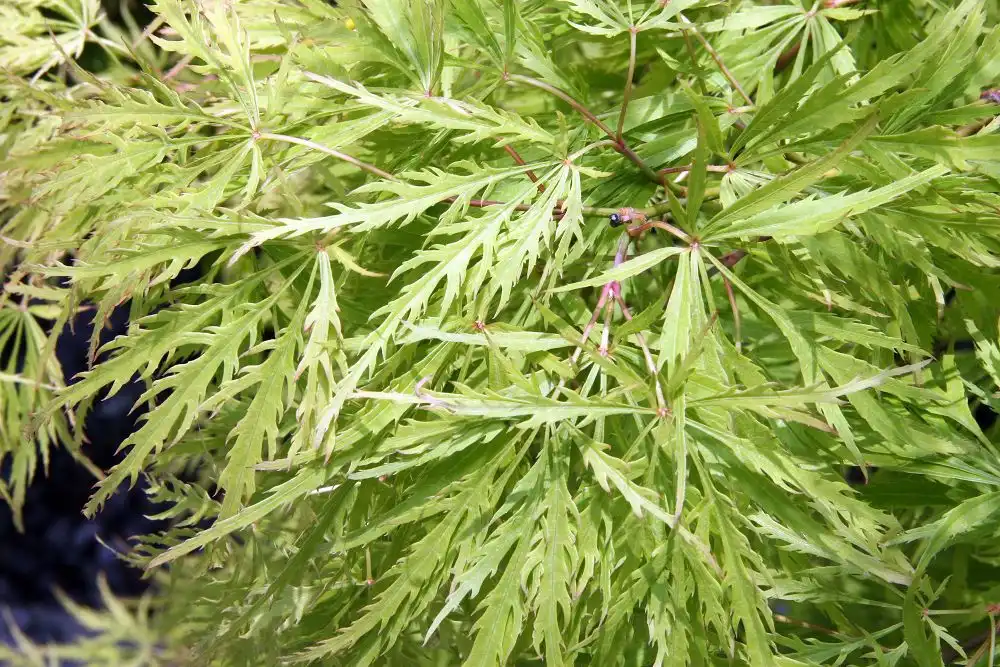
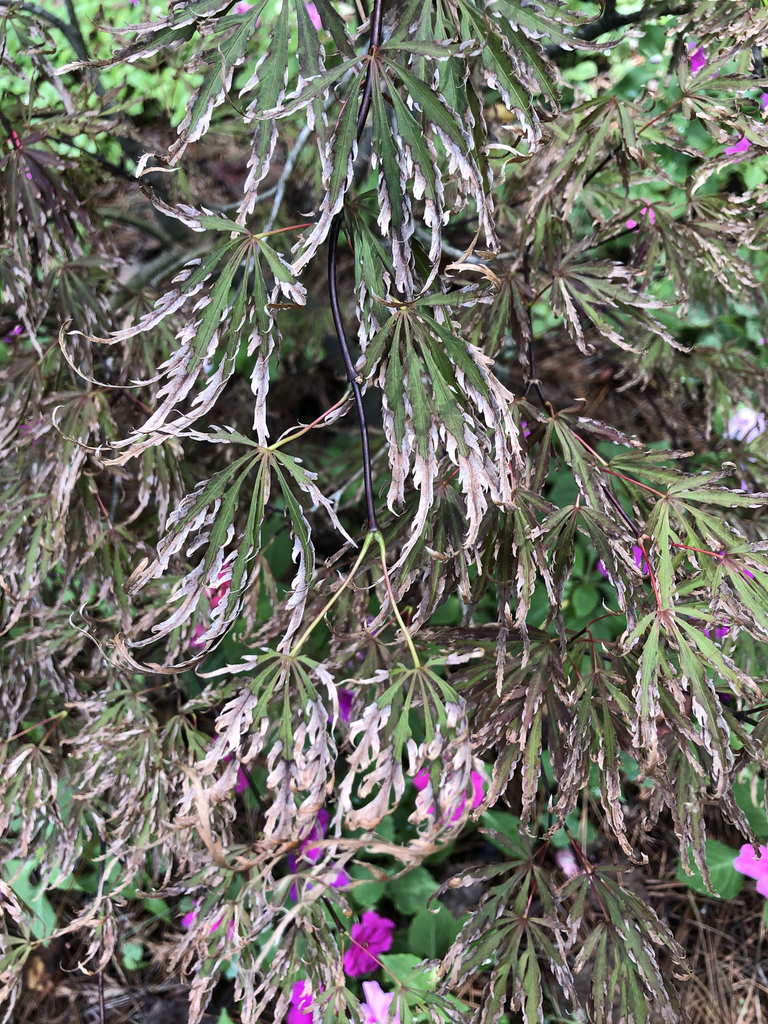
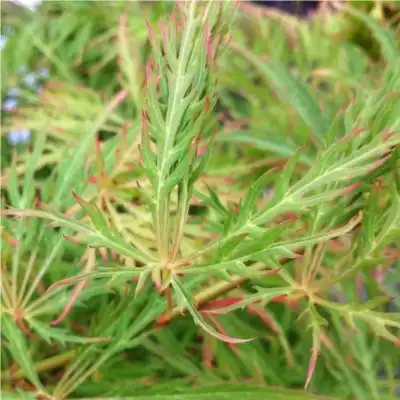
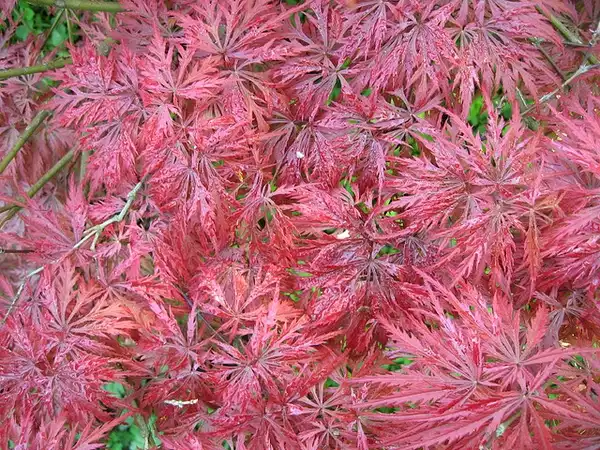
The Japanese lanceleaf maple is a visually appealing deciduous shrub or small tree characterized by its low, spreading form and intricately divided, lace-like leaves. Belonging to the Sapindaceae family, this plant is indigenous to Japan, Korea, and China. Its size and leaf coloration can vary significantly among different cultivars. This maple serves beautifully as a focal point near patios or entryways, or when grouped together at the edges of landscapes or rock gardens. In hot summer regions, new leaves may suffer from scorching if exposed to full sun, especially if the soil lacks consistent moisture. Applying mulch can help retain soil moisture and keep the roots cool. It’s advisable to avoid planting in hot, dry locations and to shield the tree from strong winds. While pruning should generally be minimal, if necessary, it is best performed from late fall to mid-winter, as spring or summer pruning can lead to excessive sap bleeding.
This tree thrives in moist, organically rich, slightly acidic, and well-drained soils, particularly favoring sandy loams. It prefers full sun to partial shade, ideally with some afternoon shade, making it an excellent choice for dappled shade in understory plantings.
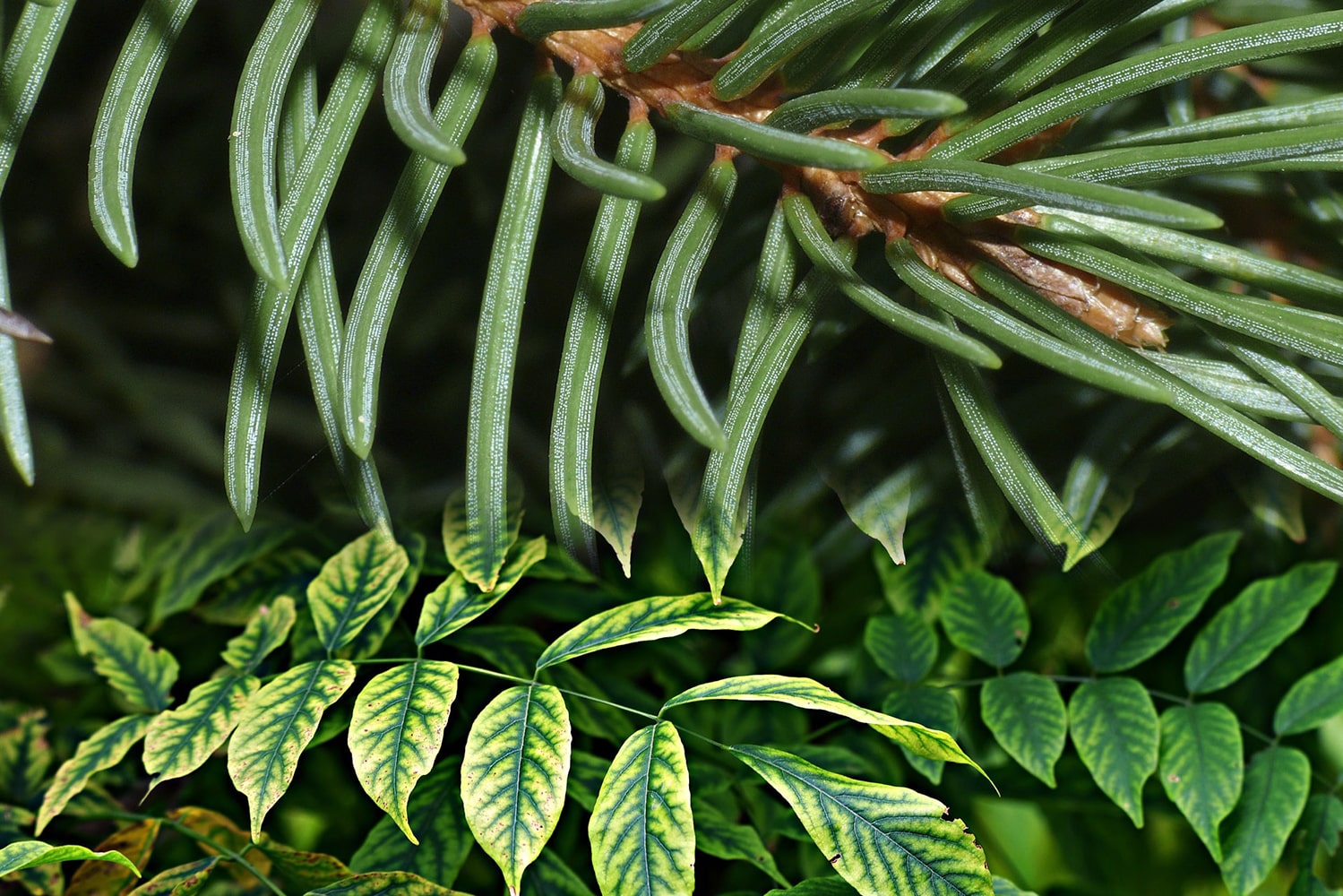
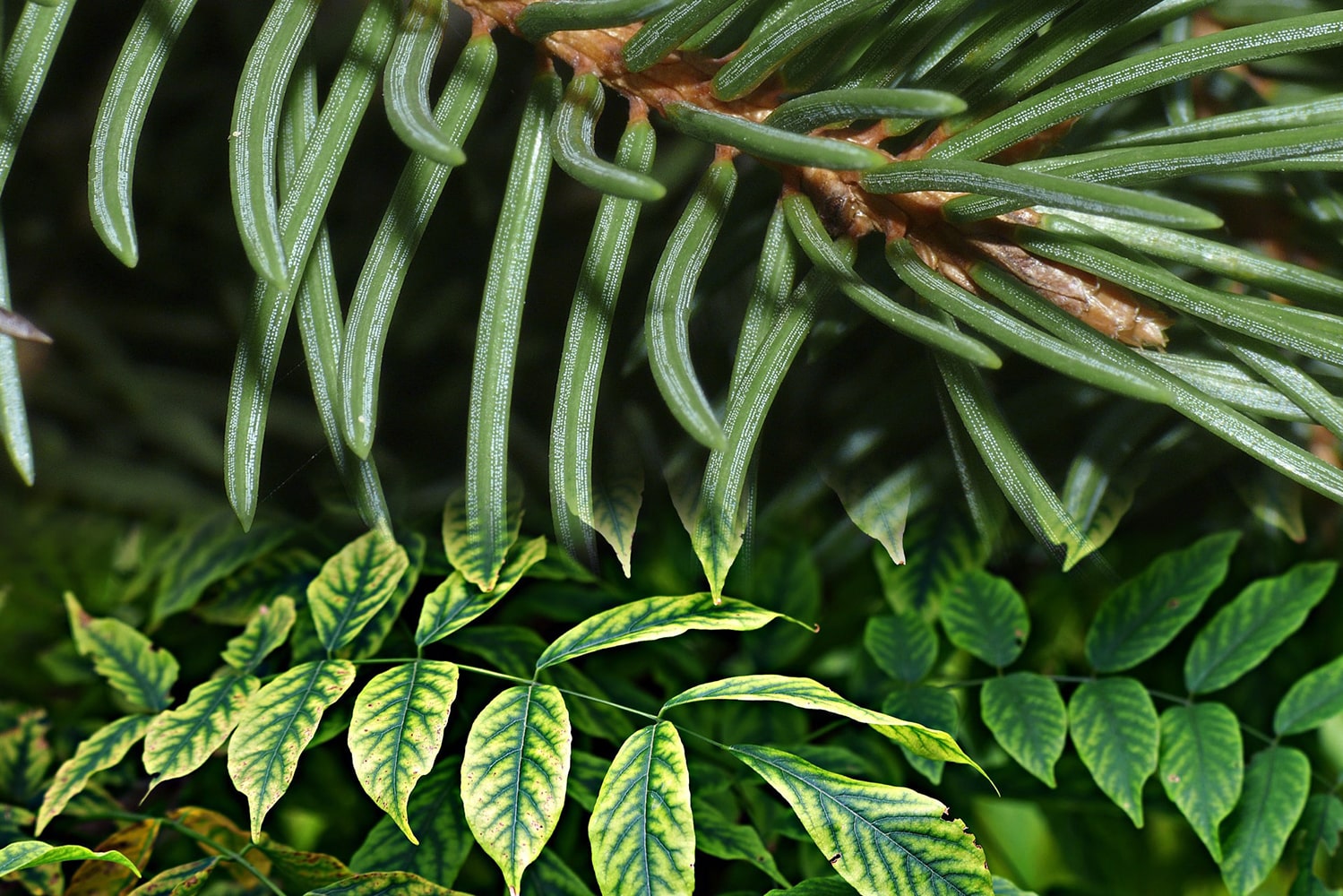
In terms of pests and diseases, the Japanese lanceleaf maple is largely resilient, facing no significant issues. However, young leaves that emerge in early spring may be vulnerable to frost damage, and high pH levels in the soil can lead to chlorosis.
For further details on Acer palmatum, please refer to additional resources.
Acer palmatum var. dissectum Feature Summary
Acer palmatum var. dissectum Image Gallery