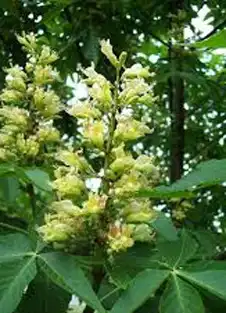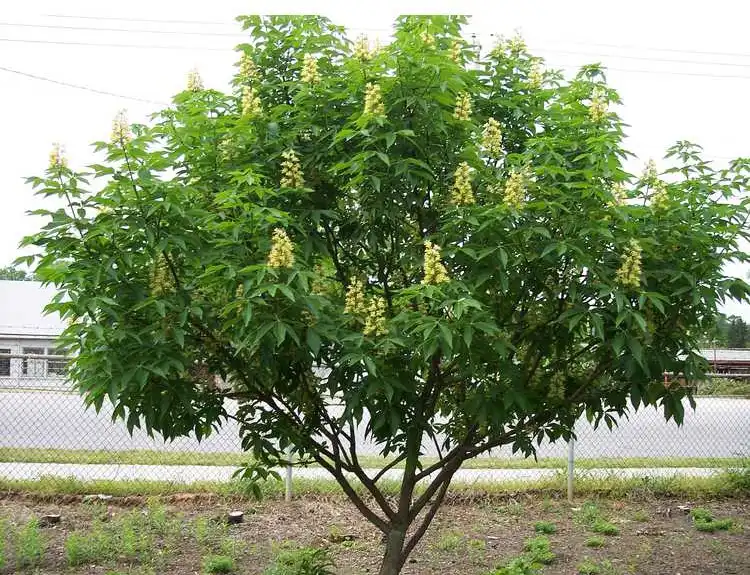
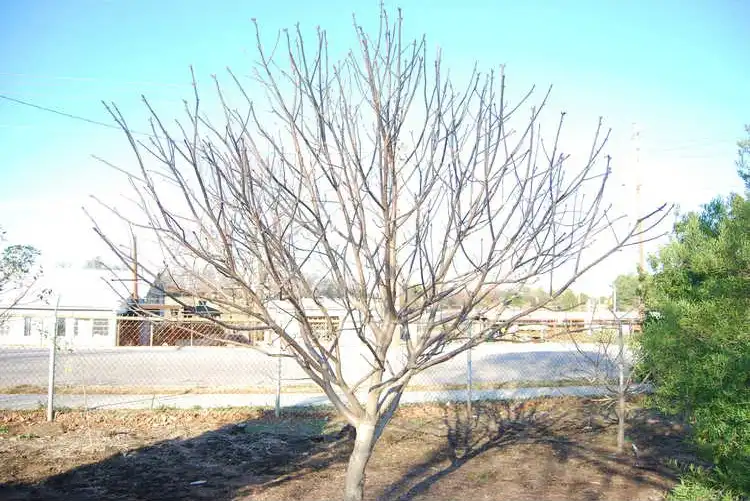
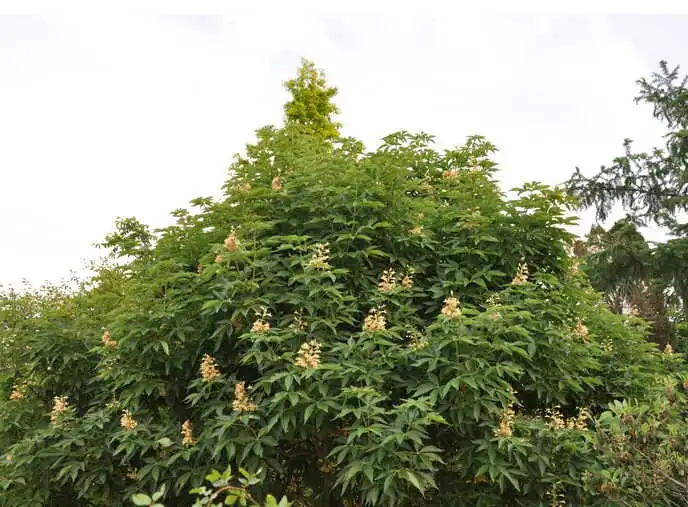
• Photo of Aesculus 'Homestead' (Aesculus 'Homestead's)

Plant Profile: Aesculus 'Homestead'

Names

Homestead Buckeye

  • Photo of Aesculus 'Homestead' (Aesculus 'Homestead's)

Phonetic Spelling:ES-kew-lus BI howm·sted

Genus:Aesculus

Species:

Family:Sapindaceae

Homestead Buckey, developed by South Dakota State University in 1990, is a hybrid of A. flava and A. glabra. This tree, which typically grows to a height of 25 to 40 feet and a width of 15 to 20 feet, features a rounded form and a medium to coarse texture. Its broad, rounded shape showcases low-hanging branches and presents an appealing silhouette during winter months when the foliage has fallen.

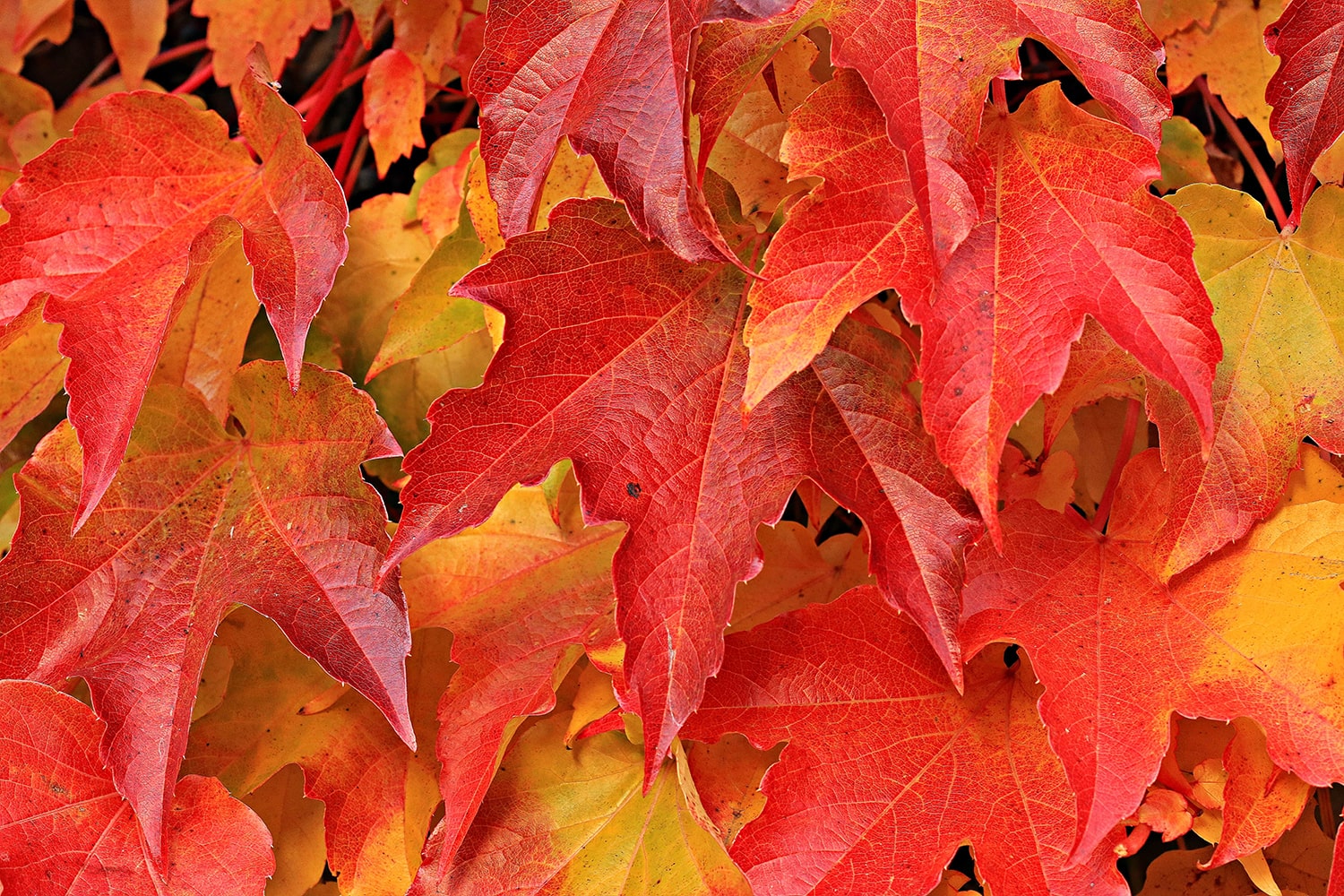
For optimal growth, it should be planted in full sun to partial shade within moist, well-drained soil, as it struggles in dry conditions. In the fall, its leaves transform into a striking deep red with hints of burnt orange, although the tree produces very few fruits. The medium green foliage is notably resistant to scorching and powdery mildew, making it an excellent option for urban settings such as parks and street plantings.

Aesculus 'Homestead' Feature Summary

Aesculus 'Homestead' Image Gallery

Tags

#red
#deciduous
#yellow
#small tree
#full sun tolerant
#orange
#orange leaves
#red flowers
#yellow flowers
#tree
#yellow leaves
#winter interest
#fall color yellow
#fall color red
#fall color orange
#partial shade tolerant
#problem for cats
#problem for dogs
#problem for horses
#fruitless

Similar Plants

Aesculus 'Homestead' is often confused with:

Aesculus 'Homestead' Feature Summary

Fruit
Produces very few fruits.
Brown/Copper
Flowers
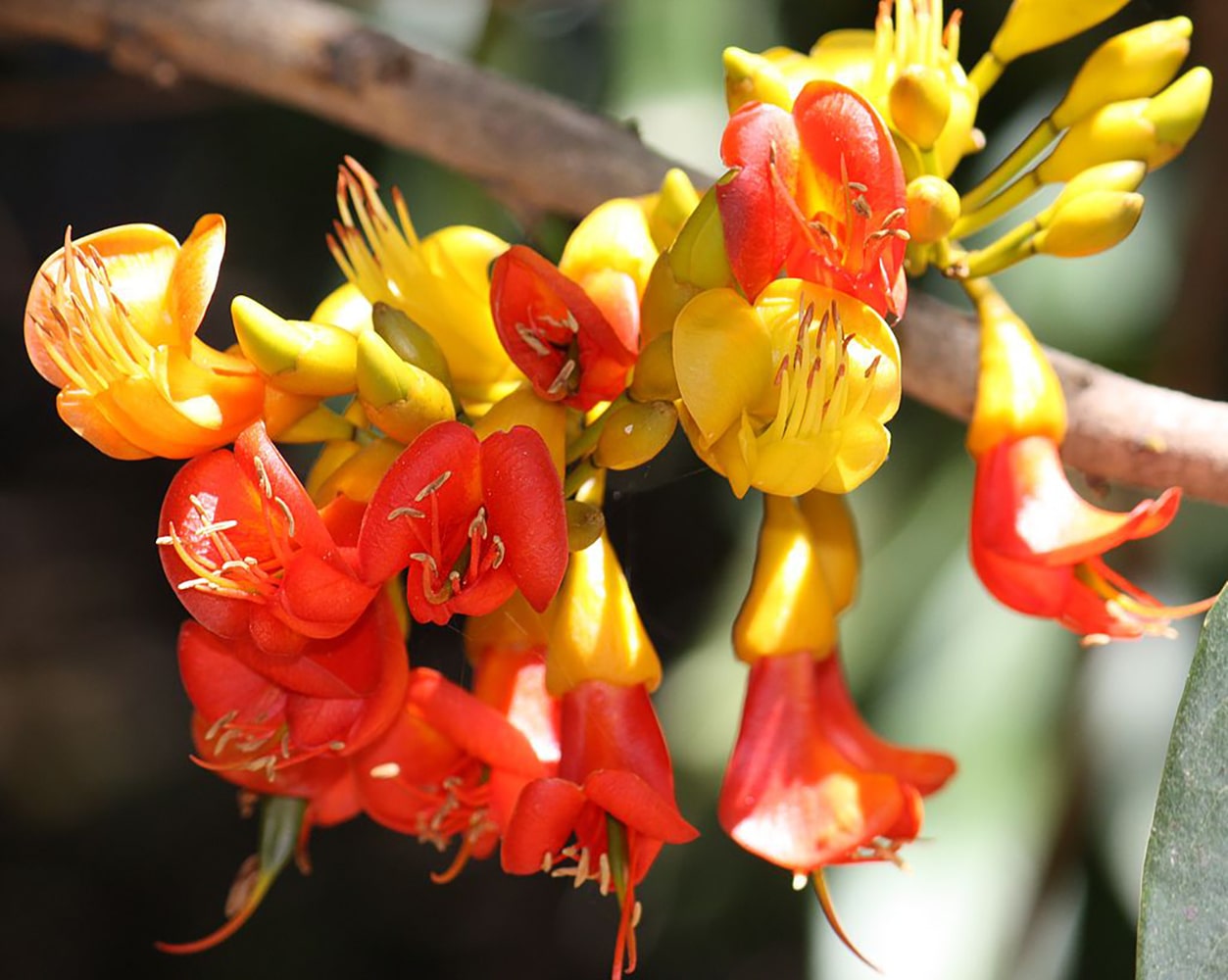
Panicle of yellowish red flowers which are sterile open from mid-May-June.
Gold/Yellow
Red/Burgundy
Spring
Summer
Leaves
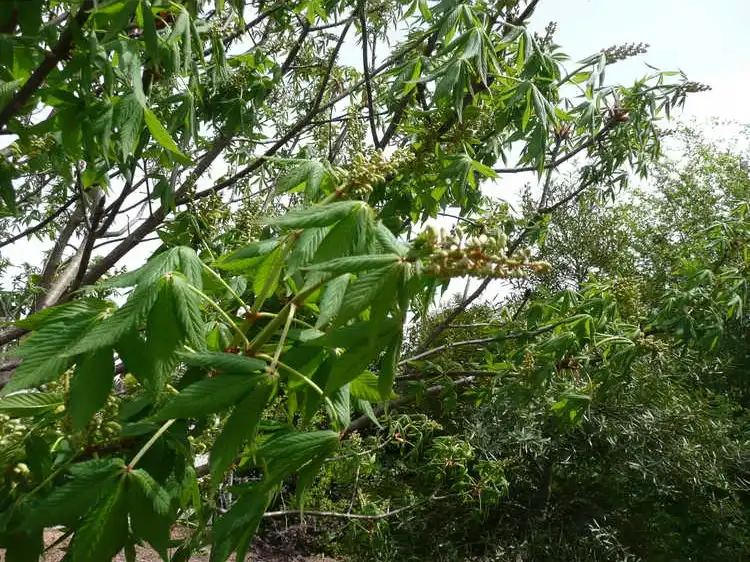
Opposite, palmately compound leaves with five leaflet. Red, yellow, to orange fall color
Gold/Yellow
Orange
Red/Burgundy
Compound (Pinnately , Bipinnately, Palmately)
Poisonous to Humans
Severe vomiting and diarrhea, depression or excitement, dilated pupils, coma, convulsions, wobbly
Aesculin (a glycosidic saponin), other saponins
Whole Plant Traits
Cultural Conditions
Full sun (6 or more hours of direct sunlight a day)
Partial Shade (Direct sunlight only part of the day, 2-6 hours)
Good Drainage
Moist
24-60 feet
12-24 feet
4a
4b
5b
5a
6a
6b
7a
7b
8b
8a
Clay
High Organic Matter
Loam (Silt)
Sand
Landscape
Winter Garden
Shade Tree
Accent
Street Tree
Small Tree
Problem for Cats
Problem for Dogs
Problem for Horses
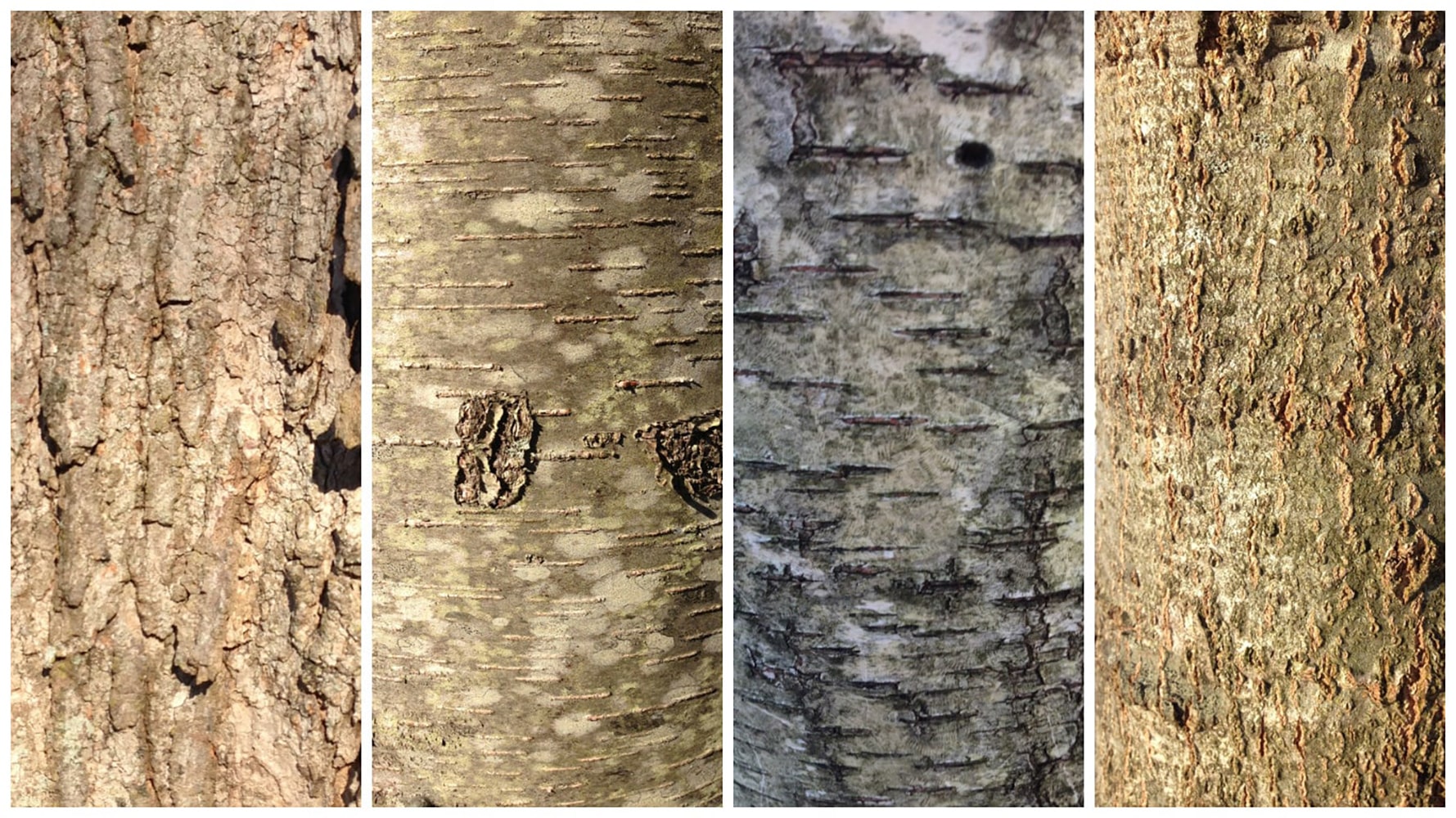
Bark
Dark Gray
Dark Brown

Aesculus 'Homestead' Attributes

Aesculus 'Homestead': Particularly Resistant To (Insects/Diseases/Other Problems)

Powdery mildew, scorching
Aesculus 'Homestead': Life Cycle

Annual
Biennial
Bulb
Perennial
Woody

Aesculus 'Homestead' Fruit

Aesculus 'Homestead': Fruit Description

Produces very few fruits.

Aesculus 'Homestead': Fruit Type

Achene
Aggregate
Berry
Capsule
Caryopsis
Drupe
Follicle
Legume
Nut
Pome
Samara
Schizocarp
Siliqua

Aesculus 'Homestead': Fruit Color

grass
Brown/Copper

Aesculus 'Homestead' Flowers

Aesculus 'Homestead': Flower Description

Panicle of yellowish red flowers which are sterile open from mid-May-June.

Aesculus 'Homestead': Flower Color

filter_vintage
Gold/Yellow
filter_vintage
Red/Burgundy

Aesculus 'Homestead': Flower Inflorescence

Catkin
Corymb
Cyme
Head
Insignificant
Panicle
Raceme
Solitary
Spadix
Spike
Umbel

Aesculus 'Homestead': Flower Bloom Time

Winter
Spring
Summer
Fall

Aesculus 'Homestead' Leaves

Aesculus 'Homestead': Leaf Description

Opposite, palmately compound leaves with five leaflet. Red, yellow, to orange fall color

Aesculus 'Homestead': Woody Plant Leaf Characteristics

Broadleaf Evergreen
Deciduous
Needled Evergreen
Semi-evergreen

Aesculus 'Homestead': Leaf Color

spa
Green

Aesculus 'Homestead': Deciduous Leaf Fall Color

spa
Gold/Yellow
spa
Orange
spa
Red/Burgundy

Aesculus 'Homestead': Leaf Type

Compound (Pinnately , Bipinnately, Palmately)
Fronds
Needles
Sheath
Simple

Aesculus 'Homestead': Leaf Arrangement

Alternate
Opposite
Other/more complex
Rosulate
Whorled

Aesculus 'Homestead': Leaf Margin

Crenate
Crenulate
Dentate
Denticulate
Doubly Crenate
Doubly Dentate
Doubly Serrate
Entire
Lobed
Serrate
Sinuate
Undulate

Aesculus 'Homestead': Hairs Present

No
Yes

Aesculus 'Homestead' Poisonous to Humans

Aesculus 'Homestead': Poison Symptoms

Severe vomiting and diarrhea, depression or excitement, dilated pupils, coma, convulsions, wobbly

Aesculus 'Homestead': Poison Toxic Principle

Aesculin (a glycosidic saponin), other saponins

Aesculus 'Homestead': Poison Severity

High
Low
Medium

Aesculus 'Homestead': Causes Contact Dermatitis

No
Yes

Aesculus 'Homestead': Poison Part

Bark
Flowers
Fruits
Leaves
Roots
Sap/Juice
Seeds
Stems

Aesculus 'Homestead' Whole Plant Traits

Aesculus 'Homestead': Plant Type

Annual
Bulb
Carnivorous
Edible
Epiphyte
Fern
Ground Cover
Herb
Herbaceous Perennial
Houseplant
Mushroom
Native Plant
Ornamental Grasses and Sedges
Perennial
Poisonous
Rose
Shrub
Succulent
Tree
Turfgrass
Vegetable
Vine
Water Plant
Weed
Wildflower

Aesculus 'Homestead': Woody Plant Leaf Characteristics

Broadleaf Evergreen
Deciduous
Needled Evergreen
Semi-evergreen

Aesculus 'Homestead': Habit/Form

Arching
Ascending
Broad
Cascading
Climbing
Clumping
Columnar
Conical
Creeping
Dense
Erect
Horizontal
Irregular
Mounding
Multi-stemmed
Multi-trunked
Open
Oval
Prostrate
Pyramidal
Rounded
Spreading
Vase
Weeping

Aesculus 'Homestead': Growth Rate

Slow
Medium
Rapid

Aesculus 'Homestead': Texture

Fine
Medium
Coarse

Aesculus 'Homestead' Cultural Conditions

Aesculus 'Homestead': Light

Dappled Sunlight (Shade through upper canopy all day)
Deep shade (Less than 2 hours to no direct sunlight)
Full sun (6 or more hours of direct sunlight a day)
Partial Shade (Direct sunlight only part of the day, 2-6 hours)

Aesculus 'Homestead': Soil Drainage

Frequent Standing Water
Good Drainage
Moist
Occasional Flooding
Occasionally Dry
Occasionally Wet
Very Dry

Aesculus 'Homestead': Available Space To Plant

12 inches-3 feet
12-24 feet
24-60 feet
3 feet-6 feet
6-feet-12 feet
Less than 12 inches
more than 60 feet

Aesculus 'Homestead': USDA Plant Hardiness Zone

thermostat
4a
thermostat
4b
thermostat
5a
thermostat
5b
thermostat
6a
thermostat
6b
thermostat
7a
thermostat
7b
thermostat
8a
thermostat
8b

Aesculus 'Homestead': Soil Texture

Clay
High Organic Matter
Loam (Silt)
Sand
Shallow Rocky

Aesculus 'Homestead' Stem

Aesculus 'Homestead': Stem Is Aromatic

No
Yes

Aesculus 'Homestead' Landscape

Aesculus 'Homestead': Landscape Theme

Asian Garden
Butterfly Garden
Children's Garden
Cottage Garden
Cutting Garden
Drought Tolerant Garden
Edible Garden
English Garden
Fairy Garden
Garden for the Blind
Native Garden
Nighttime Garden
Pollinator Garden
Rain Garden
Rock Garden
Shade Garden
Water Garden
Winter Garden

Aesculus 'Homestead': Design Feature

Accent
Barrier
Border
Flowering Tree
Foundation Planting
Hedge
Mass Planting
Screen/Privacy
Security
Shade Tree
Small groups
Small Tree
Specimen
Street Tree
Understory Tree

Aesculus 'Homestead': Resistance To Challenges

Black Walnut
Compaction
Deer
Diseases
Drought
Dry Soil
Erosion
Fire
Foot Traffic
Heat
Heavy Shade
Humidity
Insect Pests
Pollution
Poor Soil
Rabbits
Salt
Slugs
Squirrels
Storm damage
Urban Conditions
Voles
Wet Soil
Wind

Aesculus 'Homestead': Problems

Allelopathic
Contact Dermatitis
Frequent Disease Problems
Frequent Insect Problems
Invasive Species
Malodorous
Messy
Poisonous to Humans
Problem for Cats
Problem for Children
Problem for Dogs
Problem for Horses
Short-lived
Spines/Thorns
Weak Wood
Weedy

Aesculus 'Homestead' Bark

Aesculus 'Homestead': Bark Color

grass
Dark Brown
grass
Dark Gray