Agave americana: Country Or Region Of Origin
Mexico and Southwestern United States
Phonetic Spelling:ah-GAH-vay a-mer-ih-KAY-na
Genus:Agave
Species:americana
Family:Asparagaceae
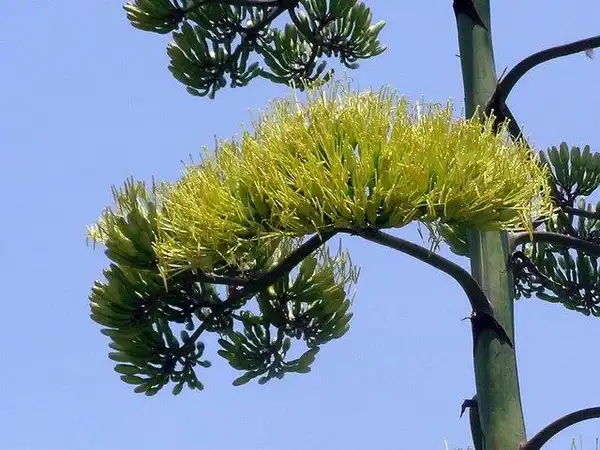
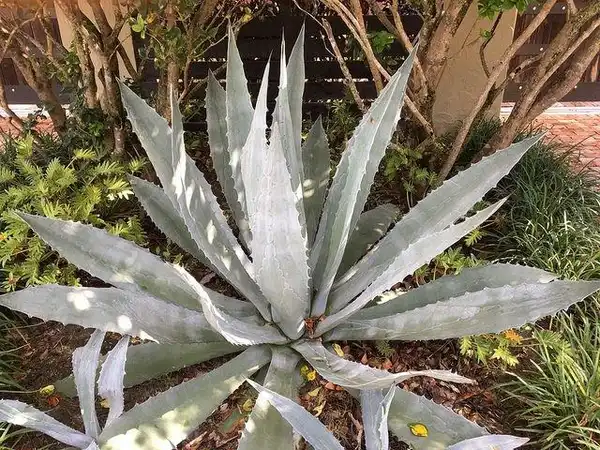
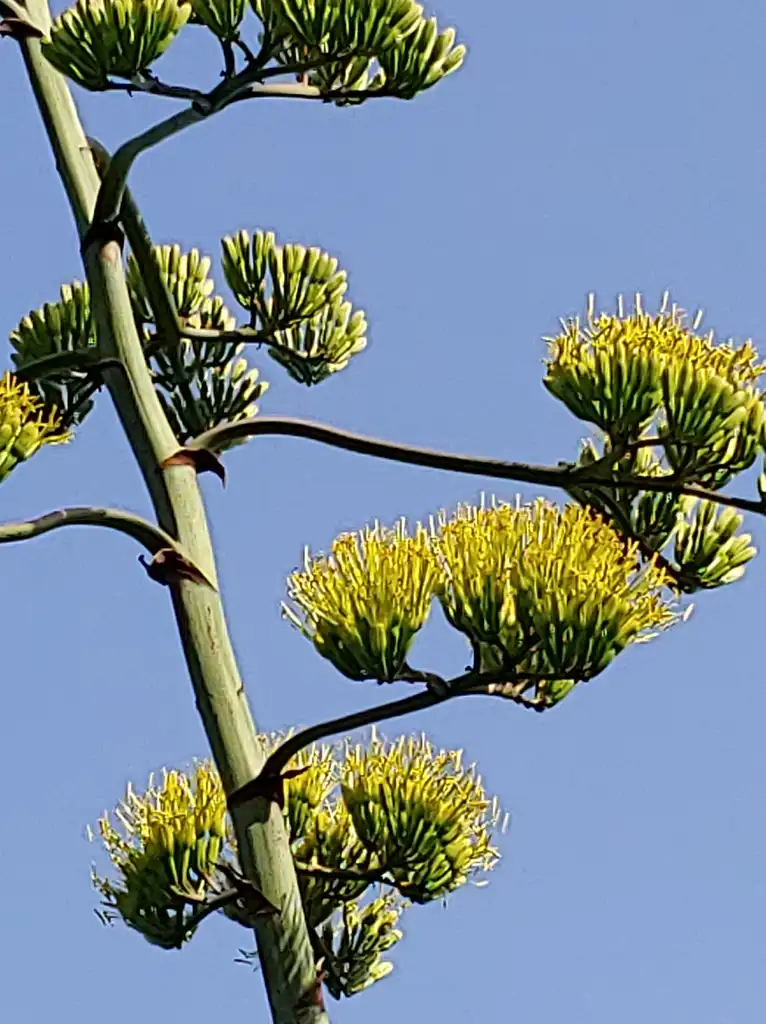
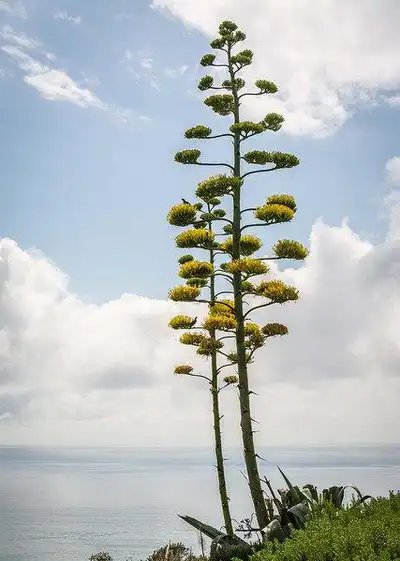
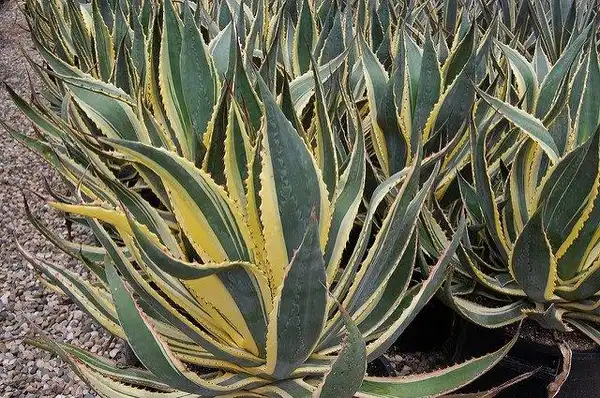
The American century plant is a perennial succulent that forms a rosette and belongs to the Asparagaceae family. Its common name stems from the misconception that it takes a century for the plant to bloom; in reality, it flowers in about 10 to 25 years. However, once it does flower, the main plant dies. During its blooming phase, a single flowering stalk emerges from the center of the leaves, reaching heights of 15 to 30 feet or more. This stalk resembles a slender telephone pole, with horizontal branches near the top. The greenish-yellow flowers, each measuring 3 to 4 inches long, bloom in clusters at the ends of these branches. As the plant flowers, it produces vegetative offsets at the base, making propagation straightforward. Its unique sculptural appearance adds winter interest to gardens, and it is notably tolerant of salt.
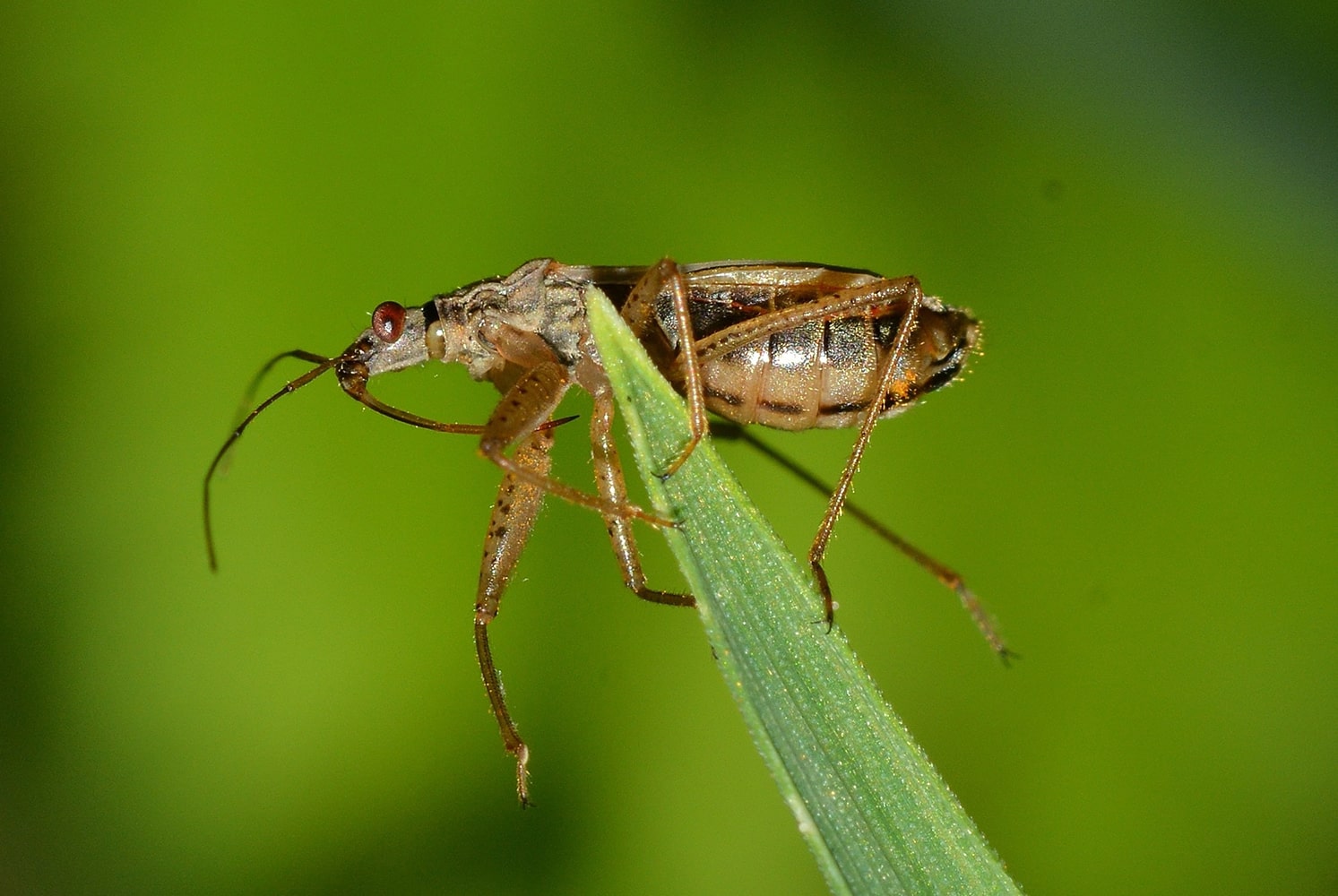
In terms of pests and diseases, the American century plant generally faces no significant issues, although the agave weevil can be a nuisance. Slugs and snails may also cause some damage to the foliage, and root rot can occur, especially in soils that are poorly drained or excessively moist.
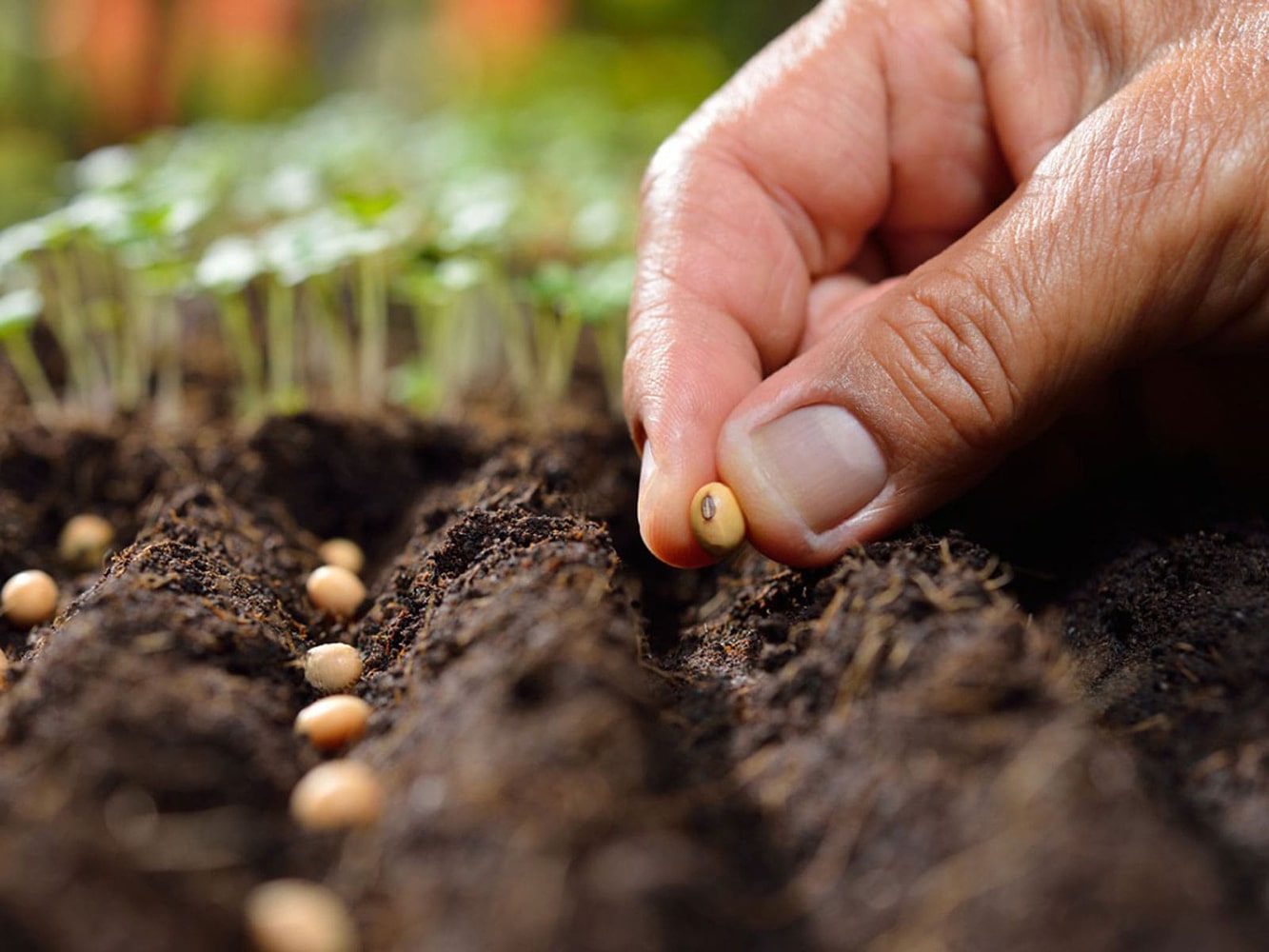
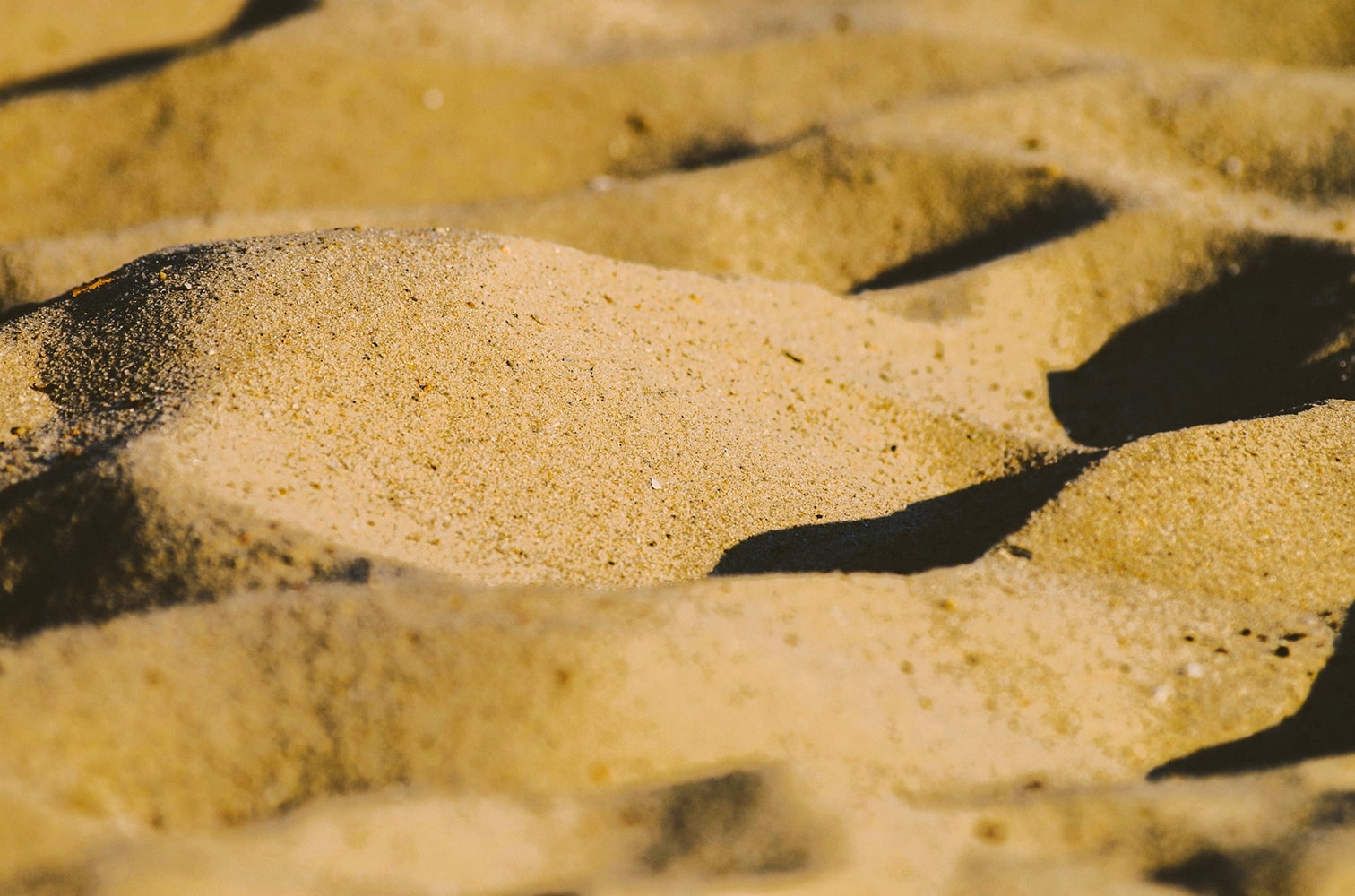
Propagation can be achieved through seeds or vegetative offsets, and it thrives in dry, sandy soils with good drainage. For further details on Agave, additional resources are available.
Agave americana Feature Summary