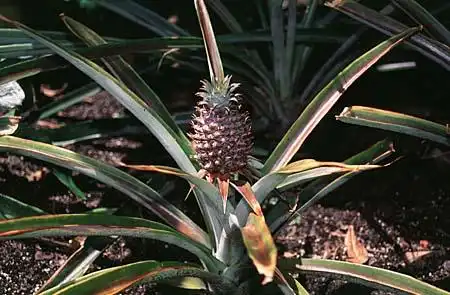
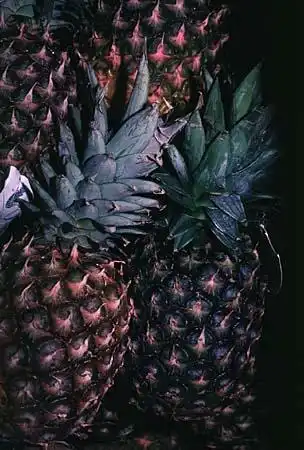
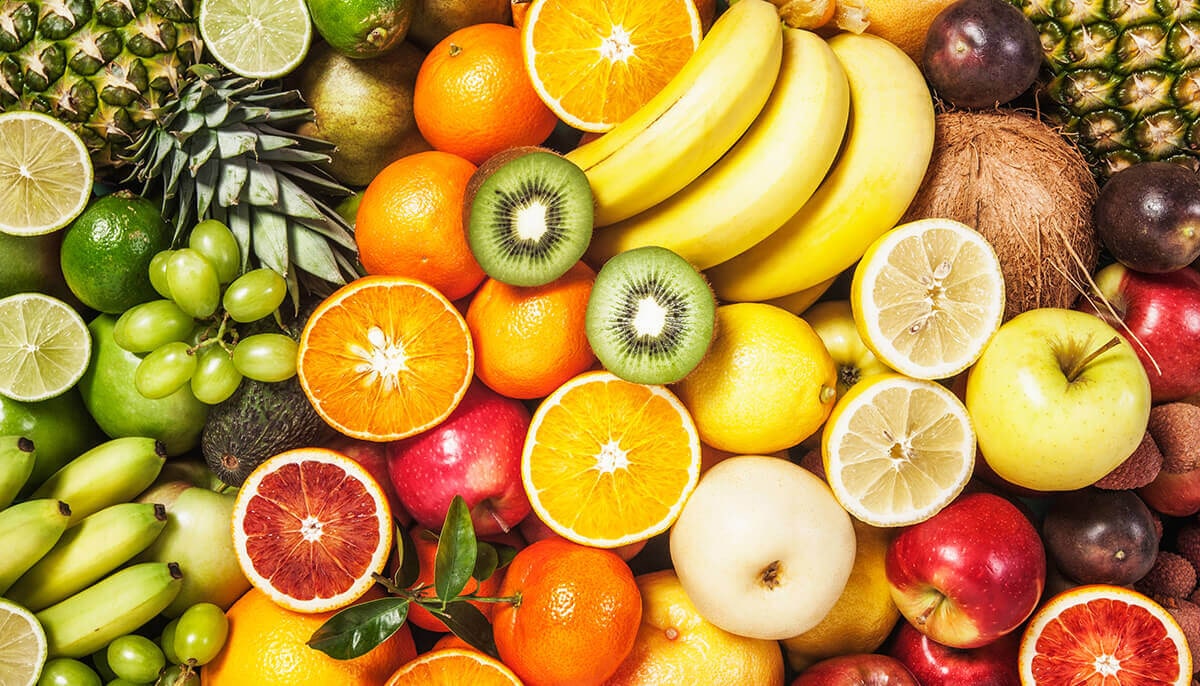
Pineapples thrive in tropical regions, where conditions are ideal for optimal fruit production. Ranking as the third most cultivated tropical fruit, following bananas and citrus, the majority of pineapples consumed are of the 'Cayenne' or 'Smooth Cayenne' variety.
These plants are perennial monocots with a lifespan that is relatively short. They typically reach heights of 2 to 4 feet and feature thick, spiky leaves that grow in a compact rosette formation. For the best growth, pineapples prefer temperatures ranging from 68 to 86 degrees Fahrenheit. In cooler climates, they can serve as attractive houseplants when grown in pots or as ornamental plants outdoors, provided they are kept in environments with temperatures above 65 degrees, consistently moist acidic soil, bright indirect sunlight, and high humidity. Due to their shallow root systems, a pot with a capacity of 3 to 7 gallons is sufficient for container cultivation.
To produce flowers and fruit, a pineapple plant requires at least 25 mature leaves, a process that can take several years. If the plant is not grown under optimal conditions, the resulting fruit may be smaller and less flavorful. While pineapples are drought-resistant, they are susceptible to root rot if overwatered. They do not withstand frost well, and the fruit can be prone to sunburn.
Pineapples can be propagated asexually through various methods, including using the fruit crown, suckers, slips, or hapas.
The bromelain found in pineapple aids in digestion but may lead to contact dermatitis in some individuals or cause irritation in the mouth and throat if consumed in excessive amounts.
In terms of pests and diseases, pineapples can suffer from wilt and root rot, and they may also be affected by mealybugs, scale, thrips, and nematodes.