Aristolochia macrophylla: Uses (Ethnobotany)
In the past, a European species was used medically for pain or infections related to childbirth.
Phonetic Spelling:ah-ris-toh-LOH-kee-ah mak-roh-FYE-lah
Genus:Aristolochia
Species:macrophylla
Family:Aristolochiaceae
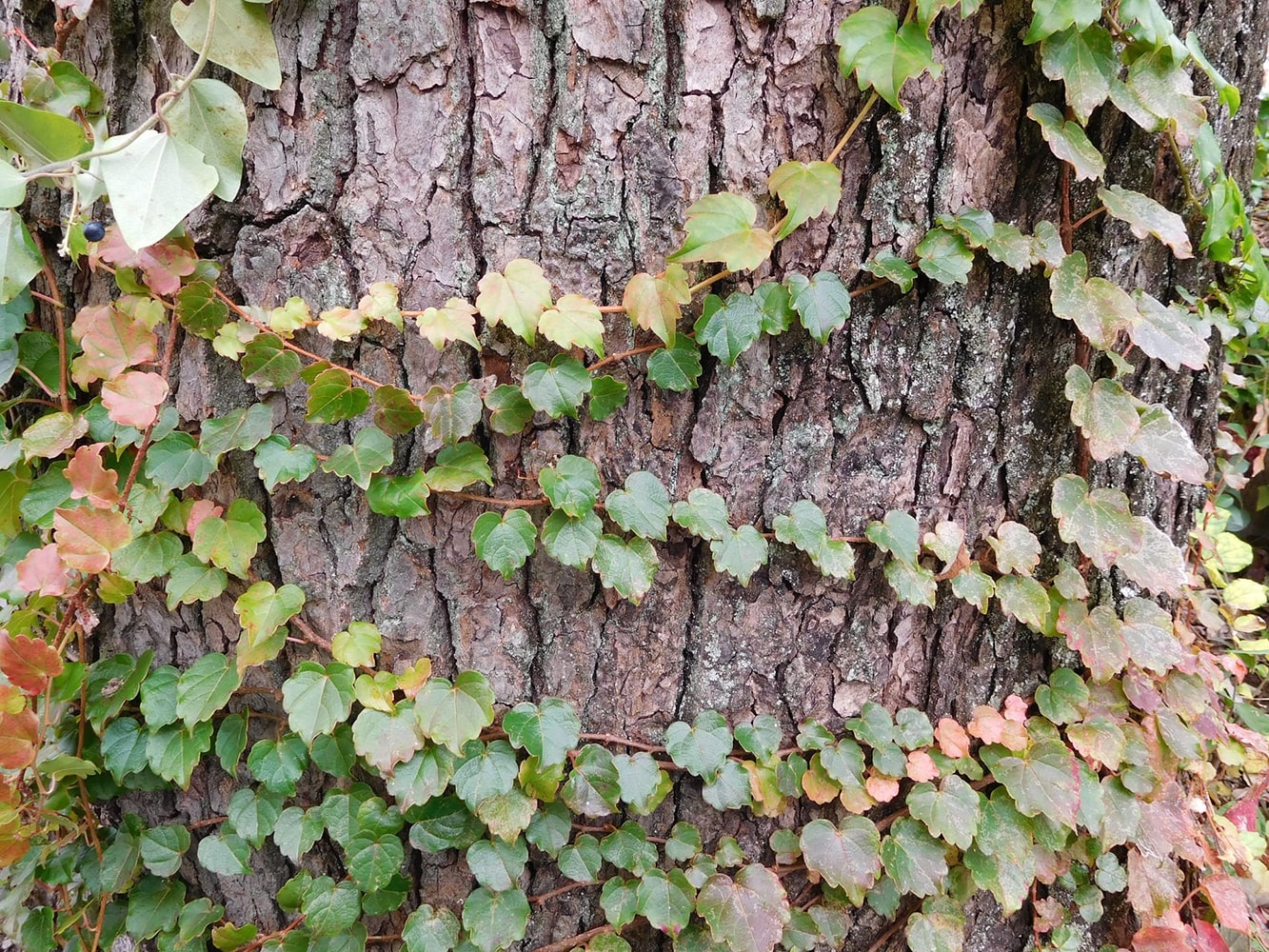
Dutchman's Pipe is a deciduous, woody climbing vine belonging to the Birthwort family, native to southeastern Canada and the eastern United States. It typically thrives in moist woodlands or alongside streams. This vine is also known by several other names, including Pipevine, Broad-Leaved Birthwort, and Wild Ginger.
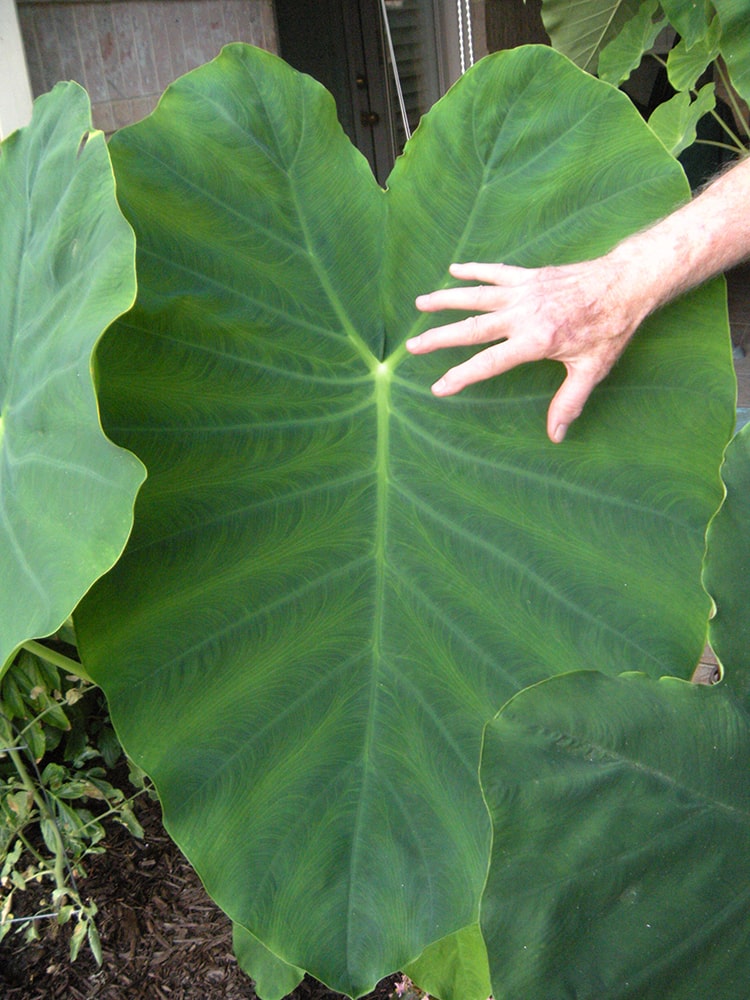
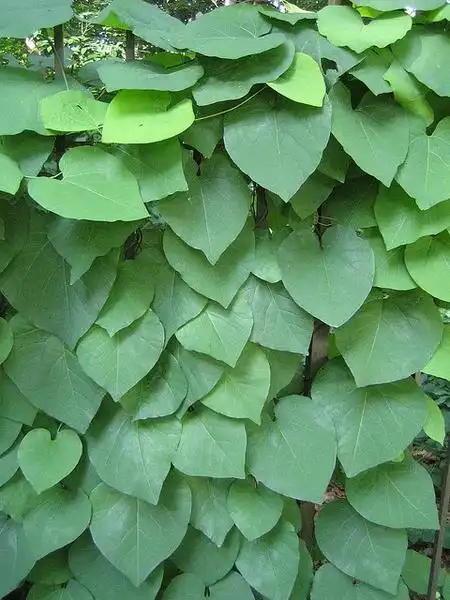
The genus name, Aristolochia, is derived from two Greek words: "aristos," meaning "best," and "locheia," which translates to "childbirth." This nomenclature reflects the flower's shape, which resembles a human fetus. The species name, macrophylla, comes from Latin, meaning "large leaves." The leaves of the Dutchman's Pipe can grow up to 12 inches long and are heart-shaped. The common name, Dutchman's Pipe, is inspired by the flower's resemblance to the Meerschaum smoking pipes that were popular in Europe.
This native vine thrives in rich, moist, well-drained soil and is sensitive to dry conditions, requiring shelter from strong winds. It prefers full sun to partial shade and can be pruned in late winter to manage its growth. Propagation can be achieved through seeds or cuttings.
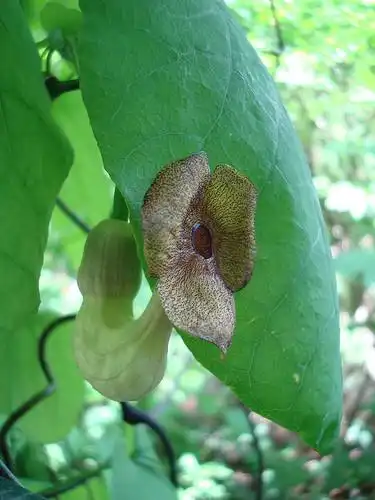
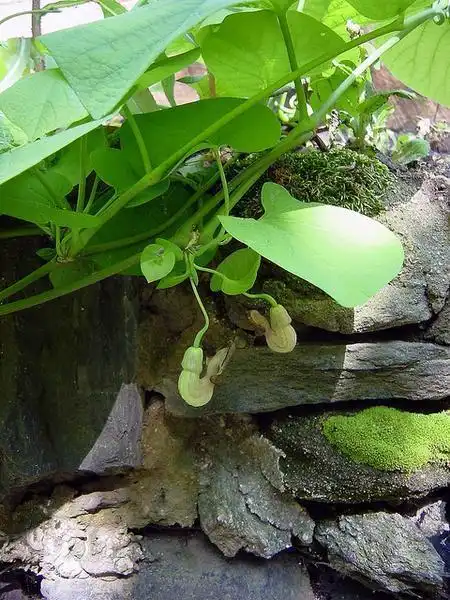
The flowers of the Dutchman's Pipe are often overlooked, as they are concealed within the vine's lush foliage. These small blossoms are yellow-green with brownish-purple lobes shaped like a smoking pipe. The leaves are smooth, heart-shaped, deep green on top, and silver underneath. The fruit consists of green capsules that mature to a gray or black color.
The dense, overlapping leaves can create an attractive screen for garden or porch walls. Hummingbirds are drawn to the flowers for their nectar, while the Pipevine Swallowtail Butterfly relies on this plant as its primary food source during its larval stage. The flowers emit a scent that attracts flies, facilitating pollination, and the vine shows moderate resistance to deer.
However, caution is advised: plants in this genus contain aristolochic acid, a toxin that can lead to irreversible kidney failure if ingested. Notably, the Pipevine Swallowtail Butterfly is immune to this toxin in this species.
In terms of pests and diseases, the Dutchman's Pipe does not face significant issues.
Regarding fire safety, this plant has a high flammability rating and should not be planted within the defensible space around your home. It is advisable to choose low-flammability plants for areas closest to your residence.
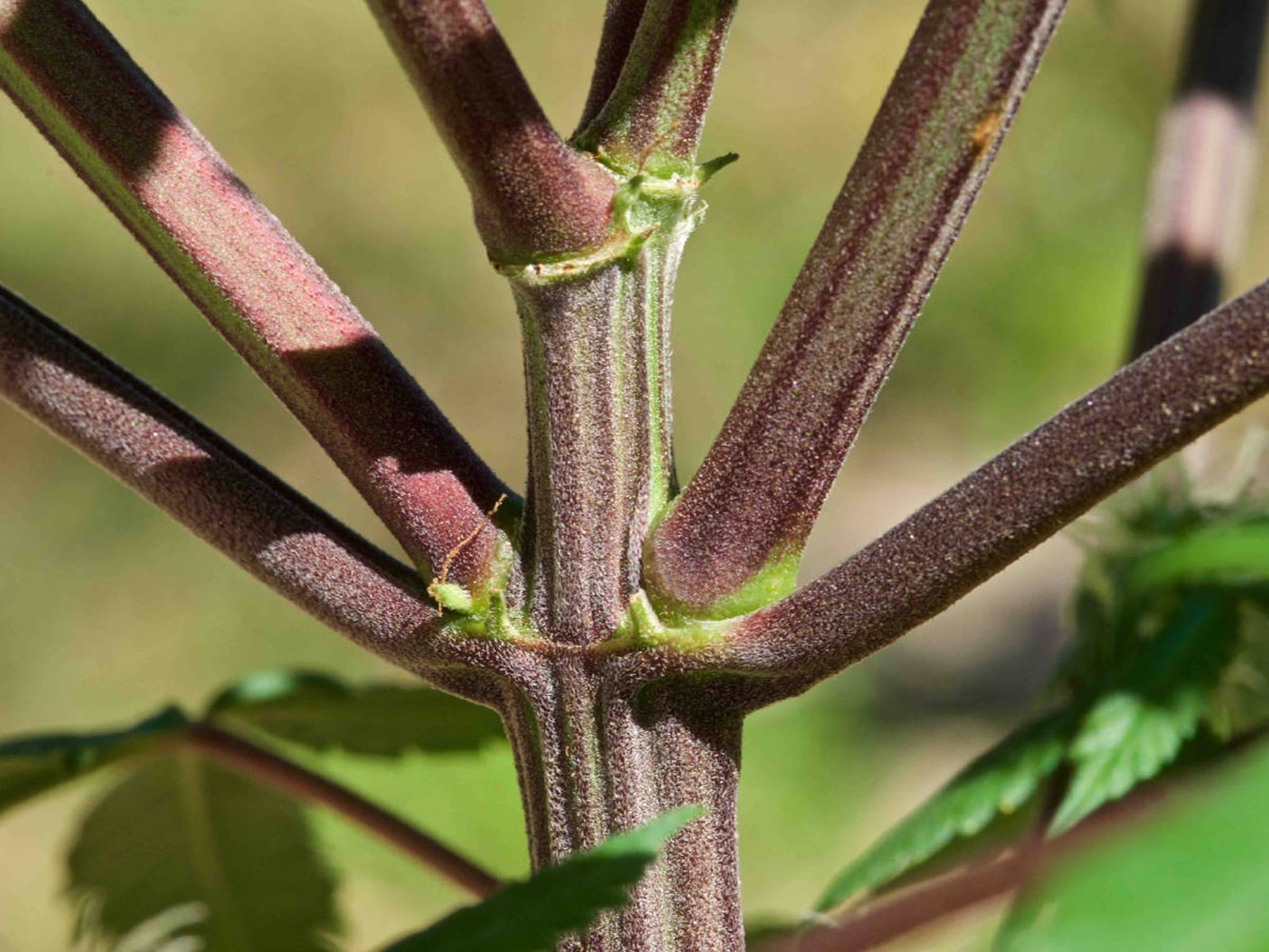
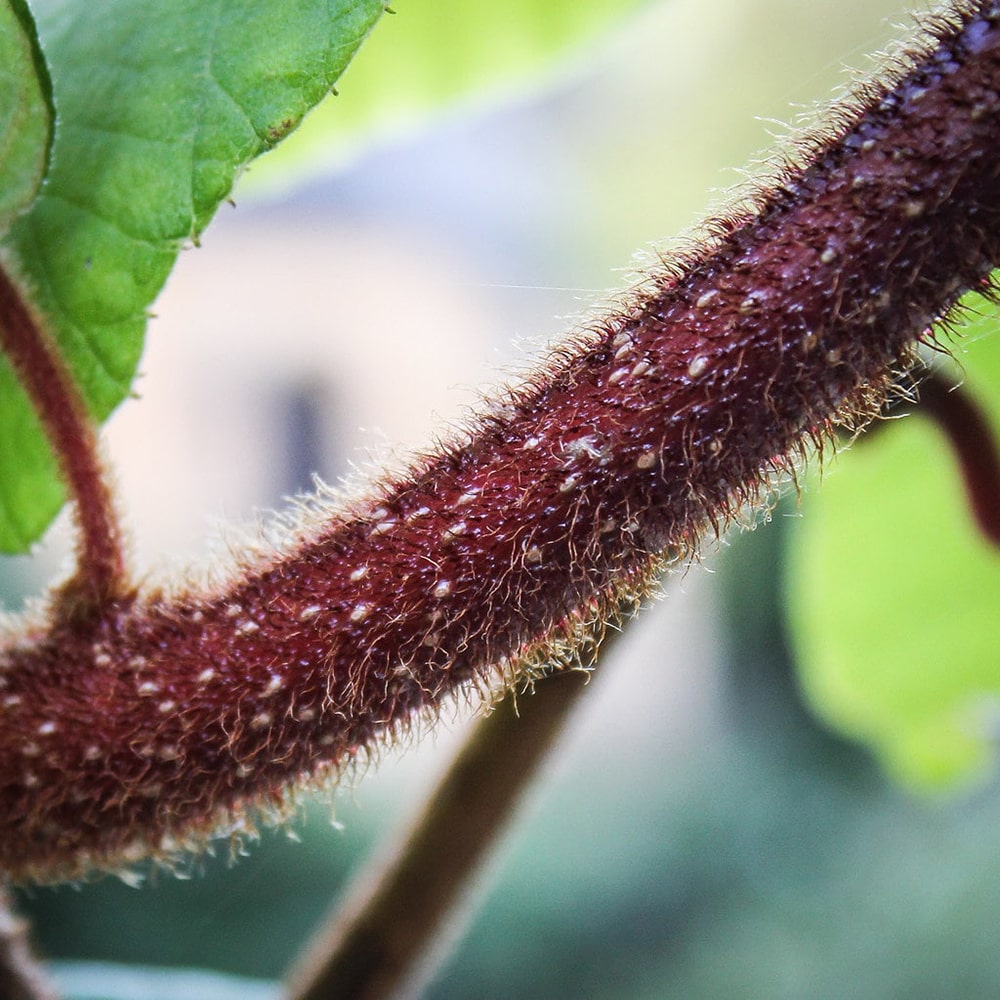
For those interested in similar species, Aristolochia tomentosa, or Wooly Dutchman's Pipe, features hairy stems and foliage, while Aristolochia macrophylla, the Dutchman's Pipe, is characterized by its mostly smooth stems and leaves.
Aristolochia macrophylla Feature Summary
Aristolochia macrophylla Image Gallery