Athyrium filix-femina: Country Or Region Of Origin
Macaronesia, NW. Africa, Europe to Mongolia
Phonetic Spelling:a-THEE-ree-um FEE-liks FEM-in-ah
Genus:Athyrium
Species:filix-femina
Family:Athyriaceae
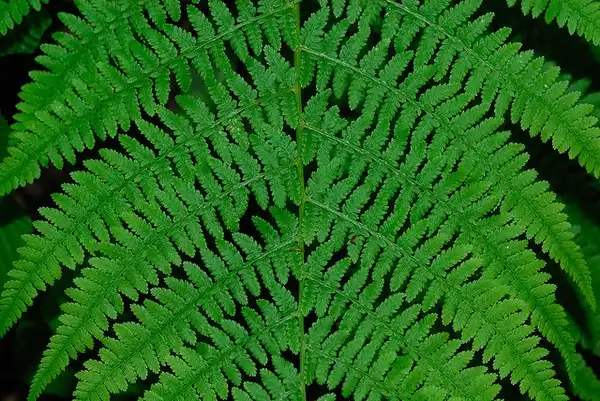
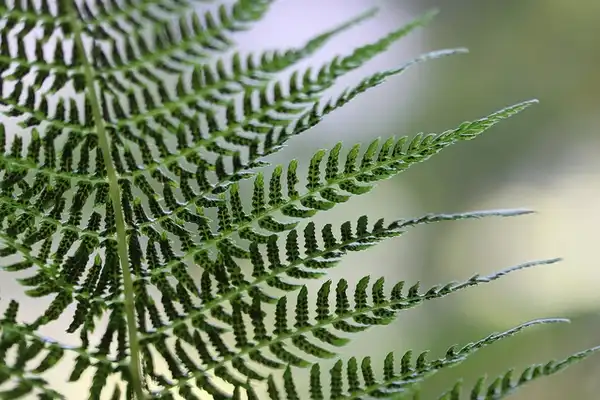
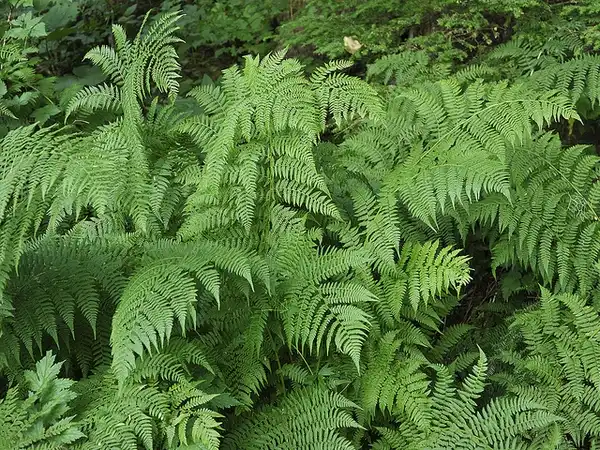
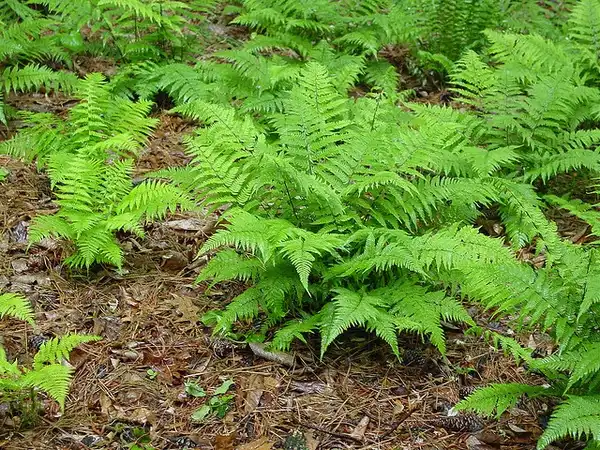
Athyrium filix-femina, widely known as the lady fern, is a deciduous species characterized by its delicate, lacy fronds that are either upright or slightly ascending. These fronds, which can reach heights of 2 to 3 feet, are 2 to 3-pinnate or pinnatifid, finely divided, and lanceolate in shape, forming a dense, circular clump reminiscent of a shuttlecock. Each frond consists of twenty to thirty pairs of elliptic, non-opposite leaflets (pinna) that taper to narrow, pointed tips. The pinnae are further divided into deeply cut, lanceolate to oblong subleaflets (pinnules), with sori and indusia located on their undersides. This species is found globally, thriving in rich, moist woodlands, thickets, fields, meadows, and ravines across northern North America, Europe, and Asia.
The genus name derives from the Greek word "athyros," meaning doorless, which refers to the slowly opening hinged indusia that cover the spores. The specific epithet comes from the Latin "filix," meaning fern, and "femina," meaning woman, which aligns with its common name, lady fern.
This plant is easy to cultivate, grows vigorously, and forms dense clumps that spread quickly. It should be sheltered from strong winds, as its fronds can break easily. While it prefers shaded environments, it can adapt to sunny conditions if provided with sufficient moisture. The lady fern has an erect rhizome and is rarely affected by deer.
Athyrium filix-femina Feature Summary
Athyrium filix-femina Image Gallery