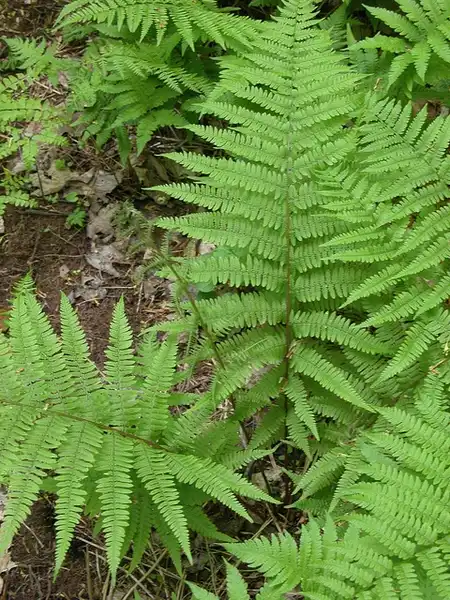
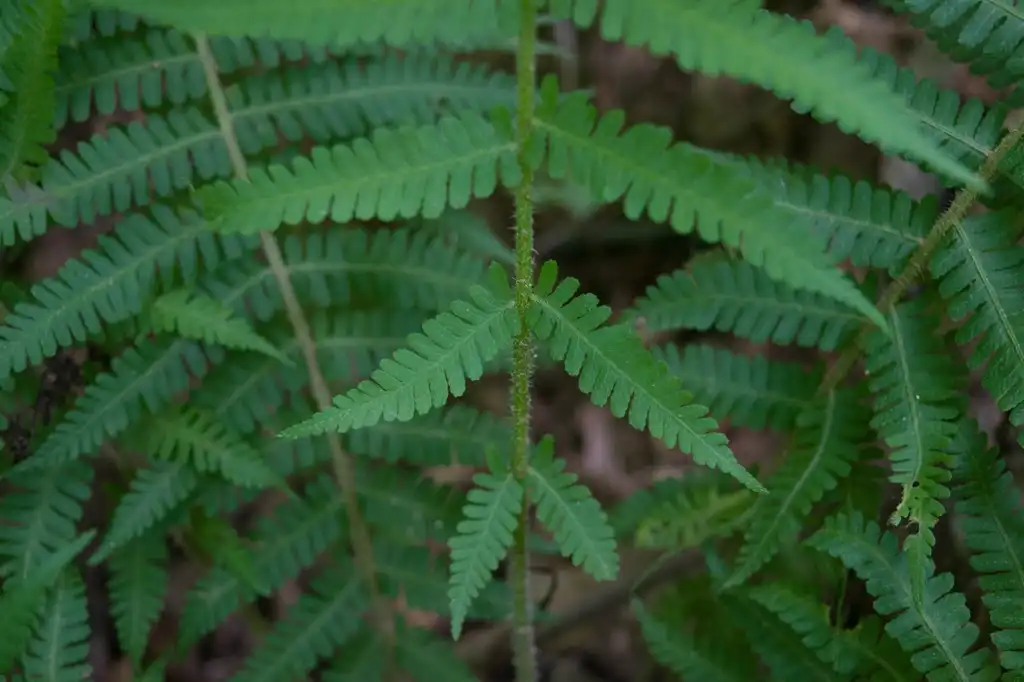
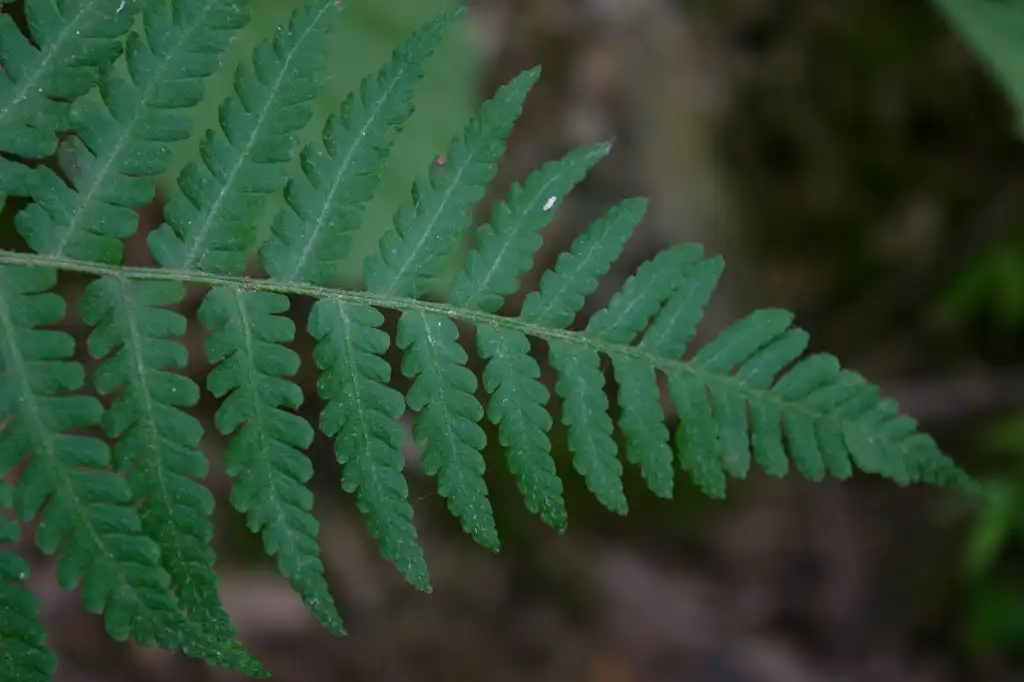
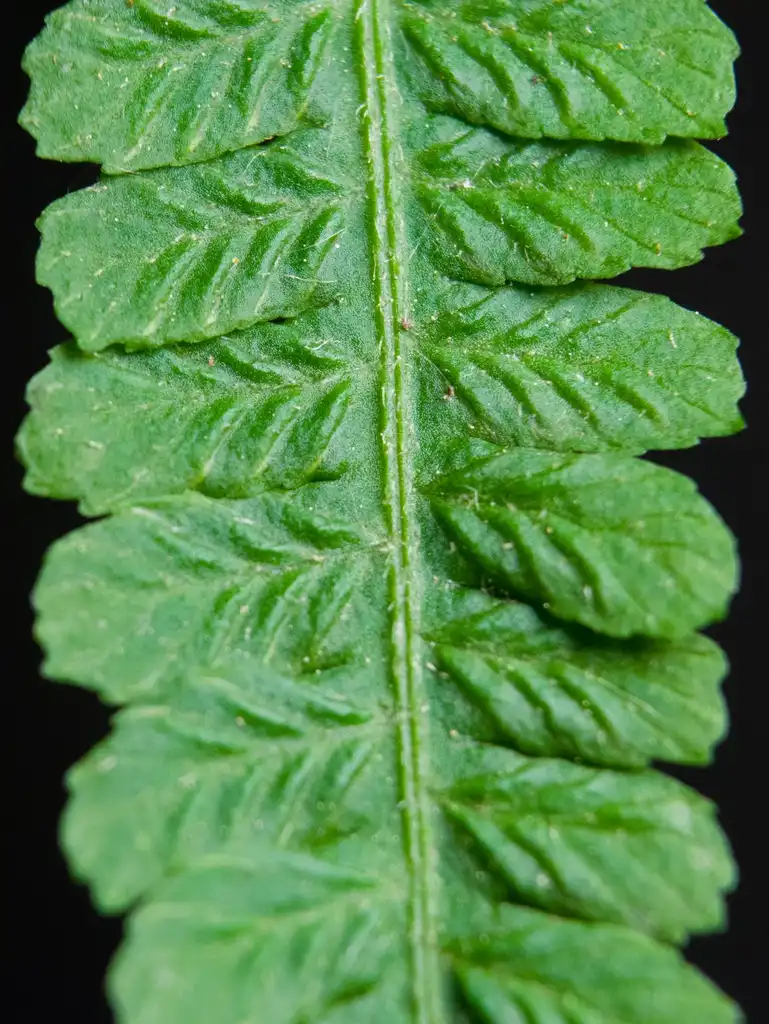
• Photo of Deparia acrostichoides (Deparia acrostichoidess)

Plant Profile: Deparia acrostichoides

Taxonomy: Deparia acrostichoides

Names

Silvery Glade Fern, Silvery Spleenwort

  • Photo of Deparia acrostichoides (Deparia acrostichoidess)

Phonetic Spelling:de-PAR-ee-uh ak-ruh-stik-OID-eez

Genus:Deparia

Species:acrostichoides

Family:Aspleniaceae

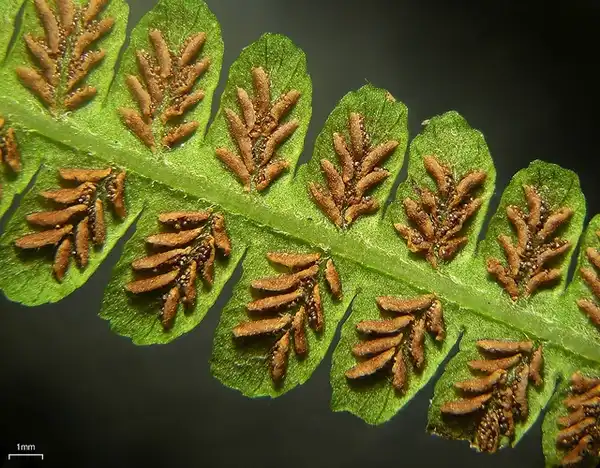
In the fall, the fronds take on a straw-like hue. By late summer, the oblong sori, which are the spores located beneath and along the leaf veins, reach maturity, displaying a pattern reminiscent of herringbone.

These plants thrive in consistently moist conditions and can endure sunlight as long as they receive sufficient water. They grow in clumps and have short, creeping rhizomes.

Deparia acrostichoides Feature Summary

Deparia acrostichoides Image Gallery

Tags

#deciduous
#shade tolerant
#shade garden
#fern
#deer resistant
#hairy
#clumping
#native fern
#naturalized area
#food source fall
#hairy stems
#food source herbage
#coastal FAC
#Piedmont Mountains FAC
#audubon
#woodlands
#heavy shade tolerant

Similar Plants

Deparia acrostichoides is often confused with:

Deparia acrostichoides Feature Summary

Fruit
No fruits. This plants reproduces via spores.
Flowers
Leaves
Elliptic-lanceolate fronds, pinnate-pinnatifid. Fronds taper at base. Segments are squarish or rounded. Lower surface of blade becomes silvery from whitish sori arranged in herringbone pattern. Fronds turn straw colored in fall.
Green
White
Compound (Pinnately , Bipinnately, Palmately)
Fronds
Elliptical
Lanceolate
Pinnatifid
Stem
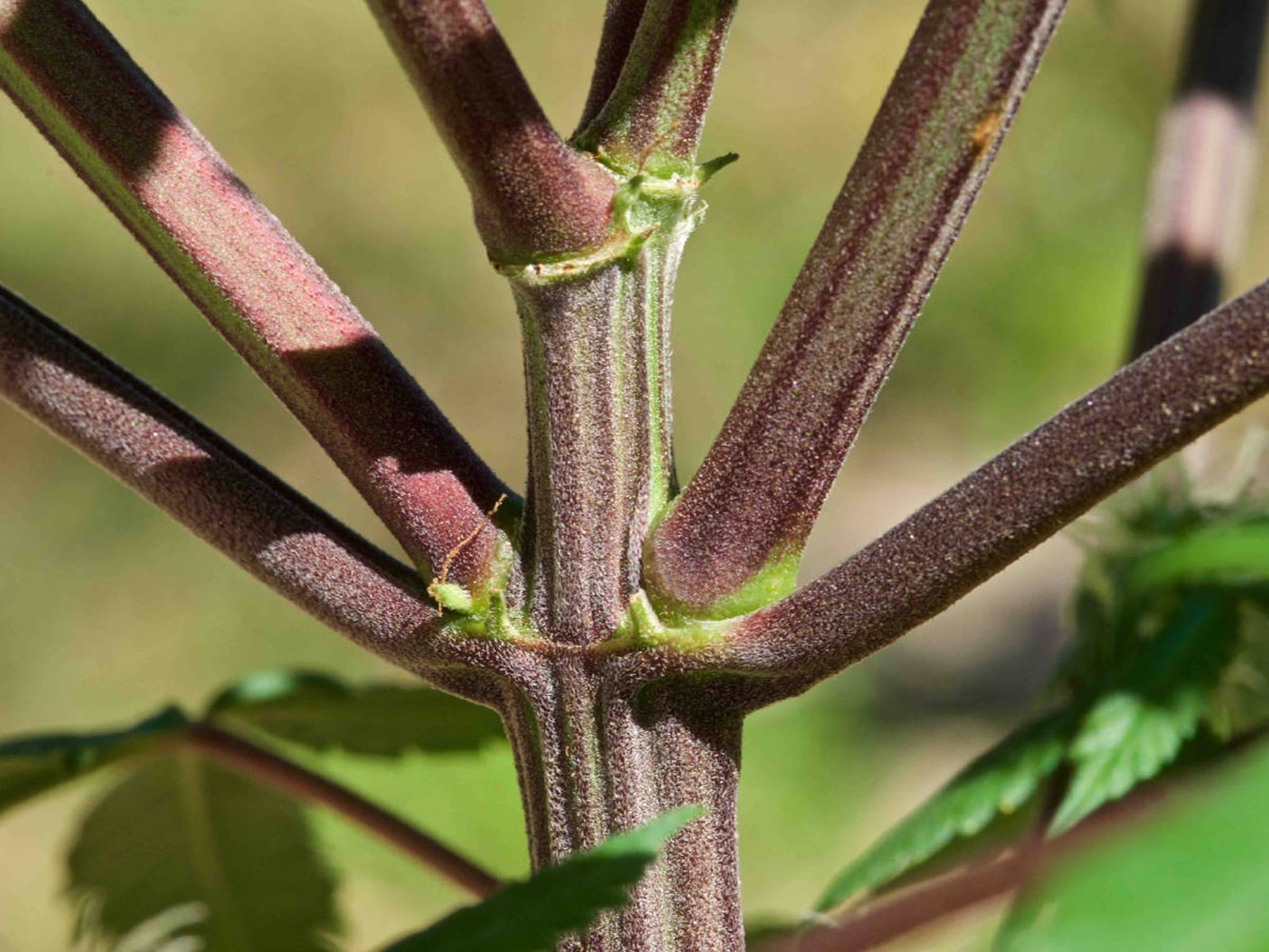
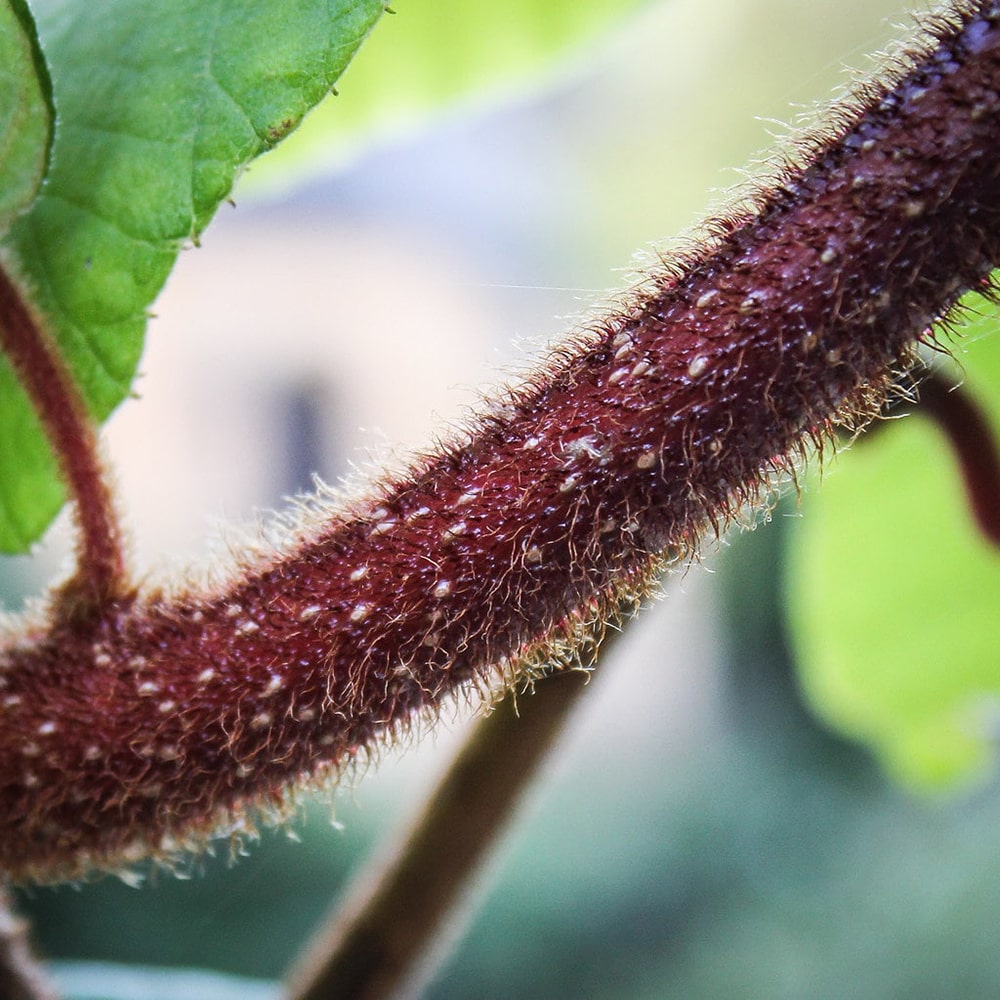
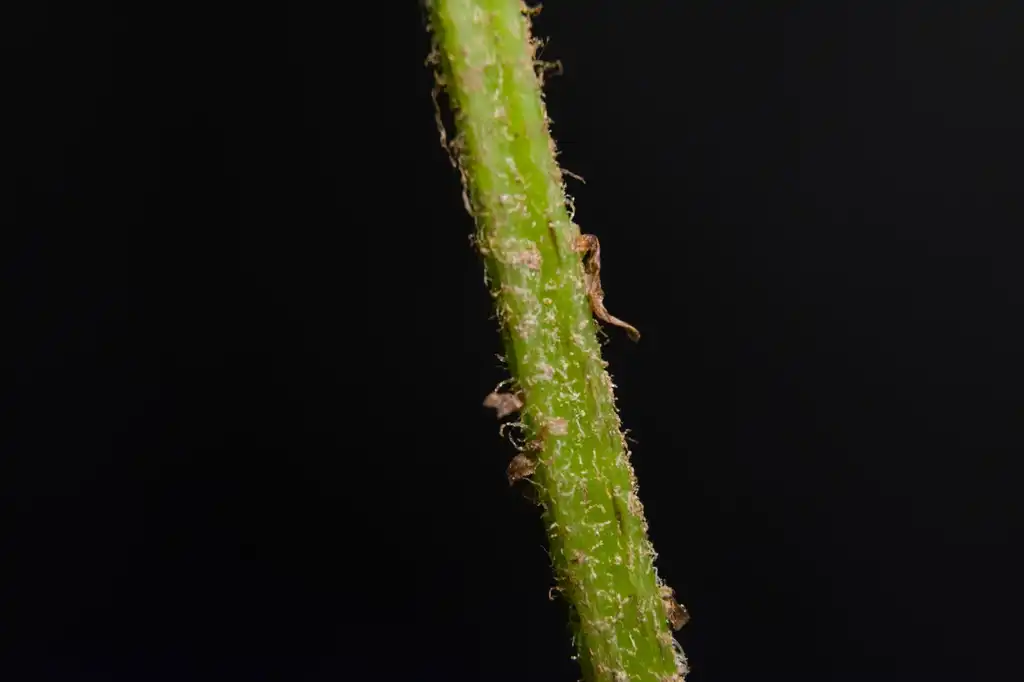
Stipe and rachis remain green with abundant, narrow scales and some fine hairs.
Hairy (pubescent)
Straight
Enclosed in more than 2 scales
Whole Plant Traits
Cultural Conditions
Full sun (6 or more hours of direct sunlight a day)
Partial Shade (Direct sunlight only part of the day, 2-6 hours)
Deep shade (Less than 2 hours to no direct sunlight)
Good Drainage
Moist
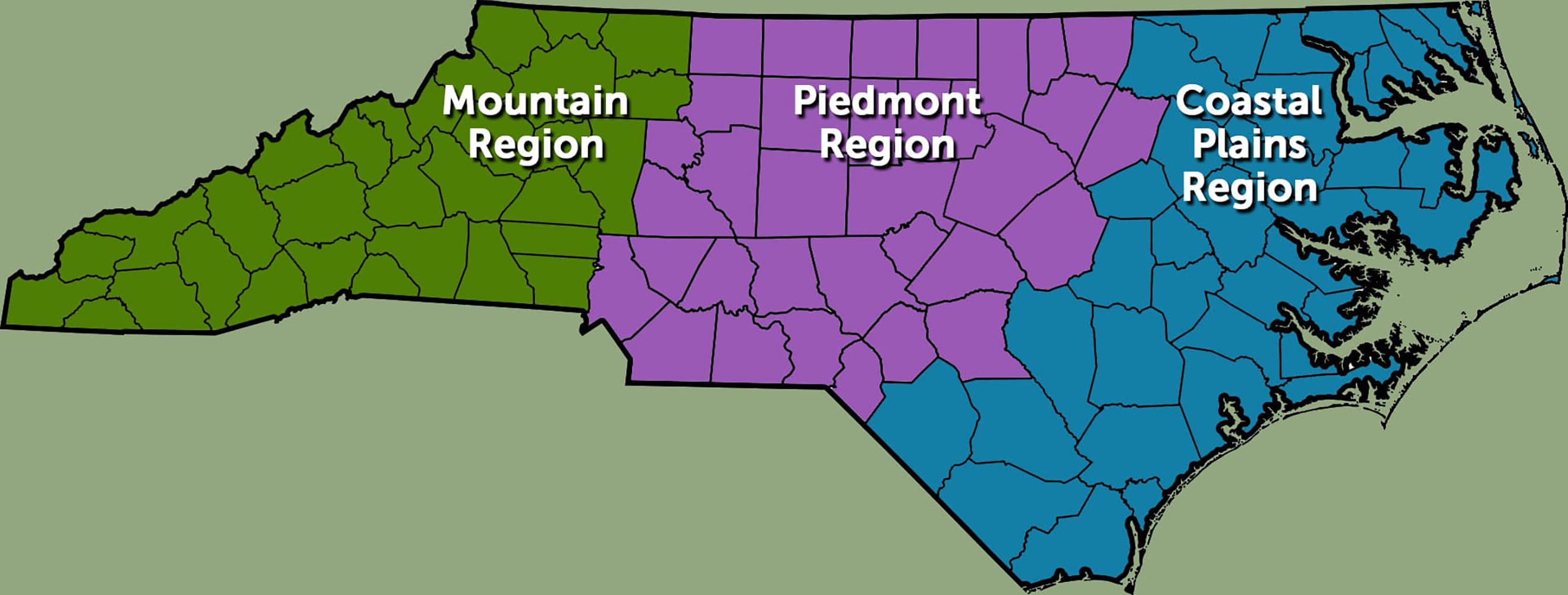
Coastal
Mountains
Piedmont
Landscape
Shade Garden
Woodland
Naturalized Area
Songbirds
Small Mammals

Deparia acrostichoides Attributes

Deparia acrostichoides: Country Or Region Of Origin

E. Canada to N. Central & E. U.S.A.
Deparia acrostichoides: Particularly Resistant To (Insects/Diseases/Other Problems)

Heavy shade, Deer

Deparia acrostichoides: Life Cycle

Annual
Biennial
Bulb
Perennial
Woody

Deparia acrostichoides: Recommended Propagation Strategy

Division
Grafting
Layering
Leaf Cutting
Root Cutting
Seed
Stem Cutting

Deparia acrostichoides Fruit

Deparia acrostichoides: Fruit Description

No fruits. This plants reproduces via spores.

Deparia acrostichoides Flowers

Deparia acrostichoides: Flower Description

No flowers.

Deparia acrostichoides Leaves

Deparia acrostichoides: Leaf Description

Elliptic-lanceolate fronds, pinnate-pinnatifid. Fronds taper at base. Segments are squarish or rounded. Lower surface of blade becomes silvery from whitish sori arranged in herringbone pattern. Fronds turn straw colored in fall.

Deparia acrostichoides: Woody Plant Leaf Characteristics

Broadleaf Evergreen
Deciduous
Needled Evergreen
Semi-evergreen

Deparia acrostichoides: Leaf Color

spa
Green
spa
White

Deparia acrostichoides: Deciduous Leaf Fall Color

spa
Gold/Yellow

Deparia acrostichoides: Leaf Type

Compound (Pinnately , Bipinnately, Palmately)
Fronds
Needles
Sheath
Simple

Deparia acrostichoides: Leaf Arrangement

Alternate
Opposite
Other/more complex
Rosulate
Whorled

Deparia acrostichoides: Leaf Shape

Acicular
Auriculate
Cordate
Cuneate
Deltoid
Elliptical
Filiform
Lanceolate
Linear
Oblanceolate
Oblong
Obovate
Obtuse
Orbicular
Ovate
Palmasect
Palmatifid
Peltate
Pinnatifid
Pinnatisect
Reniform
Rhomboidal
Spatulate
Subcordate
Subulate

Deparia acrostichoides: Hairs Present

No
Yes

Deparia acrostichoides Stem

Deparia acrostichoides: Stem Description

Stipe and rachis remain green with abundant, narrow scales and some fine hairs.

Deparia acrostichoides: Stem Color

grass
Green

Deparia acrostichoides: Stem Is Aromatic

No
Yes

Deparia acrostichoides: Stem Surface

Corky Ridges
Covered with a powdery bloom (glaucous)
Dull
Hairy (pubescent)
Polished
Smooth (glabrous)

Deparia acrostichoides: Stem Form

Straight
Zig Zags

Deparia acrostichoides: Stem Bud Scales

Enclosed in 2 scales
Enclosed in a single cap like scale
Enclosed in more than 2 scales
No scales, covered in hair

Deparia acrostichoides Whole Plant Traits

Deparia acrostichoides: Plant Type

Annual
Bulb
Carnivorous
Edible
Epiphyte
Fern
Ground Cover
Herb
Herbaceous Perennial
Houseplant
Mushroom
Native Plant
Ornamental Grasses and Sedges
Perennial
Poisonous
Rose
Shrub
Succulent
Tree
Turfgrass
Vegetable
Vine
Water Plant
Weed
Wildflower

Deparia acrostichoides: Woody Plant Leaf Characteristics

Broadleaf Evergreen
Deciduous
Needled Evergreen
Semi-evergreen

Deparia acrostichoides: Habit/Form

Arching
Ascending
Broad
Cascading
Climbing
Clumping
Columnar
Conical
Creeping
Dense
Erect
Horizontal
Irregular
Mounding
Multi-stemmed
Multi-trunked
Open
Oval
Prostrate
Pyramidal
Rounded
Spreading
Vase
Weeping

Deparia acrostichoides Cultural Conditions

Deparia acrostichoides: Light

Dappled Sunlight (Shade through upper canopy all day)
Deep shade (Less than 2 hours to no direct sunlight)
Full sun (6 or more hours of direct sunlight a day)
Partial Shade (Direct sunlight only part of the day, 2-6 hours)

Deparia acrostichoides: Soil Drainage

Frequent Standing Water
Good Drainage
Moist
Occasional Flooding
Occasionally Dry
Occasionally Wet
Very Dry

Deparia acrostichoides: Available Space To Plant

12 inches-3 feet
12-24 feet
24-60 feet
3 feet-6 feet
6-feet-12 feet
Less than 12 inches
more than 60 feet

Deparia acrostichoides: NC Region

Coastal
Mountains
Piedmont

Deparia acrostichoides Landscape

Deparia acrostichoides: Landscape Theme

Asian Garden
Butterfly Garden
Children's Garden
Cottage Garden
Cutting Garden
Drought Tolerant Garden
Edible Garden
English Garden
Fairy Garden
Garden for the Blind
Native Garden
Nighttime Garden
Pollinator Garden
Rain Garden
Rock Garden
Shade Garden
Water Garden
Winter Garden

Deparia acrostichoides: Resistance To Challenges

Black Walnut
Compaction
Deer
Diseases
Drought
Dry Soil
Erosion
Fire
Foot Traffic
Heat
Heavy Shade
Humidity
Insect Pests
Pollution
Poor Soil
Rabbits
Salt
Slugs
Squirrels
Storm damage
Urban Conditions
Voles
Wet Soil
Wind

Deparia acrostichoides: Landscape Location

Coastal
Container
Hanging Baskets
Houseplants
Lawn
Meadow
Naturalized Area
Near Septic
Patio
Pond
Pool/Hardscape
Recreational Play Area
Riparian
Rock Wall
Slope/Bank
Small Space
Vertical Spaces
Walkways
Woodland

Deparia acrostichoides: Attracts

Bats
Bees
Butterflies
Frogs
Hummingbirds
Moths
Pollinators
Predatory Insects
Reptiles
Small Mammals
Songbirds
Specialized Bees