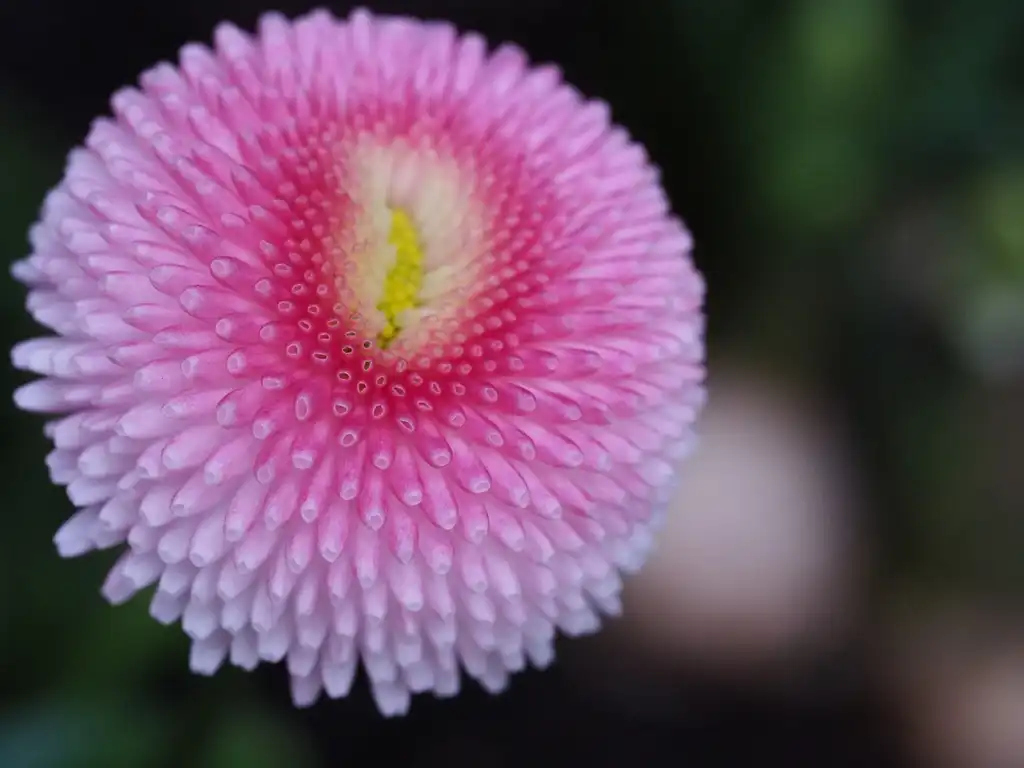
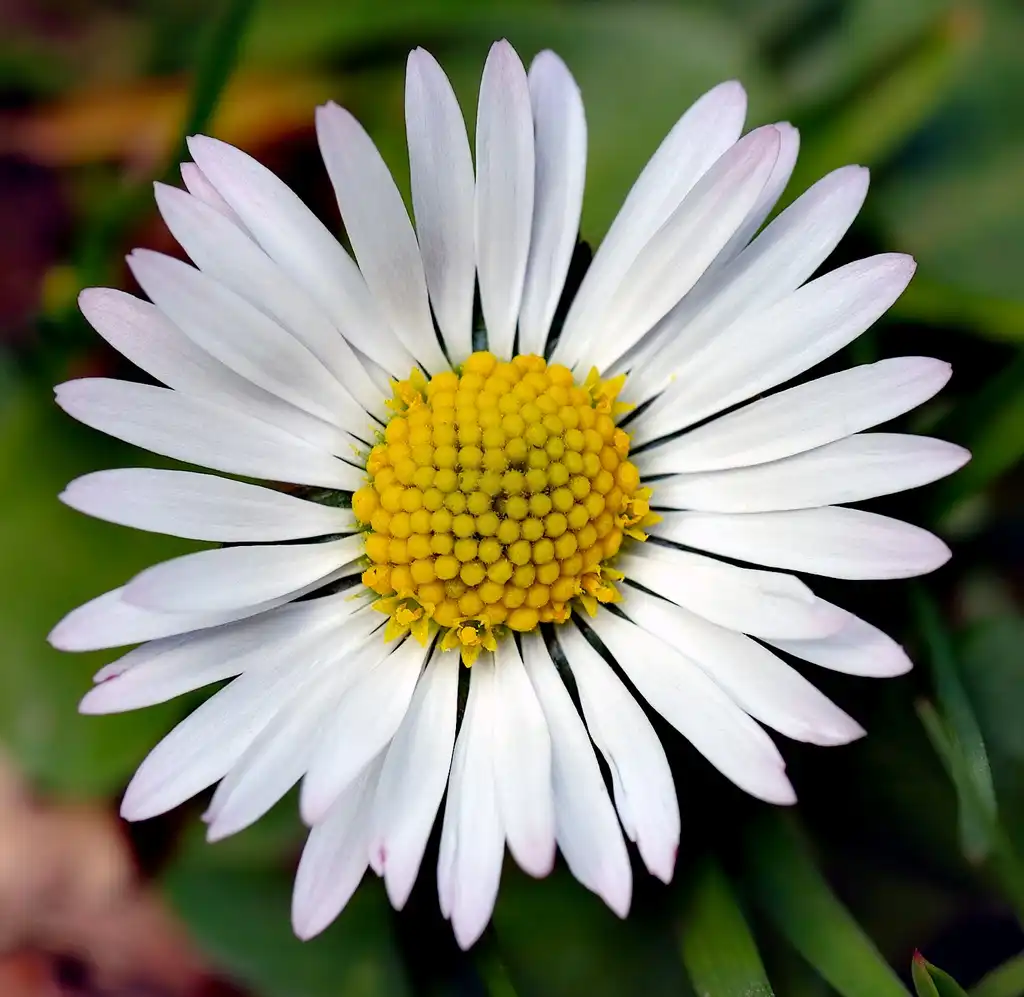
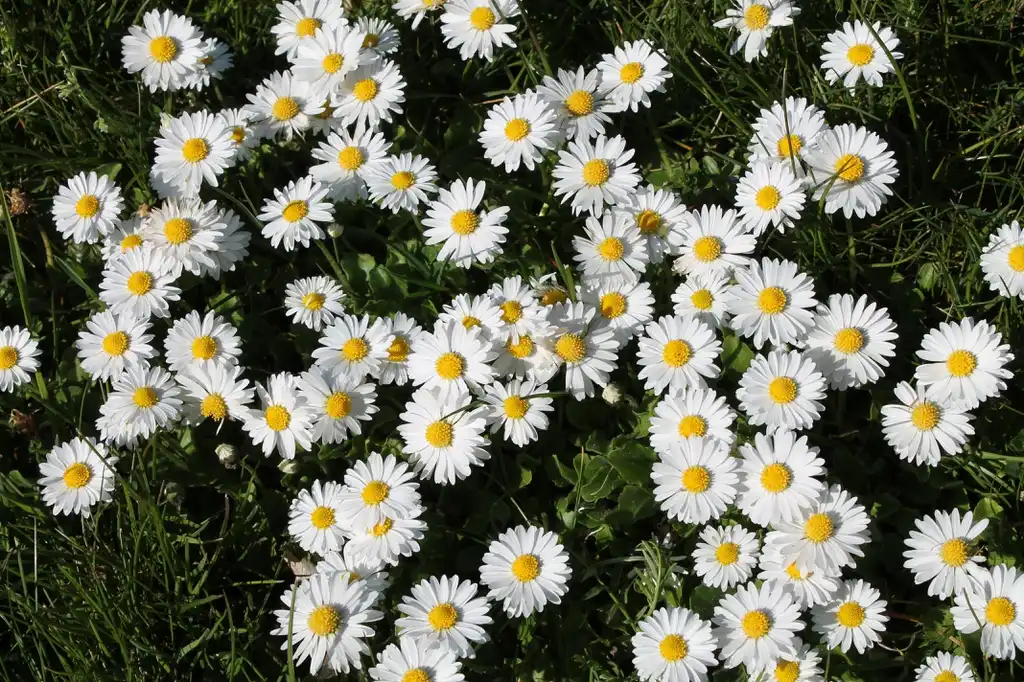
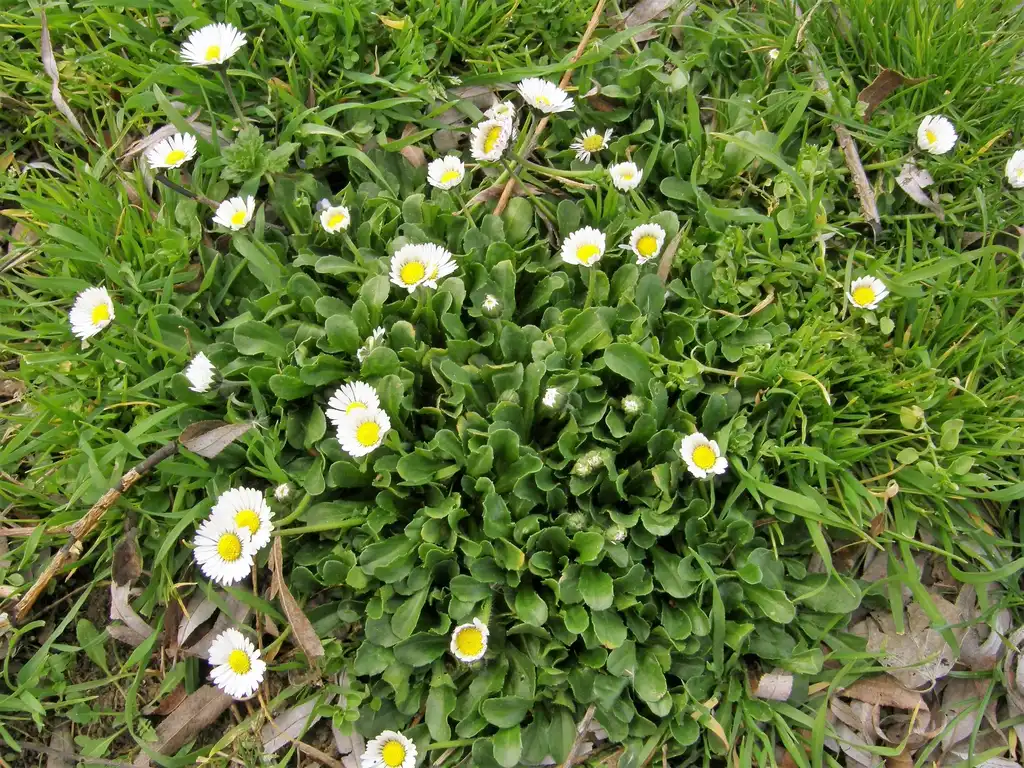

Bellis perennis: Uses (Ethnobotany)
Homeopathic medicine (vitamin supplement and tea) sometimes include this plant.
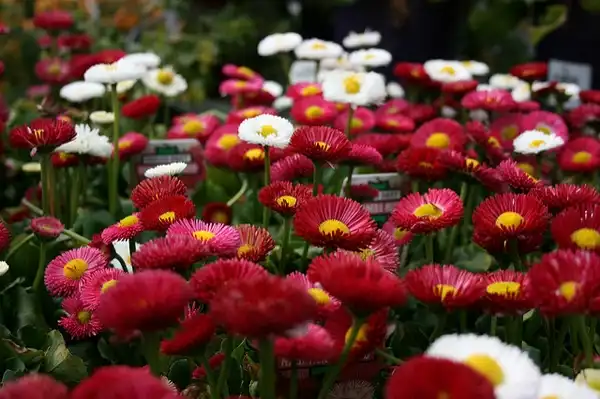
Phonetic Spelling:BEL-iss per-EN-niss
Genus:Bellis
Species:perennis
Family:Asteraceae
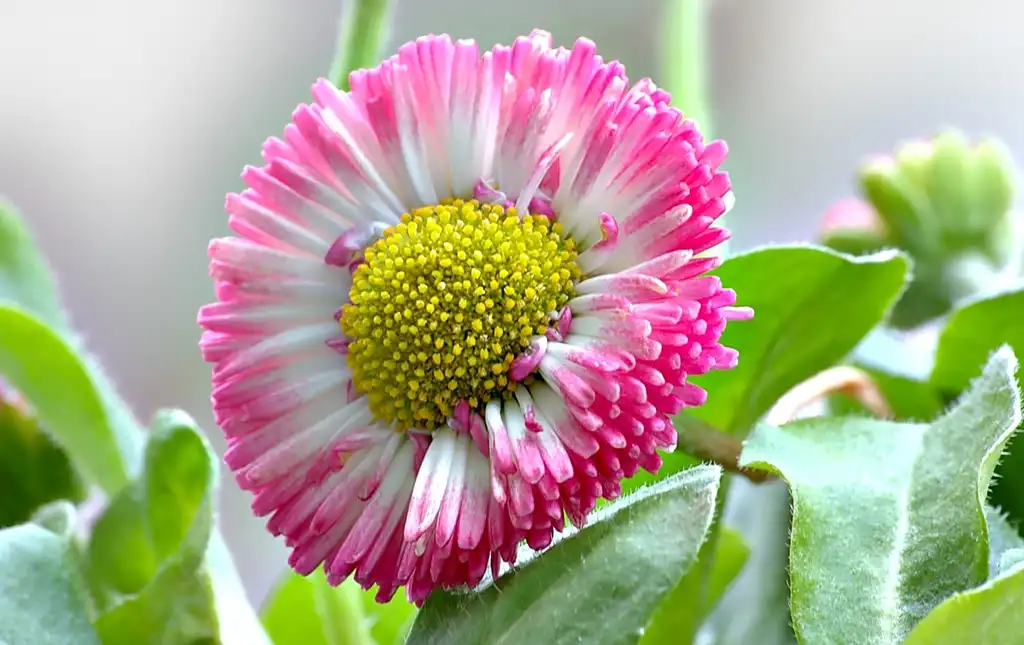
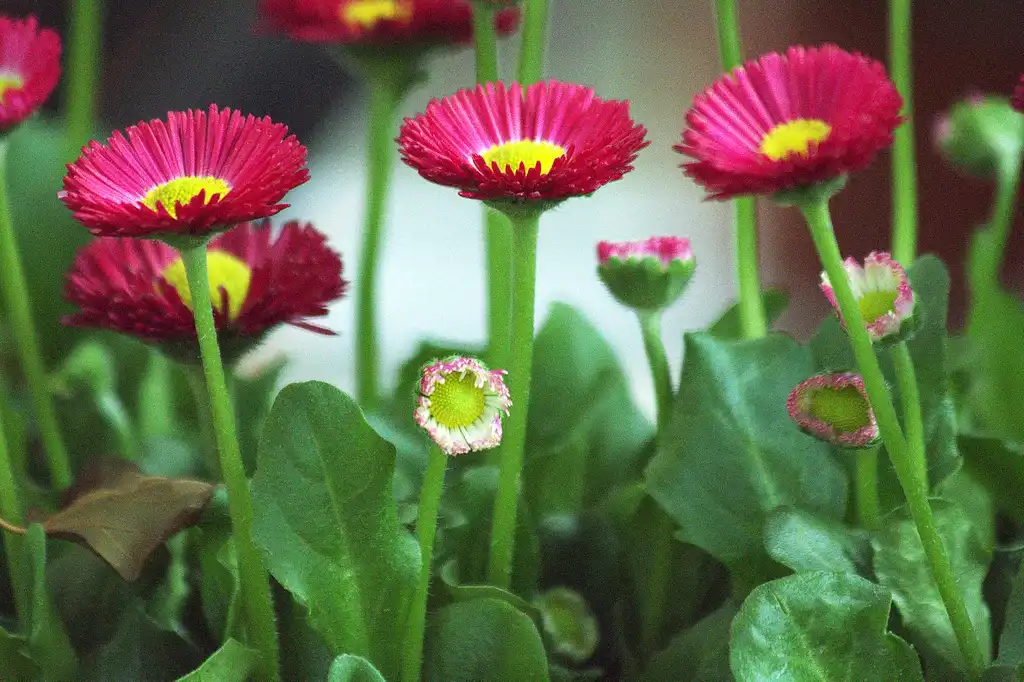
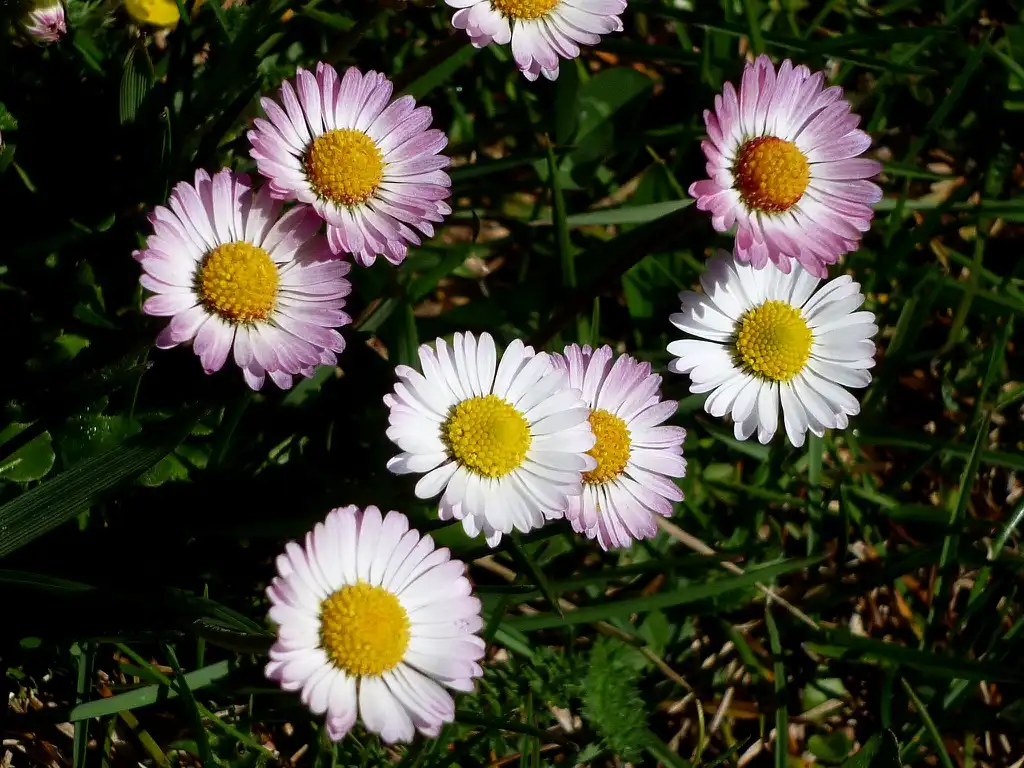
The English Daisy, a tender biennial, is classified as a herbaceous perennial and features rhizomes. However, in the northern regions of the United States, it is often cultivated as an annual. This plant thrives in sunny conditions with some afternoon shade, favoring cool temperatures and moist, fertile soil. Frequently, the English Daisy escapes from cultivated flower beds into lawns, where it is regarded as a weed. It tends to struggle during the heat of summer and is not resistant to drought. Its blooming period spans from spring to early summer, with occasional flowers persisting until frost. When planted in optimal conditions, controlling its growth can be quite difficult. The English Daisy flourishes best in nutrient-rich environments and can reach its full height within five years, although it may mature in as little as two years. Initially slow to establish, it eventually grows quickly and can become invasive.
Fun Fact: The name "bellis," derived from Latin, translates to "pretty."
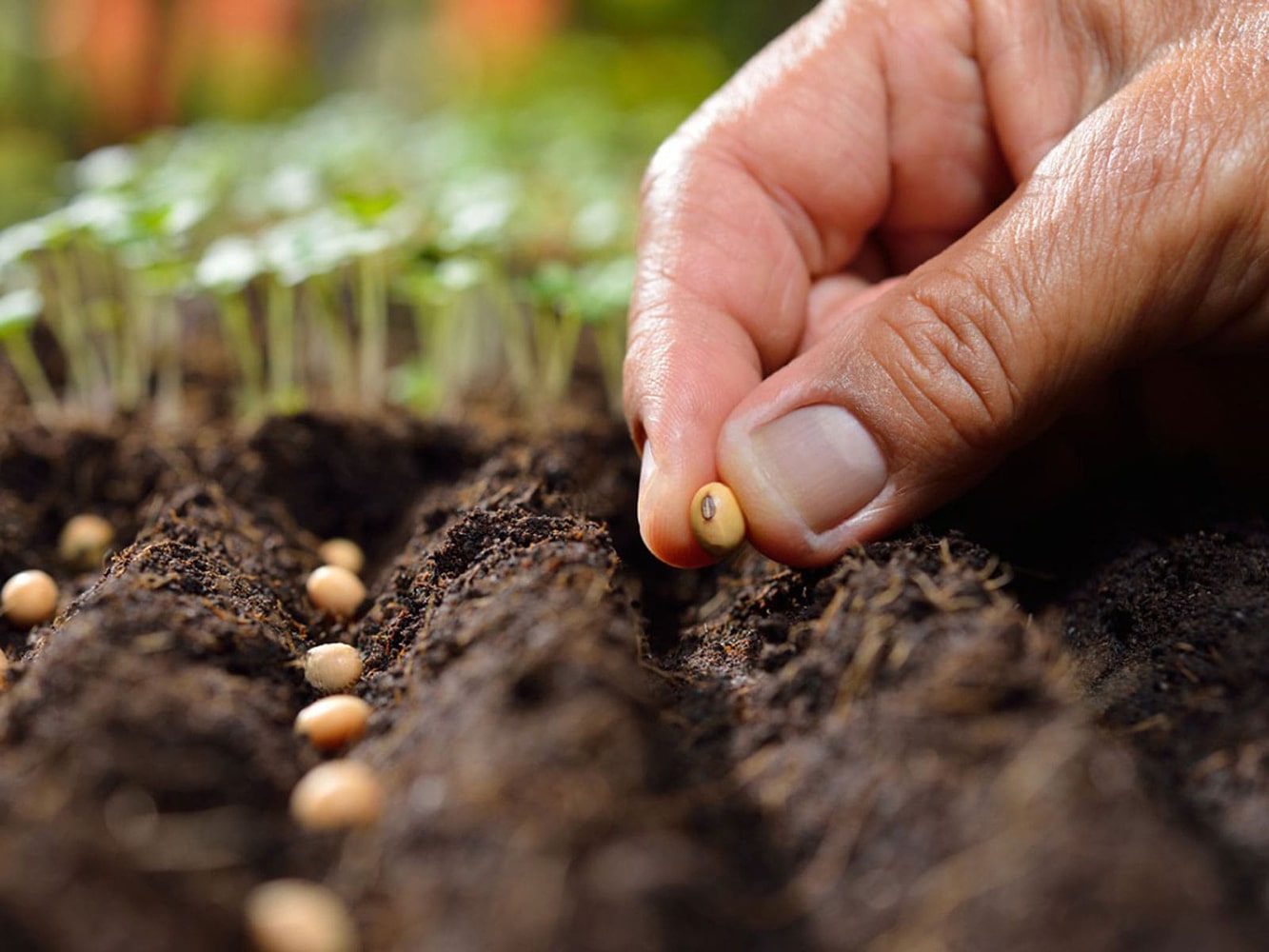
Propagation can be achieved through seeds or division in the spring, with planting recommended in the fall.
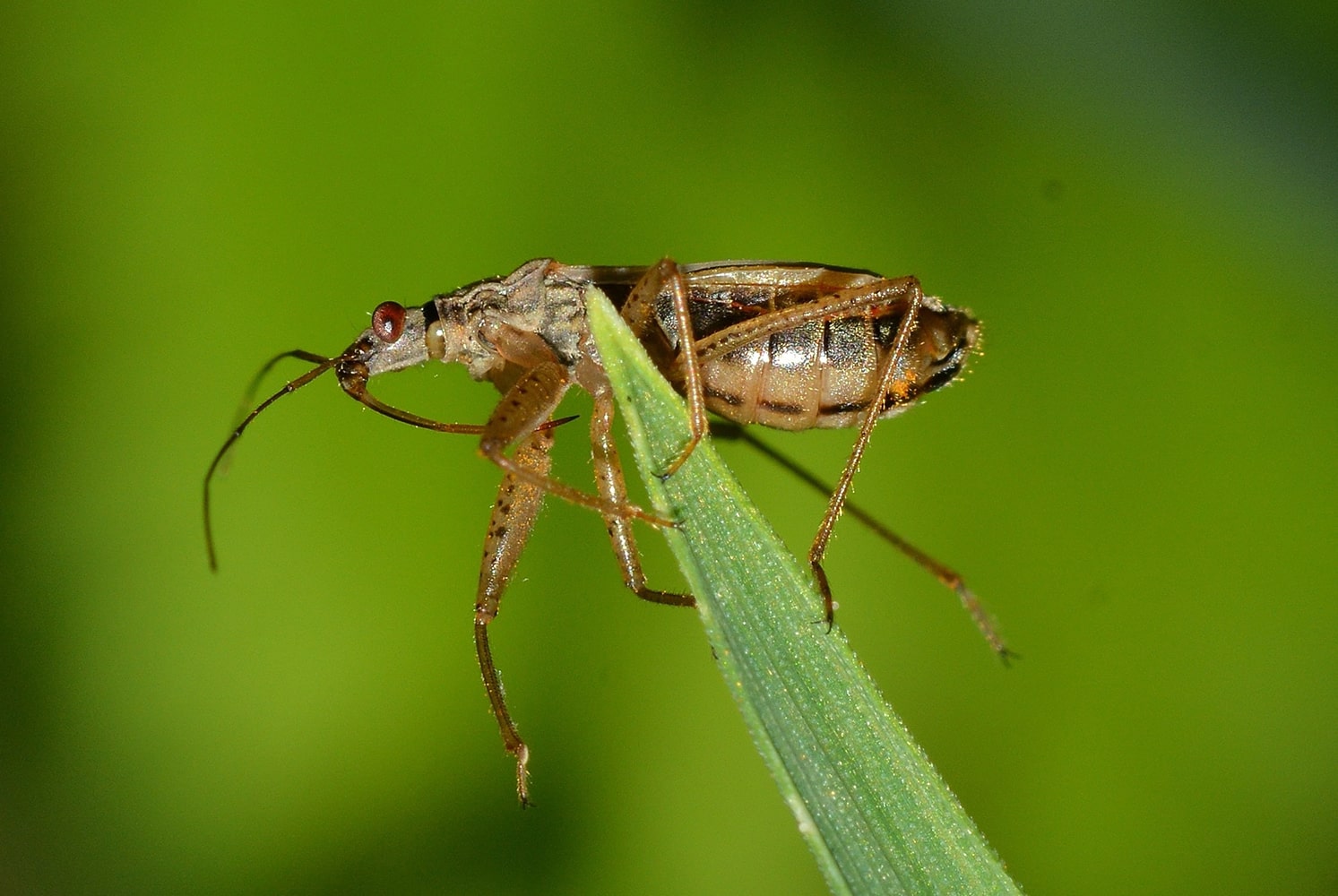
In terms of pests and diseases, the English Daisy does not face significant issues. However, it can be affected by the European pepper moth, which uses it as a host, as well as root-knot nematodes and rust.
Bellis perennis Feature Summary