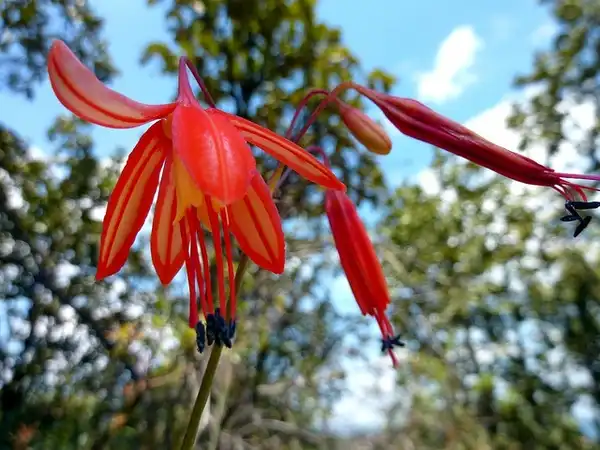
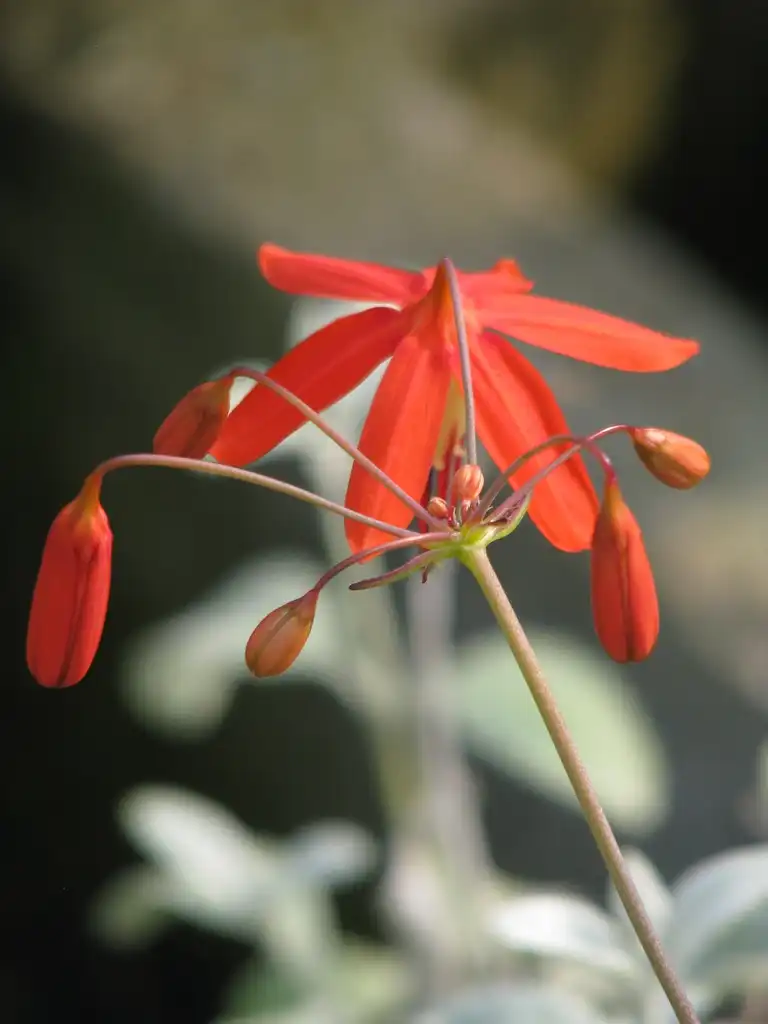
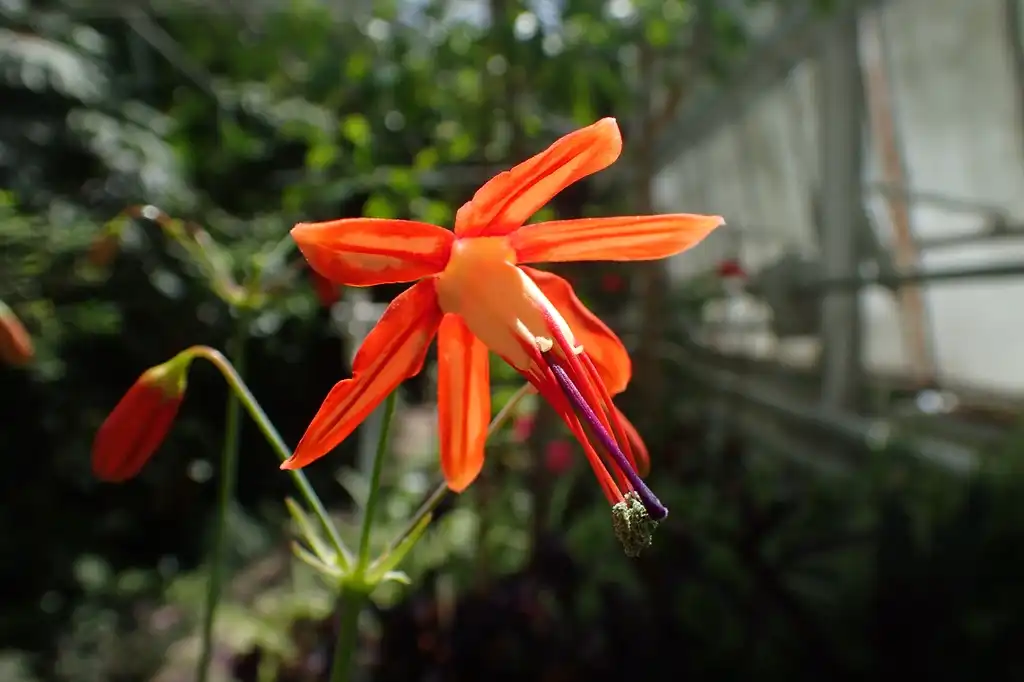
• Photo of Bessera (Besseras)

Plant Profile: Bessera

Names

Coral Drops

  • Photo of Bessera (Besseras)

Phonetic Spelling:bes-SER-ah

Genus:Bessera

Species:

Family:Asparagaceae

Bessera is a genus of plants native to Mexico, classified within the cluster lily subfamily of the asparagus family. This small genus comprises three known species, primarily consisting of herbaceous flowering plants that develop corms. The plants feature slender leaves that spread along the ground, while their wiry stems produce flowers reminiscent of fuchsia. They thrive best in well-drained, sandy soil and are ideally suited for pot cultivation.

When grown in pots, it is advisable to keep them in a sheltered location until the danger of frost has passed. Water them moderately and expose them to full sunlight once they have established growth. These plants require light, well-draining soil. As the leaves start to dry, reduce watering to prevent rot. If you choose to plant them directly in the garden, do so no earlier than late March to early April, ensuring they are in full sun to avoid frost damage. Plant them four inches deep and space them seven to eight inches apart. They need protection from frost and a dry winter environment.

Tenderness is classified as III, indicating that they can be injured when temperatures drop below 25 degrees Fahrenheit (2 degrees Celsius).

Bessera Feature Summary

Bessera Image Gallery

Tags

#bulb
#showy flowers
#red flowers
#container plants

Similar Plants

Bessera Feature Summary

Attributes
Store corms dry or, if container-grown, dry the planting medium and store at 35-41 degrees F (2-5 degrees C)
Flowers
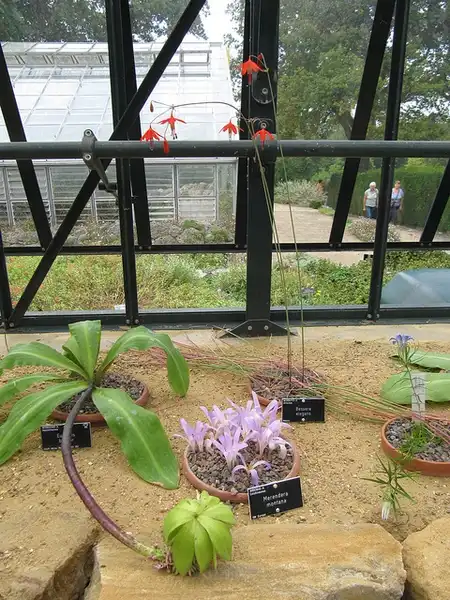
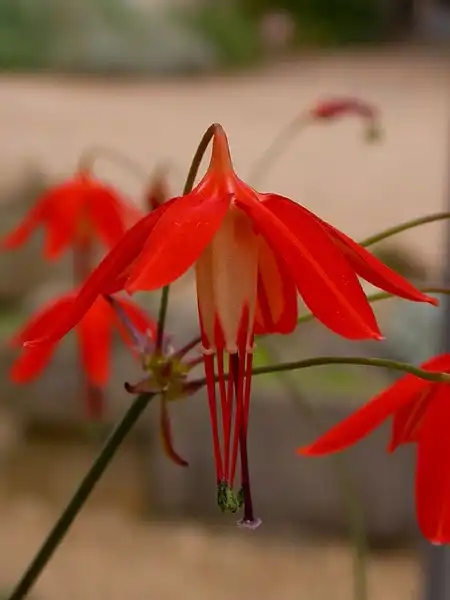
Each stem bears umbels of up to nine bright scarlet, fuchsia-type flowers. Inside creamy-white with scarlet veining and attractive long protruding anthers. Each flower lasts for weeks.
Gold/Yellow
Red/Burgundy
Showy
Long-lasting
Funnel
Tubular
1-3 inches
Leaves
Leaves are few, thin and grassy, appearing during the summer before the flowers
Cultural Conditions
Full sun (6 or more hours of direct sunlight a day)
Good Drainage
Less than 12 inches
8b
8a
9a
9b
10a
10b
11a
11b
Landscape
Drought Tolerant Garden
Rock Garden
Container
Patio

Bessera Attributes

Bessera: Country Or Region Of Origin

Mexico
Bessera: Bulb Storage

Store corms dry or, if container-grown, dry the planting medium and store at 35-41 degrees F (2-5 degrees C)

Bessera: Life Cycle

Annual
Biennial
Bulb
Perennial
Woody

Bessera Flowers

Bessera: Flower Description

Each stem bears umbels of up to nine bright scarlet, fuchsia-type flowers. Inside creamy-white with scarlet veining and attractive long protruding anthers. Each flower lasts for weeks.

Bessera: Flower Color

filter_vintage
Gold/Yellow
filter_vintage
Red/Burgundy

Bessera: Flower Inflorescence

Catkin
Corymb
Cyme
Head
Insignificant
Panicle
Raceme
Solitary
Spadix
Spike
Umbel

Bessera: Flower Value To Gardener

Edible
Fragrant
Good Cut
Good Dried
Long Bloom Season
Long-lasting
Showy

Bessera: Flower Bloom Time

Winter
Spring
Summer
Fall

Bessera: Flower Shape

Bell
Cross
Crown
Cup
Dome
Funnel
Irregular
Lipped
Radial
Saucer
Star
Trumpet
Tubular
Urn
Wheel

Bessera: Flower Size

1-3 inches
3-6 inches
< 1 inch
> 6 inches

Bessera Leaves

Bessera: Leaf Description

Leaves are few, thin and grassy, appearing during the summer before the flowers

Bessera: Woody Plant Leaf Characteristics

Broadleaf Evergreen
Deciduous
Needled Evergreen
Semi-evergreen

Bessera: Hairs Present

No
Yes

Bessera Whole Plant Traits

Bessera: Plant Type

Annual
Bulb
Carnivorous
Edible
Epiphyte
Fern
Ground Cover
Herb
Herbaceous Perennial
Houseplant
Mushroom
Native Plant
Ornamental Grasses and Sedges
Perennial
Poisonous
Rose
Shrub
Succulent
Tree
Turfgrass
Vegetable
Vine
Water Plant
Weed
Wildflower

Bessera: Woody Plant Leaf Characteristics

Broadleaf Evergreen
Deciduous
Needled Evergreen
Semi-evergreen

Bessera: Habit/Form

Arching
Ascending
Broad
Cascading
Climbing
Clumping
Columnar
Conical
Creeping
Dense
Erect
Horizontal
Irregular
Mounding
Multi-stemmed
Multi-trunked
Open
Oval
Prostrate
Pyramidal
Rounded
Spreading
Vase
Weeping

Bessera: Growth Rate

Slow
Medium
Rapid

Bessera: Maintenance

Low
Medium
High

Bessera: Texture

Fine
Medium
Coarse

Bessera Cultural Conditions

Bessera: Light

Dappled Sunlight (Shade through upper canopy all day)
Deep shade (Less than 2 hours to no direct sunlight)
Full sun (6 or more hours of direct sunlight a day)
Partial Shade (Direct sunlight only part of the day, 2-6 hours)

Bessera: Soil Drainage

Frequent Standing Water
Good Drainage
Moist
Occasional Flooding
Occasionally Dry
Occasionally Wet
Very Dry

Bessera: Available Space To Plant

12 inches-3 feet
12-24 feet
24-60 feet
3 feet-6 feet
6-feet-12 feet
Less than 12 inches
more than 60 feet

Bessera: USDA Plant Hardiness Zone

thermostat
10a
thermostat
10b
thermostat
11a
thermostat
11b
thermostat
8a
thermostat
8b
thermostat
9a
thermostat
9b

Bessera: Soil Texture

Clay
High Organic Matter
Loam (Silt)
Sand
Shallow Rocky

Bessera Stem

Bessera: Stem Is Aromatic

No
Yes

Bessera Landscape

Bessera: Landscape Theme

Asian Garden
Butterfly Garden
Children's Garden
Cottage Garden
Cutting Garden
Drought Tolerant Garden
Edible Garden
English Garden
Fairy Garden
Garden for the Blind
Native Garden
Nighttime Garden
Pollinator Garden
Rain Garden
Rock Garden
Shade Garden
Water Garden
Winter Garden

Bessera: Design Feature

Accent
Barrier
Border
Flowering Tree
Foundation Planting
Hedge
Mass Planting
Screen/Privacy
Security
Shade Tree
Small groups
Small Tree
Specimen
Street Tree
Understory Tree

Bessera: Landscape Location

Coastal
Container
Hanging Baskets
Houseplants
Lawn
Meadow
Naturalized Area
Near Septic
Patio
Pond
Pool/Hardscape
Recreational Play Area
Riparian
Rock Wall
Slope/Bank
Small Space
Vertical Spaces
Walkways
Woodland