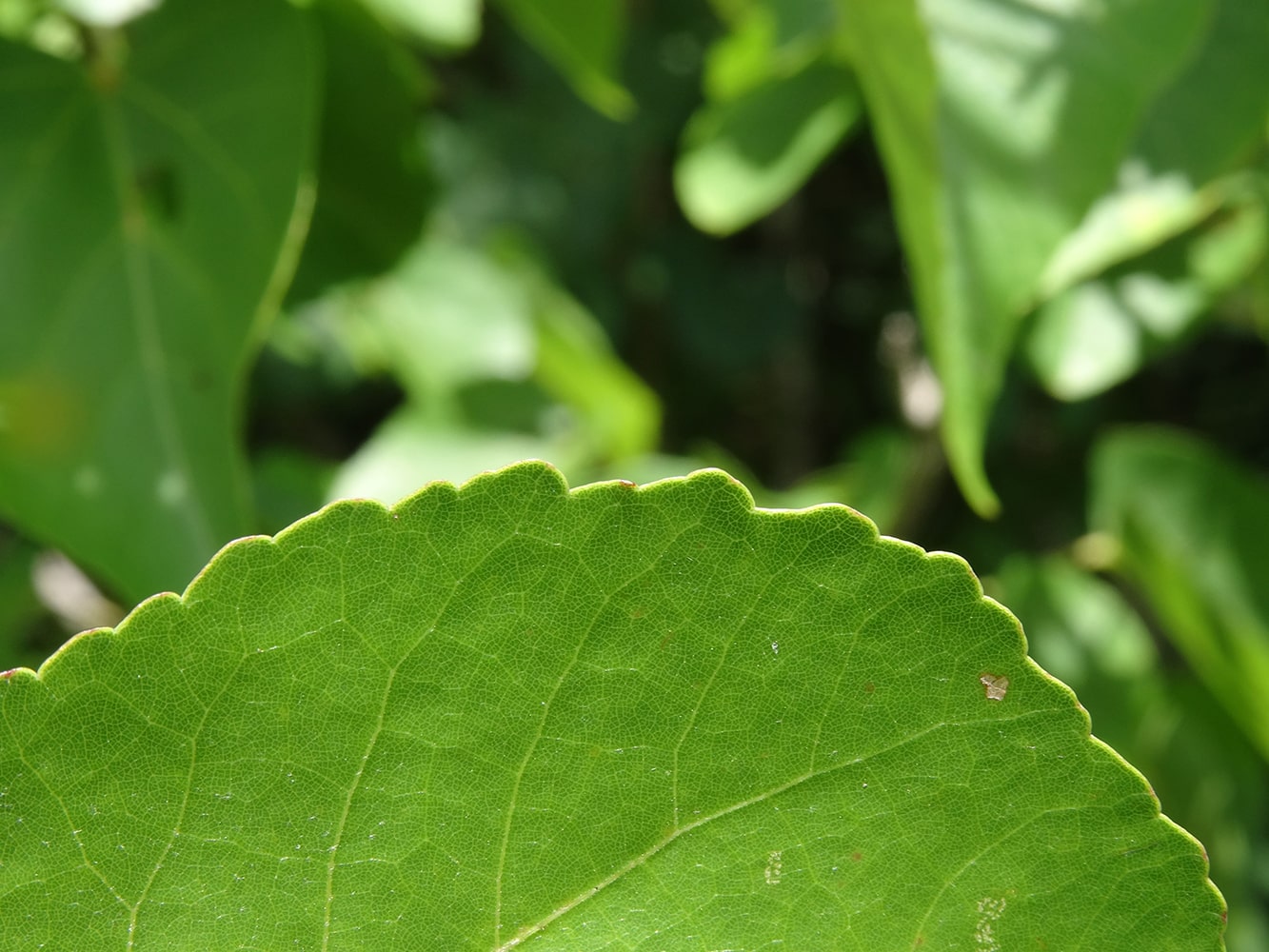
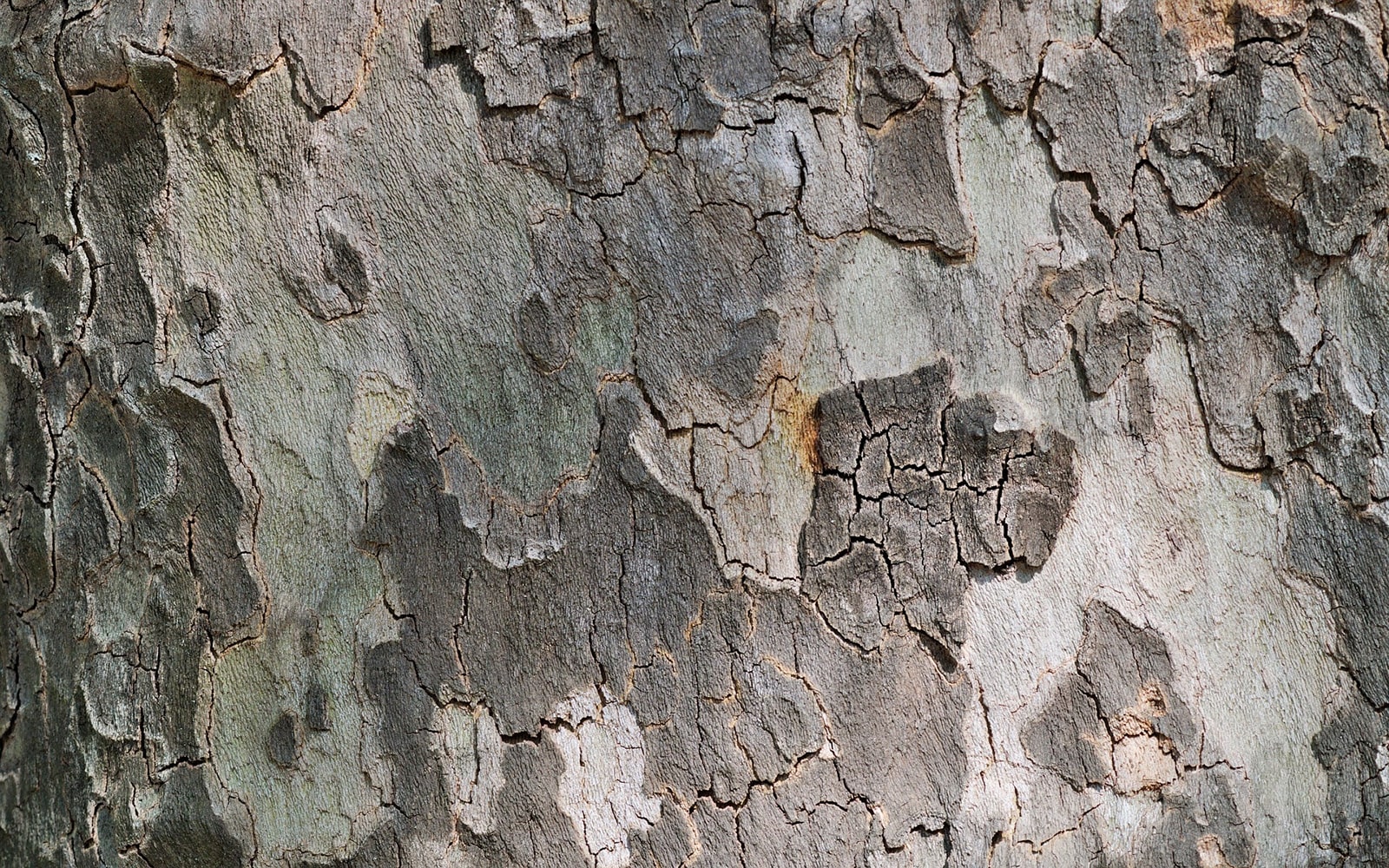
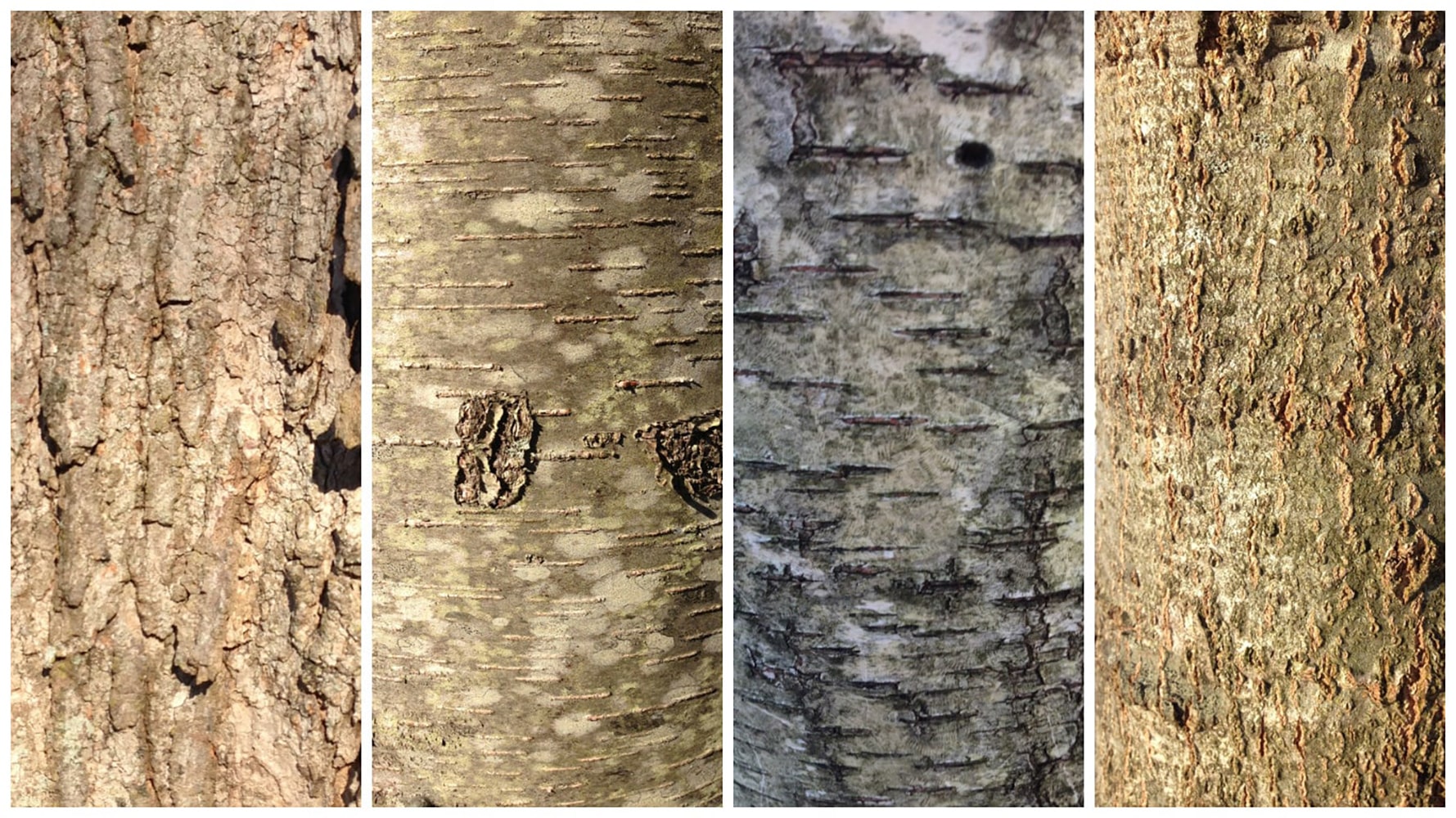
Betula, the Latin term for birch, refers to a genus comprising approximately 60 species of deciduous trees and shrubs that thrive in various gardens and landscapes across the northern hemisphere. One notable cultivar, Betula nigra 'Shiloh Splash', is a deciduous tree characterized by its striking variegated foliage and unique bark, which features a blend of tan and peach tones, along with green leaves that appear as if their edges have been dipped in creamy-white paint. In early spring, this tree produces small monoecious flowers—both male and female—arranged in separate catkins on the same specimen. The greenish female flowers give way to drooping, cone-like fruits filled with numerous small, winged seeds that typically reach maturity by late summer.
The 'Shiloh Splash' River Birch was discovered by John and Danny Allen at Shiloh Nursery and can serve as either a shrub or a small tree in landscaping. This native species is highly favored in southern nurseries due to its ornamental appeal and remarkable adaptability. Typically, 'Shiloh Splash' grows to a height of 10-15 feet with a spread of 8-10 feet, a stark contrast to the potential 80-foot height of the standard Betula nigra. It features a low canopy, usually about 3 feet above the ground. Research on propagation indicates that this cultivar roots easily from terminal, softwood cuttings taken in mid-July, with the most effective treatments involving basal dips of 2,000 – 4,000 ppm of either KIBA or IBA in a 50% isopropyl alcohol solution. This tree can be expected to live for up to 70 years.
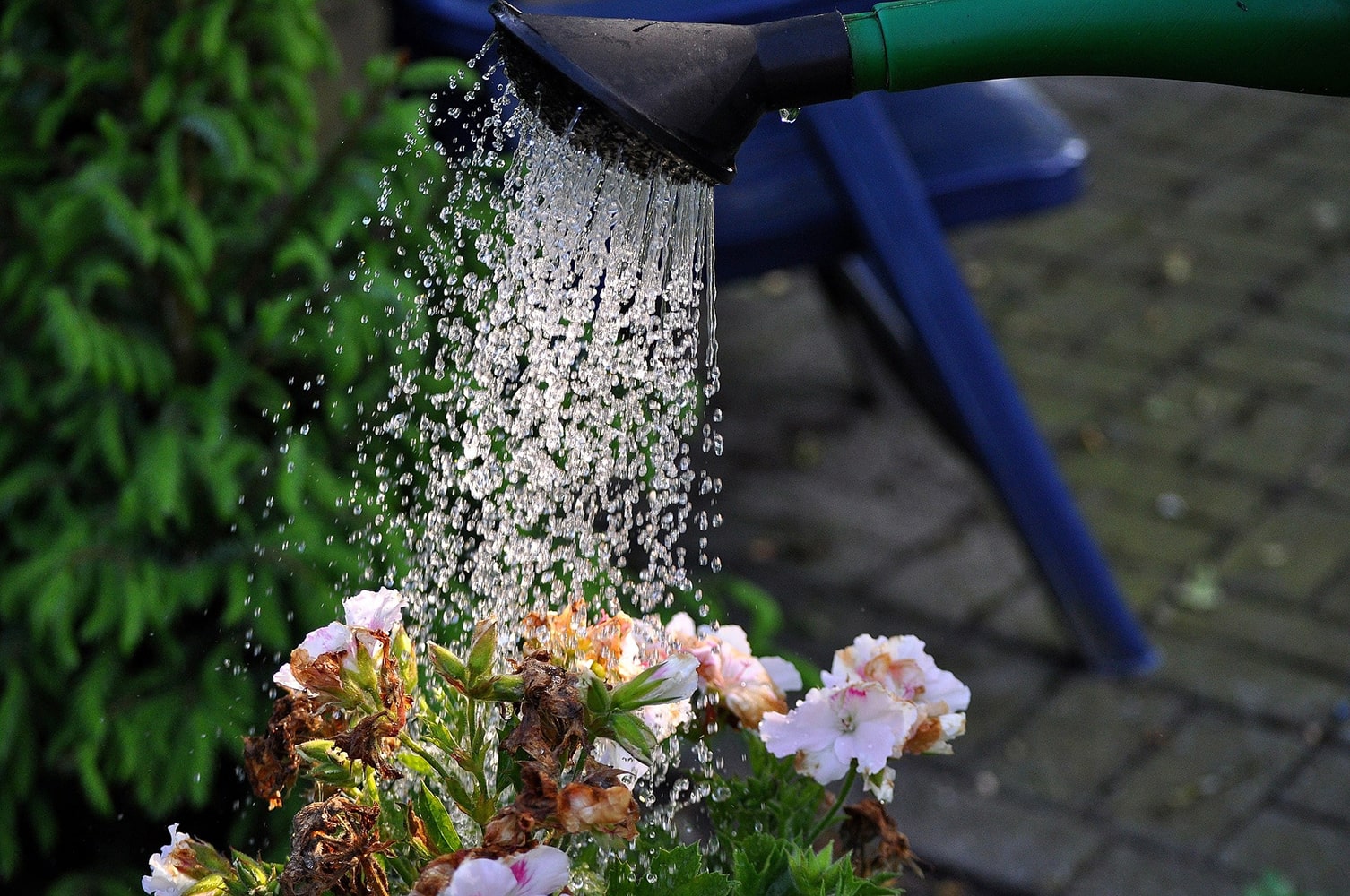
River Birch thrives in wet environments and flourishes in moist, acidic, sandy, or rocky loams that are well-drained, ideally positioned in full sun to partial shade. The most vibrant foliage color is achieved in full sunlight. Among birch species, River Birch is particularly adaptable to various cultural conditions and exhibits excellent heat tolerance. It can withstand prolonged periods of flooding, which is why it naturally grows along riverbanks, streambanks, and floodplains. In cultivated settings, it is important to keep the tree consistently moist; using soaker hoses and applying bark mulch can help maintain cool, moist root zones. While minimal pruning is required, any necessary trimming should be done during the dormant season, avoiding winter or spring when sap flow is active to prevent bleeding. The tree tends to shed numerous twigs, making it more suitable for less manicured landscapes.
In terms of pests and diseases, 'Shiloh Splash' is one of the few birch varieties resistant to the bronze birch borer. However, it may still encounter issues with aphids, leaf miners, and birch skeletonizers, as well as leaf spot problems. Additionally, it can be susceptible to chlorosis in alkaline soils.
For further details on Betula nigra, additional resources are available.