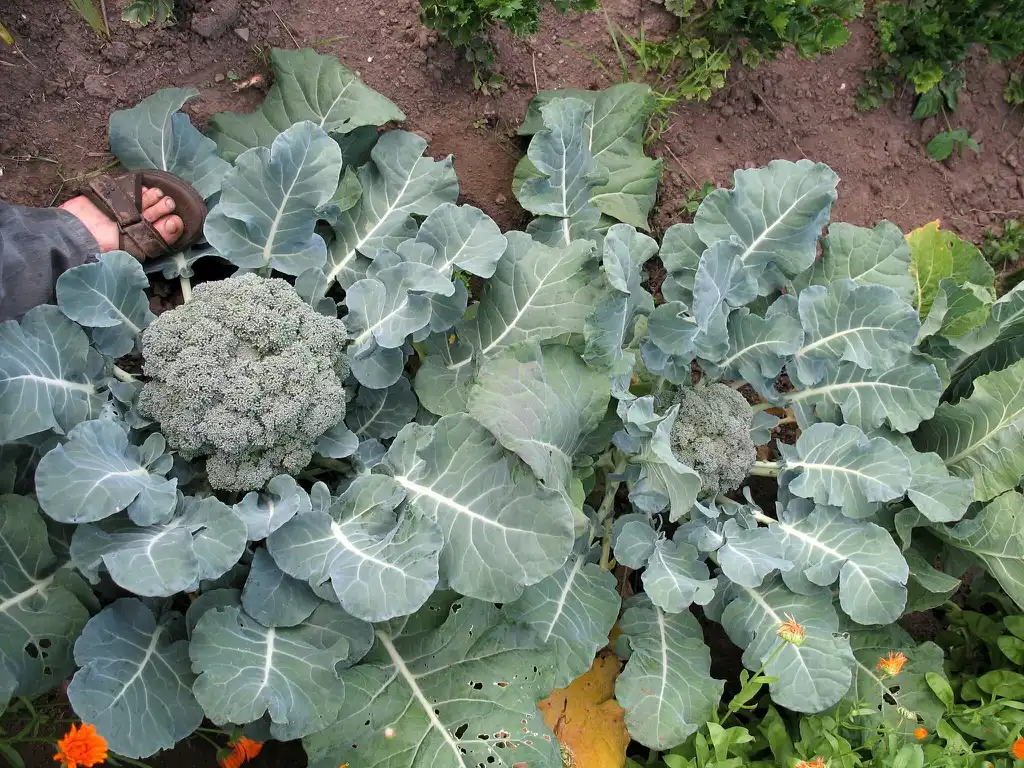
Brassica oleracea: Country Or Region Of Origin
W. Europe
Phonetic Spelling:BRAS-ih-ka ol-lur-RAY-see-uh
Genus:Brassica
Species:oleracea
Family:Brassicaceae
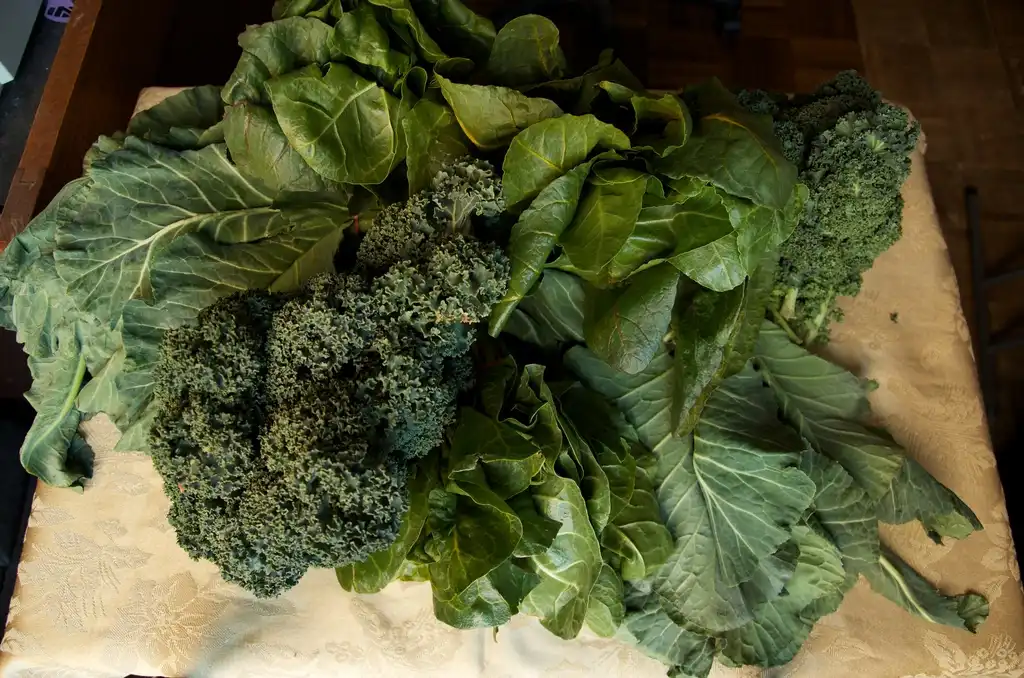
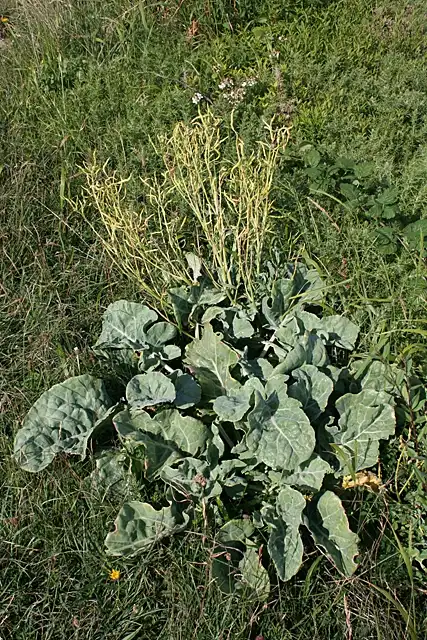
Brassica oleracea serves as the wild progenitor of several widely cultivated vegetables, such as kale, collards, broccoli, cauliflower, and kohlrabi. The uncultivated variant, known as Wild Cabbage, is also edible. The term "Brassica" is derived from Latin, meaning cabbage, while "oleracea" translates to vegetable or herb. This plant typically thrives in its natural environment along coastal regions, particularly on rocky cliffs.
Although Brassica oleracea can adapt to various growing conditions, it flourishes best in full sunlight and in nitrogen-rich, alkaline soil that offers excellent drainage. To promote further leaf growth, it is advisable to prune the flowering stems once the flowers begin to develop seed pods, thereby conserving the plant's energy.
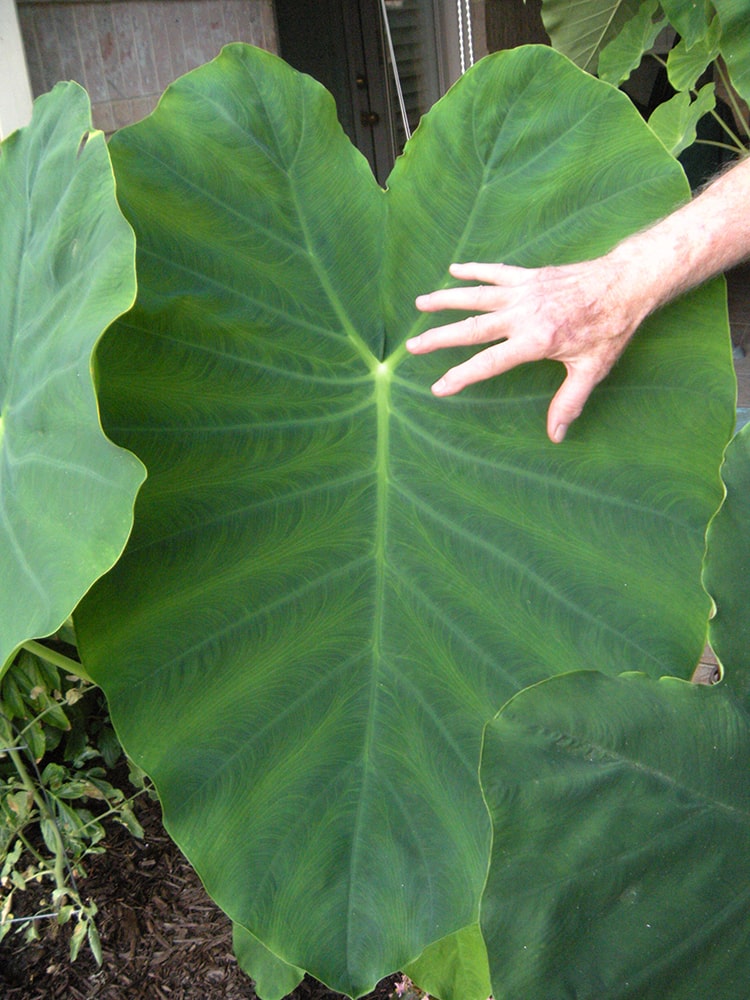
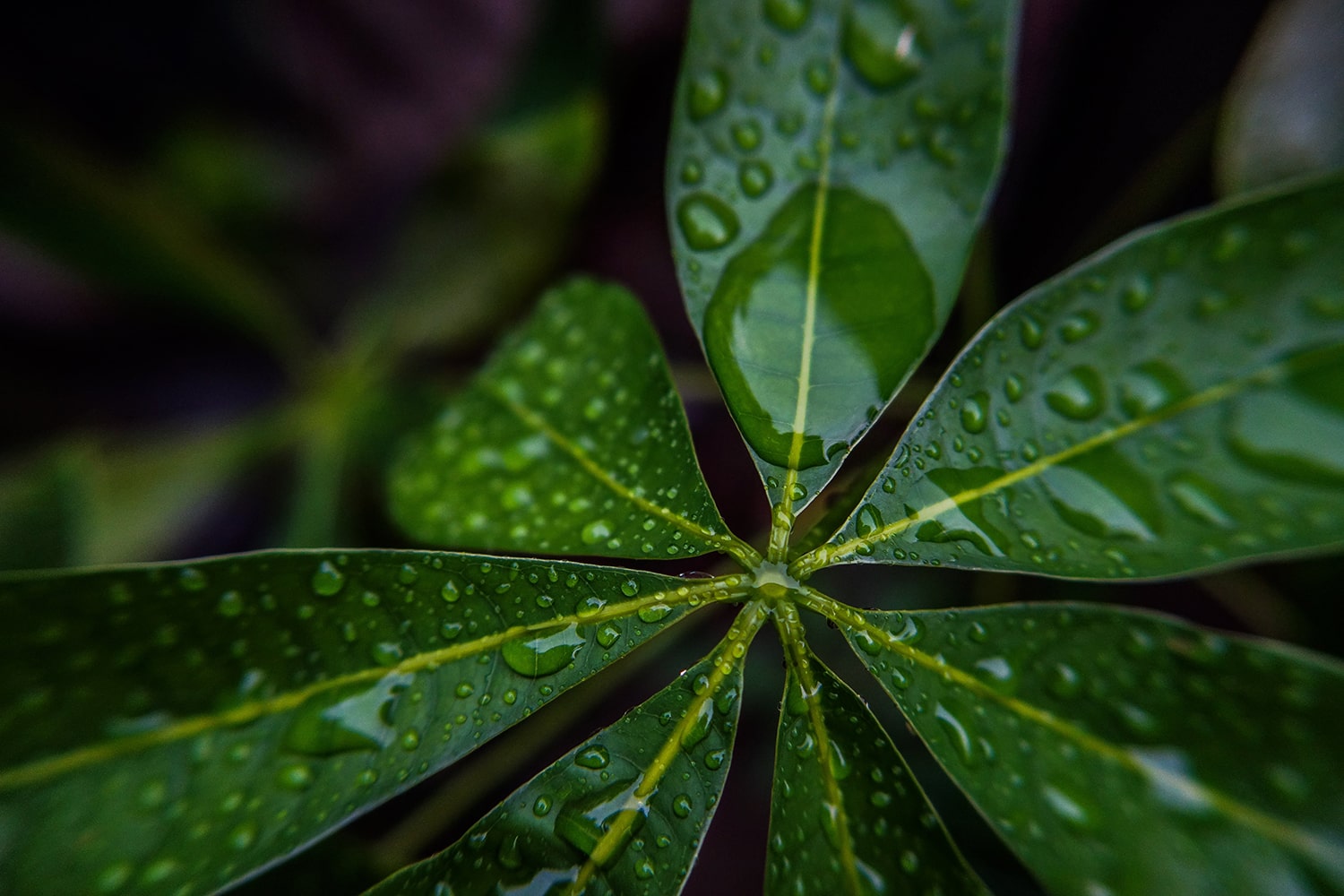
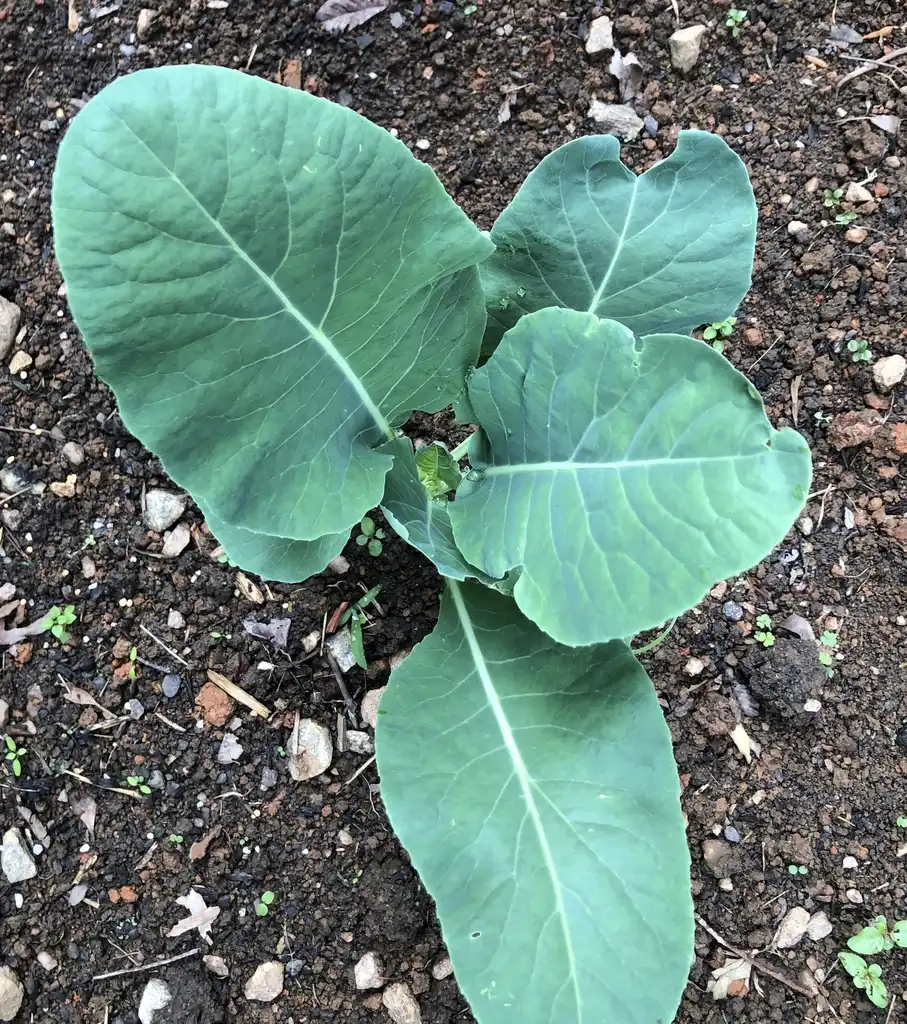
The leaves of Brassica oleracea are notably thicker and fleshier compared to other species within the Brassica genus, which enhances its resilience in challenging growing environments by enabling it to retain water and nutrients. The plant produces a loose cluster of large, green or blue-green leaves with wavy edges that are edible. These leaves can be boiled or steamed until tender and are also suitable for inclusion in soups and stews.
In terms of potential issues, excessive consumption of this plant may lead to thyroid gland enlargement. Additionally, in areas lacking sufficient sunlight, downy mildew can develop, making good drainage essential for healthy growth.
Common pests that may affect Brassica oleracea include slugs, snails, aphids, and white caterpillars. It is worth noting that cooking this plant can produce an unpleasant odor.
Brassica oleracea Feature Summary
Brassica oleracea Image Gallery