Plant Profile: Beta vulgaris (Garden Beet Group)

Names

Beet, Beetroot, Beetroots, Beets, Garden Beet, Garden Beets, Red Beet, Roman Kale, Sugar Beet, Swiss Chard

  • Photo of Beta vulgaris (Garden Beet Group) (Beta vulgaris (Garden Beet Group)s)

Phonetic Spelling:BAY-tuh vul-GAIR-iss

Genus:Beta

Species:vulgaris

Family:Amaranthaceae

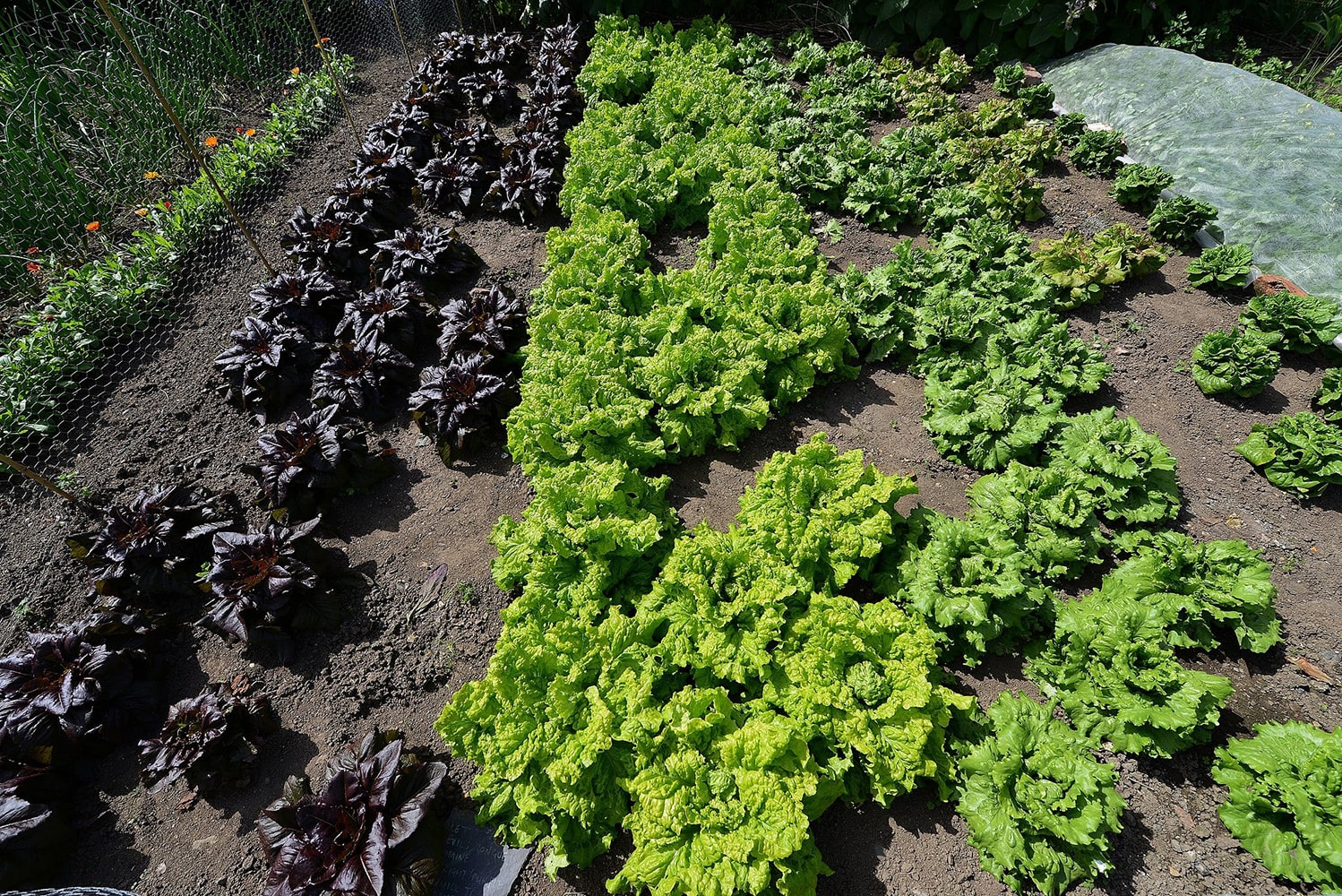
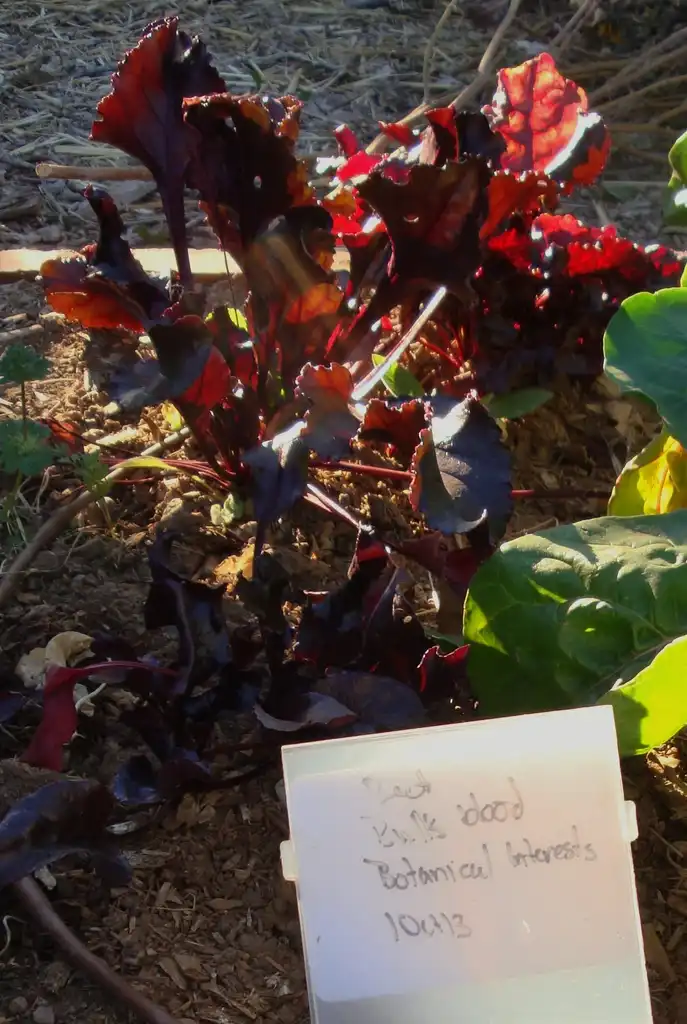
The Garden Beet, scientifically known as Beta vulgaris, is the variety most commonly recognized when people think of "beet"—the round, bulbous root vegetable typically found in grocery stores. This earthy-flavored vegetable comes in several cultivars, with the deep purple-red variety being the most popular. While the primary focus of cultivation is the root, the green leafy tops are also edible.

Beets flourish in full sunlight to partial shade and prefer moist, nutrient-rich, well-drained soil. Although they can still thrive in partial shade, their growth to a harvestable size will take longer. These plants perform best in the cooler temperatures of spring and fall, although they can withstand heat and humidity. Consistent moisture is essential for a successful crop.

For planting, it is advisable to sow seeds directly, as transplanting can disrupt root development. Space the plants 2 to 3 inches apart. Beets can also be cultivated in containers, with a recommended minimum size of 2 quarts and a depth of 8 inches. Harvesting can occur when the roots reach a diameter of 1.5 to 3 inches, typically 50 to 80 days after germination. To ensure a steady supply, plant new beets every three weeks.

Beta vulgaris (Garden Beet Group) Feature Summary

Beta vulgaris (Garden Beet Group) Image Gallery

Tags

#cultivars
#purple
#full sun tolerant
#small spaces
#purple leaves
#showy leaves
#low maintenance
#vegetable garden
#edible roots
#vegetable
#edible garden
#edible leaves
#edible
#cool season vegetable
#container vegetable garden
#shade tolerant vegetable
#ornamental vegetable
#non-toxic for horses
#non-toxic for dogs
#non-toxic for cats
#container plants

Similar Plants

Beta vulgaris (Garden Beet Group) Feature Summary

Attributes
Mediterranean, Europe
Roots and leaves can be eaten raw or cooked. Trim the greens from the root to store, leaving a small amount of stem behind. Use the greens within a few days as they do not store well. The beets can last up to several months in the fridge under proper humidity and temperature.
Annual
Biennial
Flowers
Green, non-showy spikes of flowers in the plant's second year. Spikes can rise as tall as 4'.
Insignificant
Green
Leaves
Large, green leafy tops. Leaves may have red veining or be entirely purple in color depending on the cultivar.
Green
Red/Burgundy
Purple/Lavender
Whole Plant Traits
Cultural Conditions
Full sun (6 or more hours of direct sunlight a day)
Partial Shade (Direct sunlight only part of the day, 2-6 hours)
Neutral (6.0-8.0)
Good Drainage
Moist
Less than 12 inches
Coastal
Mountains
Piedmont
4a
4b
5b
5a
6a
6b
7a
7b
8b
8a
2a
2b
3a
3b
9a
9b
10a
10b
11a
11b
High Organic Matter
Landscape
Edible Garden
Small groups
Container
Small Space

Beta vulgaris (Garden Beet Group) Attributes

Beta vulgaris (Garden Beet Group): Country Or Region Of Origin

Mediterranean, Europe
Beta vulgaris (Garden Beet Group): Edibility

Roots and leaves can be eaten raw or cooked. Trim the greens from the root to store, leaving a small amount of stem behind. Use the greens within a few days as they do not store well. The beets can last up to several months in the fridge under proper humidity and temperature.

Beta vulgaris (Garden Beet Group): Life Cycle

Annual
Biennial
Bulb
Perennial
Woody

Beta vulgaris (Garden Beet Group) Flowers

Beta vulgaris (Garden Beet Group): Flower Description

Green, non-showy spikes of flowers in the plant's second year. Spikes can rise as tall as 4'.

Beta vulgaris (Garden Beet Group): Flower Color

filter_vintage
Green
filter_vintage
Insignificant

Beta vulgaris (Garden Beet Group): Flower Inflorescence

Catkin
Corymb
Cyme
Head
Insignificant
Panicle
Raceme
Solitary
Spadix
Spike
Umbel

Beta vulgaris (Garden Beet Group) Leaves

Beta vulgaris (Garden Beet Group): Leaf Description

Large, green leafy tops. Leaves may have red veining or be entirely purple in color depending on the cultivar.

Beta vulgaris (Garden Beet Group): Woody Plant Leaf Characteristics

Broadleaf Evergreen
Deciduous
Needled Evergreen
Semi-evergreen

Beta vulgaris (Garden Beet Group): Leaf Color

spa
Green
spa
Purple/Lavender
spa
Red/Burgundy

Beta vulgaris (Garden Beet Group): Leaf Type

Compound (Pinnately , Bipinnately, Palmately)
Fronds
Needles
Sheath
Simple

Beta vulgaris (Garden Beet Group): Leaf Arrangement

Alternate
Opposite
Other/more complex
Rosulate
Whorled

Beta vulgaris (Garden Beet Group): Leaf Margin

Crenate
Crenulate
Dentate
Denticulate
Doubly Crenate
Doubly Dentate
Doubly Serrate
Entire
Lobed
Serrate
Sinuate
Undulate

Beta vulgaris (Garden Beet Group): Hairs Present

No
Yes

Beta vulgaris (Garden Beet Group): Leaf Value To Gardener

Edible
Fragrant
Good Cut
Good Dried
Long-lasting
Showy

Beta vulgaris (Garden Beet Group) Whole Plant Traits

Beta vulgaris (Garden Beet Group): Plant Type

Annual
Bulb
Carnivorous
Edible
Epiphyte
Fern
Ground Cover
Herb
Herbaceous Perennial
Houseplant
Mushroom
Native Plant
Ornamental Grasses and Sedges
Perennial
Poisonous
Rose
Shrub
Succulent
Tree
Turfgrass
Vegetable
Vine
Water Plant
Weed
Wildflower

Beta vulgaris (Garden Beet Group): Woody Plant Leaf Characteristics

Broadleaf Evergreen
Deciduous
Needled Evergreen
Semi-evergreen

Beta vulgaris (Garden Beet Group): Habit/Form

Arching
Ascending
Broad
Cascading
Climbing
Clumping
Columnar
Conical
Creeping
Dense
Erect
Horizontal
Irregular
Mounding
Multi-stemmed
Multi-trunked
Open
Oval
Prostrate
Pyramidal
Rounded
Spreading
Vase
Weeping

Beta vulgaris (Garden Beet Group): Growth Rate

Slow
Medium
Rapid

Beta vulgaris (Garden Beet Group): Maintenance

Low
Medium
High

Beta vulgaris (Garden Beet Group) Cultural Conditions

Beta vulgaris (Garden Beet Group): Light

Dappled Sunlight (Shade through upper canopy all day)
Deep shade (Less than 2 hours to no direct sunlight)
Full sun (6 or more hours of direct sunlight a day)
Partial Shade (Direct sunlight only part of the day, 2-6 hours)

Beta vulgaris (Garden Beet Group): Soil pH

Acid (<6.0)
Alkaline (>8.0)
Neutral (6.0-8.0)

Beta vulgaris (Garden Beet Group): Soil Drainage

Frequent Standing Water
Good Drainage
Moist
Occasional Flooding
Occasionally Dry
Occasionally Wet
Very Dry

Beta vulgaris (Garden Beet Group): Available Space To Plant

12 inches-3 feet
12-24 feet
24-60 feet
3 feet-6 feet
6-feet-12 feet
Less than 12 inches
more than 60 feet

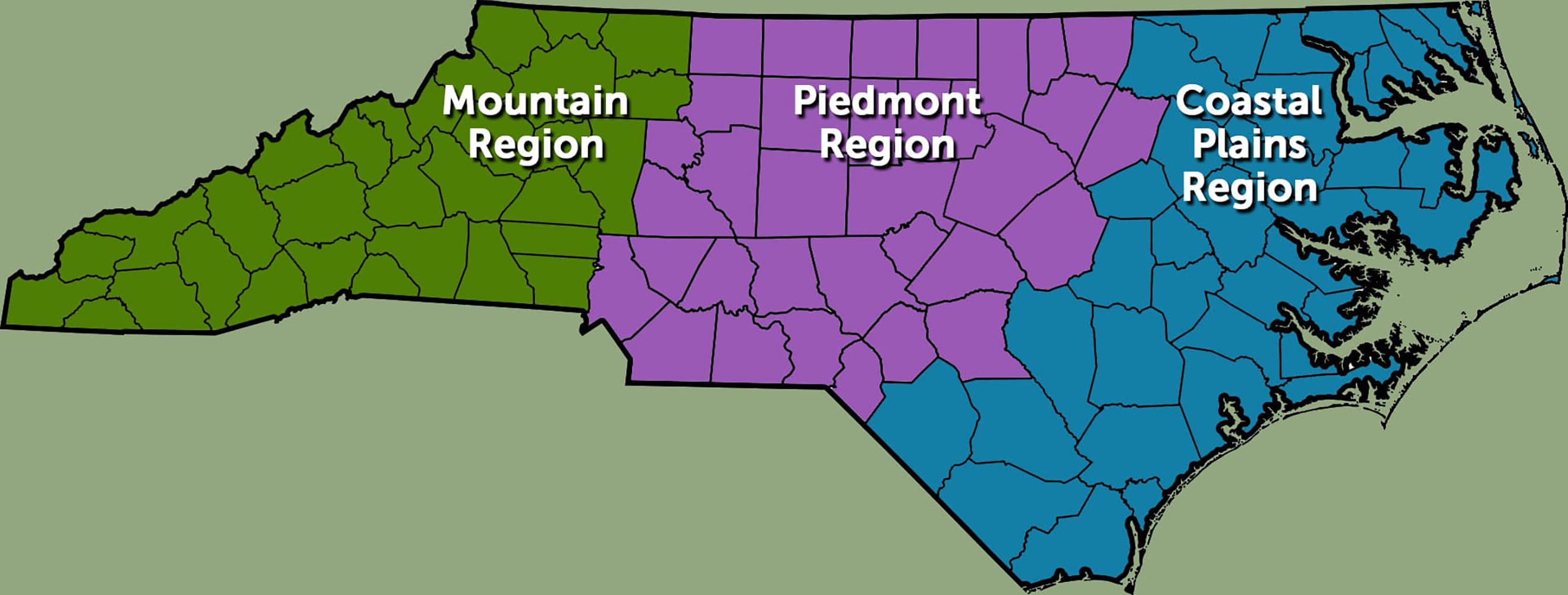
Beta vulgaris (Garden Beet Group): NC Region

Coastal
Mountains
Piedmont

Beta vulgaris (Garden Beet Group): USDA Plant Hardiness Zone

thermostat
10a
thermostat
10b
thermostat
11a
thermostat
11b
thermostat
2a
thermostat
2b
thermostat
3a
thermostat
3b
thermostat
4a
thermostat
4b
thermostat
5a
thermostat
5b
thermostat
6a
thermostat
6b
thermostat
7a
thermostat
7b
thermostat
8a
thermostat
8b
thermostat
9a
thermostat
9b

Beta vulgaris (Garden Beet Group): Soil Texture

Clay
High Organic Matter
Loam (Silt)
Sand
Shallow Rocky

Beta vulgaris (Garden Beet Group) Stem

Beta vulgaris (Garden Beet Group): Stem Is Aromatic

No
Yes

Beta vulgaris (Garden Beet Group) Landscape

Beta vulgaris (Garden Beet Group): Landscape Theme

Asian Garden
Butterfly Garden
Children's Garden
Cottage Garden
Cutting Garden
Drought Tolerant Garden
Edible Garden
English Garden
Fairy Garden
Garden for the Blind
Native Garden
Nighttime Garden
Pollinator Garden
Rain Garden
Rock Garden
Shade Garden
Water Garden
Winter Garden

Beta vulgaris (Garden Beet Group): Design Feature

Accent
Barrier
Border
Flowering Tree
Foundation Planting
Hedge
Mass Planting
Screen/Privacy
Security
Shade Tree
Small groups
Small Tree
Specimen
Street Tree
Understory Tree

Beta vulgaris (Garden Beet Group): Resistance To Challenges

Black Walnut
Compaction
Deer
Diseases
Drought
Dry Soil
Erosion
Fire
Foot Traffic
Heat
Heavy Shade
Humidity
Insect Pests
Pollution
Poor Soil
Rabbits
Salt
Slugs
Squirrels
Storm damage
Urban Conditions
Voles
Wet Soil
Wind

Beta vulgaris (Garden Beet Group): Landscape Location

Coastal
Container
Hanging Baskets
Houseplants
Lawn
Meadow
Naturalized Area
Near Septic
Patio
Pond
Pool/Hardscape
Recreational Play Area
Riparian
Rock Wall
Slope/Bank
Small Space
Vertical Spaces
Walkways
Woodland