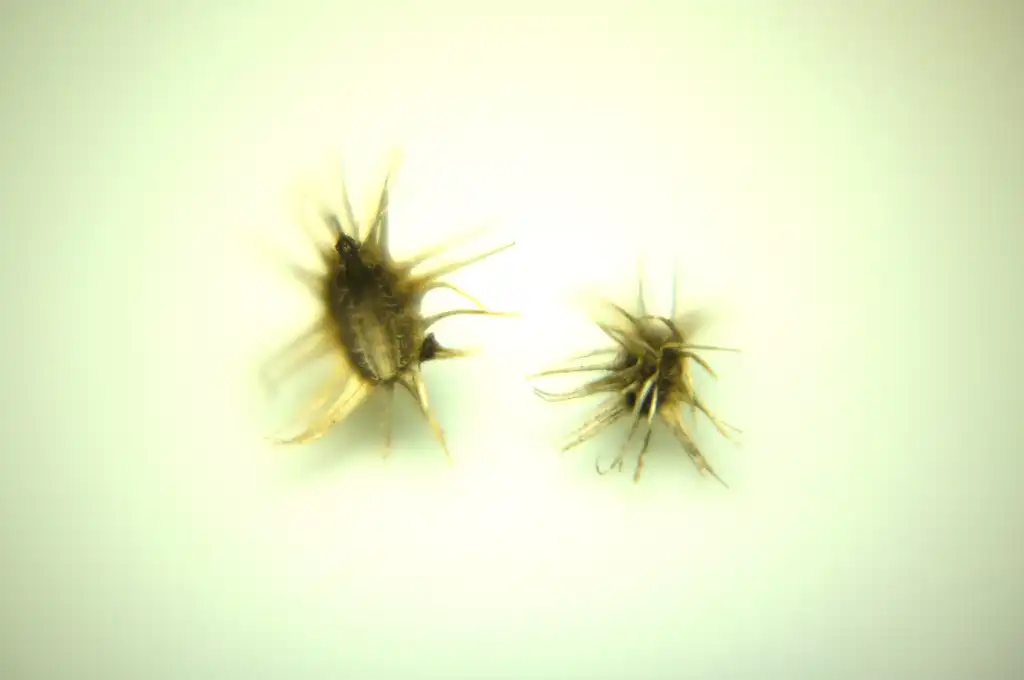
Daucus carota subsp. sativus: Uses (Ethnobotany)
Commonly cultivated vegetable
Phonetic Spelling:DAW-kus kar-OH-tah sah-TEE-vus
Genus:Daucus
Species:carota
Family:Apiaceae
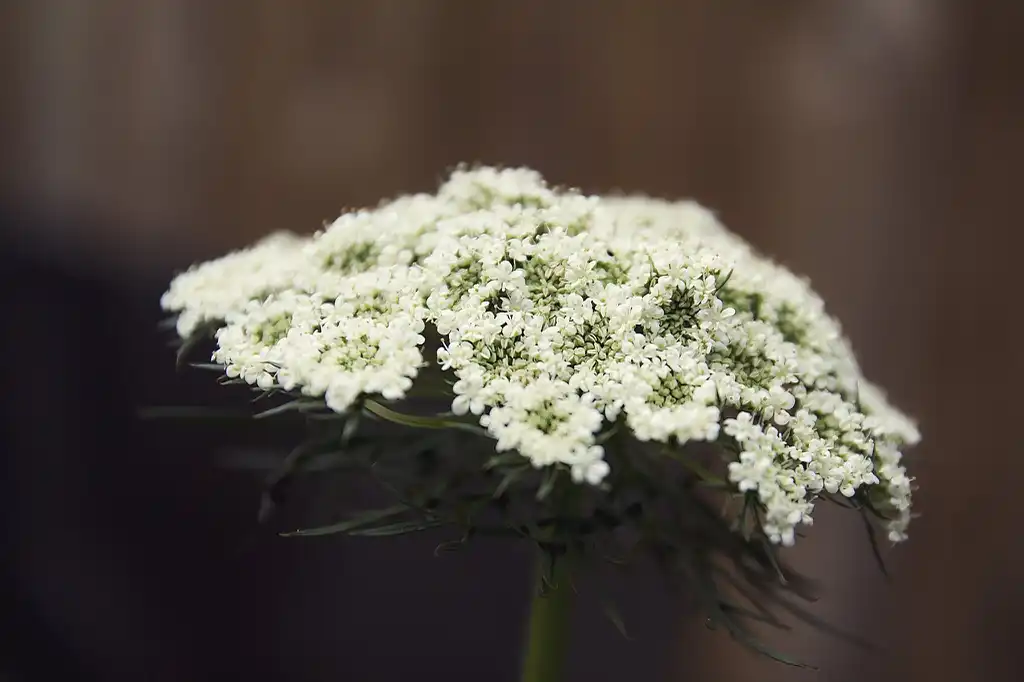
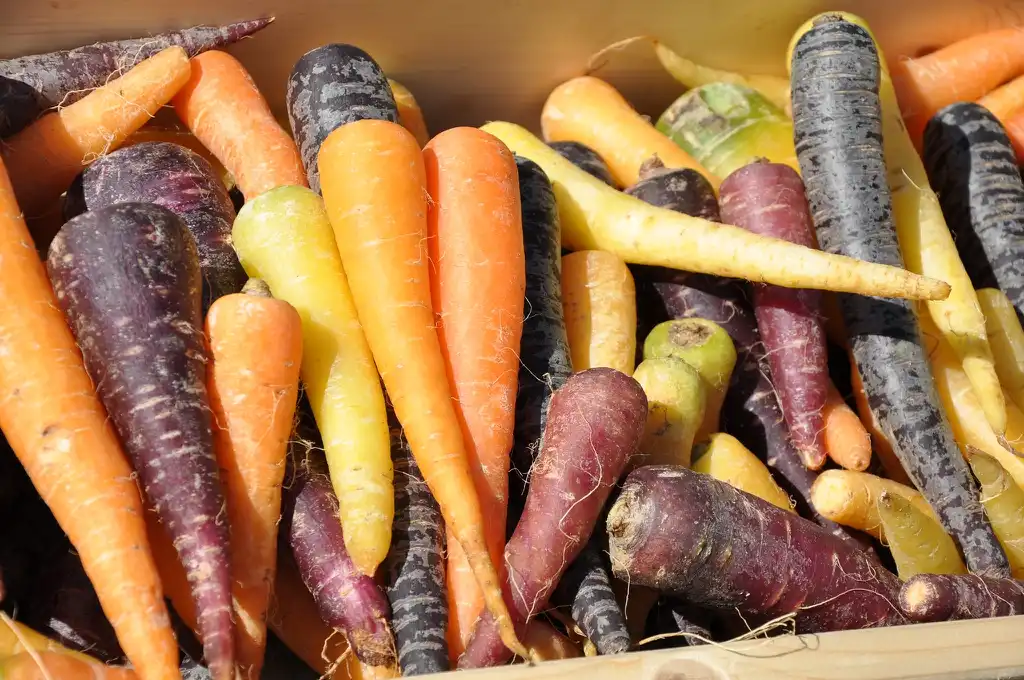
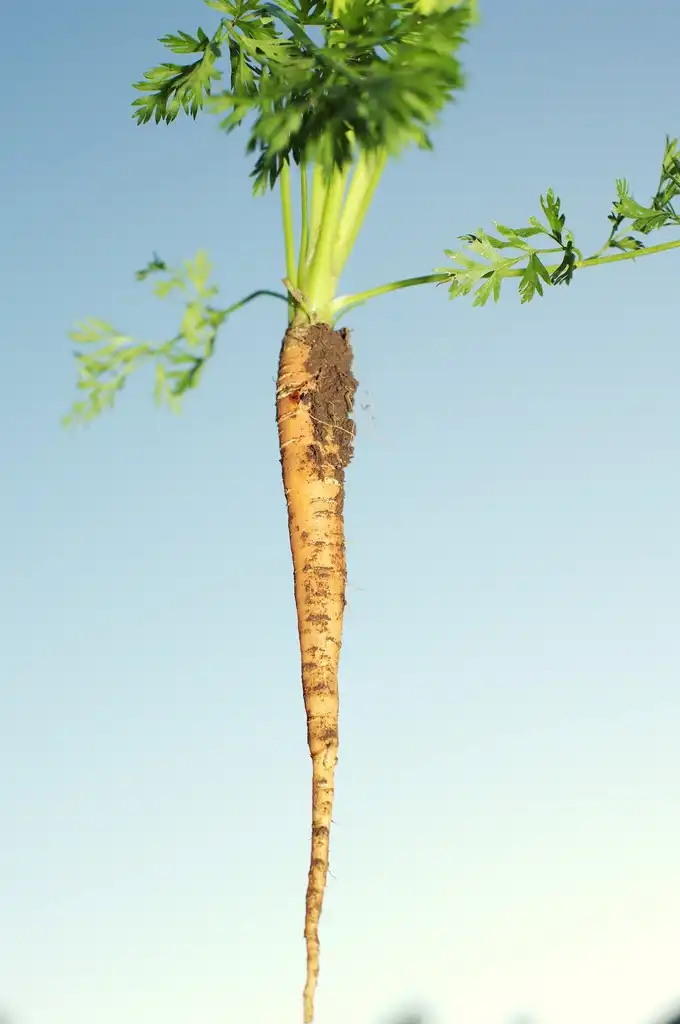
The cultivated variety of its wild counterpart, Daucus carota subsp. sativus, is a widely recognized vegetable belonging to the Apiaceae family. It shares close ties with other fragrant herbs like parsley, fennel, and dill. This vegetable is easily identifiable by its delicate, feathery green foliage that emerges from a robust, fleshy taproot, which is typically orange, though various cultivars exist in different colors and shapes. The vibrant orange hue is attributed to a high concentration of beta-carotene, making it an excellent source of vitamin A. Carrots are biennial plants, flowering only in their second year, but they are cultivated as annuals when harvested for consumption.
Carrots thrive in full sunlight but can tolerate some shade, preferring moist, neutral to slightly acidic sandy loam soils. Heavy, compacted, or poorly drained clay soils can lead to distorted and branching roots. It’s essential to keep the soil adequately moist, as insufficient watering can result in tough and bitter carrots. When checking soil moisture, probe several inches down rather than just the surface.
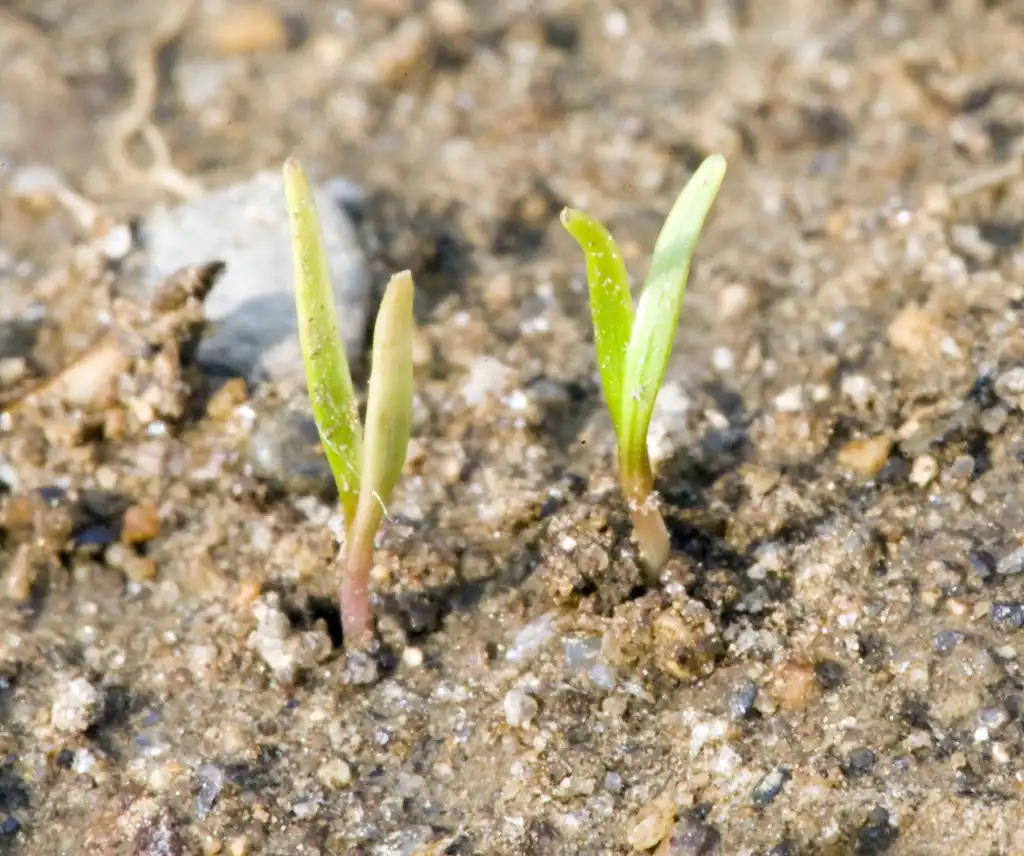
For planting, direct seeding is recommended, as transplanting can harm the delicate young taproots. In North Carolina, the optimal planting periods are from early February to late March for a spring harvest and from August to mid-September for a fall crop, ideally when temperatures range between 40 and 60°F. Using row covers can protect young seedlings from extreme heat. Seeds should be sown 1/4 inch deep, with plants thinned to 2-3 inches apart. Carrots can be cultivated in garden beds or in containers as small as 2 quarts, provided they have a minimum depth of 10 inches. Germination can take up to three weeks, allowing for planting before the last frost date. The roots typically mature in 70 to 120 days, depending on the variety and growing conditions. They can be harvested at any time after reaching full size, which is indicated when the top of the root begins to emerge from the soil. Care should be taken with fertilization, as excessive nitrogen can lead to increased leaf growth at the expense of root development.
Potential issues include carrot yellows, Alternaria leaf spot, and root-knot nematodes, which can hinder growth or cause wilting. Powdery mildew may affect the leaves, while root rot can impact seedlings. Common insect pests include aphids, carrot rust flies, leafhoppers, flea beetles, leaf miners, weevils, various caterpillars, and slugs.
Daucus carota subsp. sativus Feature Summary
Daucus carota subsp. sativus Image Gallery