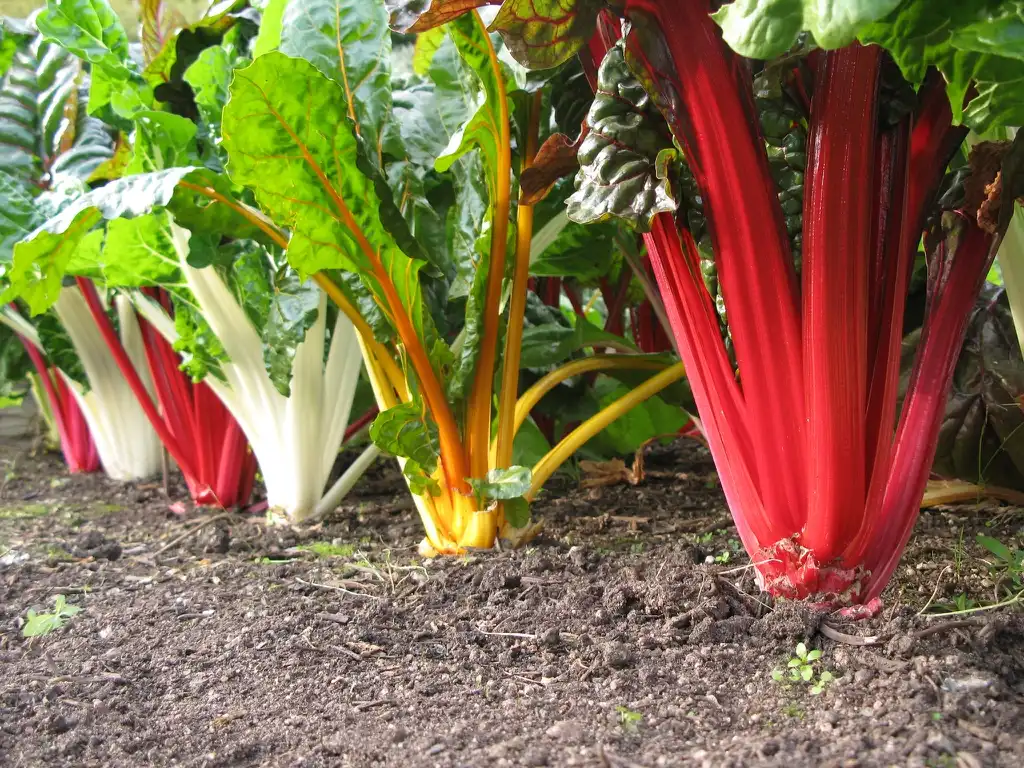
• Photo of Beta vulgaris (Leaf Beet Group) (Beta vulgaris (Leaf Beet Group)s)

Plant Profile: Beta vulgaris (Leaf Beet Group)

Names

Beet Root, Beets, Beet Spinach, Beet Spinaches, Chard, Chards, Leaf Beet, Leaf Beets, Perpetual Spinach, Perpetual Spinaches, Red Beet, Roman Kale, Silver Beet, Silver Beets, Sugar Beet, Swiss Chard, Swiss Chards

  • Photo of Beta vulgaris (Leaf Beet Group) (Beta vulgaris (Leaf Beet Group)s)

Phonetic Spelling:BAY-tuh vul-GAIR-iss

Genus:Beta

Species:vulgaris

Family:Amaranthaceae

The Leaf Beet Group of Beta vulgaris includes varieties like Swiss Chard and Beet Spinach, which are cultivated primarily for their nutritious leafy greens. Unlike traditional beets, these varieties do not develop a swollen root. Their leaves can be consumed either raw or cooked, while the thick stalks are best enjoyed after being cooked.

These cultivars thrive in conditions ranging from full sun to partial shade and prefer moist, nutrient-rich, well-drained soil. They grow most rapidly during the cooler temperatures of spring and fall, although they can continue to produce leaves throughout the summer. These resilient plants can withstand heat, humidity, and drought, but growth will halt if they do not receive sufficient moisture. As biennials, they do not flower until their second year, which eliminates the risk of bolting due to heat.

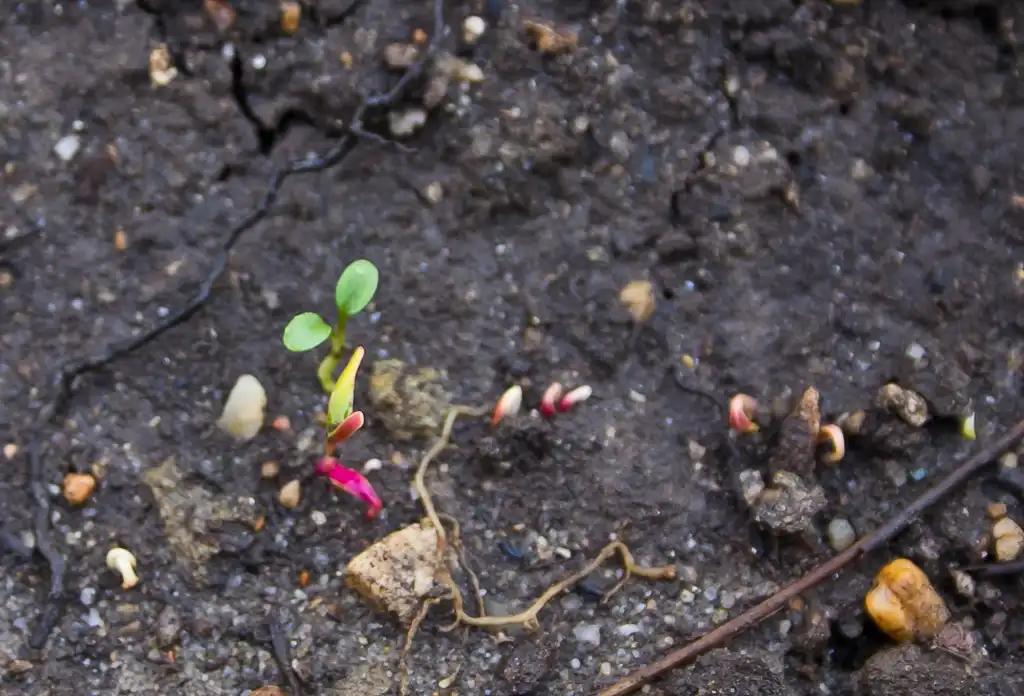
Seeds can be sown directly into the ground or started indoors and then transplanted; if opting for transplanting, begin the seeds about four weeks prior to moving them outside. Space the plants 4 to 5 inches apart. They can also be successfully grown in containers, with a recommended minimum size of 2 quarts and a depth of 8 inches. While the time to maturity varies among cultivars, baby leaves can typically be harvested in about 30 days, and mature leaves in around 60 days. It is advisable to pick the largest leaves first to encourage the growth of fresh, new foliage.

Beta vulgaris (Leaf Beet Group) Feature Summary

Beta vulgaris (Leaf Beet Group) Image Gallery

Tags

#cultivars
#red
#yellow
#full sun tolerant
#small spaces
#heat tolerant
#drought tolerant
#orange
#edible plant
#vegetable garden
#vegetable
#edible garden
#edible leaves
#edible
#cool season vegetable
#humidity tolerant
#partial shade tolerant
#container vegetable garden
#shade tolerant vegetable
#pink
#drought tolerant vegetable
#ornamental vegetable
#non-toxic for horses
#non-toxic for dogs
#non-toxic for cats
#spring greens
#container plants

Similar Plants

Beta vulgaris (Leaf Beet Group) Feature Summary

Attributes
Mediterranean, Europe
Leaves and stalks can be harvested and eaten. Harvest only as needed as they do not keep long in the fridge.
Annual
Biennial
Flowers
Green, non-showy spikes of flowers in the plant's second year. Spikes can rise as tall as 4'.
Insignificant
Green
Leaves
While the leaves are green, Swiss Chard can feature midribs and petioles that are white, orange, yellow, red, or pink.
Green
Gold/Yellow
Red/Burgundy
Orange
Pink
Whole Plant Traits
Cultural Conditions
Full sun (6 or more hours of direct sunlight a day)
Partial Shade (Direct sunlight only part of the day, 2-6 hours)
Neutral (6.0-8.0)
Good Drainage
Moist
Less than 12 inches
Coastal
Mountains
Piedmont
4a
4b
5b
5a
6a
6b
7a
7b
8b
8a
2a
2b
3a
3b
9a
9b
10a
10b
11a
11b
High Organic Matter
Stem
Smooth/Hairless
Landscape
Drought Tolerant Garden
Edible Garden
Small groups
Drought
Heat
Humidity

Beta vulgaris (Leaf Beet Group) Attributes

Beta vulgaris (Leaf Beet Group): Country Or Region Of Origin

Mediterranean, Europe
Beta vulgaris (Leaf Beet Group): Particularly Resistant To (Insects/Diseases/Other Problems)

drought, heat, humidity

Beta vulgaris (Leaf Beet Group): Edibility

Leaves and stalks can be harvested and eaten. Harvest only as needed as they do not keep long in the fridge.

Beta vulgaris (Leaf Beet Group): Life Cycle

Annual
Biennial
Bulb
Perennial
Woody

Beta vulgaris (Leaf Beet Group) Flowers

Beta vulgaris (Leaf Beet Group): Flower Description

Green, non-showy spikes of flowers in the plant's second year. Spikes can rise as tall as 4'.

Beta vulgaris (Leaf Beet Group): Flower Color

filter_vintage
Green
filter_vintage
Insignificant

Beta vulgaris (Leaf Beet Group): Flower Inflorescence

Catkin
Corymb
Cyme
Head
Insignificant
Panicle
Raceme
Solitary
Spadix
Spike
Umbel

Beta vulgaris (Leaf Beet Group) Leaves

Beta vulgaris (Leaf Beet Group): Leaf Description

While the leaves are green, Swiss Chard can feature midribs and petioles that are white, orange, yellow, red, or pink.

Beta vulgaris (Leaf Beet Group): Woody Plant Leaf Characteristics

Broadleaf Evergreen
Deciduous
Needled Evergreen
Semi-evergreen

Beta vulgaris (Leaf Beet Group): Leaf Color

spa
Gold/Yellow
spa
Green
spa
Orange
spa
Pink
spa
Red/Burgundy

Beta vulgaris (Leaf Beet Group): Leaf Type

Compound (Pinnately , Bipinnately, Palmately)
Fronds
Needles
Sheath
Simple

Beta vulgaris (Leaf Beet Group): Leaf Arrangement

Alternate
Opposite
Other/more complex
Rosulate
Whorled

Beta vulgaris (Leaf Beet Group): Leaf Margin

Crenate
Crenulate
Dentate
Denticulate
Doubly Crenate
Doubly Dentate
Doubly Serrate
Entire
Lobed
Serrate
Sinuate
Undulate

Beta vulgaris (Leaf Beet Group): Hairs Present

No
Yes

Beta vulgaris (Leaf Beet Group): Leaf Value To Gardener

Edible
Fragrant
Good Cut
Good Dried
Long-lasting
Showy

Beta vulgaris (Leaf Beet Group) Whole Plant Traits

Beta vulgaris (Leaf Beet Group): Plant Type

Annual
Bulb
Carnivorous
Edible
Epiphyte
Fern
Ground Cover
Herb
Herbaceous Perennial
Houseplant
Mushroom
Native Plant
Ornamental Grasses and Sedges
Perennial
Poisonous
Rose
Shrub
Succulent
Tree
Turfgrass
Vegetable
Vine
Water Plant
Weed
Wildflower

Beta vulgaris (Leaf Beet Group): Woody Plant Leaf Characteristics

Broadleaf Evergreen
Deciduous
Needled Evergreen
Semi-evergreen

Beta vulgaris (Leaf Beet Group): Maintenance

Low
Medium
High

Beta vulgaris (Leaf Beet Group) Cultural Conditions

Beta vulgaris (Leaf Beet Group): Light

Dappled Sunlight (Shade through upper canopy all day)
Deep shade (Less than 2 hours to no direct sunlight)
Full sun (6 or more hours of direct sunlight a day)
Partial Shade (Direct sunlight only part of the day, 2-6 hours)

Beta vulgaris (Leaf Beet Group): Soil pH

Acid (<6.0)
Alkaline (>8.0)
Neutral (6.0-8.0)

Beta vulgaris (Leaf Beet Group): Soil Drainage

Frequent Standing Water
Good Drainage
Moist
Occasional Flooding
Occasionally Dry
Occasionally Wet
Very Dry

Beta vulgaris (Leaf Beet Group): Available Space To Plant

12 inches-3 feet
12-24 feet
24-60 feet
3 feet-6 feet
6-feet-12 feet
Less than 12 inches
more than 60 feet

Beta vulgaris (Leaf Beet Group): NC Region

Coastal
Mountains
Piedmont

Beta vulgaris (Leaf Beet Group): USDA Plant Hardiness Zone

thermostat
10a
thermostat
10b
thermostat
11a
thermostat
11b
thermostat
2a
thermostat
2b
thermostat
3a
thermostat
3b
thermostat
4a
thermostat
4b
thermostat
5a
thermostat
5b
thermostat
6a
thermostat
6b
thermostat
7a
thermostat
7b
thermostat
8a
thermostat
8b
thermostat
9a
thermostat
9b

Beta vulgaris (Leaf Beet Group): Soil Texture

Clay
High Organic Matter
Loam (Silt)
Sand
Shallow Rocky

Beta vulgaris (Leaf Beet Group) Stem

Beta vulgaris (Leaf Beet Group): Stem Buds

Hairy
Hairy tips
Scaly
Smooth/Hairless

Beta vulgaris (Leaf Beet Group) Landscape

Beta vulgaris (Leaf Beet Group): Landscape Theme

Asian Garden
Butterfly Garden
Children's Garden
Cottage Garden
Cutting Garden
Drought Tolerant Garden
Edible Garden
English Garden
Fairy Garden
Garden for the Blind
Native Garden
Nighttime Garden
Pollinator Garden
Rain Garden
Rock Garden
Shade Garden
Water Garden
Winter Garden

Beta vulgaris (Leaf Beet Group): Design Feature

Accent
Barrier
Border
Flowering Tree
Foundation Planting
Hedge
Mass Planting
Screen/Privacy
Security
Shade Tree
Small groups
Small Tree
Specimen
Street Tree
Understory Tree

Beta vulgaris (Leaf Beet Group): Resistance To Challenges

Black Walnut
Compaction
Deer
Diseases
Drought
Dry Soil
Erosion
Fire
Foot Traffic
Heat
Heavy Shade
Humidity
Insect Pests
Pollution
Poor Soil
Rabbits
Salt
Slugs
Squirrels
Storm damage
Urban Conditions
Voles
Wet Soil
Wind

Beta vulgaris (Leaf Beet Group): Landscape Location

Coastal
Container
Hanging Baskets
Houseplants
Lawn
Meadow
Naturalized Area
Near Septic
Patio
Pond
Pool/Hardscape
Recreational Play Area
Riparian
Rock Wall
Slope/Bank
Small Space
Vertical Spaces
Walkways
Woodland