Plant Profile: Brassica oleracea (Botrytis Group)

Names

Broccoflower, Calabrese, Cauliflower, Romanesci broccoli

  • Photo of Brassica oleracea (Botrytis Group) (Brassica oleracea (Botrytis Group)s)

Phonetic Spelling:BRAS-ih-ka ol-ur-RAY-see-uh

Genus:Brassica

Species:oleracea

Family:Brassicaceae

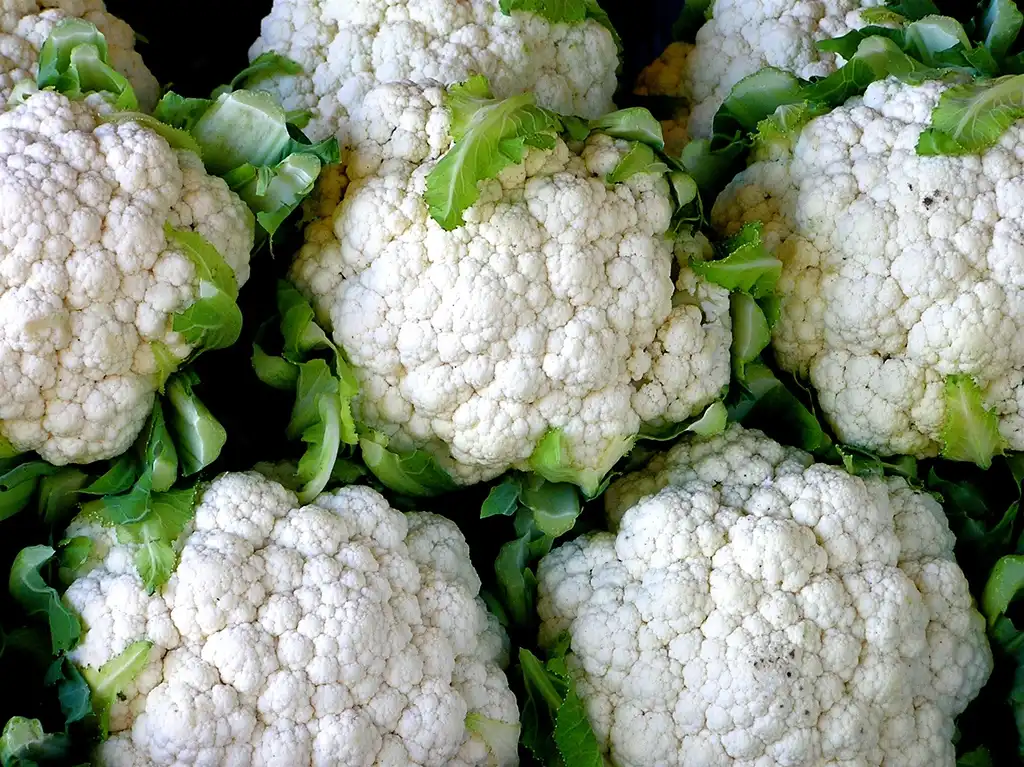
Commonly known as cauliflower, the Botrytis Group of Brassica oleracea belongs to the genus Brassica, which is derived from the Latin word for cabbage. This vegetable thrives in cooler seasons and struggles in high temperatures, making it best suited for cultivation in spring or fall. For a summer harvest, seeds should be sown in late spring, while a second planting in late summer will yield a fall crop. Cauliflower is valued for its edible stems, buds, and flowers, which, despite their modest appearance, possess a distinctive spicy flavor.

To achieve optimal growth, it is essential to maintain moist soil and use a loam-based mix rich in nitrogen. Incorporating compost can significantly enhance soil quality, and applying mulch around the plants will help protect the surface roots and conserve moisture.

This plant is sensitive to frost and should not be planted if frost is a possibility.

Harvesting is appropriate when the heads reach a size of 6-8 inches in diameter and feel firm and compact.

Cauliflower is now available in various colors, and its compact heads are a popular choice for both raw consumption and cooking, often served with a white sauce.

Additionally, cauliflower is utilized in the production of pickles.

In terms of pests and diseases, cauliflower can be affected by cabbage worms, slugs, aphids, and caterpillars. It is also important to monitor for issues like leaf spot and black rot.

For further details on Brassica oleracea, please refer to additional resources.

Brassica oleracea (Botrytis Group) Feature Summary

Brassica oleracea (Botrytis Group) Image Gallery

Tags

#full sun tolerant
#annual
#edible plant
#vegetable
#cool season vegetable
#bee friendly
#problem for horses

Similar Plants

Brassica oleracea (Botrytis Group) Feature Summary

Attributes
The stem, flower buds and flowers can be eaten
Edible fruit
Fruit
The fruits dry and split when ripe.
Whole Plant Traits
Annual
Edible
Vegetable
Cultural Conditions
Full sun (6 or more hours of direct sunlight a day)
Good Drainage
Moist
Coastal
Mountains
Piedmont
4a
4b
5b
5a
6a
6b
7a
7b
8b
8a
2a
2b
3a
3b
9a
9b
10a
10b
11a
11b
Loam (Silt)
Flowers
Landscape
Edible Garden
Problem for Horses

Brassica oleracea (Botrytis Group) Attributes

Brassica oleracea (Botrytis Group): Country Or Region Of Origin

Western Europe
Brassica oleracea (Botrytis Group): Edibility

The stem, flower buds and flowers can be eaten

Brassica oleracea (Botrytis Group): Life Cycle

Annual
Biennial
Bulb
Perennial
Woody

Brassica oleracea (Botrytis Group): Recommended Propagation Strategy

Division
Grafting
Layering
Leaf Cutting
Root Cutting
Seed
Stem Cutting

Brassica oleracea (Botrytis Group): Play Value

Attractive Flowers
Attracts Pollinators
Buffer
Colorful
Defines Paths
Easy to Grow
Edible fruit
Fragrance
Pieces Used in Games
Screening
Shade
Sound
Textural
Wildlife Cover/Habitat
Wildlife Food Source
Wildlife Larval Host
Wildlife Nesting
Wind Break
Wind Shimmer

Brassica oleracea (Botrytis Group) Fruit

Brassica oleracea (Botrytis Group): Fruit Description

The fruits dry and split when ripe.

Brassica oleracea (Botrytis Group): Fruit Type

Achene
Aggregate
Berry
Capsule
Caryopsis
Drupe
Follicle
Legume
Nut
Pome
Samara
Schizocarp
Siliqua

Brassica oleracea (Botrytis Group) Leaves

Brassica oleracea (Botrytis Group): Leaf Description

Edible leaf

Brassica oleracea (Botrytis Group): Leaf Color

spa
Green

Brassica oleracea (Botrytis Group): Leaf Type

Compound (Pinnately , Bipinnately, Palmately)
Fronds
Needles
Sheath
Simple

Brassica oleracea (Botrytis Group): Leaf Arrangement

Alternate
Opposite
Other/more complex
Rosulate
Whorled

Brassica oleracea (Botrytis Group): Hairs Present

No
Yes

Brassica oleracea (Botrytis Group): Leaf Value To Gardener

Edible
Fragrant
Good Cut
Good Dried
Long-lasting
Showy

Brassica oleracea (Botrytis Group) Whole Plant Traits

Brassica oleracea (Botrytis Group): Plant Type

Annual
Bulb
Carnivorous
Edible
Epiphyte
Fern
Ground Cover
Herb
Herbaceous Perennial
Houseplant
Mushroom
Native Plant
Ornamental Grasses and Sedges
Perennial
Poisonous
Rose
Shrub
Succulent
Tree
Turfgrass
Vegetable
Vine
Water Plant
Weed
Wildflower

Brassica oleracea (Botrytis Group): Habit/Form

Arching
Ascending
Broad
Cascading
Climbing
Clumping
Columnar
Conical
Creeping
Dense
Erect
Horizontal
Irregular
Mounding
Multi-stemmed
Multi-trunked
Open
Oval
Prostrate
Pyramidal
Rounded
Spreading
Vase
Weeping

Brassica oleracea (Botrytis Group): Maintenance

Low
Medium
High

Brassica oleracea (Botrytis Group) Cultural Conditions

Brassica oleracea (Botrytis Group): Light

Dappled Sunlight (Shade through upper canopy all day)
Deep shade (Less than 2 hours to no direct sunlight)
Full sun (6 or more hours of direct sunlight a day)
Partial Shade (Direct sunlight only part of the day, 2-6 hours)

Brassica oleracea (Botrytis Group): Soil Drainage

Frequent Standing Water
Good Drainage
Moist
Occasional Flooding
Occasionally Dry
Occasionally Wet
Very Dry

Brassica oleracea (Botrytis Group): Available Space To Plant

12 inches-3 feet
12-24 feet
24-60 feet
3 feet-6 feet
6-feet-12 feet
Less than 12 inches
more than 60 feet

Brassica oleracea (Botrytis Group): NC Region

Coastal
Mountains
Piedmont

Brassica oleracea (Botrytis Group): USDA Plant Hardiness Zone

thermostat
10a
thermostat
10b
thermostat
11a
thermostat
11b
thermostat
2a
thermostat
2b
thermostat
3a
thermostat
3b
thermostat
4a
thermostat
4b
thermostat
5a
thermostat
5b
thermostat
6a
thermostat
6b
thermostat
7a
thermostat
7b
thermostat
8a
thermostat
8b
thermostat
9a
thermostat
9b

Brassica oleracea (Botrytis Group): Soil Texture

Clay
High Organic Matter
Loam (Silt)
Sand
Shallow Rocky

Brassica oleracea (Botrytis Group) Flowers

Brassica oleracea (Botrytis Group): Flower Color

filter_vintage
Gold/Yellow

Brassica oleracea (Botrytis Group): Flower Value To Gardener

Edible
Fragrant
Good Cut
Good Dried
Long Bloom Season
Long-lasting
Showy

Brassica oleracea (Botrytis Group): Flower Petals

2-3 rays/petals
4-5 petals/rays
6 petals/rays
7 - 20 petals/rays
asymmetrical petals
Bracts
Colored Sepals
fused petals
more than 20 petals/rays
Tepals

Brassica oleracea (Botrytis Group): Flower Shape

Bell
Cross
Crown
Cup
Dome
Funnel
Irregular
Lipped
Radial
Saucer
Star
Trumpet
Tubular
Urn
Wheel

Brassica oleracea (Botrytis Group) Stem

Brassica oleracea (Botrytis Group): Stem Is Aromatic

No
Yes

Brassica oleracea (Botrytis Group) Landscape

Brassica oleracea (Botrytis Group): Landscape Theme

Asian Garden
Butterfly Garden
Children's Garden
Cottage Garden
Cutting Garden
Drought Tolerant Garden
Edible Garden
English Garden
Fairy Garden
Garden for the Blind
Native Garden
Nighttime Garden
Pollinator Garden
Rain Garden
Rock Garden
Shade Garden
Water Garden
Winter Garden

Brassica oleracea (Botrytis Group): Attracts

Bats
Bees
Butterflies
Frogs
Hummingbirds
Moths
Pollinators
Predatory Insects
Reptiles
Small Mammals
Songbirds
Specialized Bees

Brassica oleracea (Botrytis Group): Problems

Allelopathic
Contact Dermatitis
Frequent Disease Problems
Frequent Insect Problems
Invasive Species
Malodorous
Messy
Poisonous to Humans
Problem for Cats
Problem for Children
Problem for Dogs
Problem for Horses
Short-lived
Spines/Thorns
Weak Wood
Weedy