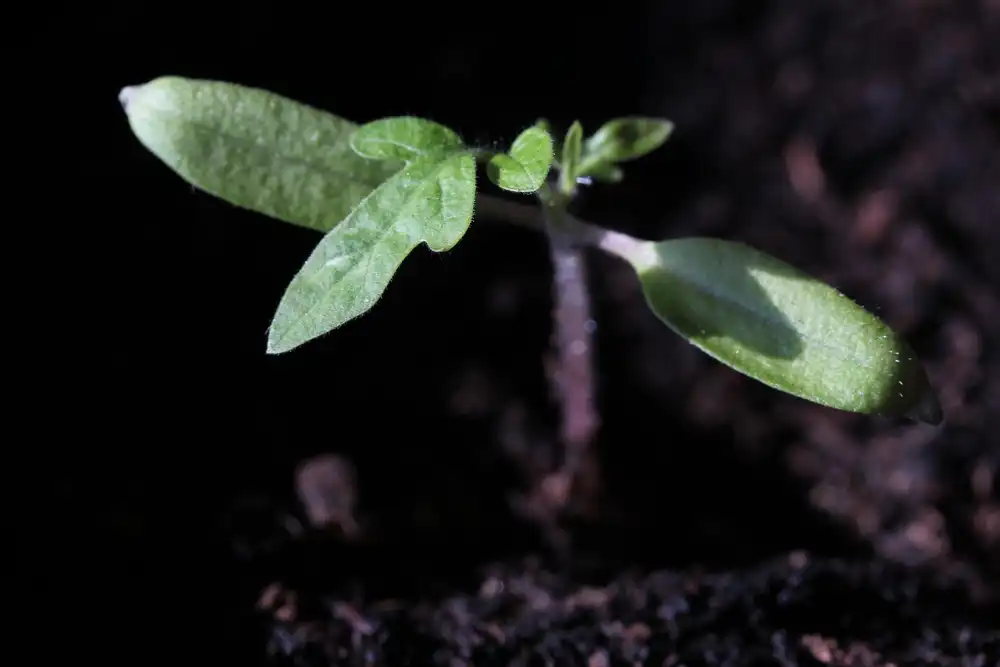
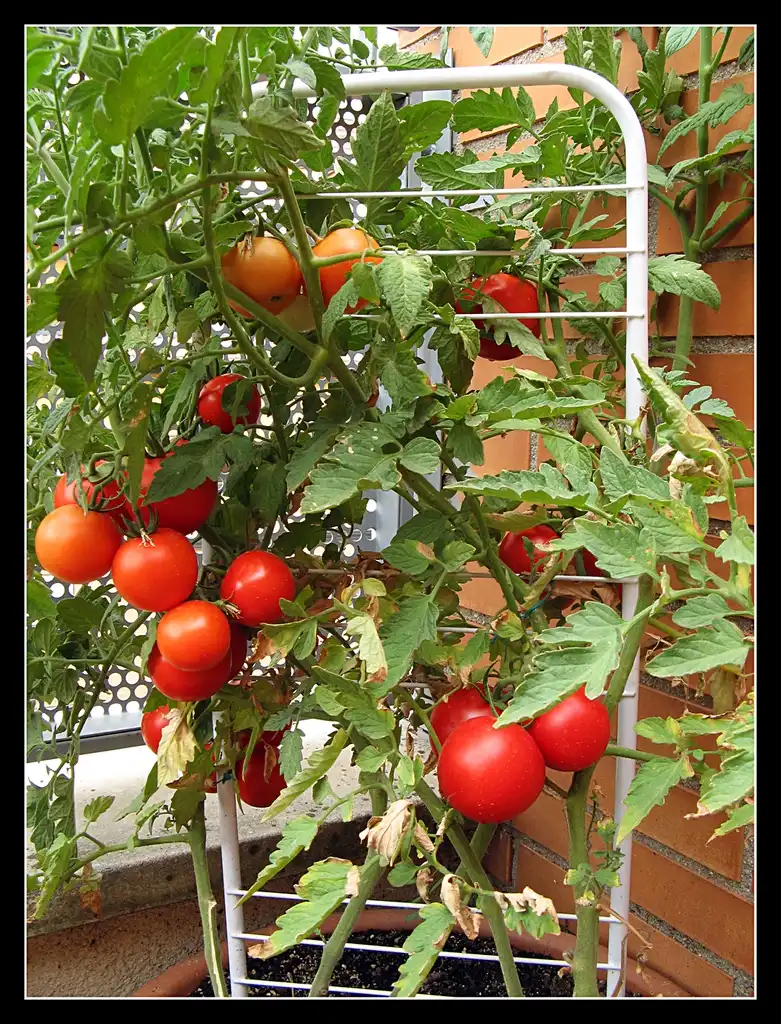
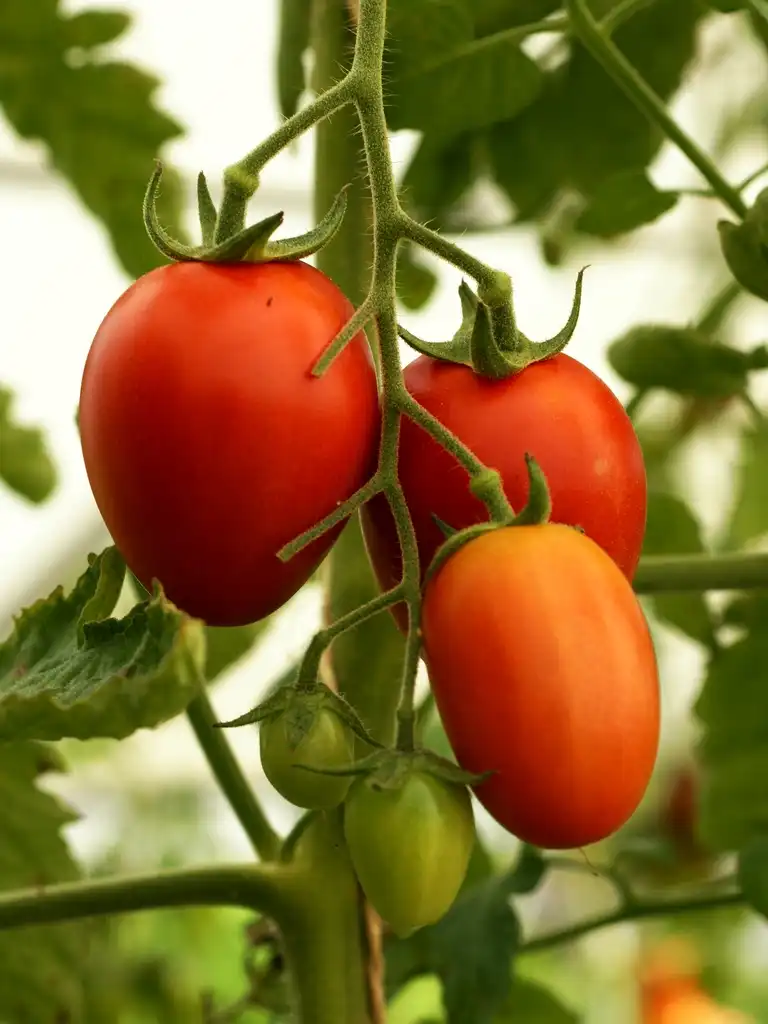
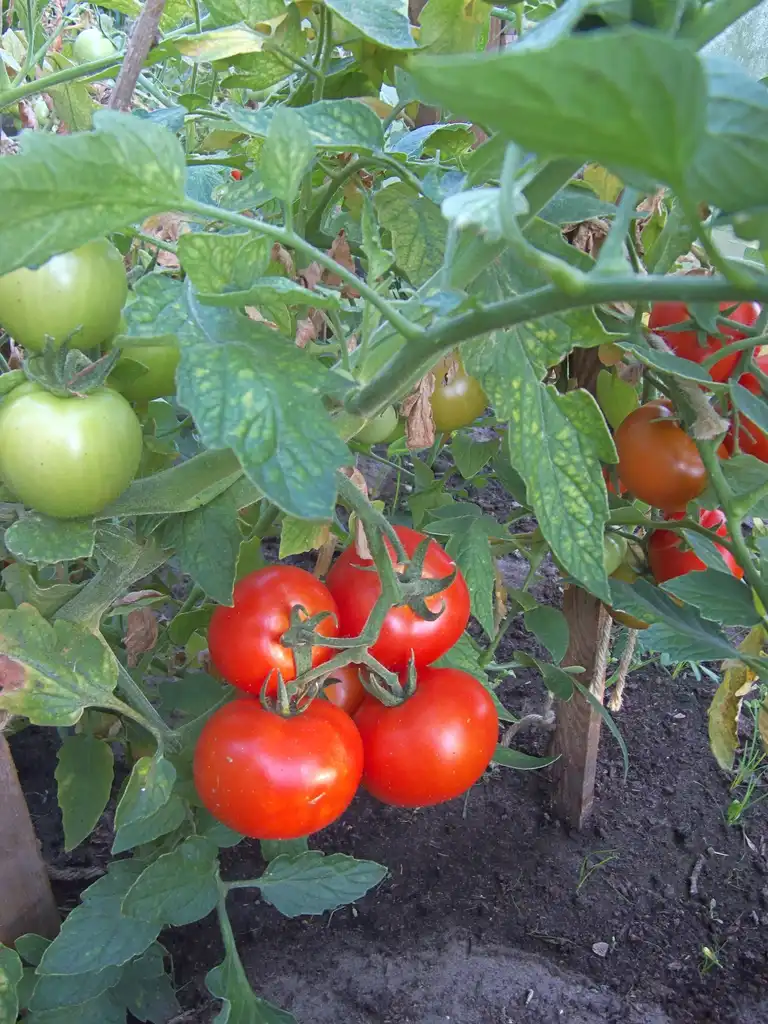
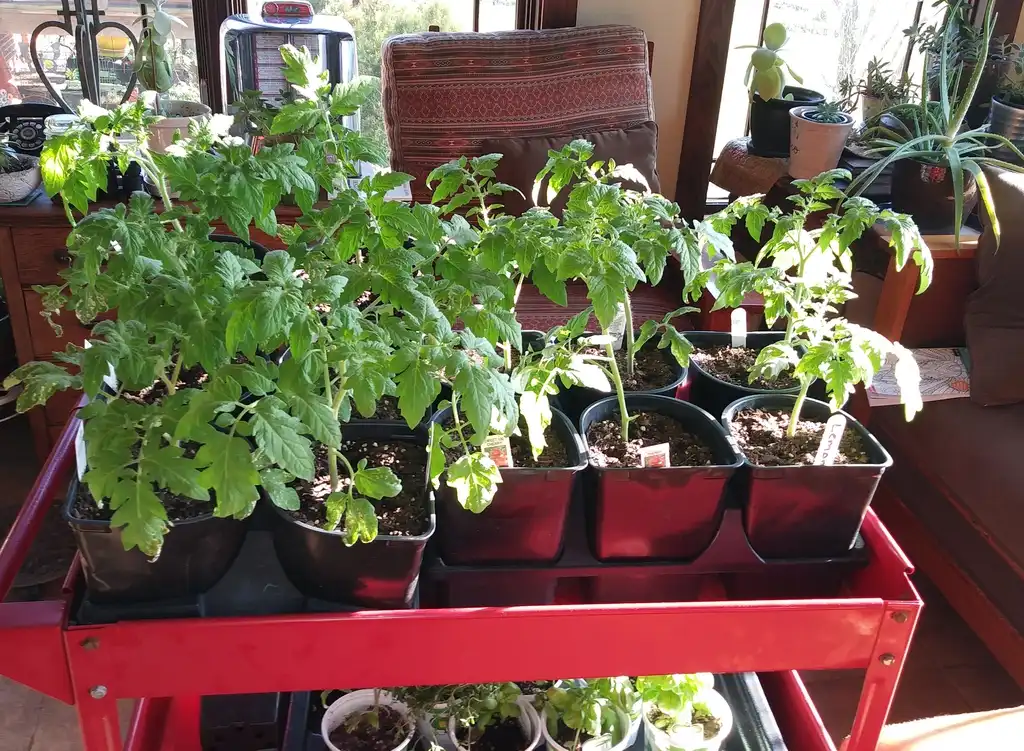
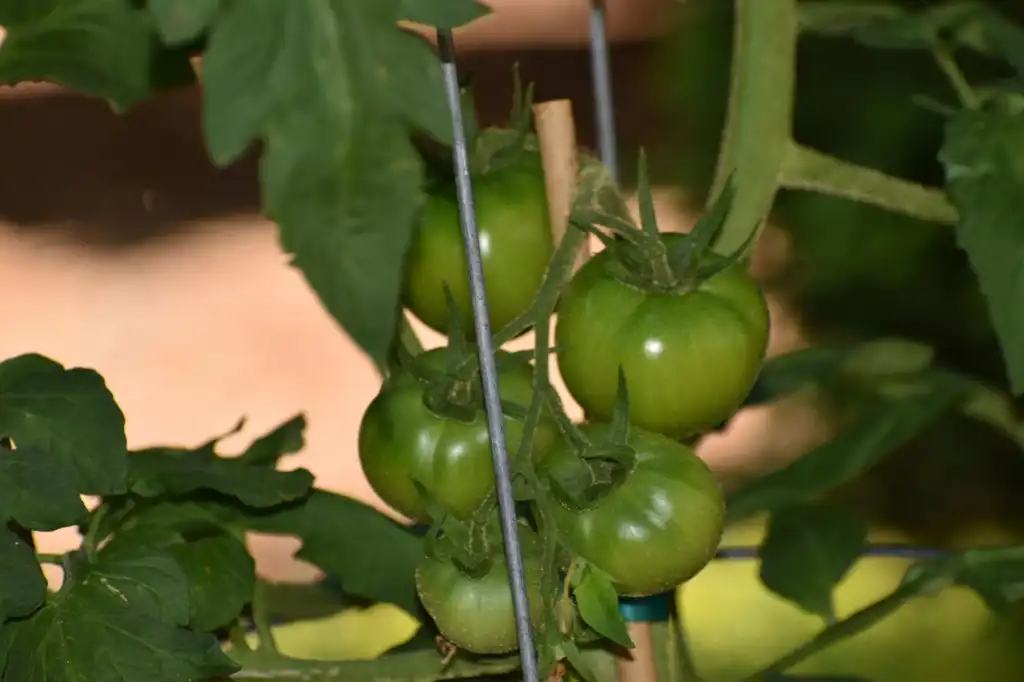
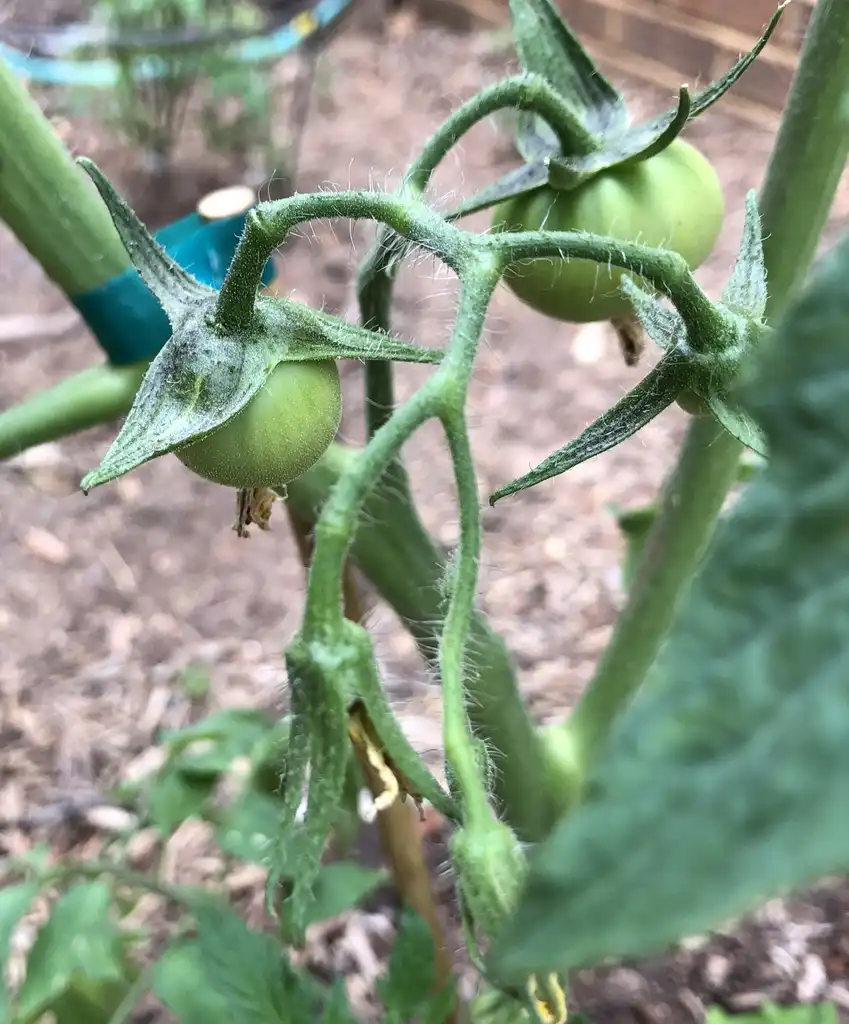
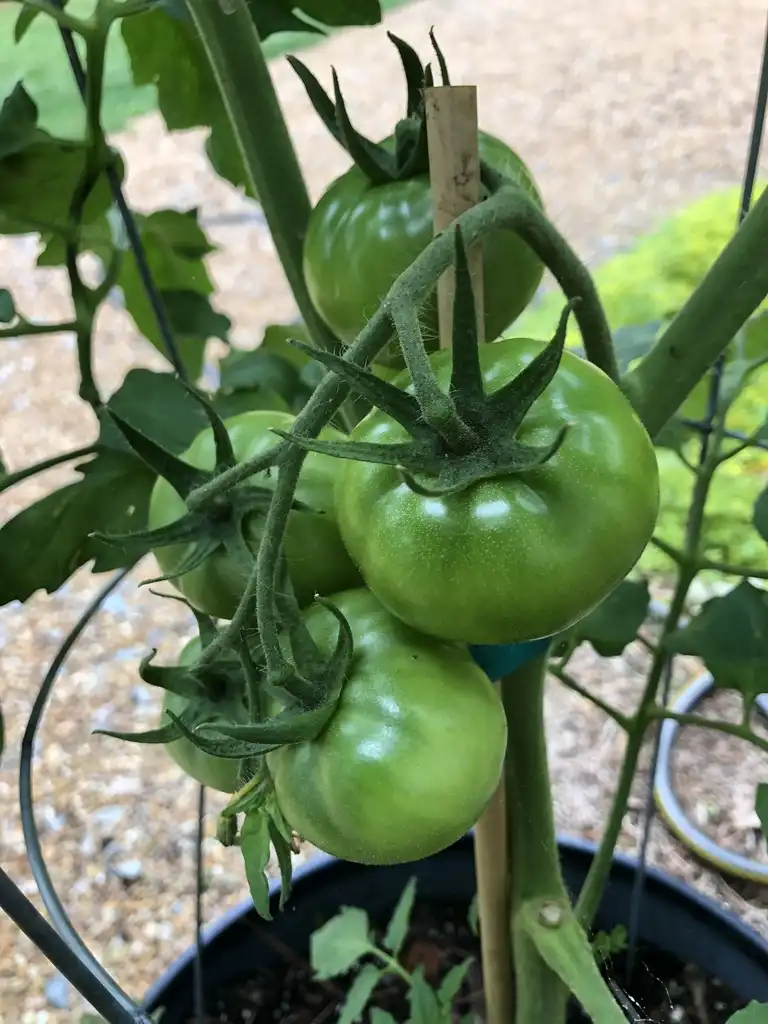
• Photo of Solanum lycopersicum (Solanum lycopersicums)

Plant Profile: Solanum lycopersicum

Taxonomy: Solanum lycopersicum

Names

Tomato, Tomatoes

  • Photo of Solanum lycopersicum (Solanum lycopersicums)

Phonetic Spelling:so-LAY-num ly-koh-PER-see-kum

Genus:Solanum

Species:lycopersicum

Family:Solanaceae

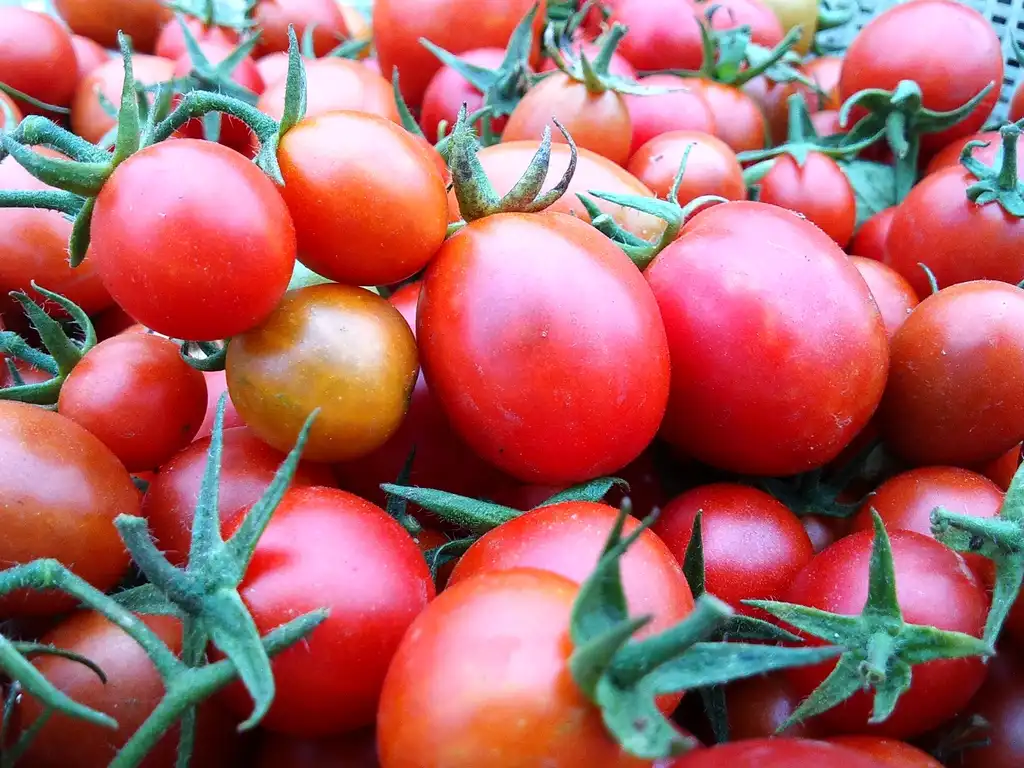
Tomatoes are a beloved choice among gardeners and rank as the most popular vegetable grown at home. These fruits come in a spectrum of colors, including yellow, red, and purple, and vary in size from small to large. Although they are botanically classified as fruits, their savory taste leads many to treat them as vegetables. Belonging to the nightshade family, tomatoes have been cultivated in North America for a considerable time, yet they are not indigenous to the region.

To thrive, tomatoes require fertile, well-drained soil, abundant sunlight, warmth, and ample water. They thrive best in slightly acidic soil with a pH between 5.5 and 7. Consistent watering is crucial to prevent issues like blossom end rot and fruit splitting. While tomatoes benefit from good nutrition, excessive fertilizer—particularly nitrogen—can result in lush foliage with minimal fruit yield. There are various cultivars: bush-type (determinate), semi-determinate, and vining (indeterminate). Bush-types are compact and produce a fixed amount of fruit, while vining varieties can grow several feet tall and yield fruit continuously until frost, with semi-determinate types falling in between. Although determinate cultivars may not always require support, it is advisable to cage them, as their stems are often weak and can sprawl on the ground if not staked. Cages can be installed during planting.

Tomatoes can be started indoors from seeds 5 to 6 weeks before the last frost or purchased as transplants. It’s best to plant them outdoors after the frost risk has passed, ensuring the plants are well-watered before transplanting and selecting a site where no other nightshade-family plants have been grown in the last 3 to 4 years. Early planting is essential, especially in North Carolina, where hot summers can cause blossoms to drop before fruit sets, making it particularly challenging to grow larger varieties like beefsteak tomatoes. Space the plants 18 to 24 inches apart. Tomatoes can develop additional roots along the buried portions of their stems; therefore, removing the lower leaves and planting the stem 2 to 3 inches below the soil can enhance root growth and overall plant health. Additionally, tomatoes can be successfully cultivated in containers that are at least 5 gallons in size and 1 to 2 feet deep, with one plant per pot.

However, growing tomatoes comes with its challenges. They are vulnerable to a range of pests and diseases, including blights, blossom end rot, wilts, and various bacterial and viral infections, as well as threats from tomato hornworms, aphids, beetles, and cutworms. Environmental factors and human errors, such as overhead watering, can also pose problems. Despite the effort required, the rewards of growing tomatoes are often well worth it.

Dr. Anna Dulaney, a Clinical Toxicologist and Assistant Director of Education at the Carolinas Poison Center, notes that since the database's inception in 1997, there has been only one recorded case of a child reacting to the consumption of tomato leaves or stems. In that instance, the child ingested a "pie" made from cedar wood chips, grass clippings, tomato leaves, and other materials, resulting in vomiting. However, due to the variety of ingredients involved, it is difficult to determine if the tomato leaves were the cause of the upset stomach. Dr. Dulaney also mentioned that the highest number of tomato leaves consumed at once was 5 or 6, with no adverse effects reported. (This footnote was added by Dr. Lucy Bradley, NC State Extension Urban Horticulture Specialist, on 10/26/2010.)

Solanum lycopersicum Feature Summary

Solanum lycopersicum Image Gallery

Tags

#red
#poisonous
#full sun tolerant
#annual
#summer annual
#yellow flowers
#summer flowers
#vegetable garden
#red fruits
#edible fruits
#vegetable
#edible garden
#edible
#fruits
#container vegetable garden
#warm season vegetable
#problem for cats
#ebh-vh
#ebh
#pollinators
#pollinator garden
#summer garden
#problem for dogs
#bee friendly
#problem for horses
#wilson mg plant sale 2021
#container plants

Similar Plants

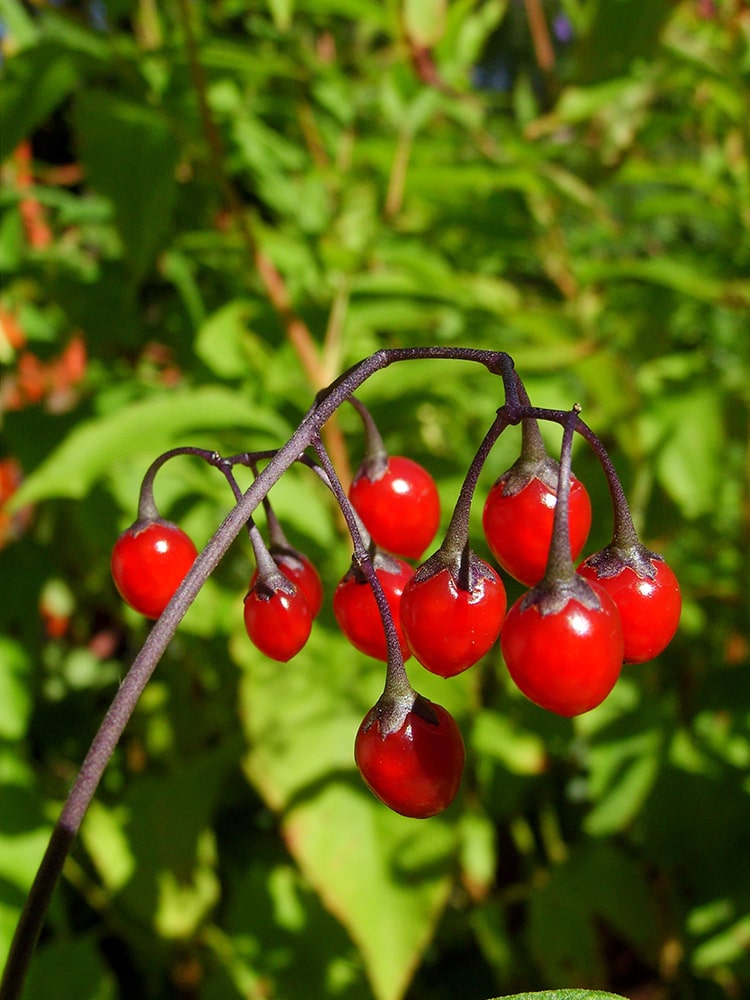
Solanum lycopersicum is often confused with:

Solanum lycopersicum Feature Summary

Attributes
Cultivated widely for its fruit
Attract bees, especially bumblebees.
Berries (tomatoes) edible when unripe or ripe and raw, cooked, or dried. Many plants will drop fruit when ripe or the fruit will come off easily. Tomatoes will continue to ripen once picked. Store at room temperature.
Fruit
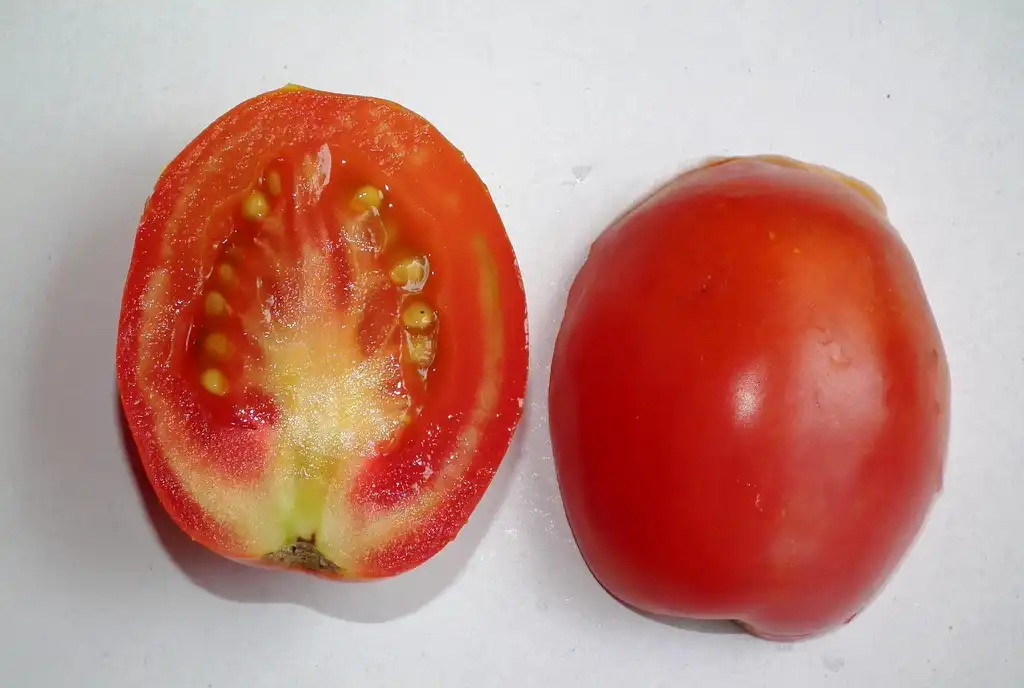
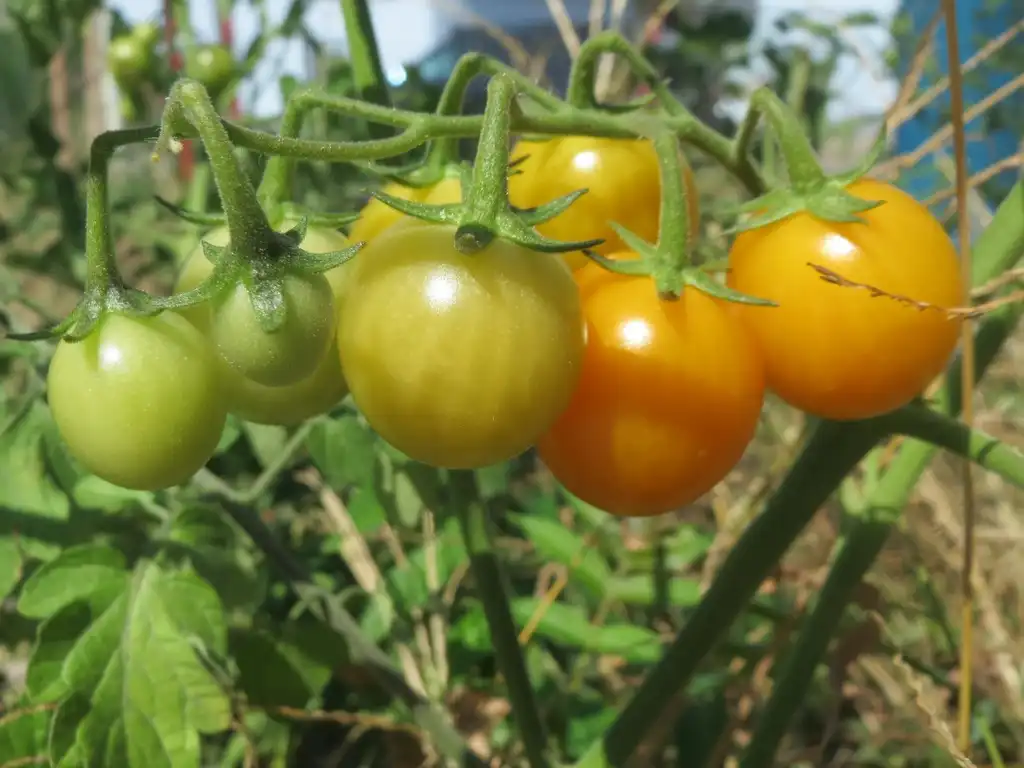
A red or yellow berry, though cultivars exist in oranges, greens, pinks, and purples in various sizes.
Green
Red/Burgundy
Purple/Lavender
Gold/Yellow
Pink
Variegated
Orange
> 3 inches
> 3 inches
Flowers
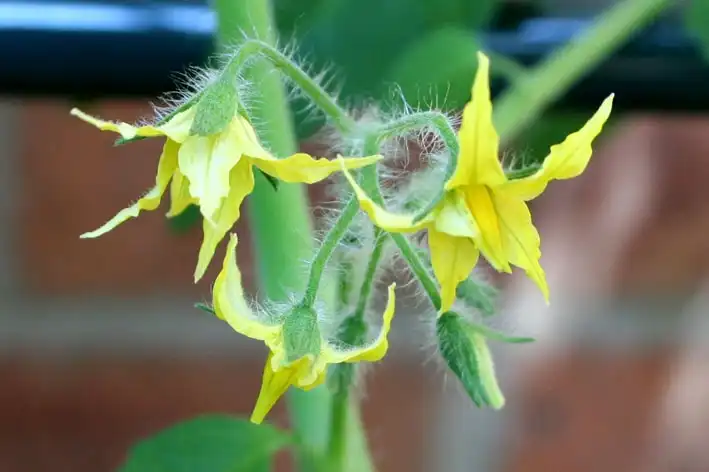
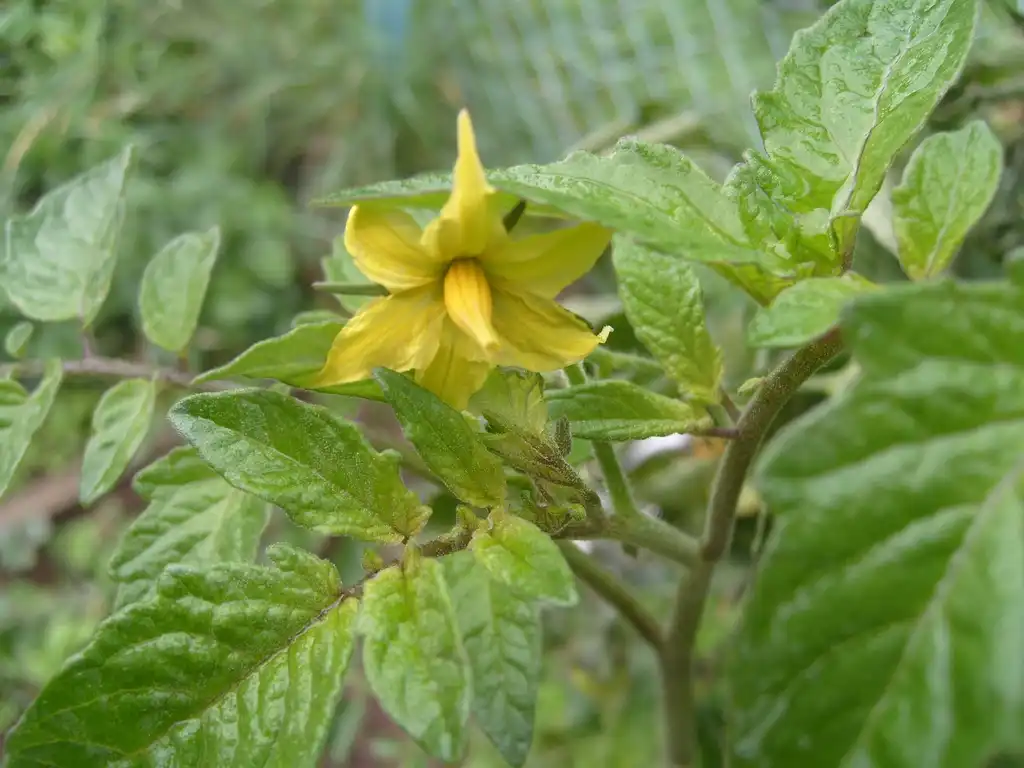
Yellow 5 petaled blooms with recurved petals in clusters of 3 to 12. Stamens are partially fused to the pistils.
Gold/Yellow
Spring
Summer
4-5 petals/rays
< 1 inch
Leaves
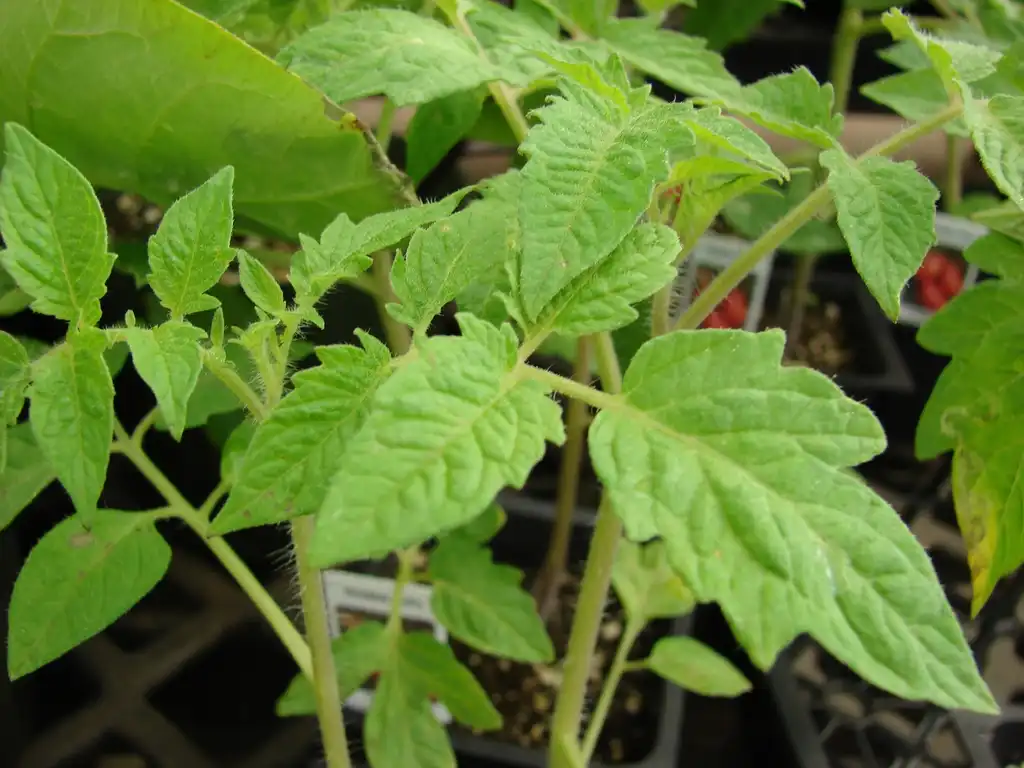
Strongly scented deeply lobed and toothed leaves. They change shape throughout the plant's life cycle.
Simple
Compound (Pinnately , Bipinnately, Palmately)
Lanceolate
Lobed
Serrate
3-6 inches
1-3 inches
Stem
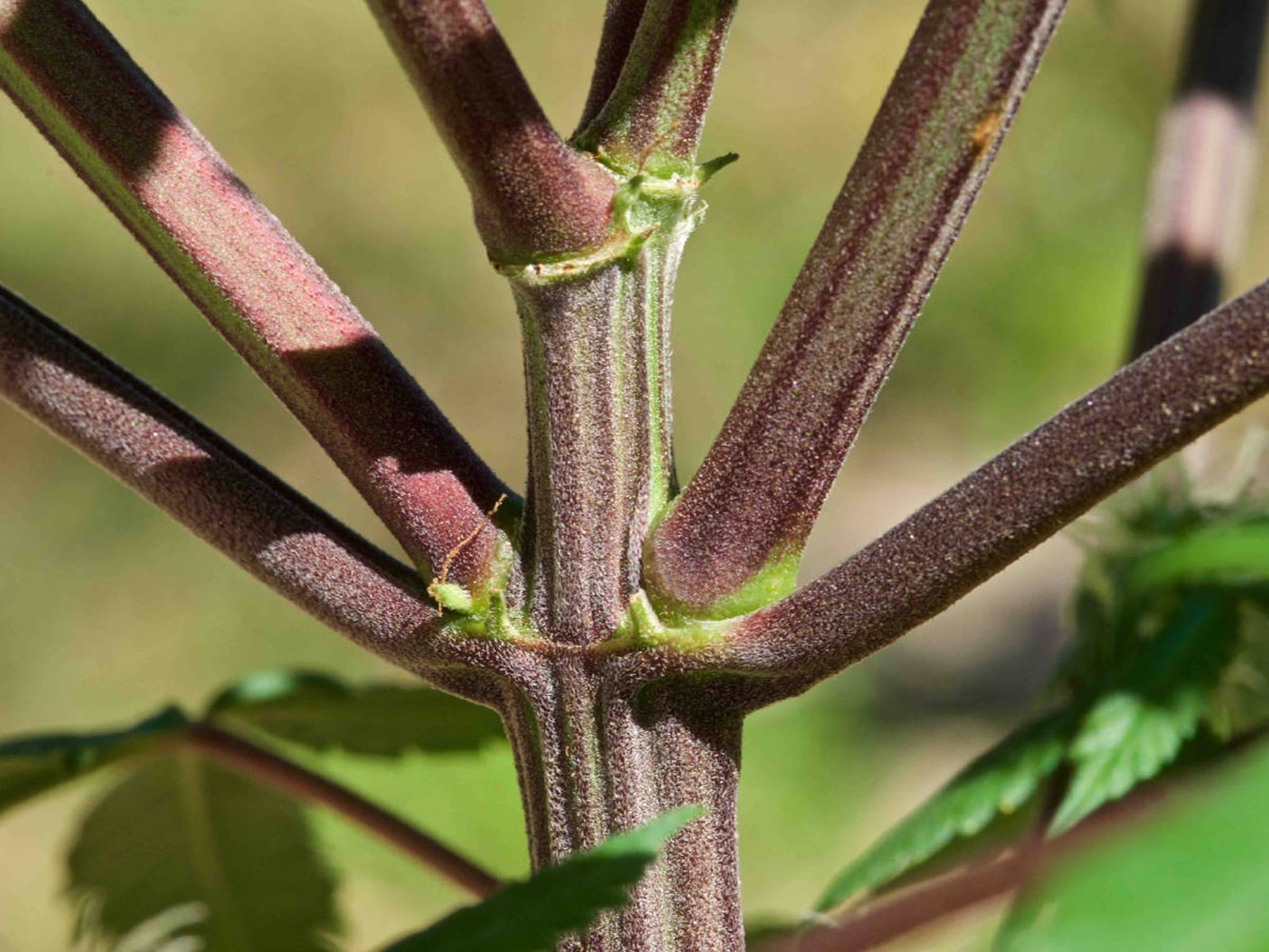
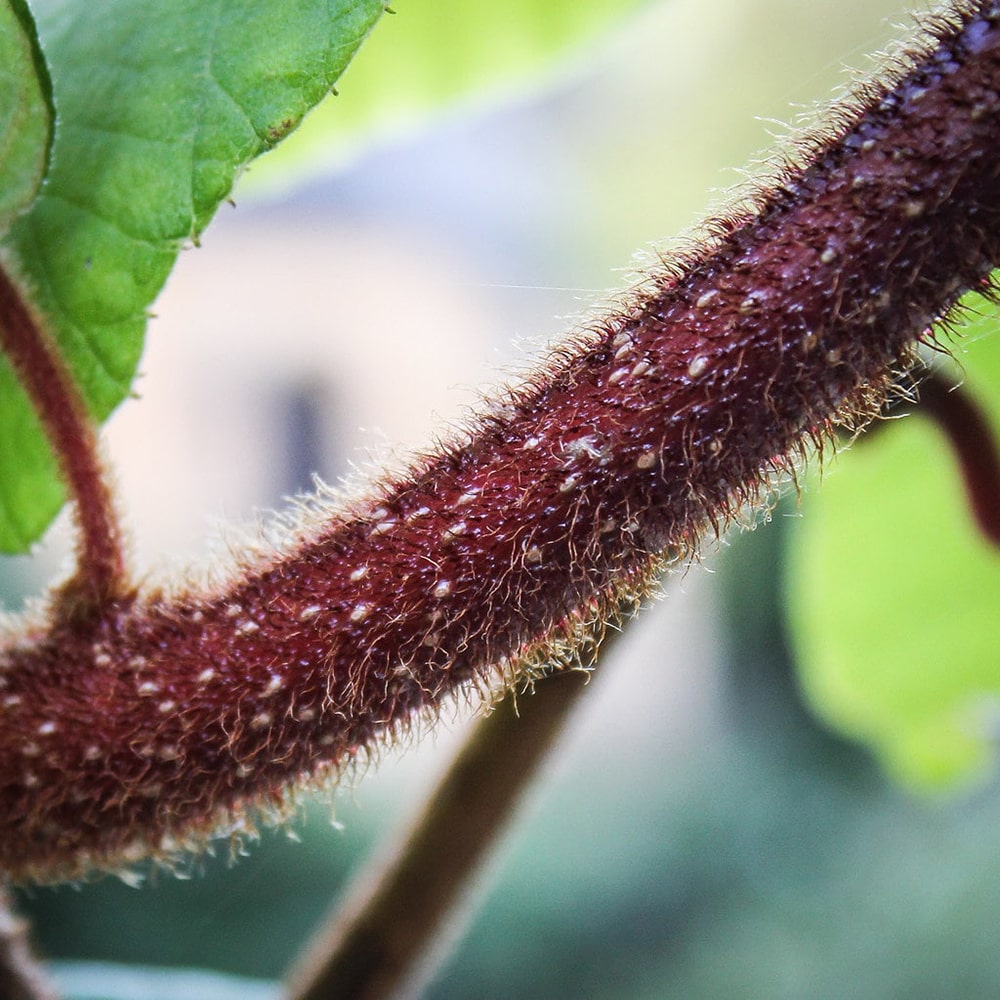
"Sticky", fuzzy surface with a noticable tomato smell.
Hairy (pubescent)
Poisonous to Humans
Leaves and stems cause headaches, abdominal pain, dilated pupils, vomiting, diarrhea, hypersalivation, severe gastrointestinal upset, circulatory and respiratory depression, and loss of sensation if eaten in large quantities.
Glycoalkoloids: solanine and demissine
Leaves
Stems
Whole Plant Traits
Annual
Edible
Poisonous
Vegetable
Multi-stemmed
Erect
Spreading
Medium
High
Medium
Cultural Conditions
Full sun (6 or more hours of direct sunlight a day)
Acid (<6.0)
Neutral (6.0-8.0)
Good Drainage
Moist
Coastal
Mountains
Piedmont
4a
4b
5b
5a
6a
6b
7a
7b
8b
8a
2a
2b
3a
3b
9a
9b
10a
10b
11a
11b
Clay
High Organic Matter
Loam (Silt)
Sand
Landscape
Edible Garden
Pollinator Garden
Small groups
Pollinators
Bees
Poisonous to Humans
Problem for Cats
Problem for Dogs
Problem for Horses

Solanum lycopersicum Attributes

Solanum lycopersicum: Uses (Ethnobotany)

Cultivated widely for its fruit
Solanum lycopersicum: Country Or Region Of Origin

Peru

Solanum lycopersicum: Wildlife Value

Attract bees, especially bumblebees.

Solanum lycopersicum: Edibility

Berries (tomatoes) edible when unripe or ripe and raw, cooked, or dried. Many plants will drop fruit when ripe or the fruit will come off easily. Tomatoes will continue to ripen once picked. Store at room temperature.

Solanum lycopersicum: Life Cycle

Annual
Biennial
Bulb
Perennial
Woody

Solanum lycopersicum: Recommended Propagation Strategy

Division
Grafting
Layering
Leaf Cutting
Root Cutting
Seed
Stem Cutting

Solanum lycopersicum: Climbing Method

Clinging
Scrambler
Tendrils
Twining

Solanum lycopersicum Fruit

Solanum lycopersicum: Fruit Description

A red or yellow berry, though cultivars exist in oranges, greens, pinks, and purples in various sizes.

Solanum lycopersicum: Fruit Type

Achene
Aggregate
Berry
Capsule
Caryopsis
Drupe
Follicle
Legume
Nut
Pome
Samara
Schizocarp
Siliqua

Solanum lycopersicum: Fruit Color

grass
Gold/Yellow
grass
Green
grass
Orange
grass
Pink
grass
Purple/Lavender
grass
Red/Burgundy
grass
Variegated

Solanum lycopersicum: Fruit Value To Gardener

Edible
Fragrant
Good Cut
Good Dried
Long Bloom Season
Long-lasting
Showy

Solanum lycopersicum: Display/Harvest Time

Fall
Spring
Summer
Winter

Solanum lycopersicum: Fruit Length

< 1 inch
1-3 inches
> 3 inches

Solanum lycopersicum: Fruit Width

< 1 inch
1-3 inches
> 3 inches

Solanum lycopersicum Flowers

Solanum lycopersicum: Flower Description

Yellow 5 petaled blooms with recurved petals in clusters of 3 to 12. Stamens are partially fused to the pistils.

Solanum lycopersicum: Flower Color

filter_vintage
Gold/Yellow

Solanum lycopersicum: Flower Inflorescence

Catkin
Corymb
Cyme
Head
Insignificant
Panicle
Raceme
Solitary
Spadix
Spike
Umbel

Solanum lycopersicum: Flower Bloom Time

Winter
Spring
Summer
Fall

Solanum lycopersicum: Flower Petals

2-3 rays/petals
4-5 petals/rays
6 petals/rays
7 - 20 petals/rays
asymmetrical petals
Bracts
Colored Sepals
fused petals
more than 20 petals/rays
Tepals

Solanum lycopersicum: Flower Size

1-3 inches
3-6 inches
< 1 inch
> 6 inches

Solanum lycopersicum Leaves

Solanum lycopersicum: Leaf Description

Strongly scented deeply lobed and toothed leaves. They change shape throughout the plant's life cycle.

Solanum lycopersicum: Woody Plant Leaf Characteristics

Broadleaf Evergreen
Deciduous
Needled Evergreen
Semi-evergreen

Solanum lycopersicum: Leaf Color

spa
Green

Solanum lycopersicum: Leaf Type

Compound (Pinnately , Bipinnately, Palmately)
Fronds
Needles
Sheath
Simple

Solanum lycopersicum: Leaf Arrangement

Alternate
Opposite
Other/more complex
Rosulate
Whorled

Solanum lycopersicum: Leaf Shape

Acicular
Auriculate
Cordate
Cuneate
Deltoid
Elliptical
Filiform
Lanceolate
Linear
Oblanceolate
Oblong
Obovate
Obtuse
Orbicular
Ovate
Palmasect
Palmatifid
Peltate
Pinnatifid
Pinnatisect
Reniform
Rhomboidal
Spatulate
Subcordate
Subulate

Solanum lycopersicum: Leaf Margin

Crenate
Crenulate
Dentate
Denticulate
Doubly Crenate
Doubly Dentate
Doubly Serrate
Entire
Lobed
Serrate
Sinuate
Undulate

Solanum lycopersicum: Hairs Present

No
Yes

Solanum lycopersicum: Leaf Length

< 1 inch
1-3 inches
3-6 inches
> 6 inches

Solanum lycopersicum: Leaf Feel

Fleshy
Glossy
Leathery
Papery
Prickly
Rough
Rubbery
Slippery
Smooth
Soft
Velvety
Waxy

Solanum lycopersicum: Leaf Value To Gardener

Edible
Fragrant
Good Cut
Good Dried
Long-lasting
Showy

Solanum lycopersicum: Leaf Width

< 1 inch
1-3 inches
3-6 inches
> 6 inches

Solanum lycopersicum Stem

Solanum lycopersicum: Stem Description

"Sticky", fuzzy surface with a noticable tomato smell.

Solanum lycopersicum: Stem Color

grass
Green

Solanum lycopersicum: Stem Is Aromatic

No
Yes

Solanum lycopersicum: Stem Surface

Corky Ridges
Covered with a powdery bloom (glaucous)
Dull
Hairy (pubescent)
Polished
Smooth (glabrous)

Solanum lycopersicum Poisonous to Humans

Solanum lycopersicum: Poison Symptoms

Leaves and stems cause headaches, abdominal pain, dilated pupils, vomiting, diarrhea, hypersalivation, severe gastrointestinal upset, circulatory and respiratory depression, and loss of sensation if eaten in large quantities.

Solanum lycopersicum: Poison Toxic Principle

Glycoalkoloids: solanine and demissine

Solanum lycopersicum: Poison Severity

High
Low
Medium

Solanum lycopersicum: Causes Contact Dermatitis

No
Yes

Solanum lycopersicum: Poison Part

Bark
Flowers
Fruits
Leaves
Roots
Sap/Juice
Seeds
Stems

Solanum lycopersicum Whole Plant Traits

Solanum lycopersicum: Plant Type

Annual
Bulb
Carnivorous
Edible
Epiphyte
Fern
Ground Cover
Herb
Herbaceous Perennial
Houseplant
Mushroom
Native Plant
Ornamental Grasses and Sedges
Perennial
Poisonous
Rose
Shrub
Succulent
Tree
Turfgrass
Vegetable
Vine
Water Plant
Weed
Wildflower

Solanum lycopersicum: Woody Plant Leaf Characteristics

Broadleaf Evergreen
Deciduous
Needled Evergreen
Semi-evergreen

Solanum lycopersicum: Habit/Form

Arching
Ascending
Broad
Cascading
Climbing
Clumping
Columnar
Conical
Creeping
Dense
Erect
Horizontal
Irregular
Mounding
Multi-stemmed
Multi-trunked
Open
Oval
Prostrate
Pyramidal
Rounded
Spreading
Vase
Weeping

Solanum lycopersicum: Growth Rate

Slow
Medium
Rapid

Solanum lycopersicum: Maintenance

Low
Medium
High

Solanum lycopersicum: Texture

Fine
Medium
Coarse

Solanum lycopersicum Cultural Conditions

Solanum lycopersicum: Light

Dappled Sunlight (Shade through upper canopy all day)
Deep shade (Less than 2 hours to no direct sunlight)
Full sun (6 or more hours of direct sunlight a day)
Partial Shade (Direct sunlight only part of the day, 2-6 hours)

Solanum lycopersicum: Soil pH

Acid (<6.0)
Alkaline (>8.0)
Neutral (6.0-8.0)

Solanum lycopersicum: Soil Drainage

Frequent Standing Water
Good Drainage
Moist
Occasional Flooding
Occasionally Dry
Occasionally Wet
Very Dry

Solanum lycopersicum: Available Space To Plant

12 inches-3 feet
12-24 feet
24-60 feet
3 feet-6 feet
6-feet-12 feet
Less than 12 inches
more than 60 feet

Solanum lycopersicum: NC Region

Coastal
Mountains
Piedmont

Solanum lycopersicum: USDA Plant Hardiness Zone

thermostat
10a
thermostat
10b
thermostat
11a
thermostat
11b
thermostat
2a
thermostat
2b
thermostat
3a
thermostat
3b
thermostat
4a
thermostat
4b
thermostat
5a
thermostat
5b
thermostat
6a
thermostat
6b
thermostat
7a
thermostat
7b
thermostat
8a
thermostat
8b
thermostat
9a
thermostat
9b

Solanum lycopersicum: Soil Texture

Clay
High Organic Matter
Loam (Silt)
Sand
Shallow Rocky

Solanum lycopersicum Landscape

Solanum lycopersicum: Landscape Theme

Asian Garden
Butterfly Garden
Children's Garden
Cottage Garden
Cutting Garden
Drought Tolerant Garden
Edible Garden
English Garden
Fairy Garden
Garden for the Blind
Native Garden
Nighttime Garden
Pollinator Garden
Rain Garden
Rock Garden
Shade Garden
Water Garden
Winter Garden

Solanum lycopersicum: Design Feature

Accent
Barrier
Border
Flowering Tree
Foundation Planting
Hedge
Mass Planting
Screen/Privacy
Security
Shade Tree
Small groups
Small Tree
Specimen
Street Tree
Understory Tree

Solanum lycopersicum: Landscape Location

Coastal
Container
Hanging Baskets
Houseplants
Lawn
Meadow
Naturalized Area
Near Septic
Patio
Pond
Pool/Hardscape
Recreational Play Area
Riparian
Rock Wall
Slope/Bank
Small Space
Vertical Spaces
Walkways
Woodland

Solanum lycopersicum: Attracts

Bats
Bees
Butterflies
Frogs
Hummingbirds
Moths
Pollinators
Predatory Insects
Reptiles
Small Mammals
Songbirds
Specialized Bees

Solanum lycopersicum: Problems

Allelopathic
Contact Dermatitis
Frequent Disease Problems
Frequent Insect Problems
Invasive Species
Malodorous
Messy
Poisonous to Humans
Problem for Cats
Problem for Children
Problem for Dogs
Problem for Horses
Short-lived
Spines/Thorns
Weak Wood
Weedy