Solanum tuberosum: Uses (Ethnobotany)
Important historical food staple
Phonetic Spelling:so-LAN-num too-ber-OH-sum
Genus:Solanum
Species:tuberosum
Family:Solanaceae
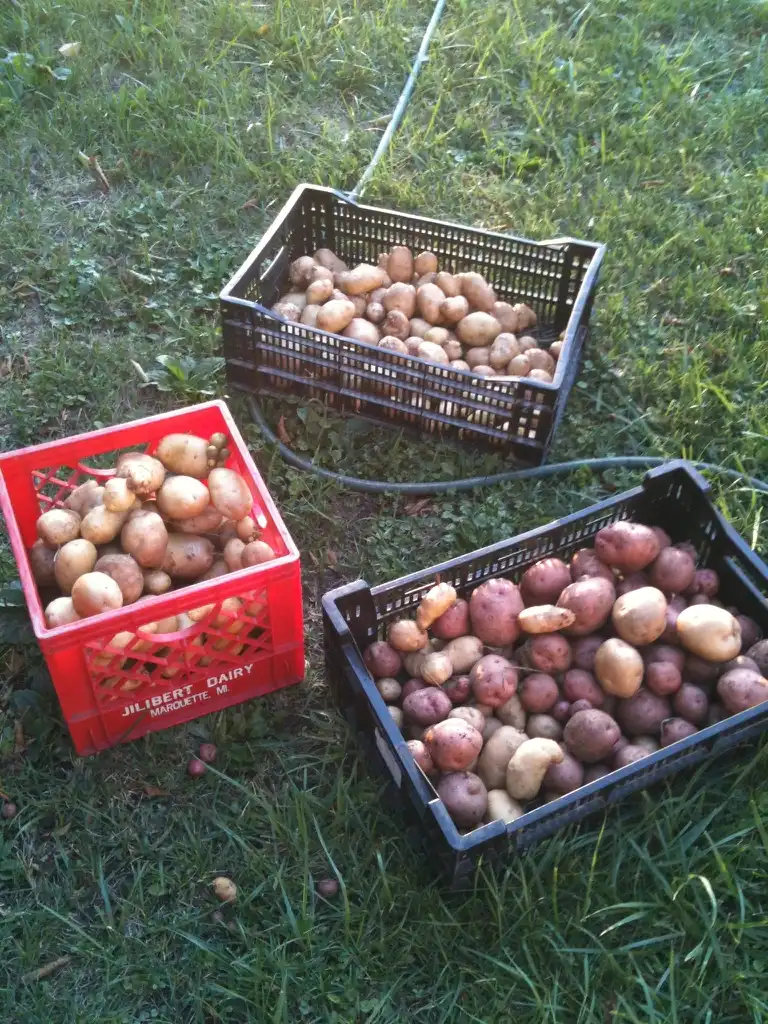
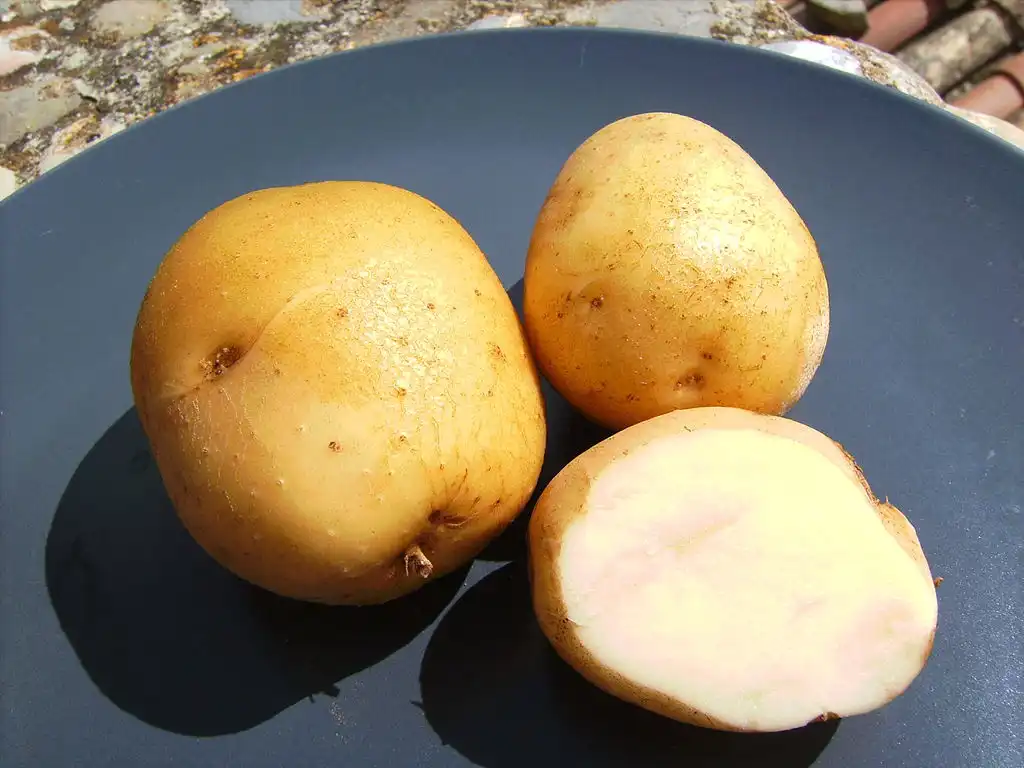
Solanum tuberosum, commonly known as the cultivated potato, is recognized for its starchy tubers. Although these plants are naturally herbaceous perennials, they are typically grown as annuals for harvesting purposes. There is a wide range of cultivars available, differing in texture, size, and color, making them suitable for various culinary applications. Russet potatoes, which are frequently found in grocery stores and restaurants, thrive in the western United States but do not perform well in the eastern regions. In North Carolina, reliable cultivars include thinner-skinned varieties such as ‘Yukon Gold,’ ‘Kennebec,’ and ‘Red Pontiac.’
For optimal growth, potatoes require full sunlight and well-drained, sandy, acidic soil, with an ideal pH range of 4.8 to 5.4. Soil that retains too much moisture can lead to tuber rot, while acidic conditions help prevent bacterial scab. Consistently moist, light soil can promote the development of large, uniformly shaped potatoes.
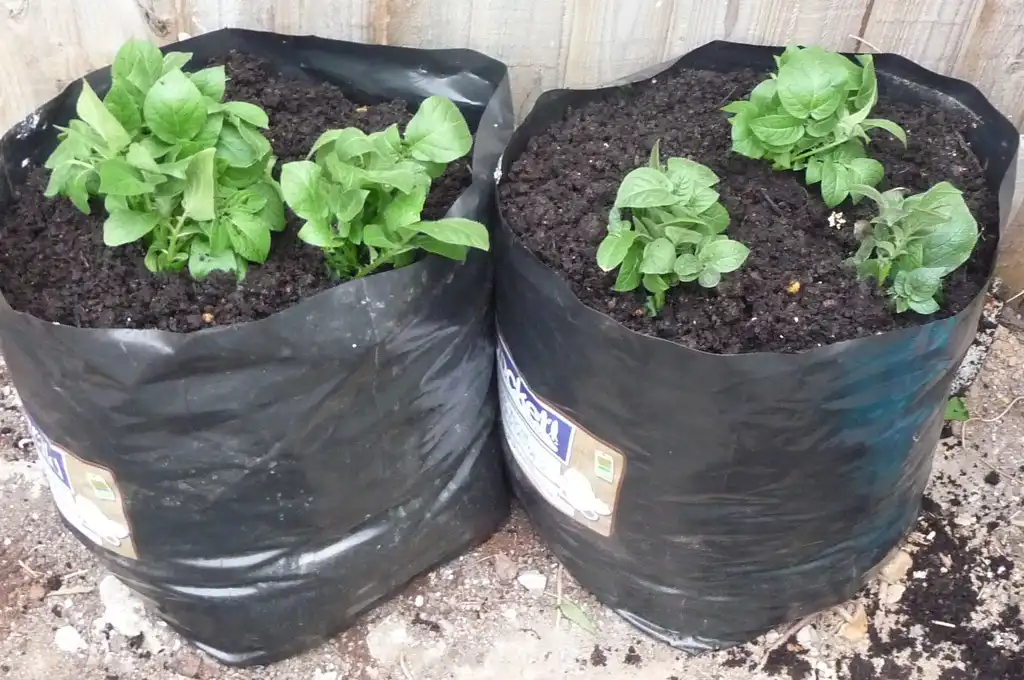
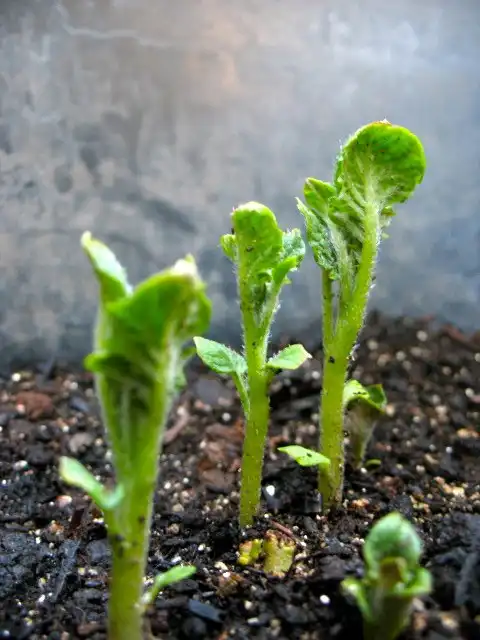
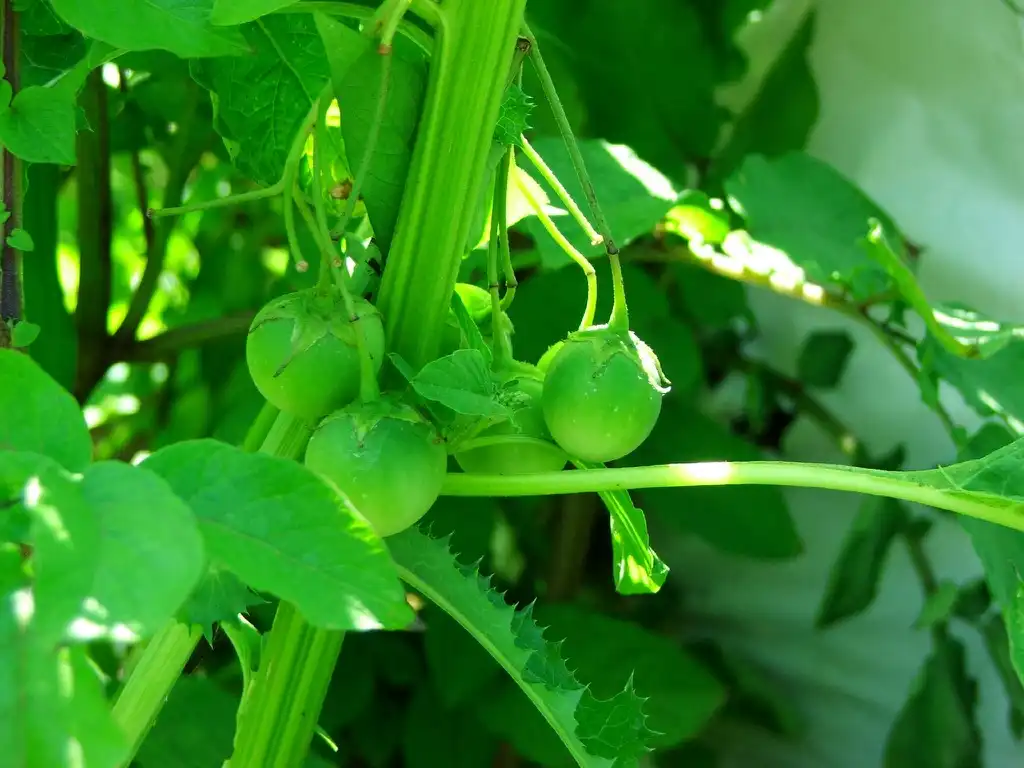
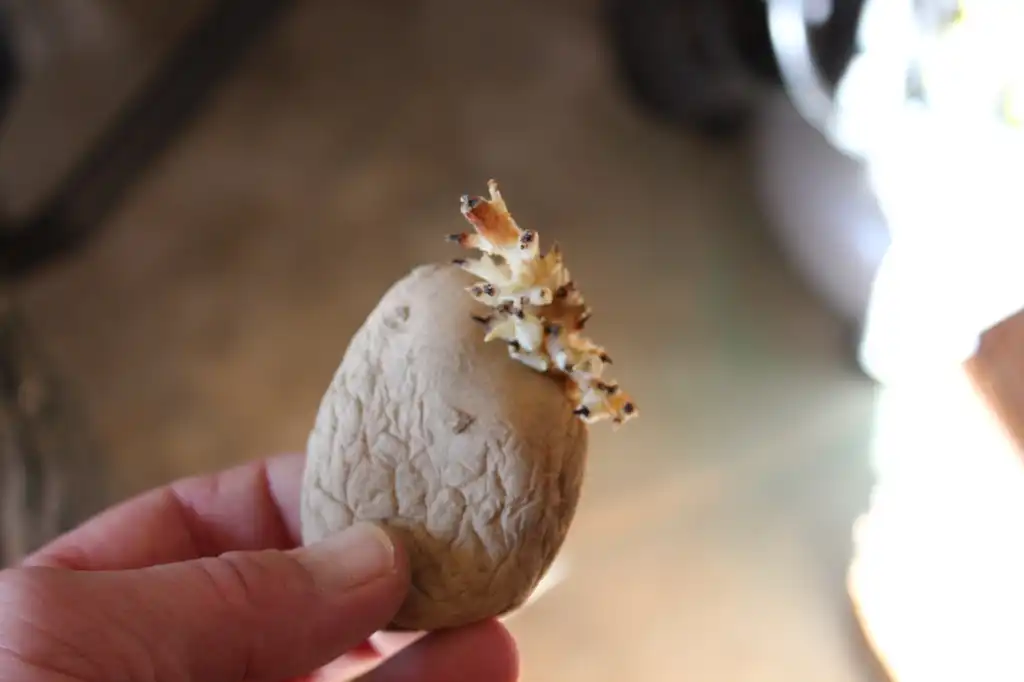
Typically, potatoes are propagated from "seed potatoes," which are small tubers or sections of tubers that sprout into new plants. Purchasing certified disease-free seed can mitigate issues like Potato late blight, as grocery store potatoes are often treated with sprout inhibitors and may not be reliable for planting. Before planting, it is advisable to cut the seed potatoes so that each piece contains at least two eyes and allow them to sit outdoors for a day to let the cut surfaces scab over. Plant the seed pieces 5-6 inches apart with the eyes facing upward. Raised beds offer excellent drainage, and containers or grow bags can also be effective for cultivation, provided they are at least 2 feet deep and can hold a minimum of 30 gallons. As the plants grow, mound soil or mulch around the base to encourage the formation of additional tubers along the buried sections of the stem. This should be done when the plants reach about one foot in height and repeated once or twice during the growing season. Planting in trenches can simplify the hilling process. It is important to keep tubers adequately covered, as exposure to light can cause them to turn green and produce toxic compounds.
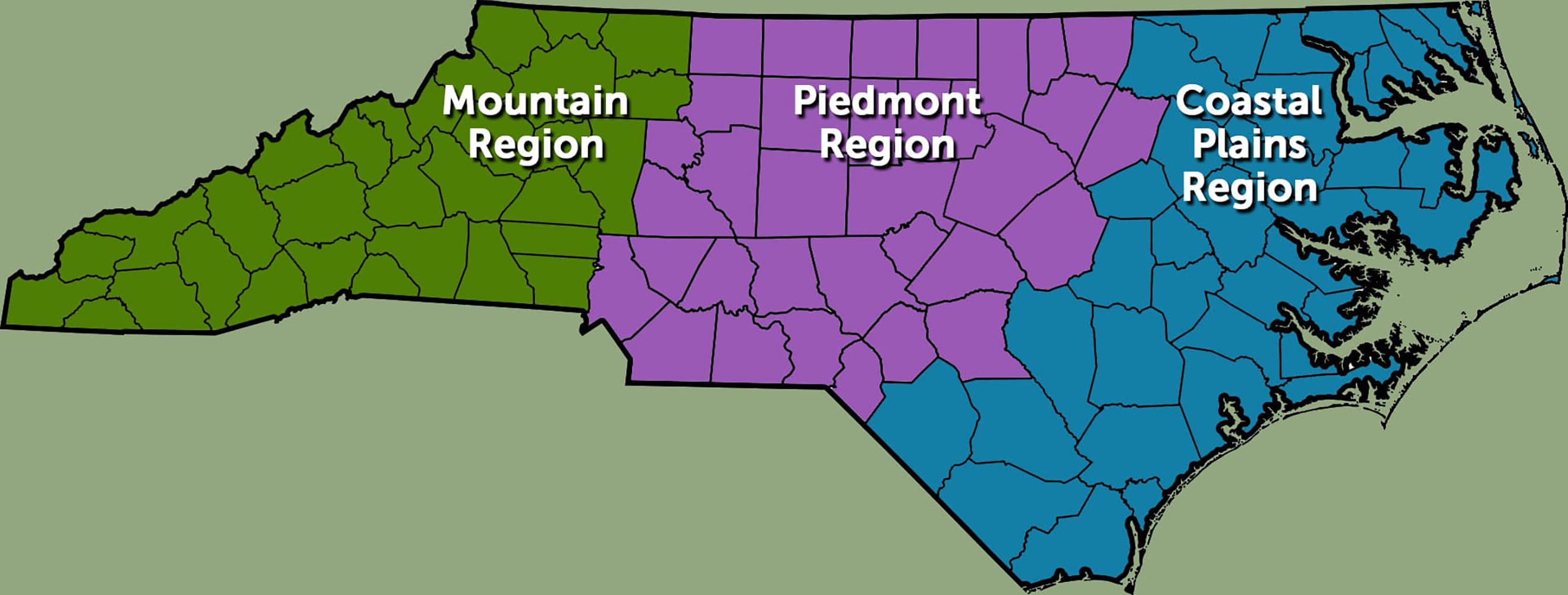
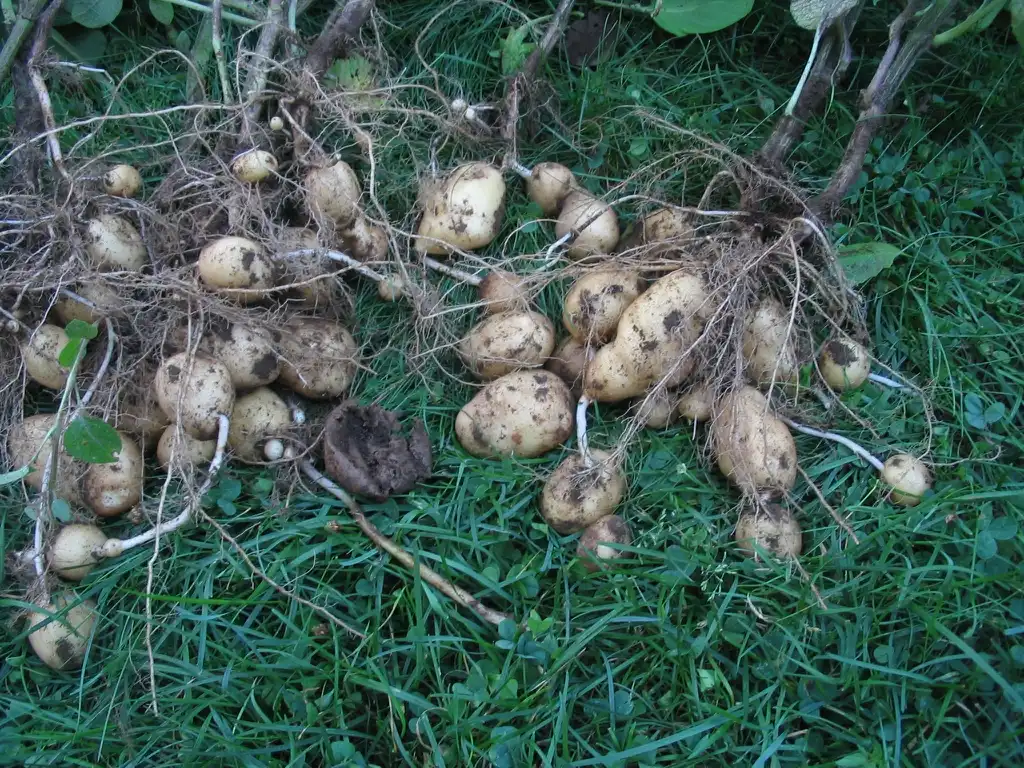
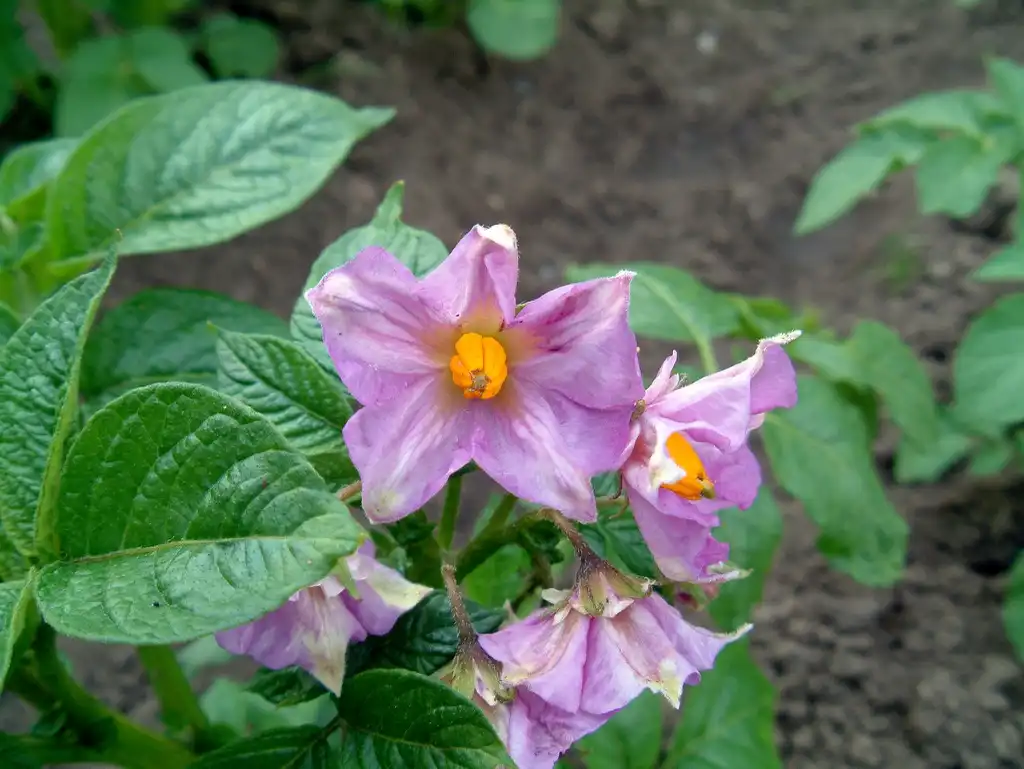
In North Carolina, it is best to plant potatoes between mid-February and the end of March, as they can withstand light frost. Potatoes can be harvested in two ways: mature, when the tubers are fully developed and the plant has dried up around June, or early, as "new" potatoes, once the plants start to flower. These young potatoes, which have thin, delicate skins, are considered a delicacy and can be harvested approximately 7-8 weeks after planting. Mature potatoes typically require 3-4 months before they are ready for harvest.
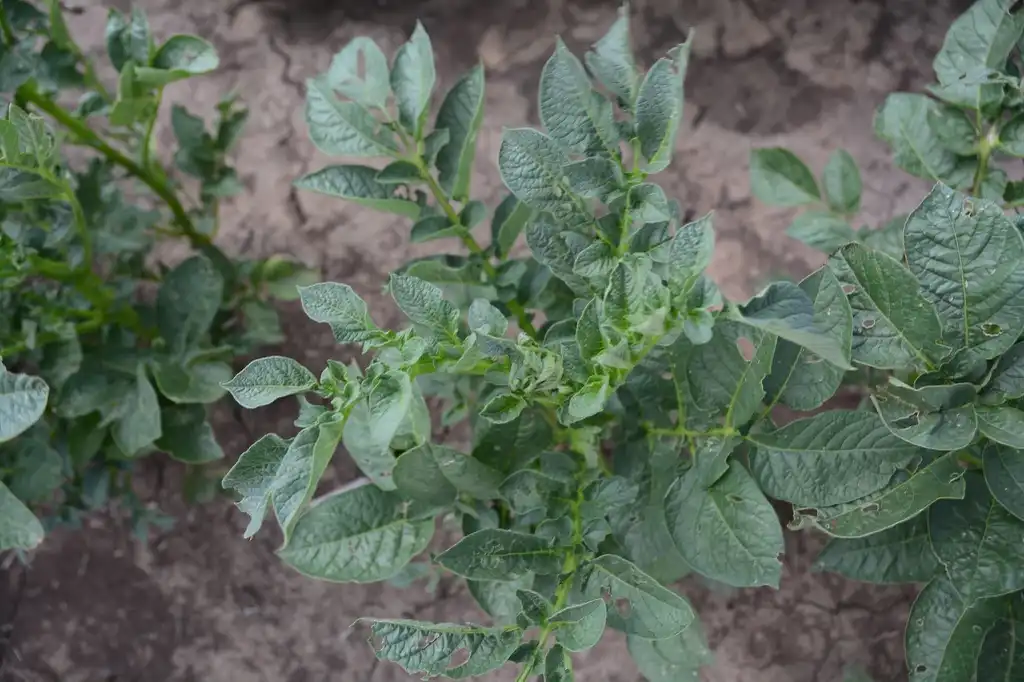
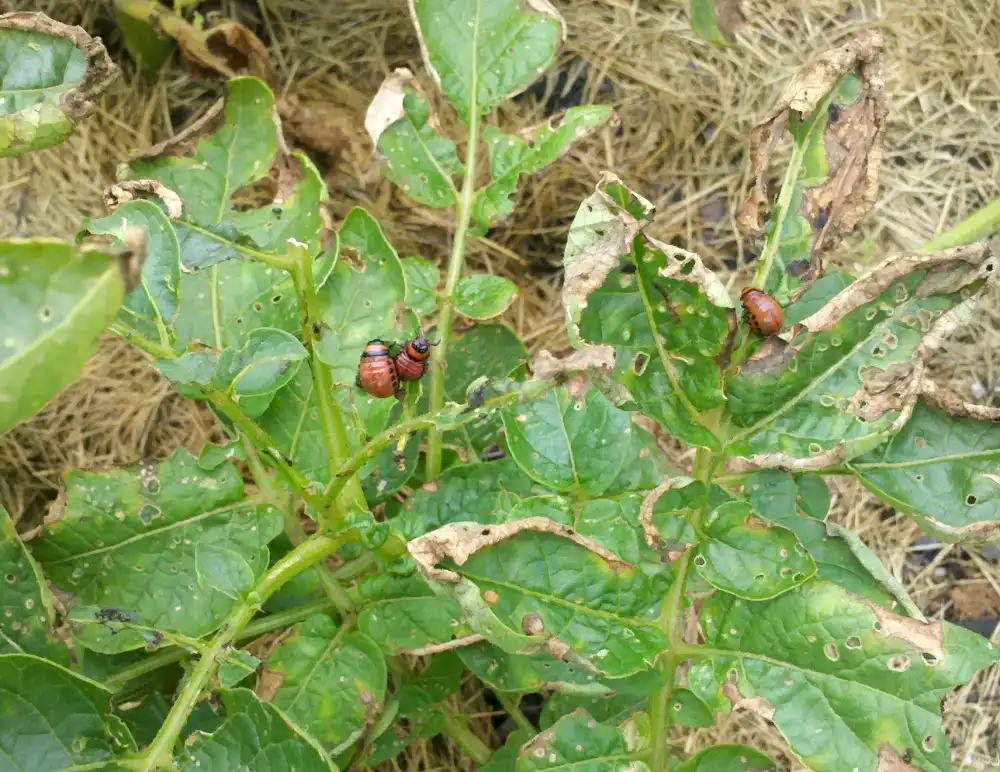
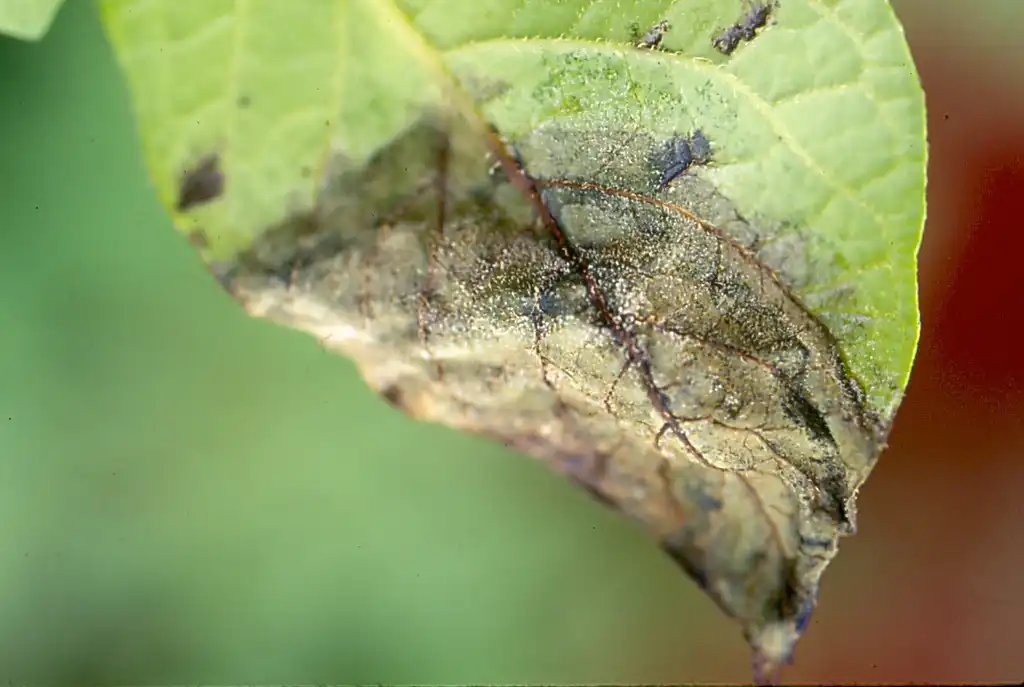
In terms of pests and diseases, Potato late blight can cause tubers to rot and become inedible. Additionally, Colorado potato beetles lay clusters of yellow eggs, and their larvae can defoliate the plants.
Solanum tuberosum Feature Summary
Solanum tuberosum Image Gallery