Callicarpa bodinieri: Country Or Region Of Origin
Southern China to Indo-China
Phonetic Spelling:kal-ee-KAR-puh boh-din-ee-ER-ee
Genus:Callicarpa
Species:bodinieri
Family:Lamiaceae
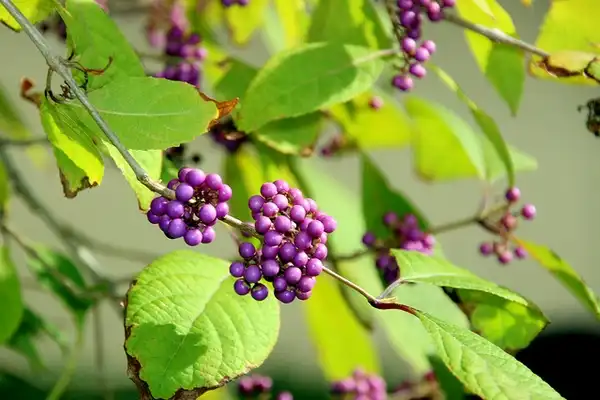
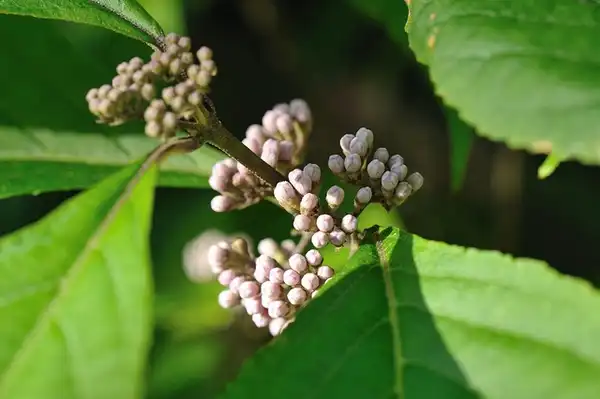
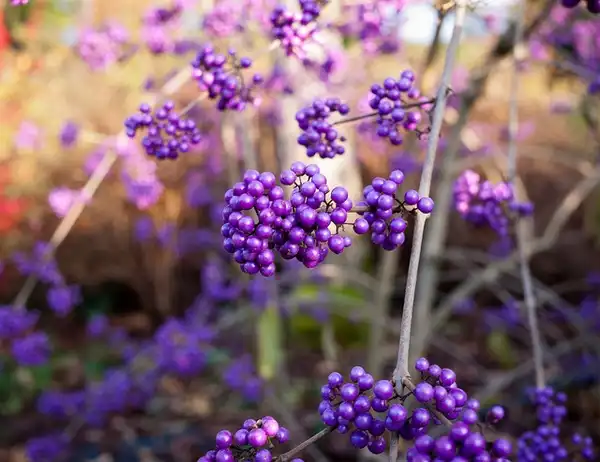
Bodinier's Beautyberry is a deciduous shrub that stands upright and showcases vibrant purple berries in the autumn. Originating from Southern China and Indochina, this plant belongs to the Lamiaceae family, commonly known as the mint family. The name of the genus, Callicarpa, is derived from Greek, meaning "beautiful fruit," while the species name, bodinieri, honors Emile Maire Bodinier, a 19th-century French missionary and botanist who worked in China.
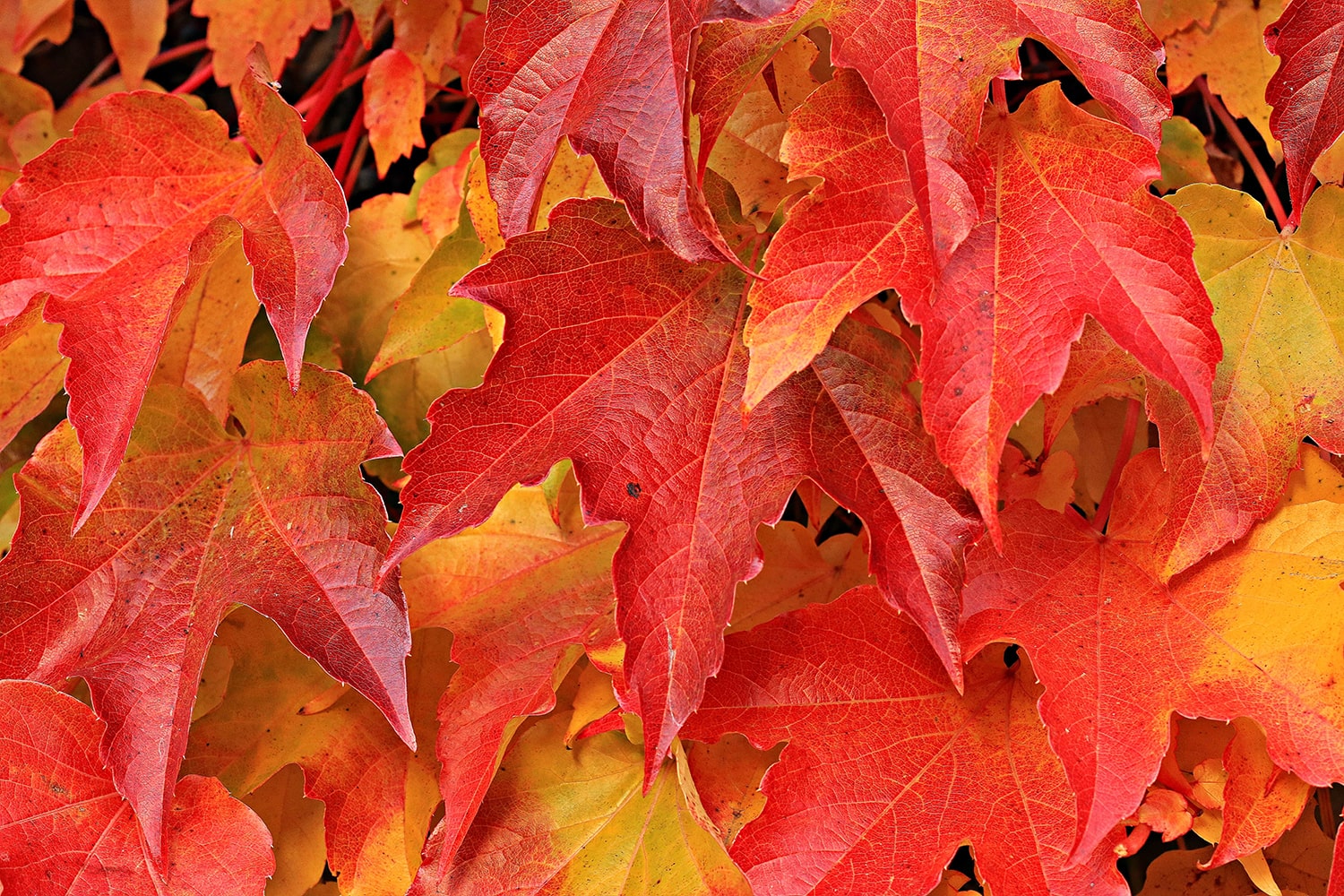
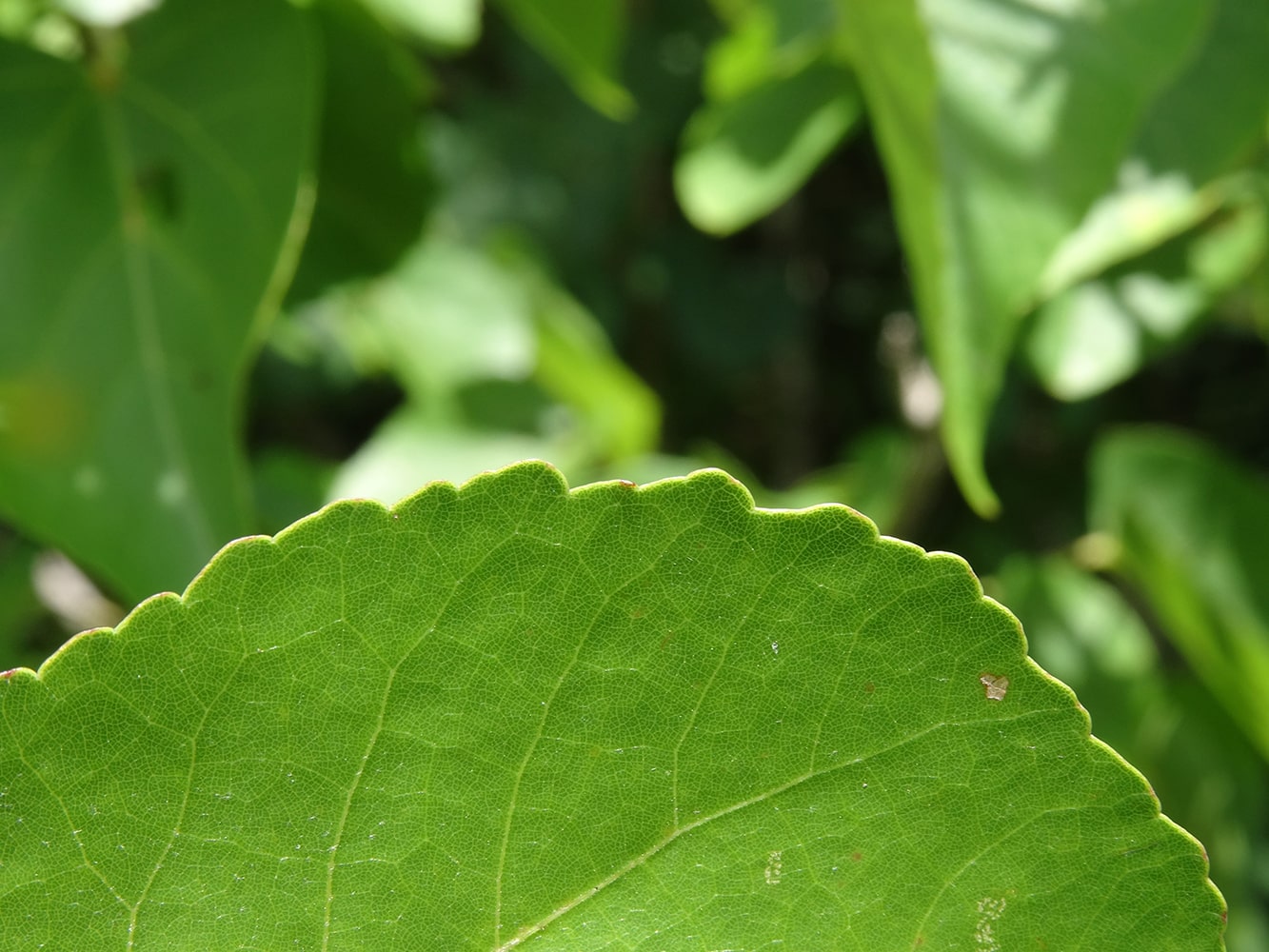
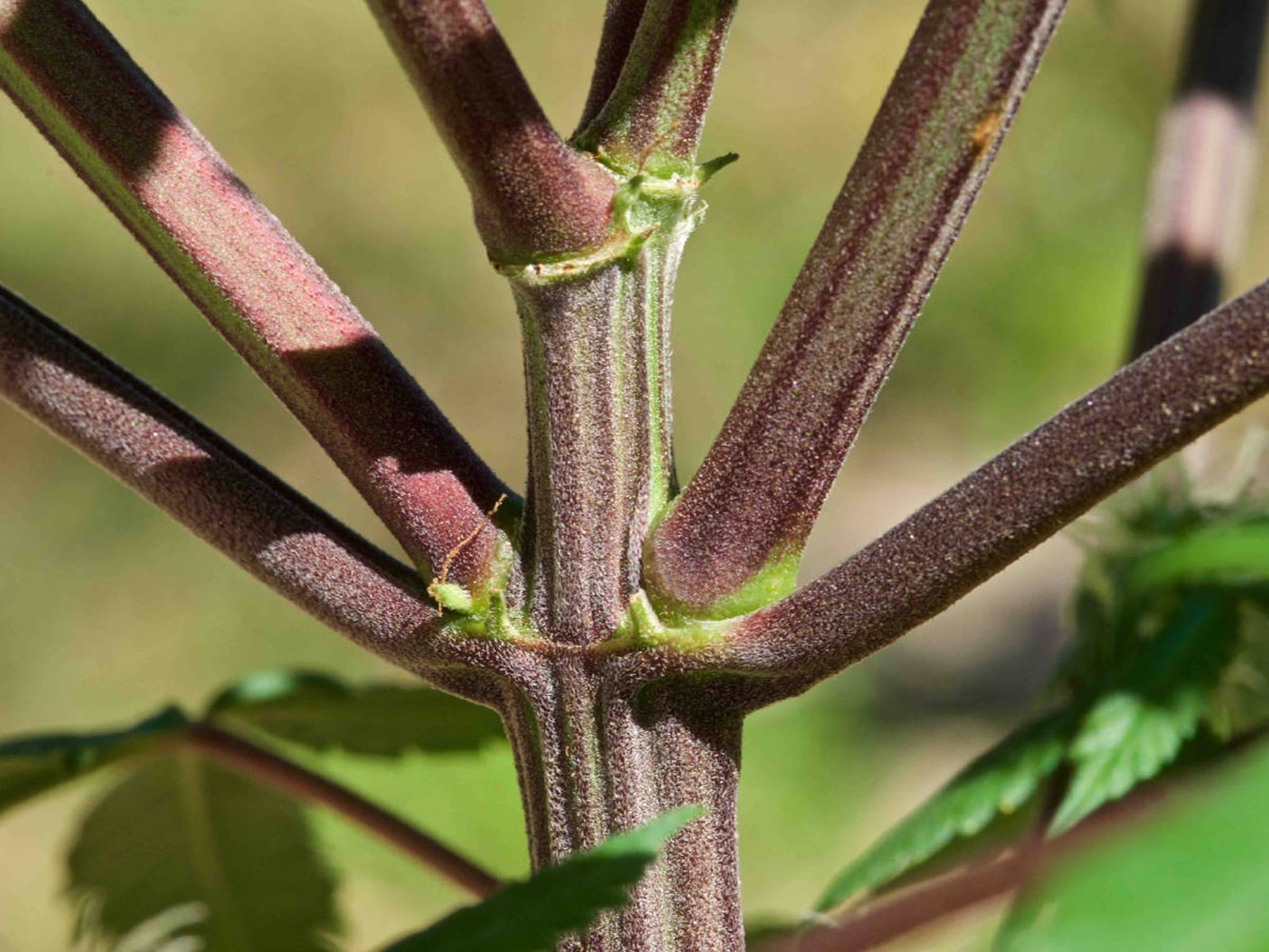
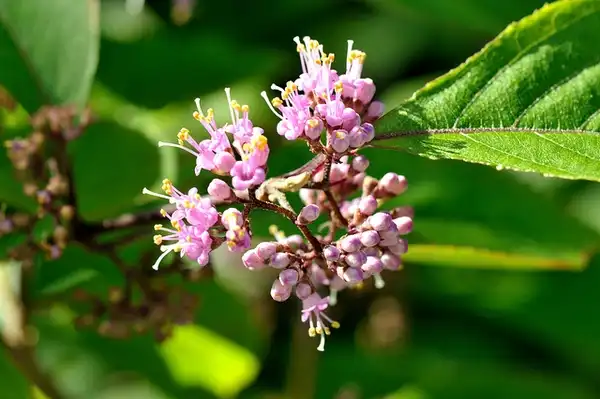
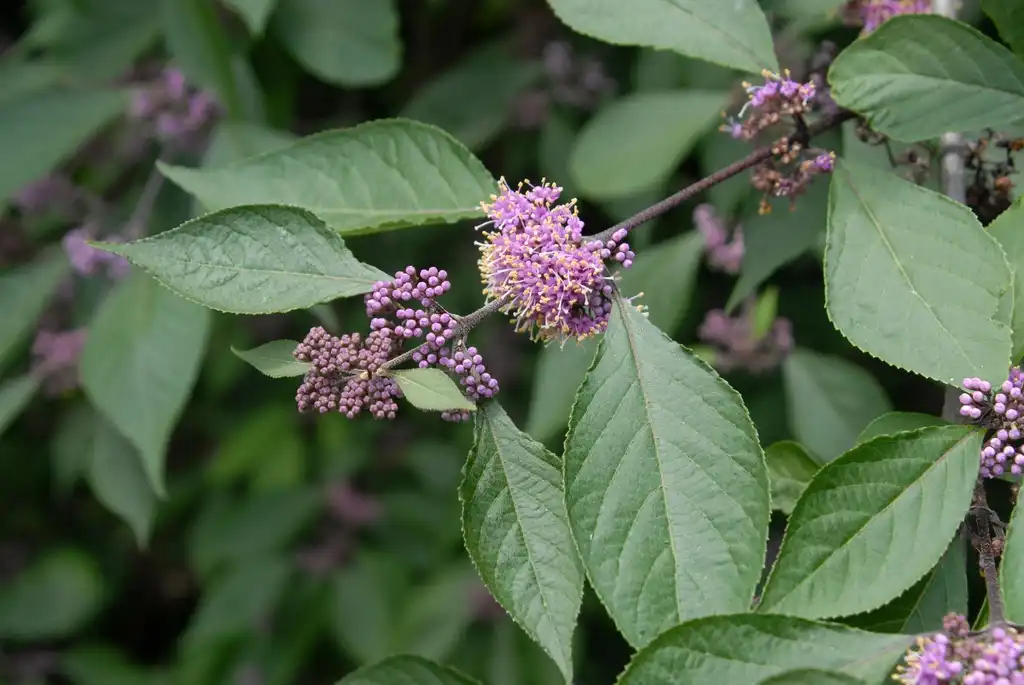
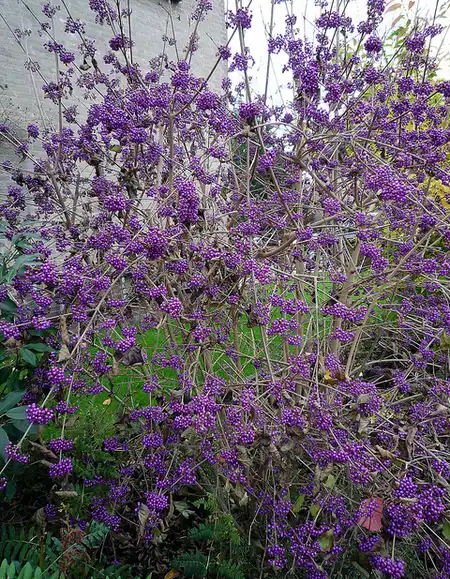
This shrub typically reaches heights of 6 to 10 feet and features slender, upright branches. Its leaves are green, transitioning to a striking golden yellow in the fall. From June to August, clusters of lilac-hued flowers bloom on the new growth, followed by whorls of violet-purple berries that develop around the stems. These berries ripen by September and persist on the shrub even after the leaves have fallen, providing a stunning display through early winter.
Bodinier's Beautyberry is more cold-tolerant than its American counterpart and thrives in well-drained soil with full sunlight, which enhances fruit production. For optimal pollination, it is recommended to plant this shrub in small groups. It attracts a variety of pollinators, including bees, butterflies, and birds. Although the berries are bitter and generally avoided by wildlife unless other food sources are scarce, they still contribute to the ecosystem. Pruning is best done in late winter or early spring to remove older stems, as flowers and fruit develop on new growth. While the shrub is largely resistant to diseases and pests, it can occasionally be affected by leaf spot, stem disease, and black mold.
The 'Profusion' cultivar of Callicarpa bodinier var. giraldii is particularly popular, having received the Award of Garden Merit from the Royal Horticultural Society. This variety can grow up to 10 feet tall, featuring pale pink flowers and dark violet fruits. Its leaves emerge with a bronze tint in spring, turn dark green in summer, and shift to a golden purple in the fall, producing a more abundant fruit yield than other varieties.
Bodinier's Beautyberry is ideally suited for informal gardens, meadows, mass plantings, and woodland settings, where its colorful fruits can enhance the landscape during the fall season.
Callicarpa bodinieri Feature Summary
Callicarpa bodinieri Image Gallery