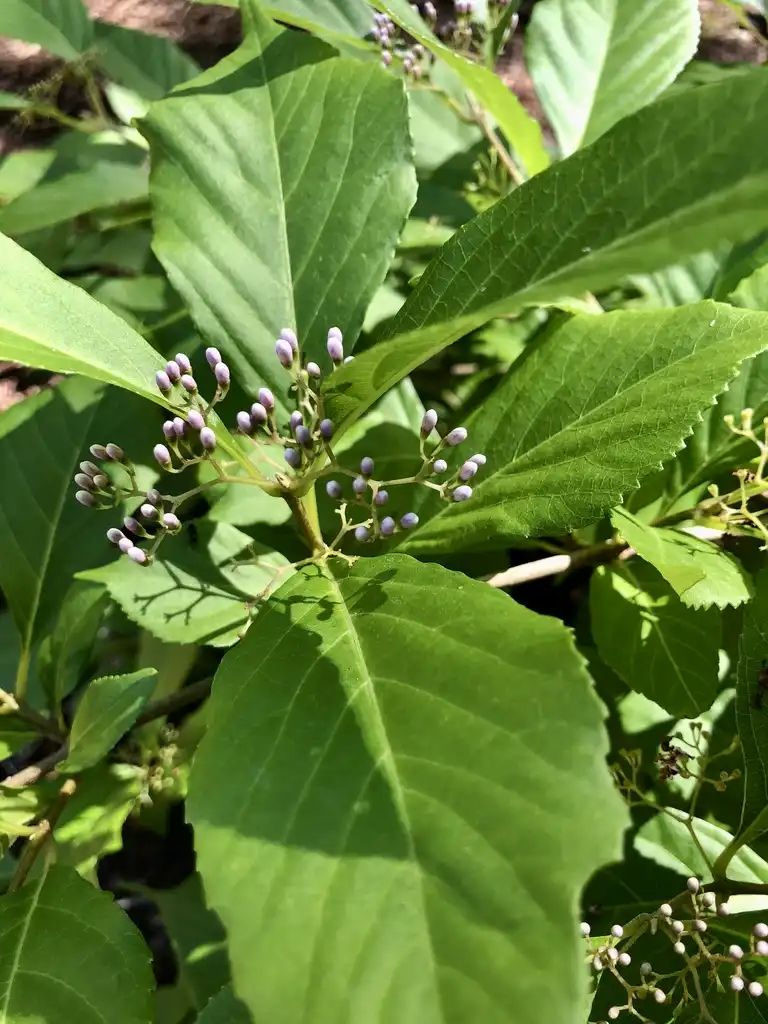
Callicarpa japonica: Uses (Ethnobotany)
In Japan, the plant stems are used for chopsticks.
Phonetic Spelling:kal-ee-KAR-puh jah-PON-ih-kah
Genus:Callicarpa
Species:japonica
Family:Lamiaceae
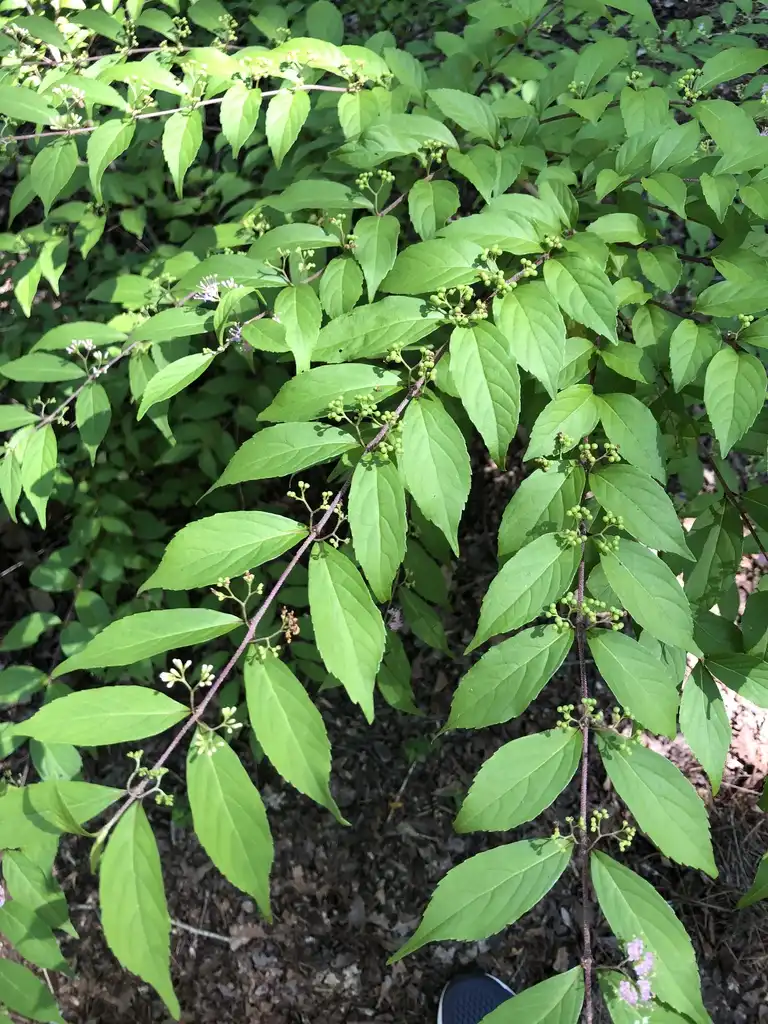
The Japanese Beautyberry is a moderately sized, rounded deciduous shrub characterized by its slender, arching branches, typically reaching heights of 4 to 6 feet. This species is particularly well-suited for residential gardens, especially when compared to the American Beautyberry, which can grow up to 8 feet tall.
Originating from China and East Asia, the Japanese Beautyberry was first introduced to Western horticulture in 1845. It was later cultivated in Denmark in 1916 and has also been established in North Carolina. The name of the genus, Callicarpa, derives from Greek, meaning "beautiful fruit," while the species name, Japonica, indicates its Japanese roots. This plant belongs to the Lamiaceae family, commonly known as the mint family.
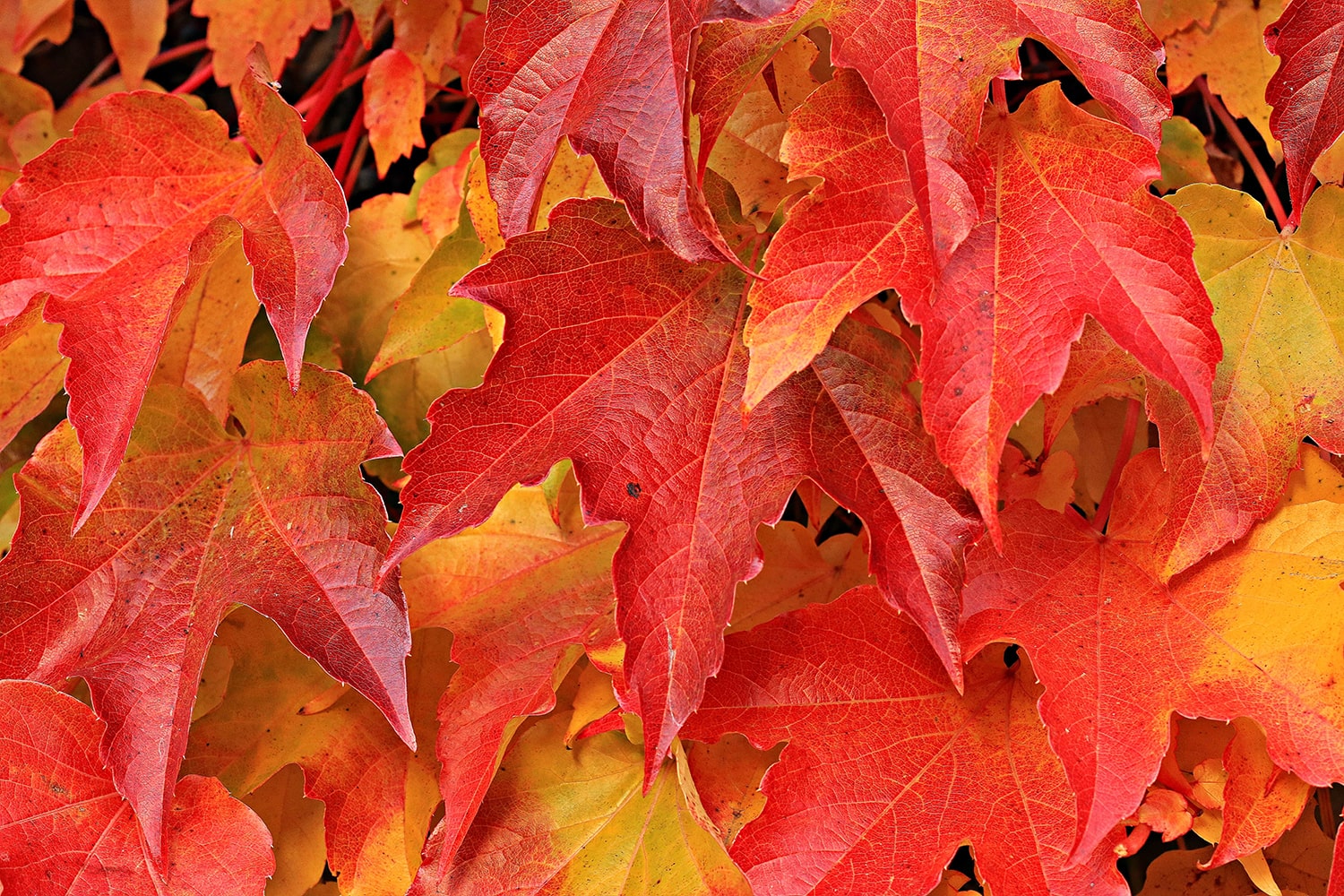
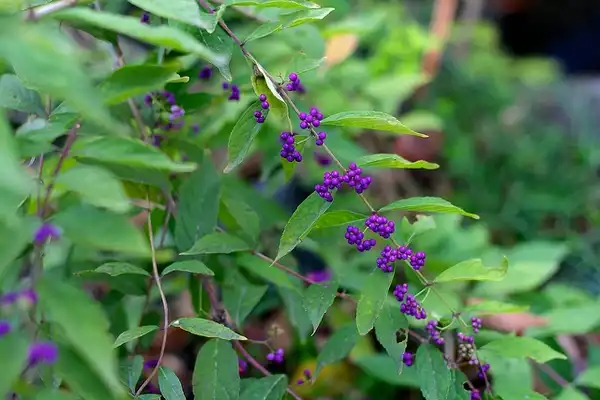
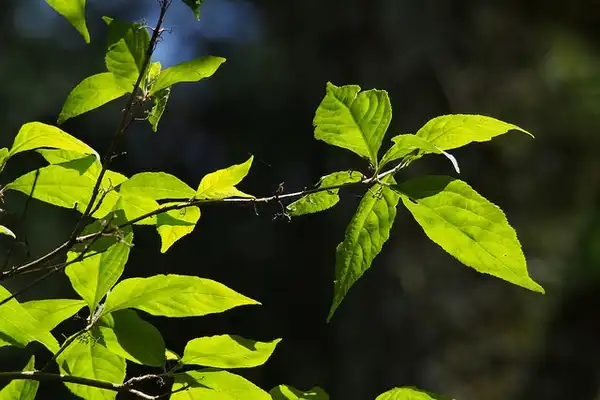
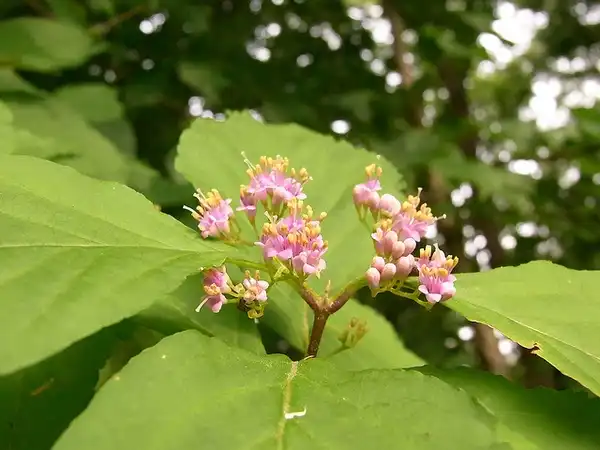
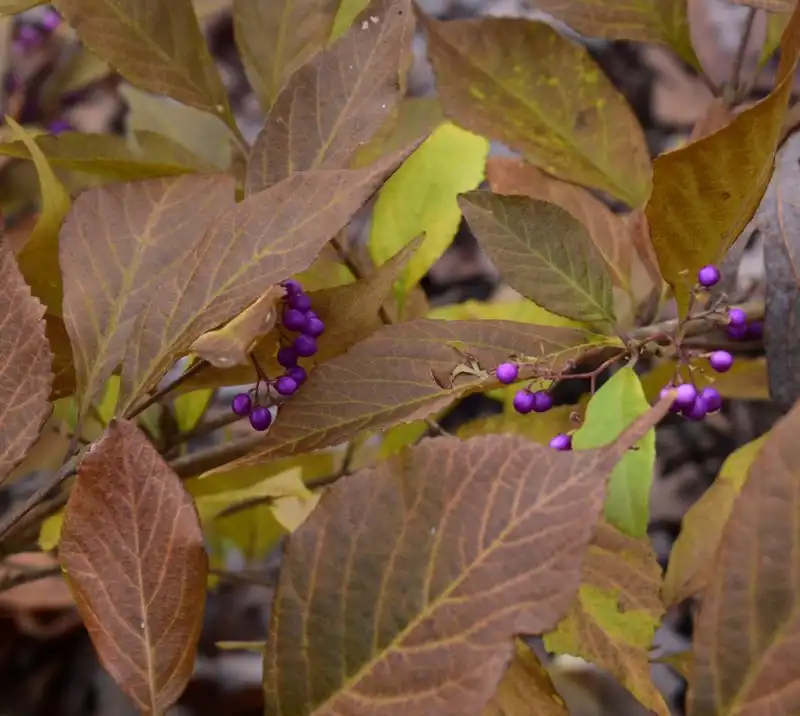
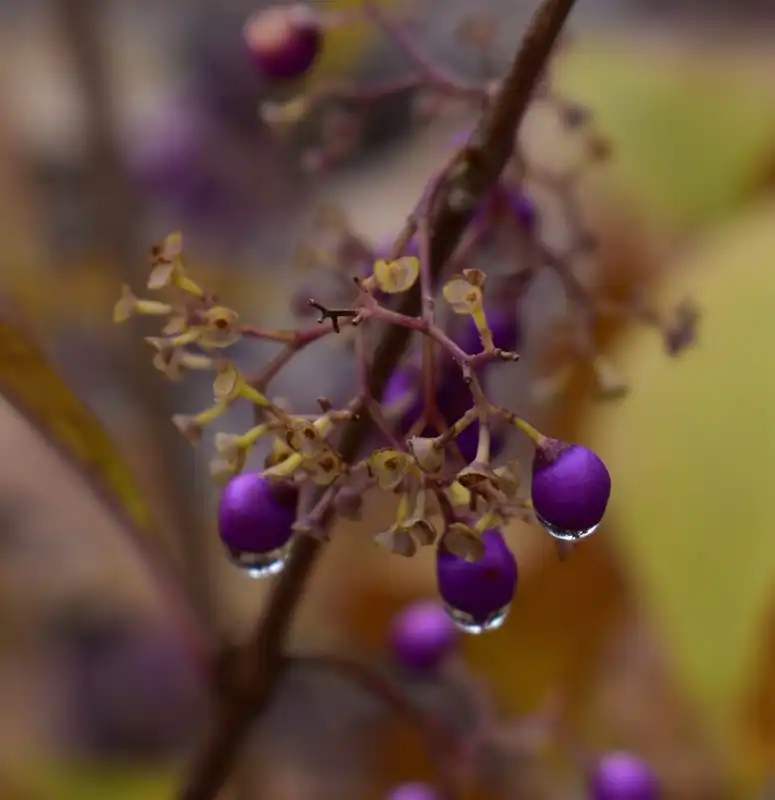
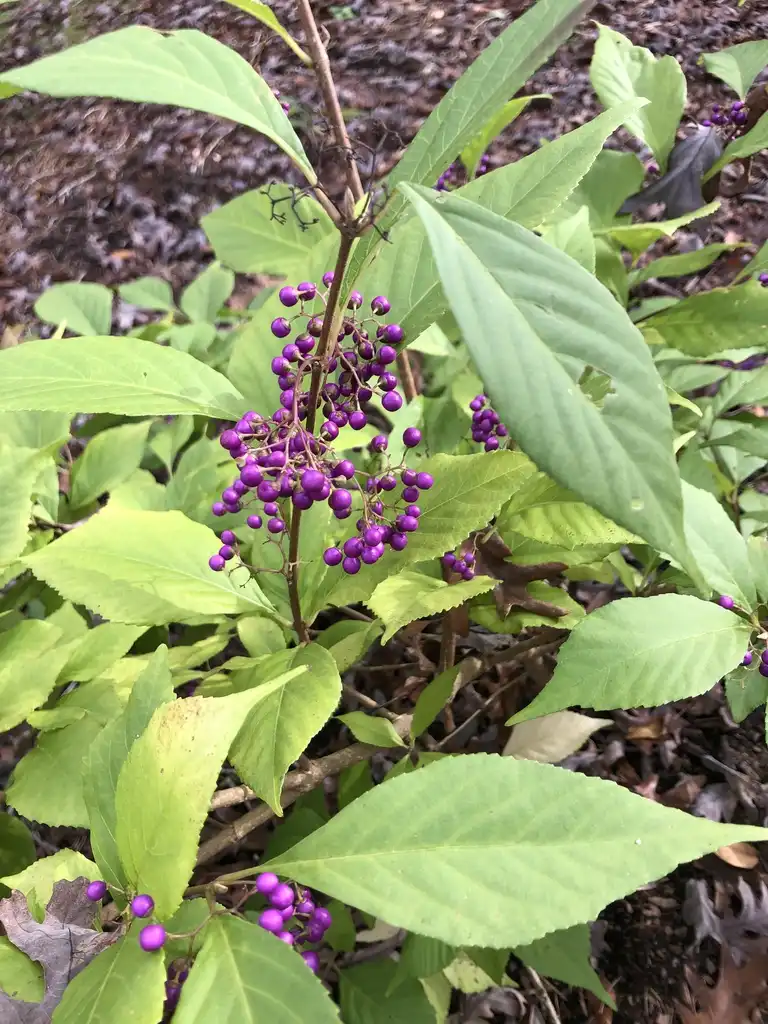
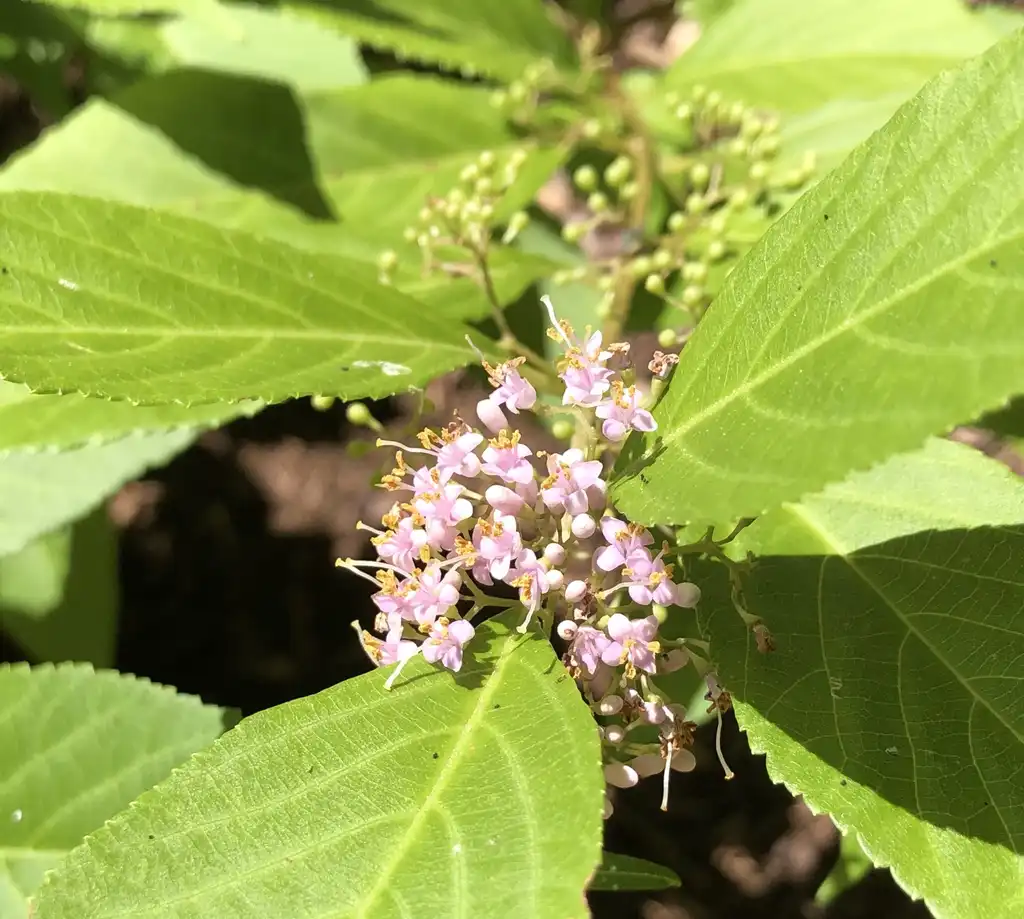
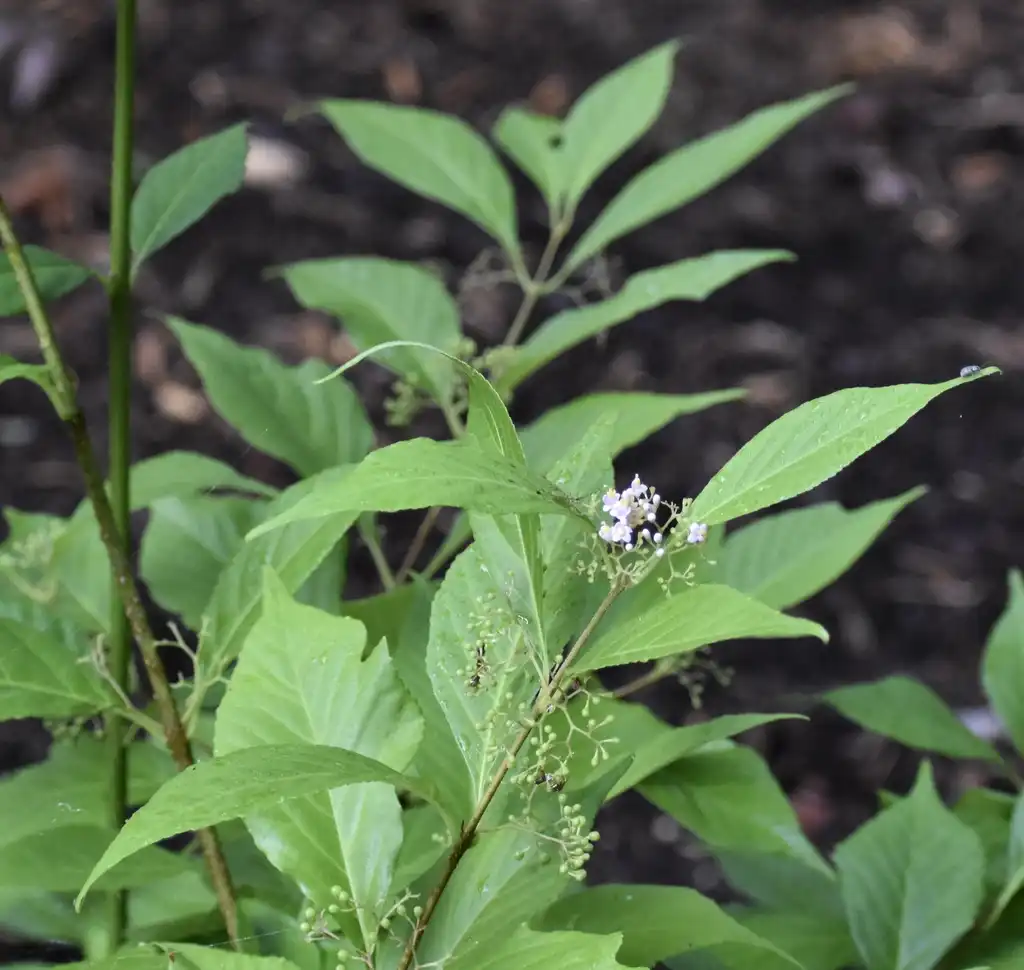
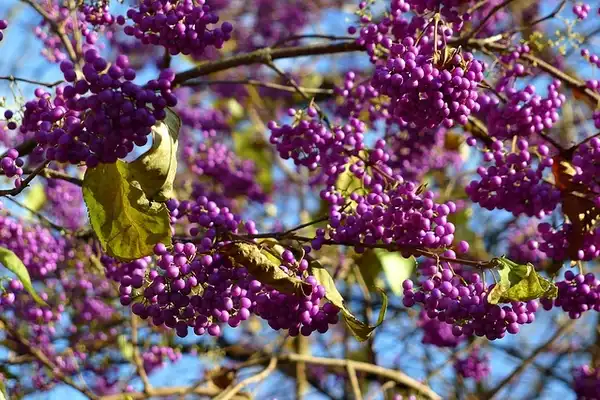
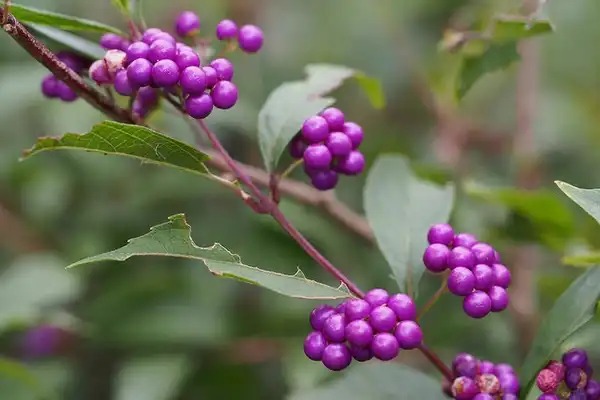
The leaves of the Japanese Beautyberry are medium green, transitioning to a greenish-yellow hue with a purplish tint in the fall before they drop. In June, clusters of pinkish-white flowers bloom on new growth, followed by the appearance of glossy violet-purple berries in late summer. These berries become particularly noticeable in October when the foliage has thinned. They serve as a food source for birds, attracting them to the garden.
This shrub thrives in full sunlight and may become leggy if grown in shaded areas. It prefers well-drained soil and exhibits some drought tolerance. Planting in groups or mass arrangements can enhance cross-pollination and fruit production. For optimal health, it is advisable to prune older stems in late winter or early spring.
In Japan, the stems of this plant are utilized as chopsticks, while in gardens, the Japanese Beautyberry is primarily valued for its vibrant ornamental berries. When spaced 4 to 5 feet apart, they create an attractive border.
Various cultivars are available, some of which produce white berries or feature narrower leaves. While the Japanese Beautyberry generally faces no significant insect or disease threats, it can be vulnerable to leaf spots, stem diseases, and black mold.
Callicarpa japonica Feature Summary
Callicarpa japonica Image Gallery