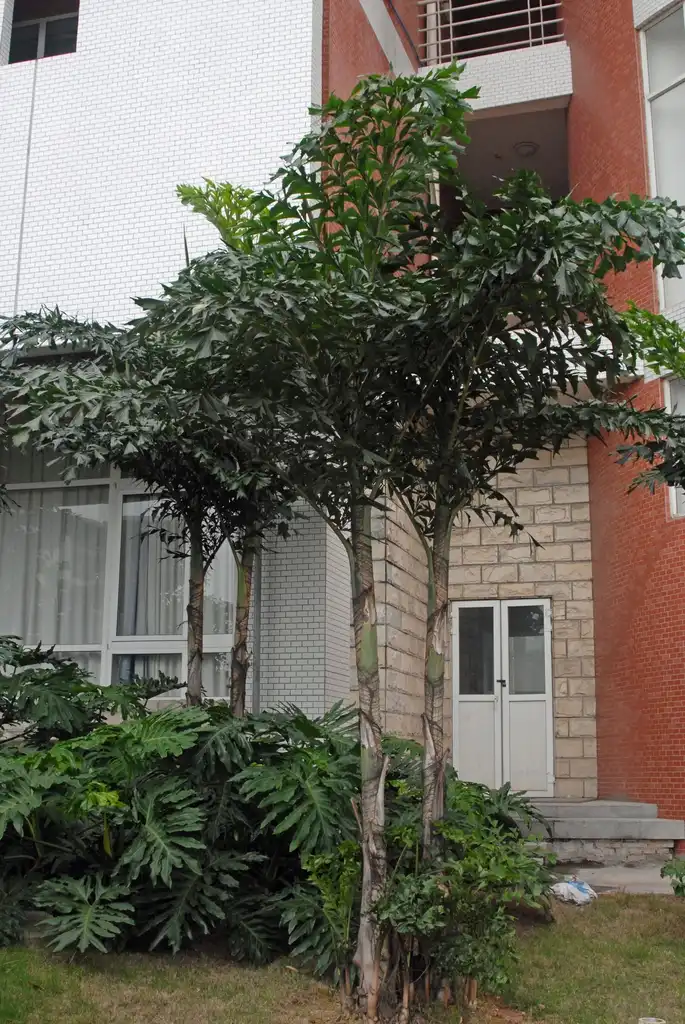
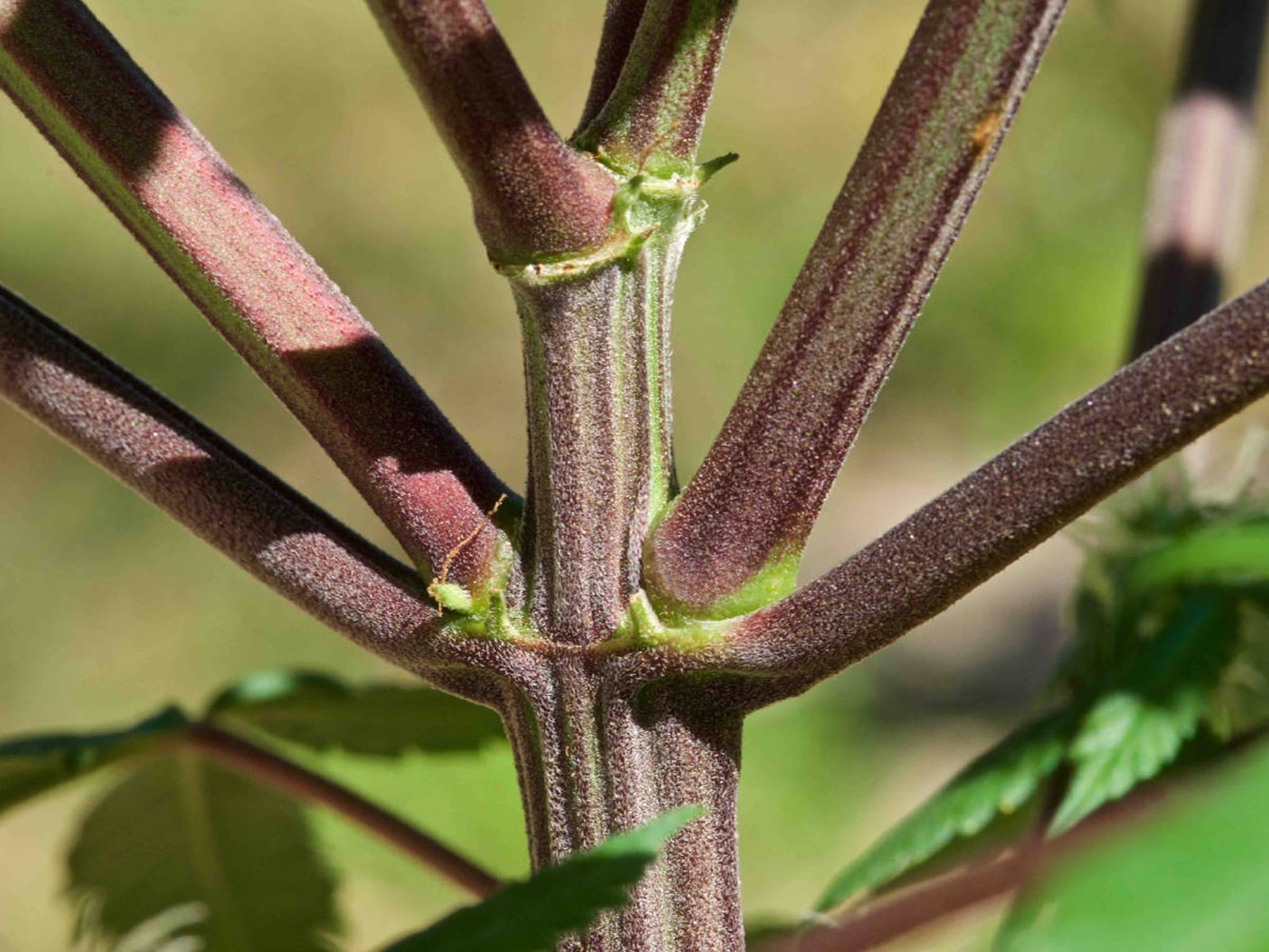
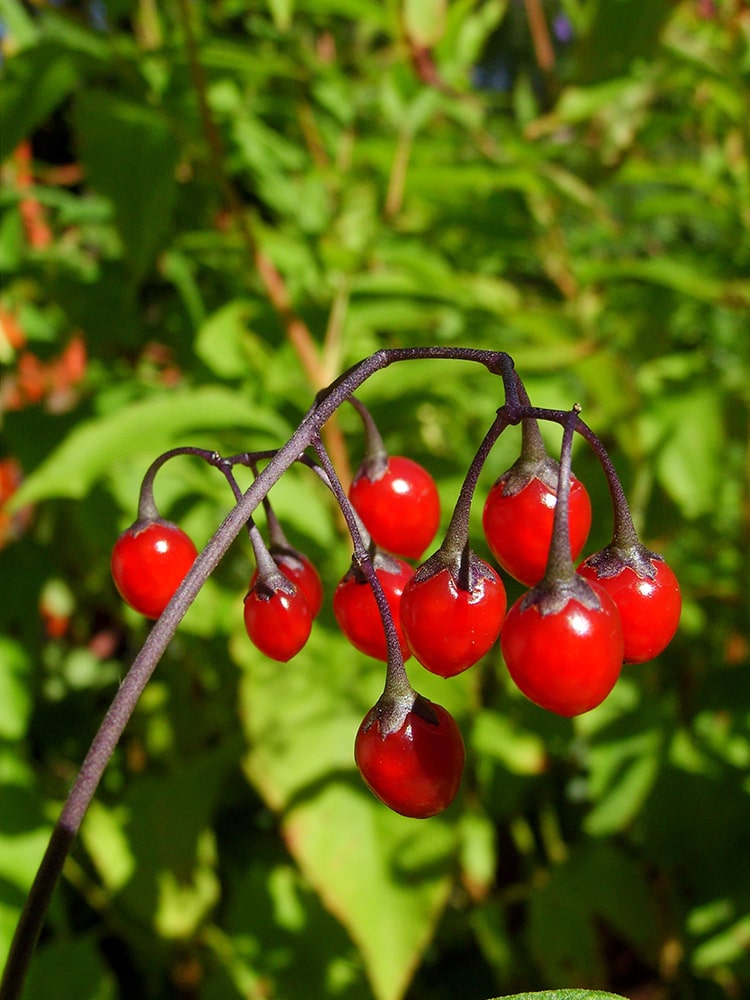
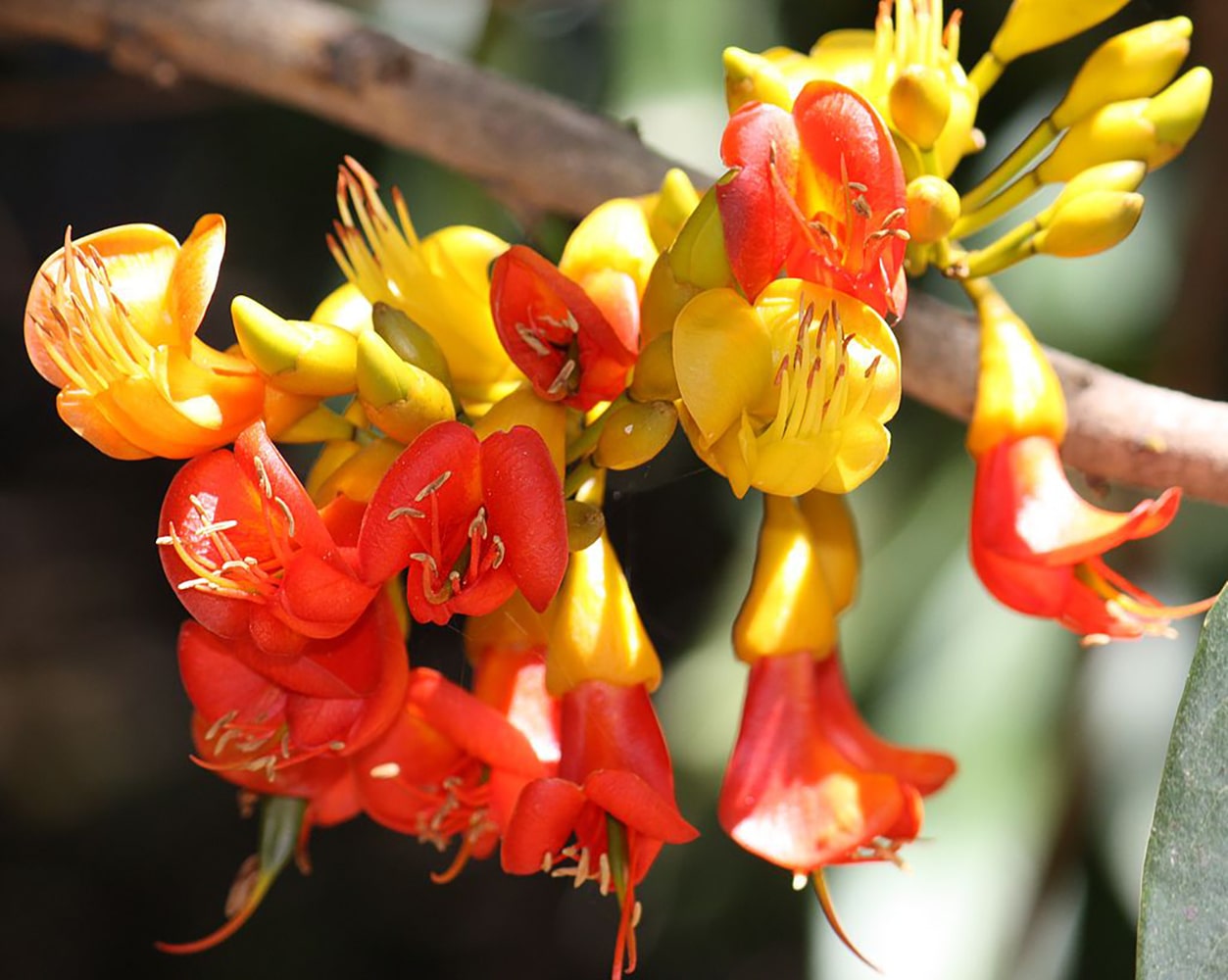
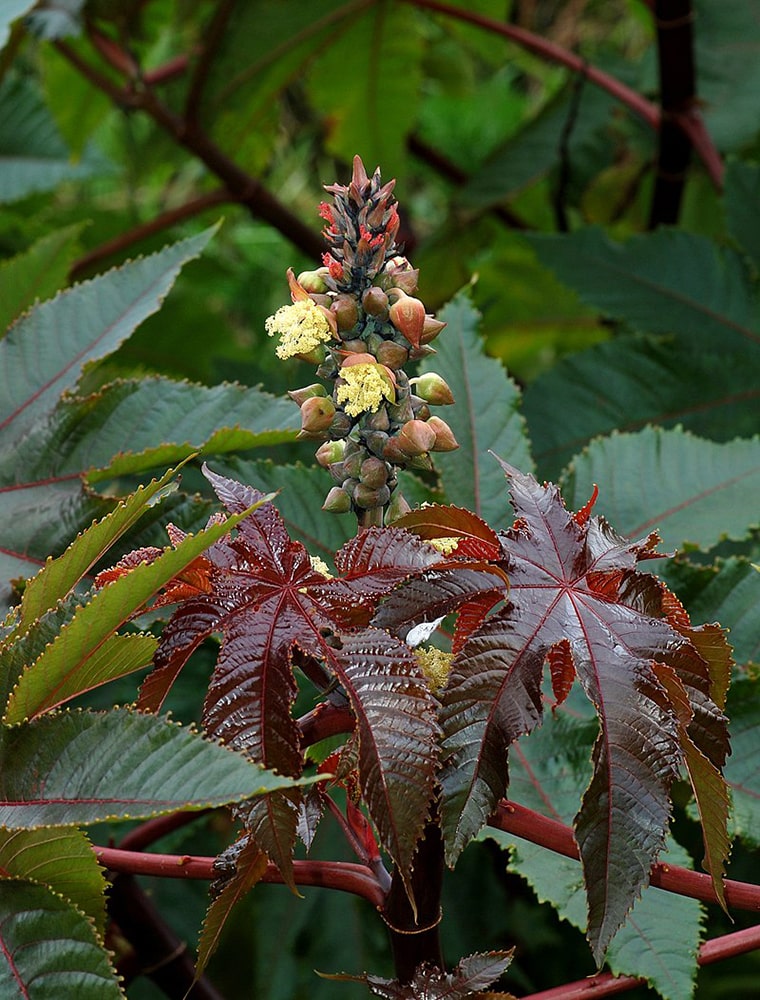
• Photo of Caryota mitis (Caryota mitiss)

Plant Profile: Caryota mitis

Taxonomy: Caryota mitis

Names

Fishtail Palm

  • Photo of Caryota mitis (Caryota mitiss)

Phonetic Spelling:kair-ee-OH-tah MY-tiss

Genus:Caryota

Species:mitis

Family:Arecaceae

Characterized by either solitary or clustered, unbranched stems, this plant features large, long-stalked leaves that arch gracefully. The leaves are bi-pinnately divided into leaflets, which are widest above the midpoint and have irregularly toothed tips. The fruit produced is a fleshy berry.

Commonly found as a houseplant or in interior landscapes.

Belongs to the Arecaceae (Palmae) family.

Identification Tips:

This species can grow upright to a height of 40 feet, showcasing arching branches, making it an impressive tree-form specimen.

It thrives in medium light and prefers low to medium humidity levels; water the plant when the soil feels dry, and be mindful of potential pest issues.

Caryota mitis Feature Summary

Caryota mitis Image Gallery

Tags

#poisonous
#houseplant
#interiorscape
#palm
#fern-like
#fantz
#container plants

Similar Plants

Caryota mitis Feature Summary

Attributes
SE. China to Indo-China and Malesia
Seed kernels are edible
Fruit
Leaves
Leaves large, long-stalked, arching, bi-pinnately divided into leaflets which are widest above the middle and irregularly toothed at apex. bipinnate; pinnules asymmetrical, deltoid, apex highly incised; sheaths felted and scaly, disintegrating into black fibers; 6 1/2-13'.
Compound (Pinnately , Bipinnately, Palmately)
> 6 inches
Stem
Solitary or clustered, unbranched stems. Leaf bases and sheaths fibrous, becoming bare and ringed.
Poisonous to Humans
CAUSES SEVERE PAIN IN THE MOUTH IF EATEN! SKIN IRRITATION MINOR OR LASTING ONLY FOR A FEW MINUTES. Burning and swelling of lips, mouth, tongue, and throat; difficulty of speaking; redness and swelling of skin and eyes after handling berries
Calcium oxalate crystals
Whole Plant Traits
Poisonous
Cultural Conditions
Dappled Sunlight (Shade through upper canopy all day)
Occasionally Dry
Landscape
Poisonous to Humans
Contact Dermatitis

Caryota mitis Attributes

Caryota mitis: Country Or Region Of Origin

SE. China to Indo-China and Malesia
Caryota mitis: Edibility

Seed kernels are edible

Caryota mitis Fruit

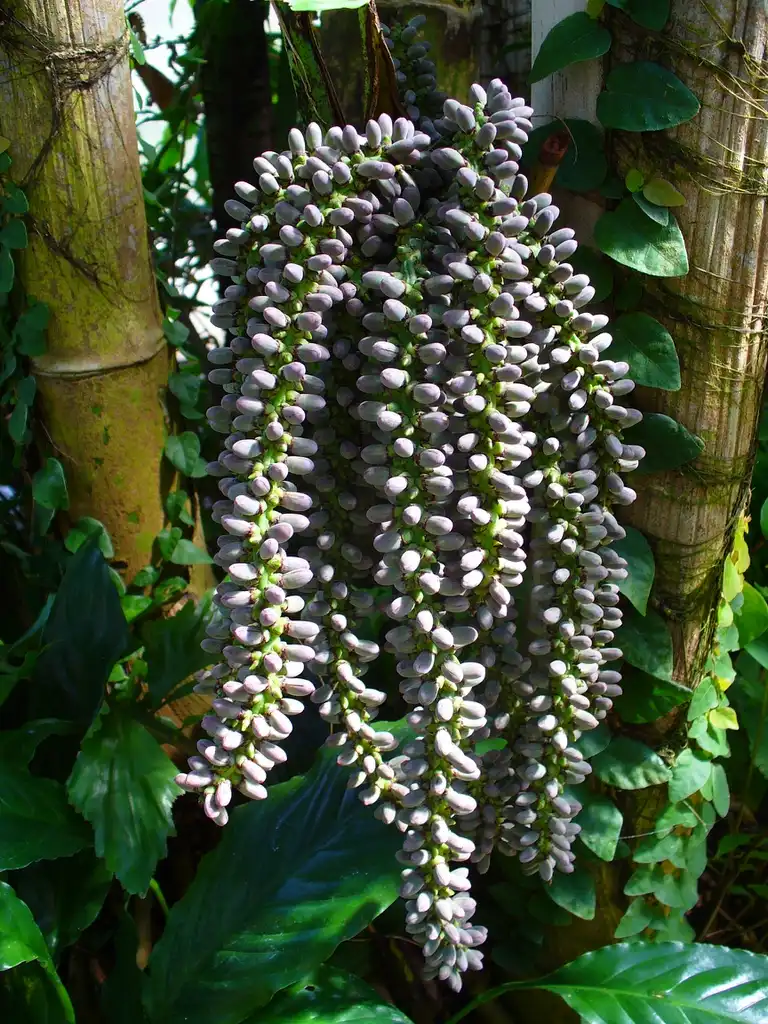
Caryota mitis: Fruit Description

Fleshy berry

Caryota mitis: Fruit Type

Achene
Aggregate
Berry
Capsule
Caryopsis
Drupe
Follicle
Legume
Nut
Pome
Samara
Schizocarp
Siliqua

Caryota mitis Leaves

Caryota mitis: Leaf Description

Leaves large, long-stalked, arching, bi-pinnately divided into leaflets which are widest above the middle and irregularly toothed at apex. bipinnate; pinnules asymmetrical, deltoid, apex highly incised; sheaths felted and scaly, disintegrating into black fibers; 6 1/2-13'.

Caryota mitis: Leaf Color

spa
Green

Caryota mitis: Leaf Type

Compound (Pinnately , Bipinnately, Palmately)
Fronds
Needles
Sheath
Simple

Caryota mitis: Hairs Present

No
Yes

Caryota mitis: Leaf Length

< 1 inch
1-3 inches
3-6 inches
> 6 inches

Caryota mitis: Leaf Value To Gardener

Edible
Fragrant
Good Cut
Good Dried
Long-lasting
Showy

Caryota mitis Stem

Caryota mitis: Stem Description

Solitary or clustered, unbranched stems. Leaf bases and sheaths fibrous, becoming bare and ringed.

Caryota mitis: Stem Is Aromatic

No
Yes

Caryota mitis Poisonous to Humans

Caryota mitis: Poison Symptoms

CAUSES SEVERE PAIN IN THE MOUTH IF EATEN! SKIN IRRITATION MINOR OR LASTING ONLY FOR A FEW MINUTES. Burning and swelling of lips, mouth, tongue, and throat; difficulty of speaking; redness and swelling of skin and eyes after handling berries

Caryota mitis: Poison Toxic Principle

Calcium oxalate crystals

Caryota mitis: Poison Severity

High
Low
Medium

Caryota mitis: Causes Contact Dermatitis

No
Yes

Caryota mitis: Poison Part

Bark
Flowers
Fruits
Leaves
Roots
Sap/Juice
Seeds
Stems

Caryota mitis Whole Plant Traits

Caryota mitis: Plant Type

Annual
Bulb
Carnivorous
Edible
Epiphyte
Fern
Ground Cover
Herb
Herbaceous Perennial
Houseplant
Mushroom
Native Plant
Ornamental Grasses and Sedges
Perennial
Poisonous
Rose
Shrub
Succulent
Tree
Turfgrass
Vegetable
Vine
Water Plant
Weed
Wildflower

Caryota mitis: Habit/Form

Arching
Ascending
Broad
Cascading
Climbing
Clumping
Columnar
Conical
Creeping
Dense
Erect
Horizontal
Irregular
Mounding
Multi-stemmed
Multi-trunked
Open
Oval
Prostrate
Pyramidal
Rounded
Spreading
Vase
Weeping

Caryota mitis Cultural Conditions

Caryota mitis: Light

Dappled Sunlight (Shade through upper canopy all day)
Deep shade (Less than 2 hours to no direct sunlight)
Full sun (6 or more hours of direct sunlight a day)
Partial Shade (Direct sunlight only part of the day, 2-6 hours)

Caryota mitis: Soil Drainage

Frequent Standing Water
Good Drainage
Moist
Occasional Flooding
Occasionally Dry
Occasionally Wet
Very Dry

Caryota mitis Landscape

Caryota mitis: Landscape Location

Coastal
Container
Hanging Baskets
Houseplants
Lawn
Meadow
Naturalized Area
Near Septic
Patio
Pond
Pool/Hardscape
Recreational Play Area
Riparian
Rock Wall
Slope/Bank
Small Space
Vertical Spaces
Walkways
Woodland

Caryota mitis: Problems

Allelopathic
Contact Dermatitis
Frequent Disease Problems
Frequent Insect Problems
Invasive Species
Malodorous
Messy
Poisonous to Humans
Problem for Cats
Problem for Children
Problem for Dogs
Problem for Horses
Short-lived
Spines/Thorns
Weak Wood
Weedy