Centaurea solstitialis: Country Or Region Of Origin
Southern Europe and North Africa
Phonetic Spelling:sen-TAR-ee-uh sol-sti-shee-AL-liss
Genus:Centaurea
Species:solstitialis
Family:Asteraceae
Yellow Star Thistle, a winter annual belonging to the Asteraceae family, is indigenous to southern Europe and North Africa. This plant thrives in a variety of environments, including rangelands, pastures, agricultural fields, and along roadsides, railways, and other transportation routes. Its growth and spread rely heavily on seed production. A notable feature of this species is its yellow flower heads, which are surrounded by bracts adorned with stout, needle-like spines that can reach lengths of one to two inches, radiating outward in a star-like formation. The bracts themselves are light green and may be covered in fine, cobweb-like hairs, though they can also appear smooth. Yellow Star Thistle is recognized as an invasive species in many regions of the western United States and the upper Midwest.
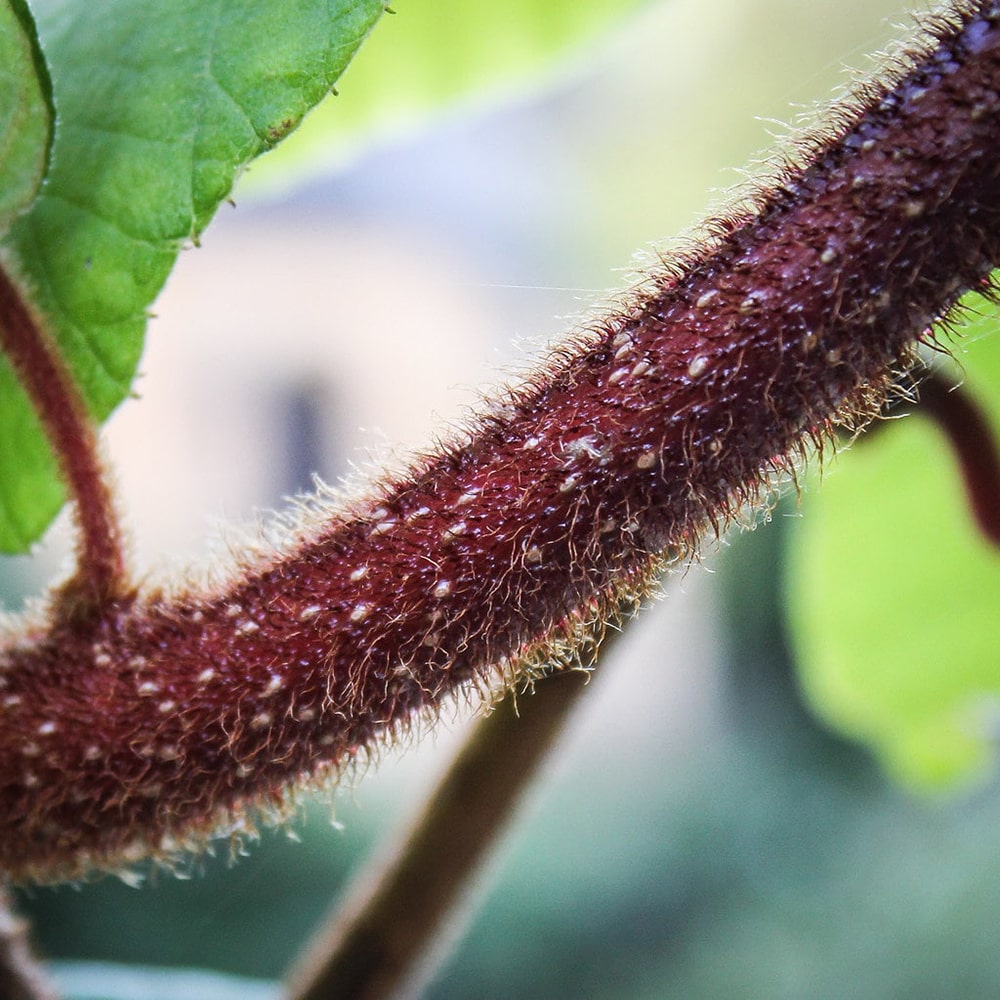
This plant possesses a robust taproot and/or hairy stems. During the winter and early spring, its root system develops rapidly, often extending over three feet deep. The stems are upright, slender, and branching, with the potential to grow up to three feet tall.
The leaves of Yellow Star Thistle are arranged alternately and form a basal rosette of deeply lobed, petiolate leaves that are hairy when young, reaching widths of up to six inches before tapering to a short stalk. This rosette typically wilts by the time the plant begins to flower. All leaves are devoid of teeth and covered in woolly hairs, giving them a gray-green appearance. As the leaves ascend the stem, they become smaller, linear-oblong, and undivided, with their bases extending down the stem to create “wings.” These wings can be wavy and may have either jagged or smooth edges.
Yellow Star Thistle prefers well-drained soil of any type and pH, thriving even in nutritionally poor or highly alkaline conditions. It is drought-tolerant but cannot thrive in shaded areas.
The genus name is derived from the common names of various plants used in the late 14th century, tracing back to Medieval Latin "centaurea," Latin "centaureum," and Greek "kentaureion," which references the centaur Chiron, who was known for discovering the plant's medicinal properties. The specific epithet refers to the longest day of the year, highlighting the plant's ability to bloom late into the summer.
To manage Yellow Star Thistle in small areas before it bolts, hand-pulling is effective. Grazing by sheep, goats, or cattle can significantly reduce seed production if done after the plants have bolted but before the spines develop. Goats are particularly adept at consuming Yellow Star Thistle, even in its spiny phase. However, when horses ingest this plant, it can impair their ability to chew and swallow, leading to starvation or dehydration.
**Quick Identification**
Centaurea solstitialis Feature Summary
Centaurea solstitialis Image Gallery