Toxicodendron radicans: Country Or Region Of Origin
Southern Canada, North America to Central America, Central China
Phonetic Spelling:toks-ee-ko-DEN-dron RAD-ee-kans
Genus:Toxicodendron
Species:radicans
Family:Anacardiaceae
Toxicodendron radicans, commonly known as Poison Ivy, is a notorious weed that many people wish to avoid. The adage “Leaflets three, let it be” serves as a helpful reminder.
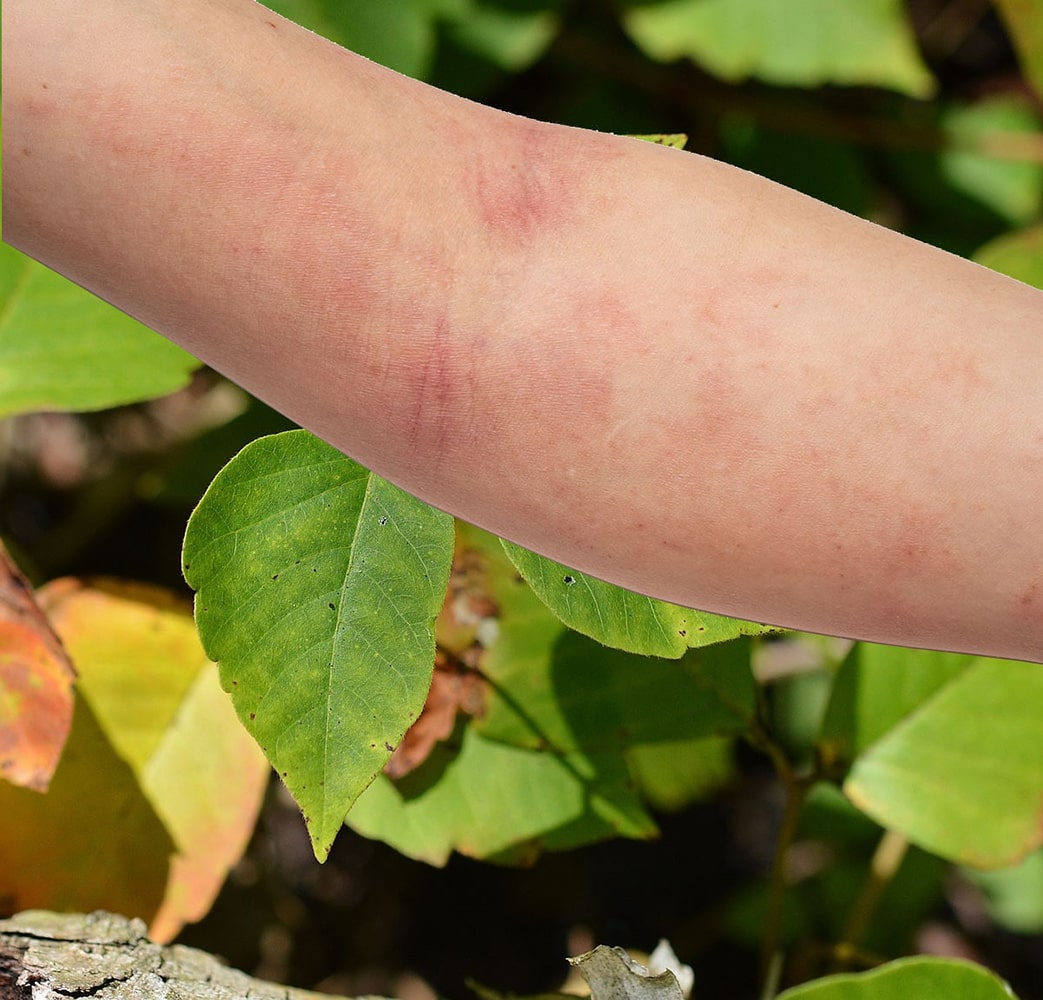
This plant is indigenous to the entire United States and much of southern Canada, thriving in diverse environments such as dry or wet woodlands, thickets, valleys, clearings, along fences, roadsides, and in disturbed areas. It can manifest as a bushy, upright, or trailing shrub in sunny spots, or as a woody vine that climbs. The climbing varieties feature aerial rootlets. Every part of the Poison Ivy plant contains a toxic oil called urushiol, which can lead to severe and persistent skin irritations (allergic dermatitis) in most individuals. Exposure can occur through direct contact with the plant, indirect contact (such as via pets, tools, or footwear), or by inhaling smoke from burning plant material. Interestingly, some people appear to have immunity to its effects.
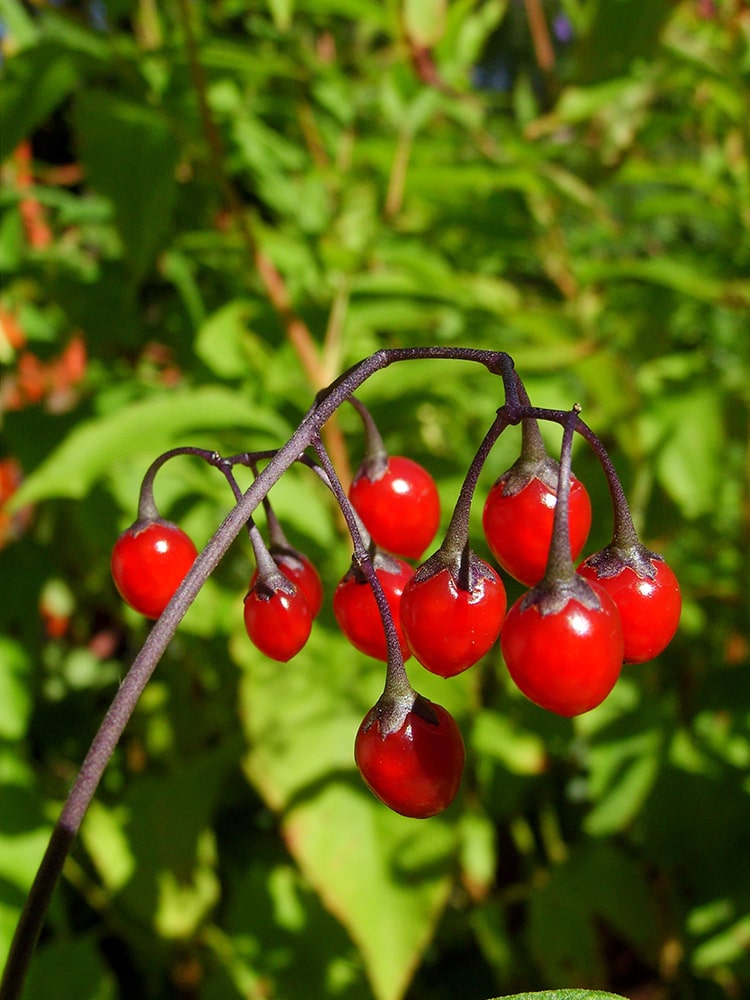
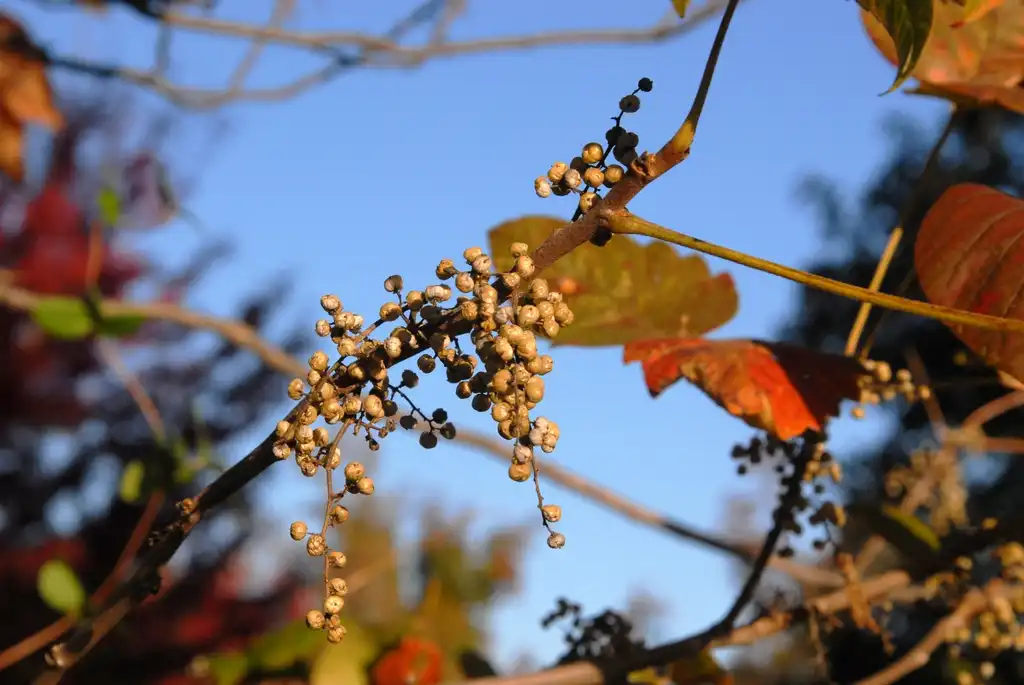
When it grows as a shrub, Poison Ivy can reach heights of up to 6 feet, while its vine form can extend between 60 to 150 feet, climbing trees, walls, and fences or sprawling along the ground. Various wildlife, including birds, reptiles, deer, and amphibians, consume the plant and its berries, and they also use it for shelter. Additionally, a range of insects, from beetles to flies, bees, wasps, ants, and butterflies, feed on its flowers. Given its ecological benefits, it can be left undisturbed in areas with minimal human presence.
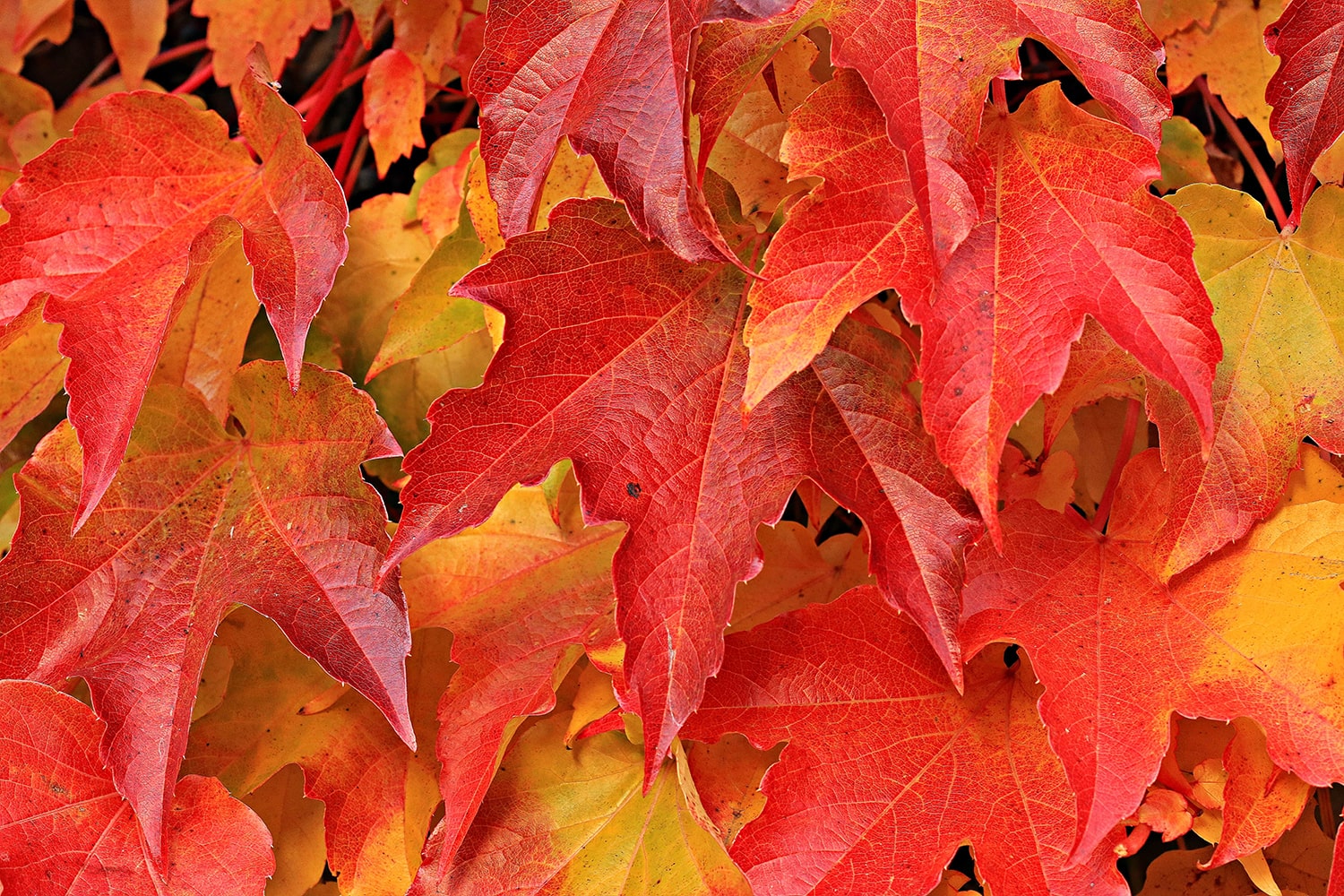
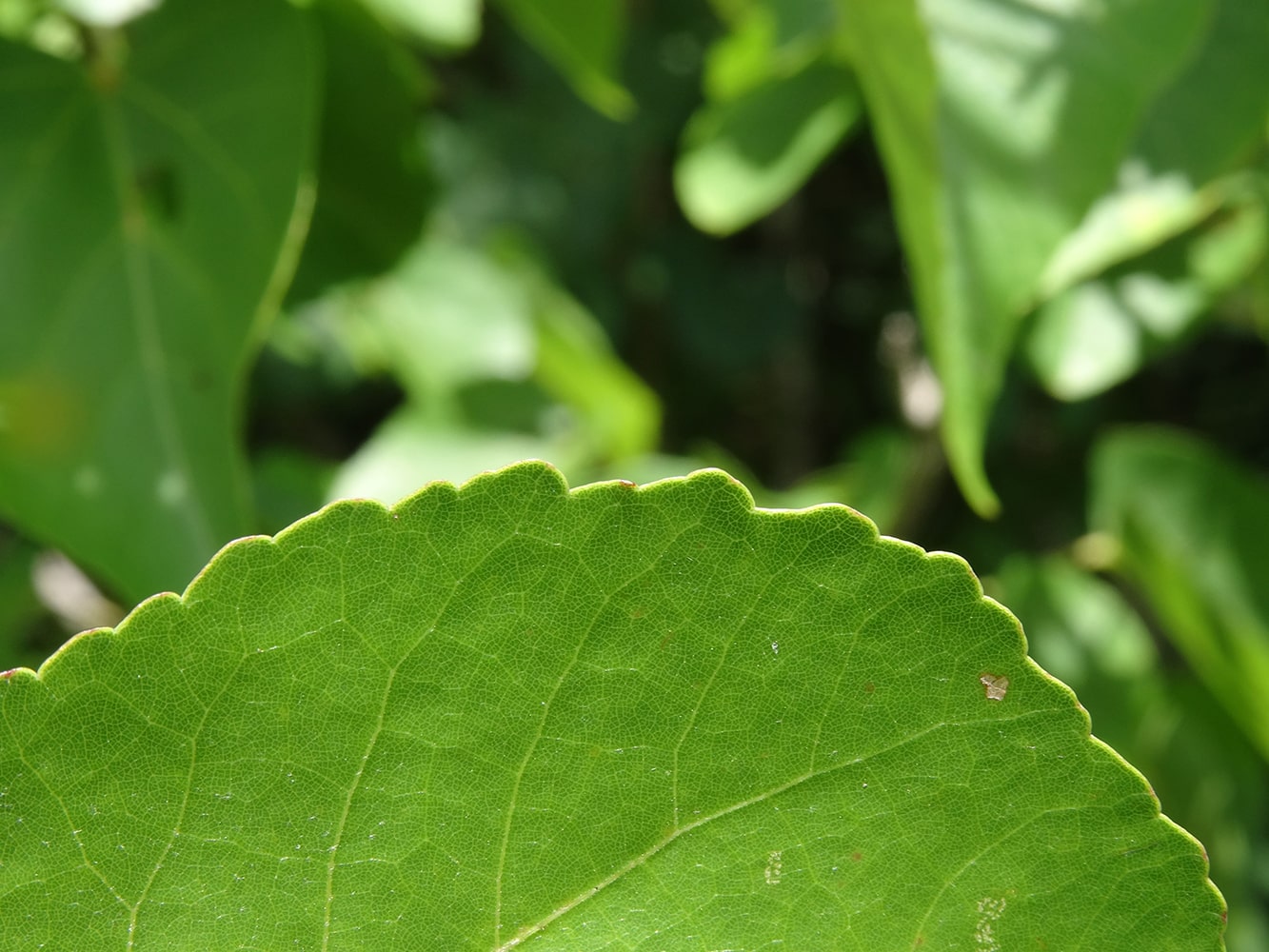
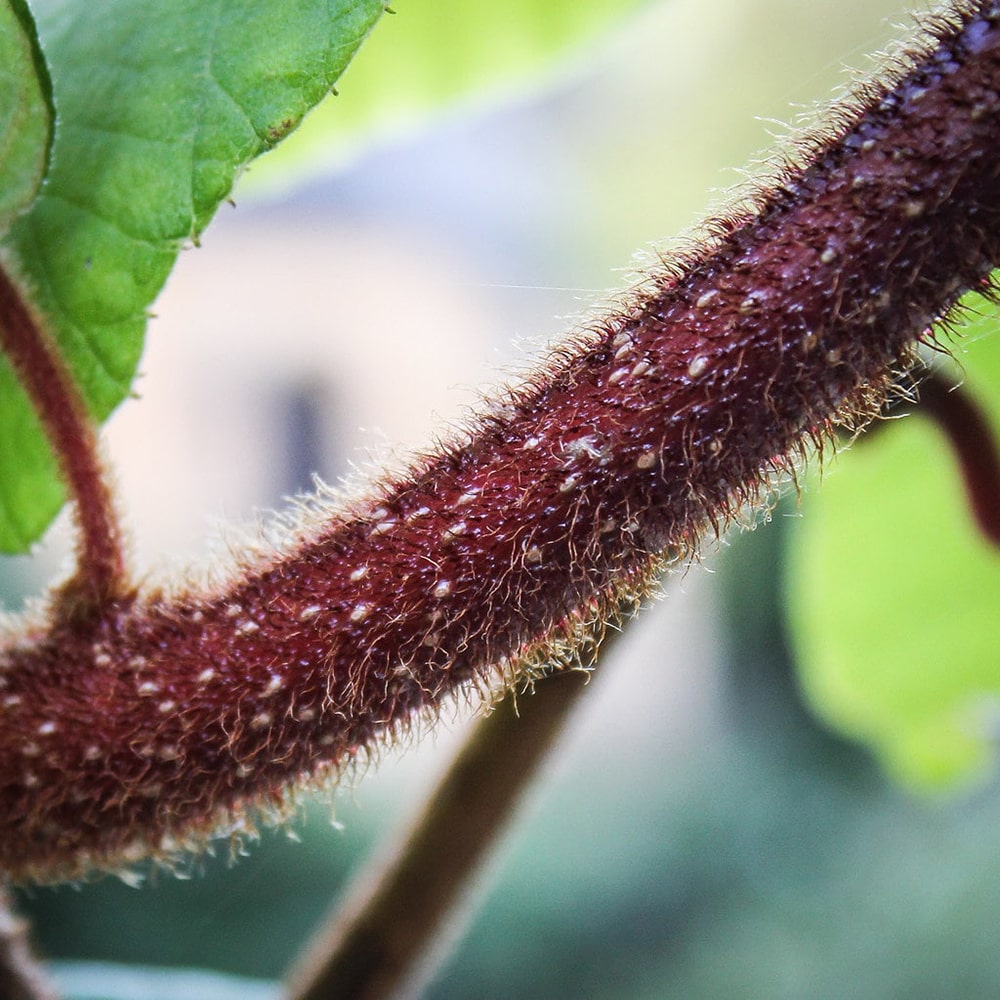
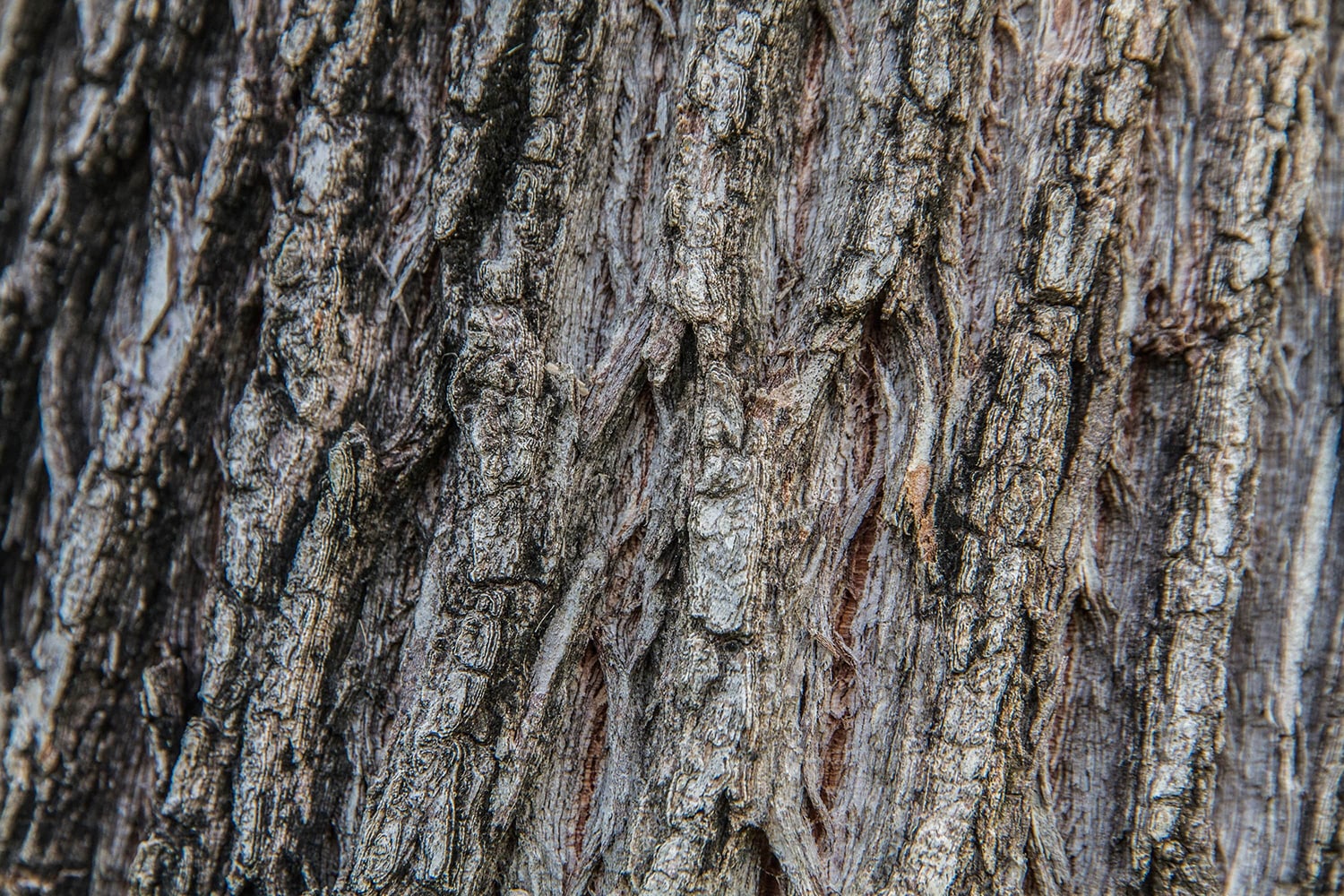
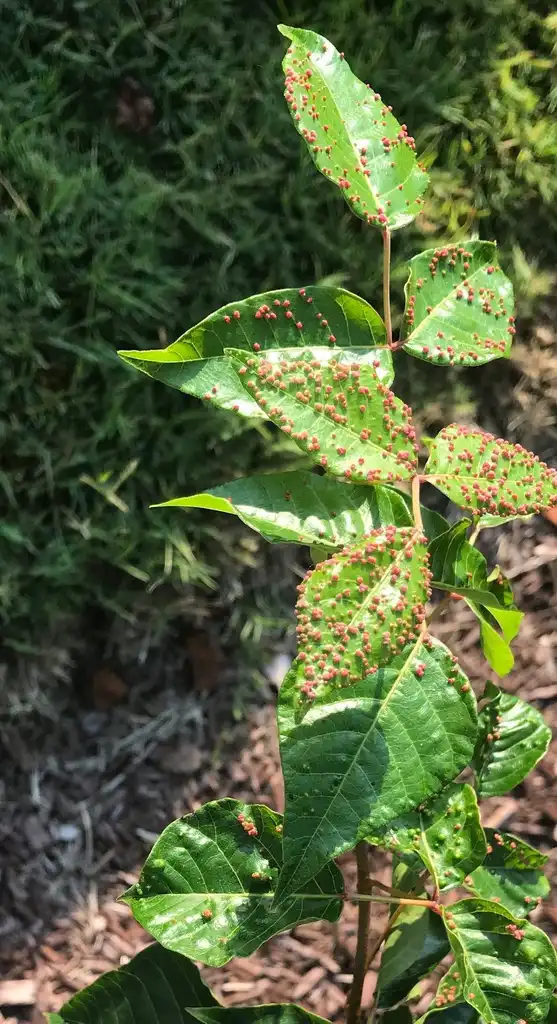
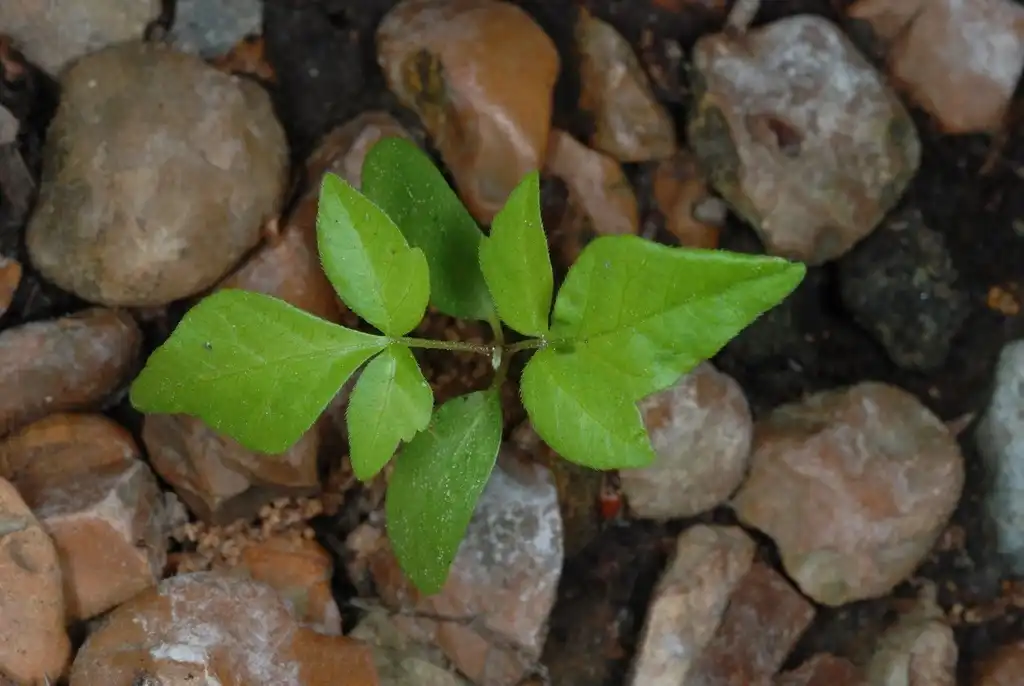
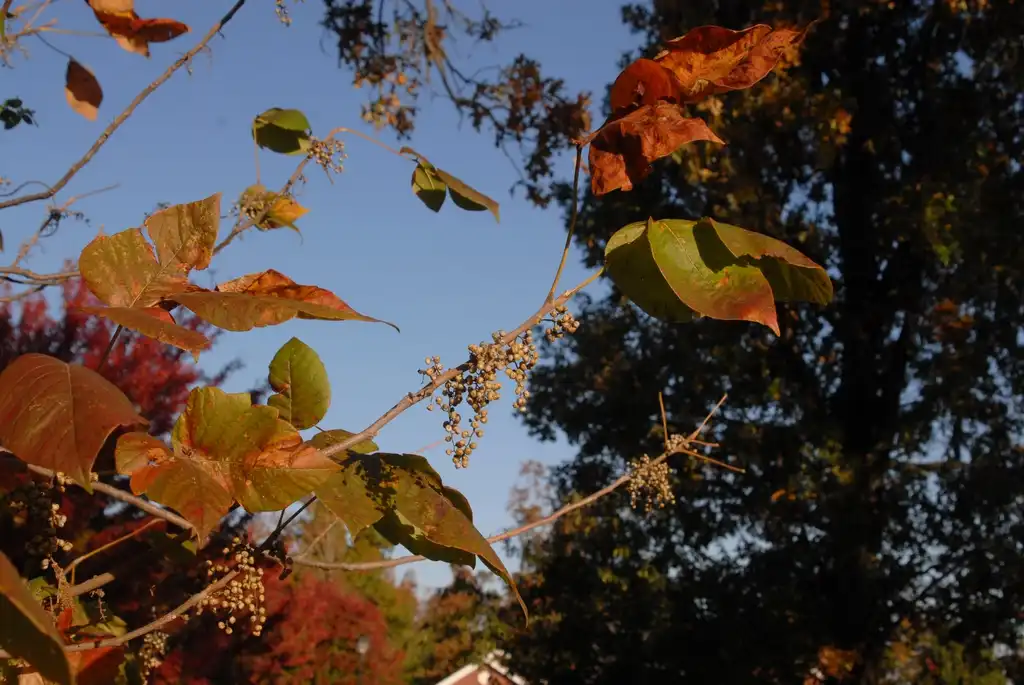
The leaves of Poison Ivy are characterized by three compound leaflets, a distinguishing feature that sets it apart from other similar native vines. The central leaflet is typically longer than the two outer ones. Describing the leaflets can be challenging due to their varying shapes and sizes, which can range from smooth and rounded to serrated or shallowly lobed edges, but they consistently appear in groups of three. The leaves are glossy and bright green, transforming into a striking red or reddish-yellow in the fall. The bark is dark gray and densely covered with aerial roots.
To eliminate Poison Ivy, one can use mechanical methods, such as repeated mowing or manually pulling it out while wearing gloves, or apply specific herbicides to freshly cut stumps, though herbicides should be considered a last resort.
Caution is essential when dealing with Poison Ivy: avoid touching any part of the plant, as all its components contain volatile oils that can cause significant skin irritation upon direct or indirect contact. Burning the plant material is also inadvisable, as inhaling smoke from it can be just as harmful as physical contact with the plant itself, and may pose even greater risks to health.
Toxicodendron radicans Feature Summary
Toxicodendron radicans Image Gallery