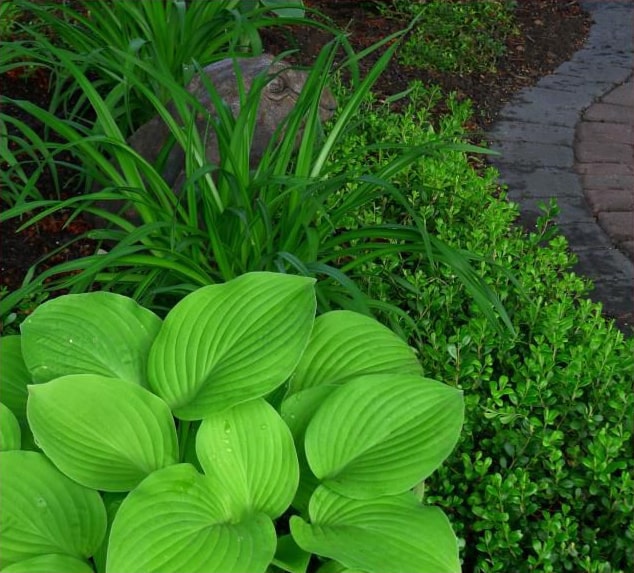
Plant Profile: Cephalotaxus harringtonia 'Duke Gardens'

Names

Duke Gardens Yew

  • Photo of Cephalotaxus harringtonia 'Duke Gardens' (Cephalotaxus harringtonia 'Duke Gardens's)

Phonetic Spelling:sef-ah-loh-TAKS-us har-ring-TOH-nee-ah

Genus:Cephalotaxus

Species:harringtonia

Family:Taxaceae

Often referred to as Plum Yew, Cephalotaxus harringtonia is a dioecious evergreen conifer native to the shaded woodlands of northeastern Asia. This species thrives in well-drained soils and prefers partial to full shade, typically reaching heights and widths of 2 to 4 feet. Once established, it demonstrates drought and heat tolerance, although it does not fare well in windy conditions. Notably, this shrub is highly resistant to damage from deer.

The name "Cephalotaxus" is derived from the Greek words "kephale," meaning 'head,' and "Taxus," meaning 'yew.' The specific epithet "harringtonia" honors the Earl of Harrington, an early enthusiast of the species in the early 19th century. The 'Duke Gardens' variety, discovered at Duke Gardens in Durham, North Carolina, is particularly recognized for its compact growth.

This plant produces fruit resembling plums, which are edible, contributing to its common name, 'Plum Yew.' However, as a dioecious species, it requires the presence of a male plant for the female plants to bear fruit.

For further details on Cephalotaxus harringtonia, additional resources are available.

Cephalotaxus harringtonia 'Duke Gardens' Feature Summary

Cephalotaxus harringtonia 'Duke Gardens' Image Gallery
Tags

#evergreen
#shrub
#slow growing
#shade shrub
#shade garden
#asian
#deer resistant
#dioecious
#plum yew
#edible fruits
#exotic looking
#compact habit
#fruits

Similar Plants

Cephalotaxus harringtonia 'Duke Gardens' Feature Summary

Attributes
Edible fleshy fruit that resemble plums
Fruit
A confier that does not bear cones but fleshy seeds that resemble a berry only on female plants.
Flowers
Male and female flowers on separate plants.
Leaves
1-2.5 in. glossy, dark green leaves; aromatic fragrance
Needles
1-3 inches
Whole Plant Traits
Arching
Rounded
Oval
Medium
Cultural Conditions
Full sun (6 or more hours of direct sunlight a day)
Partial Shade (Direct sunlight only part of the day, 2-6 hours)
Good Drainage
Moist
Occasionally Dry
Coastal
Mountains
Piedmont
Landscape

Cephalotaxus harringtonia 'Duke Gardens' Attributes

Cephalotaxus harringtonia 'Duke Gardens': Particularly Resistant To (Insects/Diseases/Other Problems)

Deer browsing

Cephalotaxus harringtonia 'Duke Gardens': Edibility

Edible fleshy fruit that resemble plums

Cephalotaxus harringtonia 'Duke Gardens': Life Cycle

Annual
Biennial
Bulb
Perennial
Woody

Cephalotaxus harringtonia 'Duke Gardens' Fruit

Cephalotaxus harringtonia 'Duke Gardens': Fruit Description

A confier that does not bear cones but fleshy seeds that resemble a berry only on female plants.

Cephalotaxus harringtonia 'Duke Gardens' Flowers

Cephalotaxus harringtonia 'Duke Gardens': Flower Description

Male and female flowers on separate plants.

Cephalotaxus harringtonia 'Duke Gardens' Leaves

Cephalotaxus harringtonia 'Duke Gardens': Leaf Description

1-2.5 in. glossy, dark green leaves; aromatic fragrance

Cephalotaxus harringtonia 'Duke Gardens': Woody Plant Leaf Characteristics

Broadleaf Evergreen
Deciduous
Needled Evergreen
Semi-evergreen

Cephalotaxus harringtonia 'Duke Gardens': Leaf Color

spa
Green

Cephalotaxus harringtonia 'Duke Gardens': Leaf Type

Compound (Pinnately , Bipinnately, Palmately)
Fronds
Needles
Sheath
Simple

Cephalotaxus harringtonia 'Duke Gardens': Hairs Present

No
Yes

Cephalotaxus harringtonia 'Duke Gardens': Leaf Length

< 1 inch
1-3 inches
3-6 inches
> 6 inches

Cephalotaxus harringtonia 'Duke Gardens': Leaf Feel

Fleshy
Glossy
Leathery
Papery
Prickly
Rough
Rubbery
Slippery
Smooth
Soft
Velvety
Waxy

Cephalotaxus harringtonia 'Duke Gardens': Leaf Value To Gardener

Edible
Fragrant
Good Cut
Good Dried
Long-lasting
Showy

Cephalotaxus harringtonia 'Duke Gardens' Whole Plant Traits

Cephalotaxus harringtonia 'Duke Gardens': Plant Type

Annual
Bulb
Carnivorous
Edible
Epiphyte
Fern
Ground Cover
Herb
Herbaceous Perennial
Houseplant
Mushroom
Native Plant
Ornamental Grasses and Sedges
Perennial
Poisonous
Rose
Shrub
Succulent
Tree
Turfgrass
Vegetable
Vine
Water Plant
Weed
Wildflower

Cephalotaxus harringtonia 'Duke Gardens': Woody Plant Leaf Characteristics

Broadleaf Evergreen
Deciduous
Needled Evergreen
Semi-evergreen

Cephalotaxus harringtonia 'Duke Gardens': Habit/Form

Arching
Ascending
Broad
Cascading
Climbing
Clumping
Columnar
Conical
Creeping
Dense
Erect
Horizontal
Irregular
Mounding
Multi-stemmed
Multi-trunked
Open
Oval
Prostrate
Pyramidal
Rounded
Spreading
Vase
Weeping

Cephalotaxus harringtonia 'Duke Gardens': Growth Rate

Slow
Medium
Rapid

Cephalotaxus harringtonia 'Duke Gardens': Texture

Fine
Medium
Coarse

Cephalotaxus harringtonia 'Duke Gardens' Cultural Conditions

Cephalotaxus harringtonia 'Duke Gardens': Light

Dappled Sunlight (Shade through upper canopy all day)
Deep shade (Less than 2 hours to no direct sunlight)
Full sun (6 or more hours of direct sunlight a day)
Partial Shade (Direct sunlight only part of the day, 2-6 hours)

Cephalotaxus harringtonia 'Duke Gardens': Soil Drainage

Frequent Standing Water
Good Drainage
Moist
Occasional Flooding
Occasionally Dry
Occasionally Wet
Very Dry

Cephalotaxus harringtonia 'Duke Gardens': NC Region

Coastal
Mountains
Piedmont

Cephalotaxus harringtonia 'Duke Gardens': USDA Plant Hardiness Zone

thermostat
6a
thermostat
6b
thermostat
7a
thermostat
7b
thermostat
8a
thermostat
8b
thermostat
9a
thermostat
9b

Cephalotaxus harringtonia 'Duke Gardens' Stem

Cephalotaxus harringtonia 'Duke Gardens': Stem Is Aromatic

No
Yes

Cephalotaxus harringtonia 'Duke Gardens' Landscape

Cephalotaxus harringtonia 'Duke Gardens': Resistance To Challenges

Black Walnut
Compaction
Deer
Diseases
Drought
Dry Soil
Erosion
Fire
Foot Traffic
Heat
Heavy Shade
Humidity
Insect Pests
Pollution
Poor Soil
Rabbits
Salt
Slugs
Squirrels
Storm damage
Urban Conditions
Voles
Wet Soil
Wind