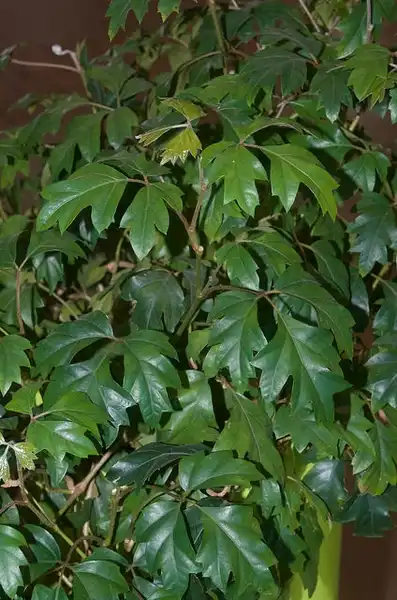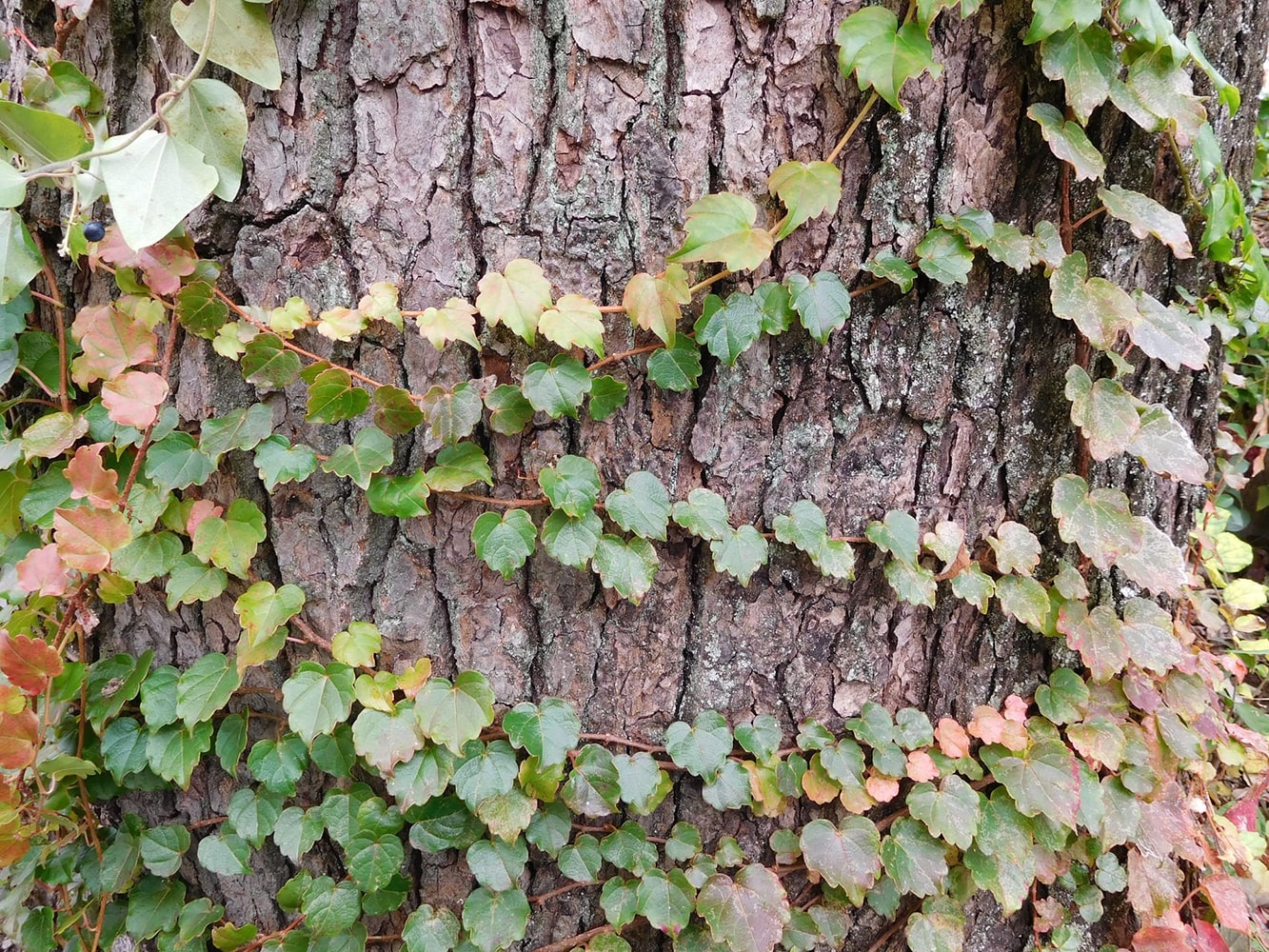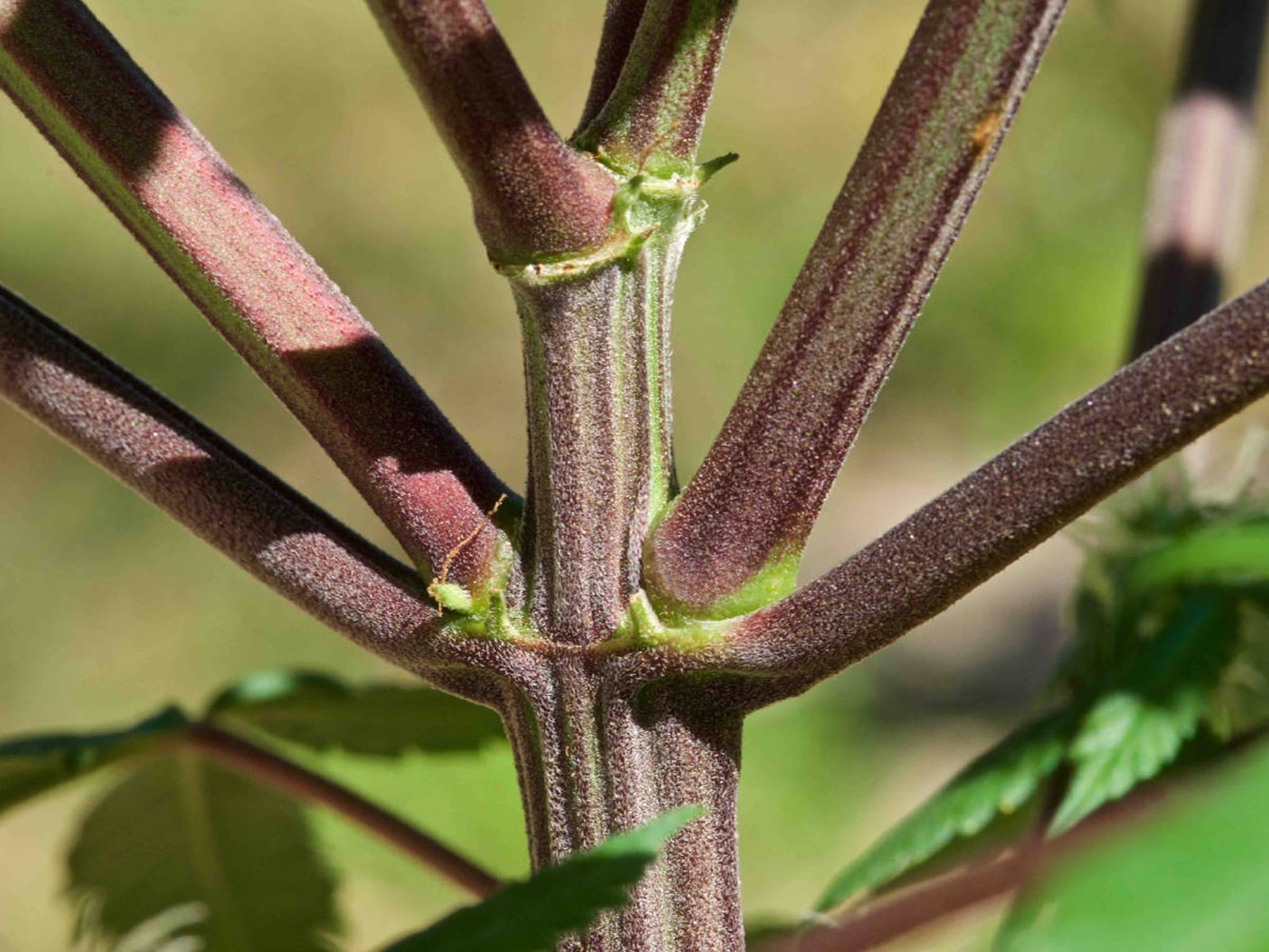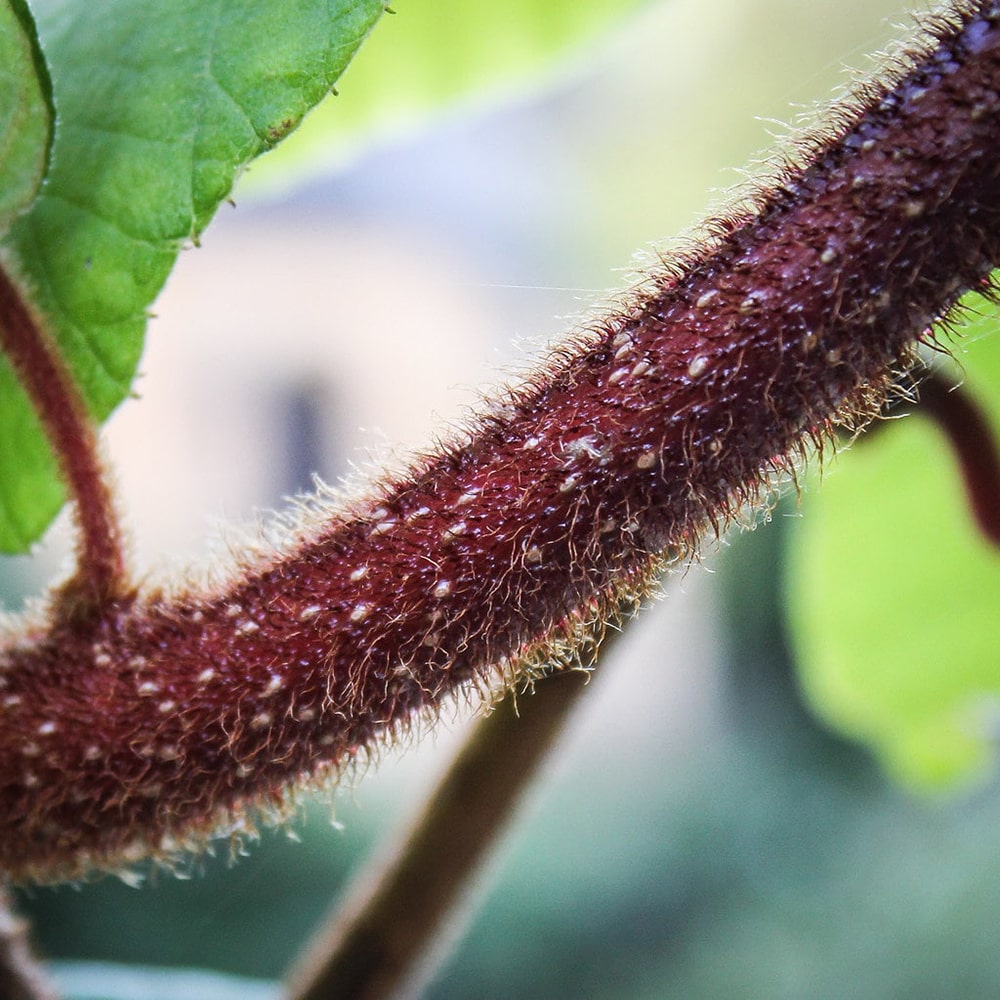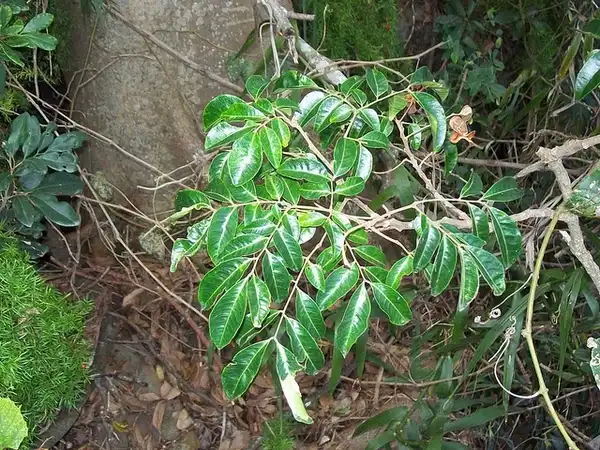
• Photo of Cissus antarctica (Cissus antarcticas)

Plant Profile: Cissus antarctica

Taxonomy: Cissus antarctica

Names

Kangaroo Vine

  • Photo of Cissus antarctica (Cissus antarcticas)

Phonetic Spelling:SIS-us an-tarc-tic-ah

Genus:Cissus

Species:antarctica

Family:Vitaceae

Kangaroo vine is a favored indoor plant that thrives in a range of lighting conditions, from bright to low light, and is particularly suited for hanging baskets. It can reach heights of 7 to 10 feet when grown indoors and features a light, airy appearance. It's essential to use pots with excellent drainage to support its growth.

For optimal results, plant it in a quality potting mix and regularly pinch back the leaves to encourage a fuller, bushier shape. Be cautious, as the leaves may turn brown and fall off if the plant is exposed to drafts or positioned near heating vents. Once the kangaroo vine is settled in its spot, it prefers to remain undisturbed, as it does not adapt well to changes in its environment. You can either let it cascade as a hanging plant or train it to climb a trellis.

Cissus antarctica Feature Summary

Cissus antarctica Image Gallery

Tags

#evergreen
#houseplant
#green
#climbing
#tendrils
#year-round interest
#hanging baskets
#spreading
#vines
#groundcover

Similar Plants

Cissus antarctica Feature Summary

Fruit
Small blue-black round berries form if the plant blooms.
Black
Blue
Flowers
Small, insignificant, may not bloom indoors.
Gold/Yellow
Green
Insignificant
Cyme
4-5 petals/rays
< 1 inch
Leaves
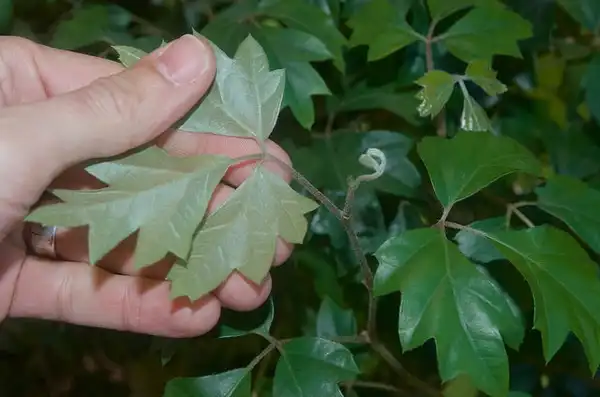
Leathery, glossy, toothed, dark green leaves (up to 4 inches long) with toothed edges and short, reddish leaf stalks.
3-6 inches
Leathery
Stem
Smooth green stems
Brown/Copper
Green
Red/Burgundy
Gold/Yellow
Whole Plant Traits
Vine
Houseplant
Ground Cover
Spreading
Horizontal
Tendrils
Cultural Conditions
Partial Shade (Direct sunlight only part of the day, 2-6 hours)
Dappled Sunlight (Shade through upper canopy all day)
Deep shade (Less than 2 hours to no direct sunlight)
Good Drainage
Landscape
Container
Houseplants
Hanging Baskets

Cissus antarctica Attributes

Cissus antarctica: Country Or Region Of Origin

Eastern Australia
Cissus antarctica: Life Cycle

Annual
Biennial
Bulb
Perennial
Woody

Cissus antarctica: Recommended Propagation Strategy

Division
Grafting
Layering
Leaf Cutting
Root Cutting
Seed
Stem Cutting

Cissus antarctica: Climbing Method

Clinging
Scrambler
Tendrils
Twining

Cissus antarctica Fruit

Cissus antarctica: Fruit Description

Small blue-black round berries form if the plant blooms.

Cissus antarctica: Fruit Type

Achene
Aggregate
Berry
Capsule
Caryopsis
Drupe
Follicle
Legume
Nut
Pome
Samara
Schizocarp
Siliqua

Cissus antarctica: Fruit Color

grass
Black
grass
Blue

Cissus antarctica: Fruit Value To Gardener

Edible
Fragrant
Good Cut
Good Dried
Long Bloom Season
Long-lasting
Showy

Cissus antarctica Flowers

Cissus antarctica: Flower Description

Small, insignificant, may not bloom indoors.

Cissus antarctica: Flower Color

filter_vintage
Gold/Yellow
filter_vintage
Green

Cissus antarctica: Flower Inflorescence

Catkin
Corymb
Cyme
Head
Insignificant
Panicle
Raceme
Solitary
Spadix
Spike
Umbel

Cissus antarctica: Flower Petals

2-3 rays/petals
4-5 petals/rays
6 petals/rays
7 - 20 petals/rays
asymmetrical petals
Bracts
Colored Sepals
fused petals
more than 20 petals/rays
Tepals

Cissus antarctica: Flower Size

1-3 inches
3-6 inches
< 1 inch
> 6 inches

Cissus antarctica Leaves

Cissus antarctica: Leaf Description

Leathery, glossy, toothed, dark green leaves (up to 4 inches long) with toothed edges and short, reddish leaf stalks.

Cissus antarctica: Leaf Color

spa
Green

Cissus antarctica: Leaf Type

Compound (Pinnately , Bipinnately, Palmately)
Fronds
Needles
Sheath
Simple

Cissus antarctica: Leaf Shape

Acicular
Auriculate
Cordate
Cuneate
Deltoid
Elliptical
Filiform
Lanceolate
Linear
Oblanceolate
Oblong
Obovate
Obtuse
Orbicular
Ovate
Palmasect
Palmatifid
Peltate
Pinnatifid
Pinnatisect
Reniform
Rhomboidal
Spatulate
Subcordate
Subulate

Cissus antarctica: Leaf Margin

Crenate
Crenulate
Dentate
Denticulate
Doubly Crenate
Doubly Dentate
Doubly Serrate
Entire
Lobed
Serrate
Sinuate
Undulate

Cissus antarctica: Hairs Present

No
Yes

Cissus antarctica: Leaf Length

< 1 inch
1-3 inches
3-6 inches
> 6 inches

Cissus antarctica: Leaf Feel

Fleshy
Glossy
Leathery
Papery
Prickly
Rough
Rubbery
Slippery
Smooth
Soft
Velvety
Waxy

Cissus antarctica Stem

Cissus antarctica: Stem Description

Smooth green stems

Cissus antarctica: Stem Color

grass
Brown/Copper
grass
Gold/Yellow
grass
Green
grass
Red/Burgundy

Cissus antarctica: Stem Is Aromatic

No
Yes

Cissus antarctica Whole Plant Traits

Cissus antarctica: Plant Type

Annual
Bulb
Carnivorous
Edible
Epiphyte
Fern
Ground Cover
Herb
Herbaceous Perennial
Houseplant
Mushroom
Native Plant
Ornamental Grasses and Sedges
Perennial
Poisonous
Rose
Shrub
Succulent
Tree
Turfgrass
Vegetable
Vine
Water Plant
Weed
Wildflower

Cissus antarctica: Habit/Form

Arching
Ascending
Broad
Cascading
Climbing
Clumping
Columnar
Conical
Creeping
Dense
Erect
Horizontal
Irregular
Mounding
Multi-stemmed
Multi-trunked
Open
Oval
Prostrate
Pyramidal
Rounded
Spreading
Vase
Weeping

Cissus antarctica: Growth Rate

Slow
Medium
Rapid

Cissus antarctica: Maintenance

Low
Medium
High

Cissus antarctica: Appendage

Prickles
Spines
Tendrils
Thorns

Cissus antarctica Cultural Conditions

Cissus antarctica: Light

Dappled Sunlight (Shade through upper canopy all day)
Deep shade (Less than 2 hours to no direct sunlight)
Full sun (6 or more hours of direct sunlight a day)
Partial Shade (Direct sunlight only part of the day, 2-6 hours)

Cissus antarctica: Soil Drainage

Frequent Standing Water
Good Drainage
Moist
Occasional Flooding
Occasionally Dry
Occasionally Wet
Very Dry

Cissus antarctica: USDA Plant Hardiness Zone

thermostat
10a
thermostat
10b
thermostat
11a
thermostat
11b

Cissus antarctica Landscape

Cissus antarctica: Landscape Location

Coastal
Container
Hanging Baskets
Houseplants
Lawn
Meadow
Naturalized Area
Near Septic
Patio
Pond
Pool/Hardscape
Recreational Play Area
Riparian
Rock Wall
Slope/Bank
Small Space
Vertical Spaces
Walkways
Woodland