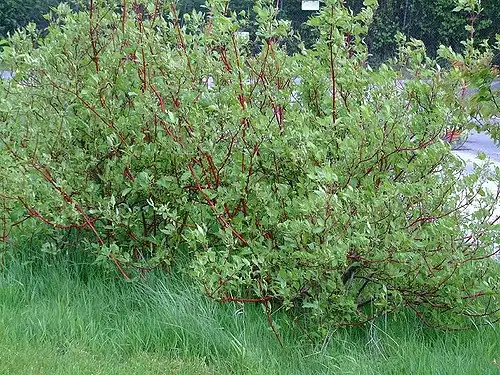
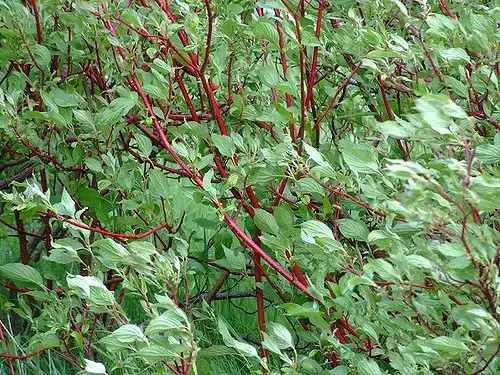
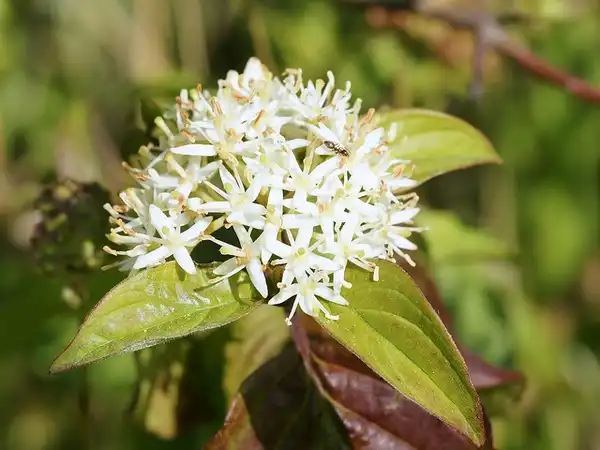
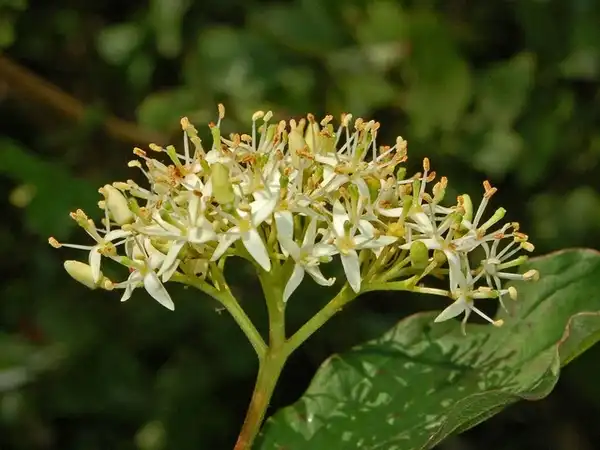
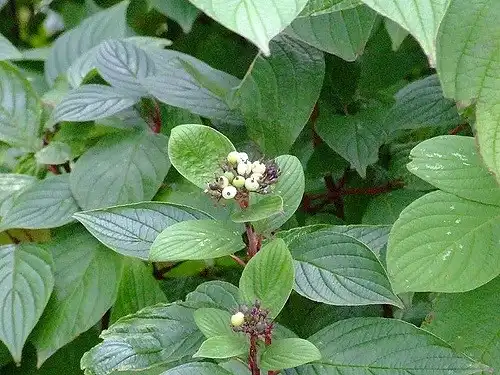
• Photo of Cornus sanguinea (Cornus sanguineas)

Plant Profile: Cornus sanguinea

Taxonomy: Cornus sanguinea

Names

Bloodtwig Dogwood

  • Photo of Cornus sanguinea (Cornus sanguineas)

Phonetic Spelling:KOR-nus san-GWIN-ee-ah

Genus:Cornus

Species:sanguinea

Family:Cornaceae

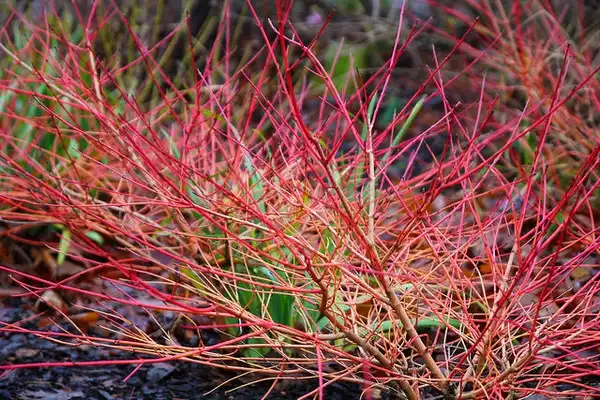
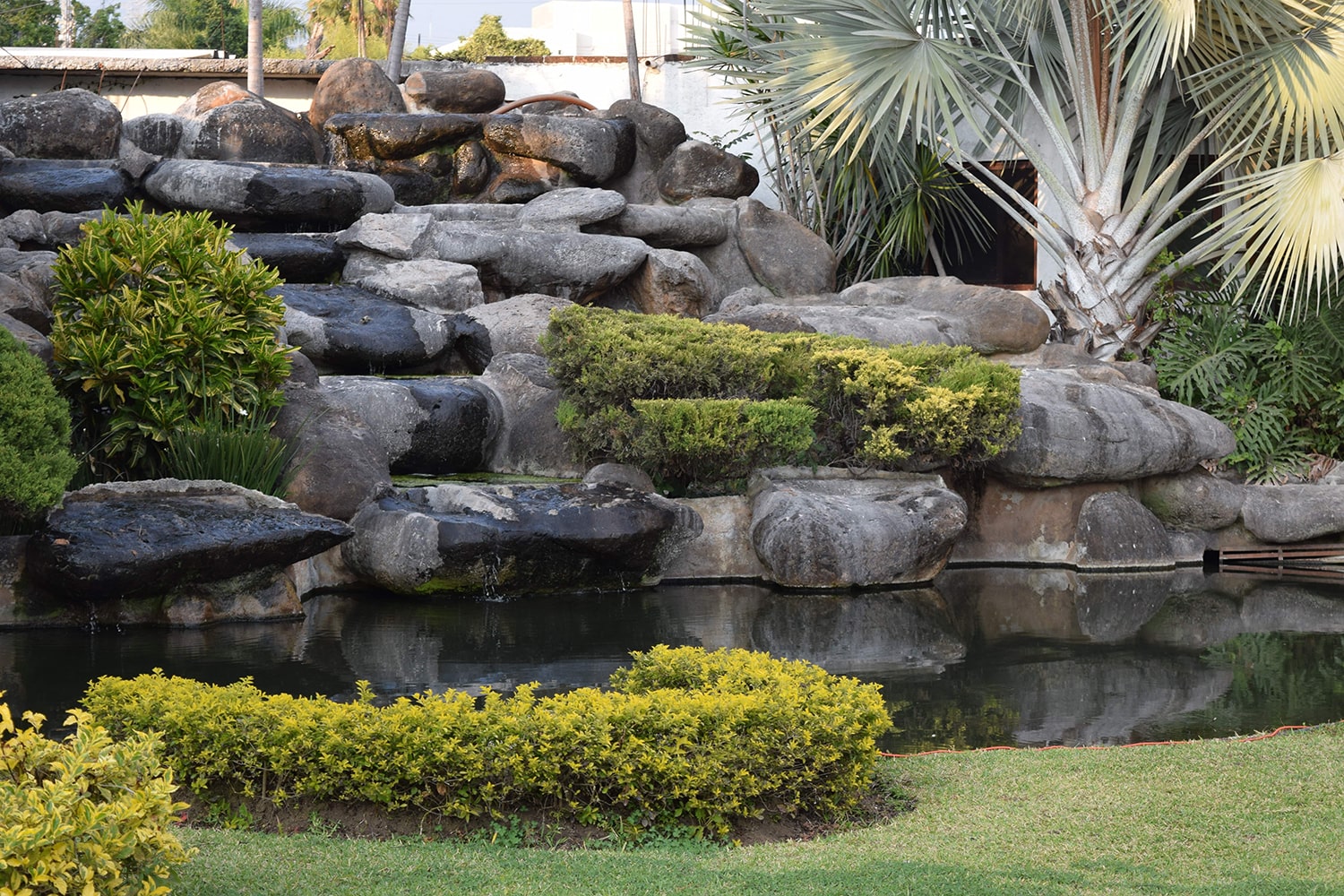
This plant readily produces suckers, allowing it to establish a dense, multi-stemmed colony. While it may not be ideal as a standalone specimen, it thrives in mass plantings. Its fibrous root system makes it easy to transplant, and it adapts well to various soil types, although it prefers well-drained soil in partial shade. The striking red twigs add visual interest during the winter months.

**Seasons of Interest:**
- **Foliage:** Fall
- **Bloom:** Early Summer
- **Fruit:** Summer to Fall, featuring red berries
- **Twigs:** Winter

**Insects, Diseases, and Other Issues:**
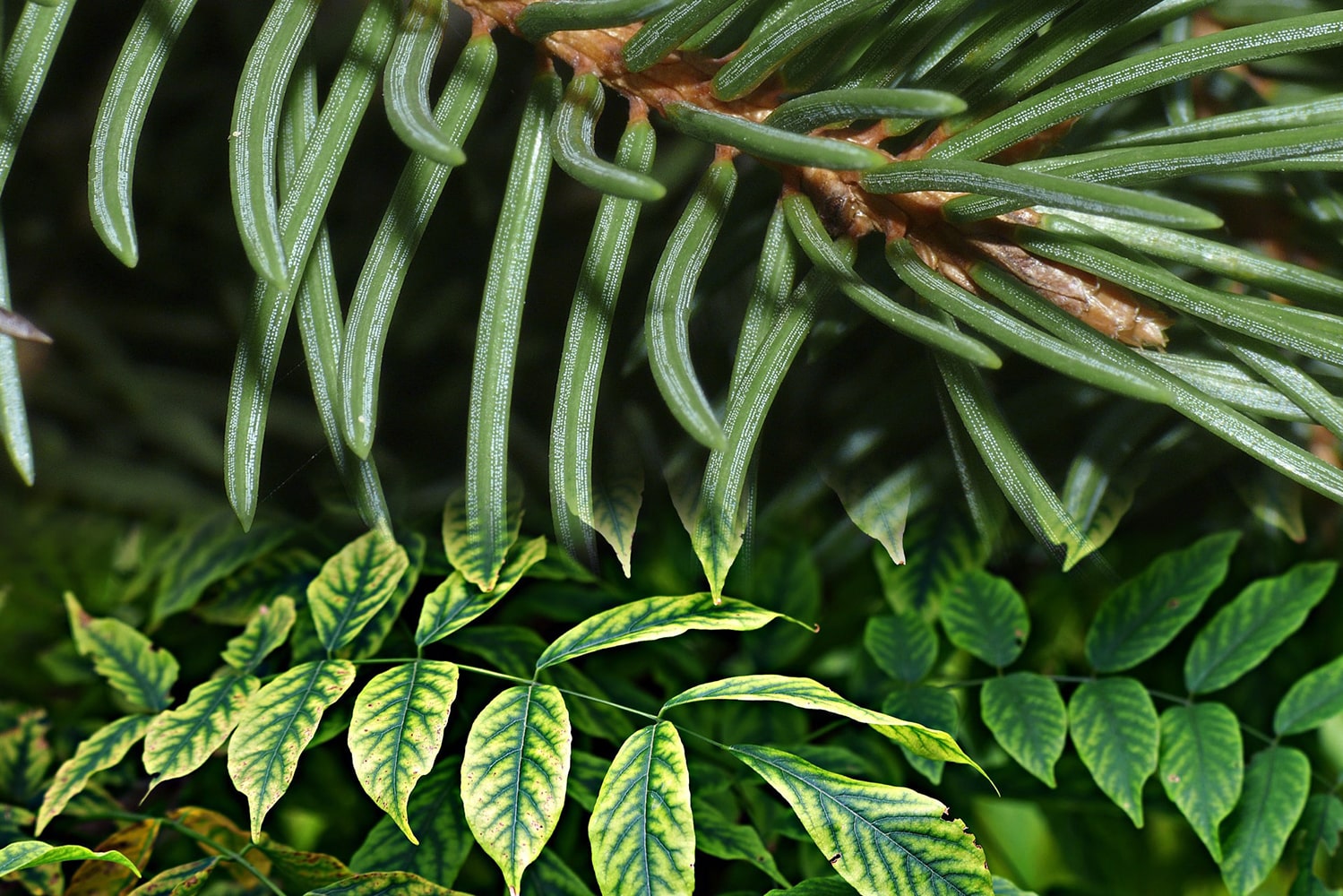
The flowering dogwood is prone to numerous diseases, particularly when under stress, with dogwood anthracnose being the most severe. This disease has significantly impacted areas in the eastern United States. Additionally, the plant can suffer from powdery mildew, leaf spot, canker, root rot, and blight affecting leaves and twigs. Stressed trees may also attract borers, while leaf miners and scale pose less serious threats. Furthermore, white-tailed deer may browse on the foliage.

Cornus sanguinea Feature Summary

Cornus sanguinea Image Gallery

Tags

#deciduous
#fall color
#small tree
#wildlife plant
#nectar plant
#cover plant
#winter interest
#mass planting
#showy stems
#hedges
#specialized bees
#privacy
#thickets
#screening
#pollinator plant
#suckers
#nesting sites
#bird friendly
#bee friendly
#shrub borders

Similar Plants

Cornus sanguinea Feature Summary

Attributes
Fruits are attractive to birds and plants provide nesting sites.  Members of the genus Cornus support the following specialized bees: Andrena (Gonandrena) fragilis, Andrena (Gonandrena) integra, and Andrena (Gonandrena) platyparia.
Flowers
Dull white flowers in May to early June; flat-topped cyme; 0.25-in. purplish-black fruit in fall
White
Gold/Yellow
Cream/Tan
Spring
Summer
Leaves
Dull, dark green leaves; 1.5-3 in. long; blood-red to greenish-purple fall color; sun-exposed stem color is red
Green
Gold/Yellow
Purple/Lavender
Stem
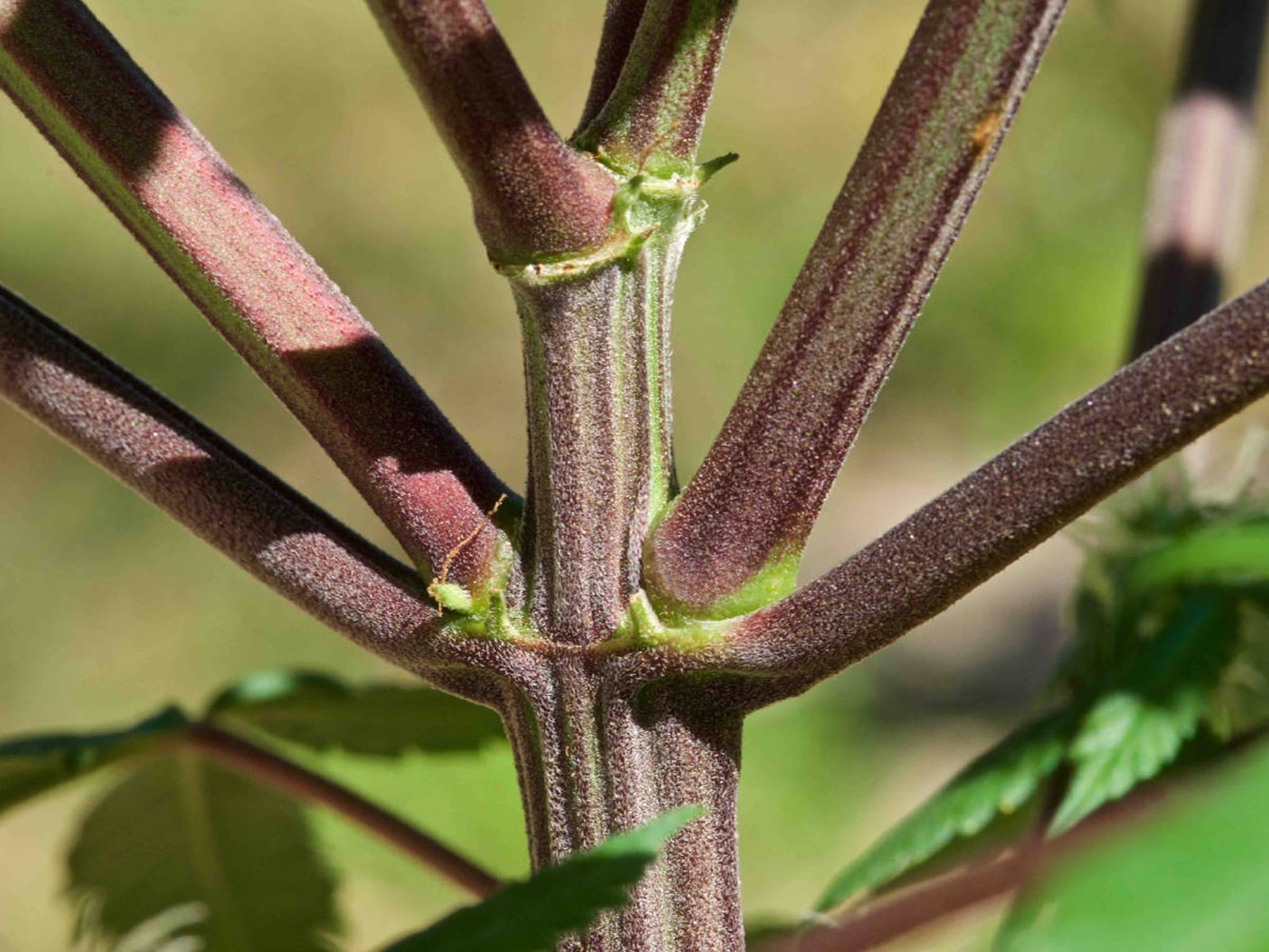
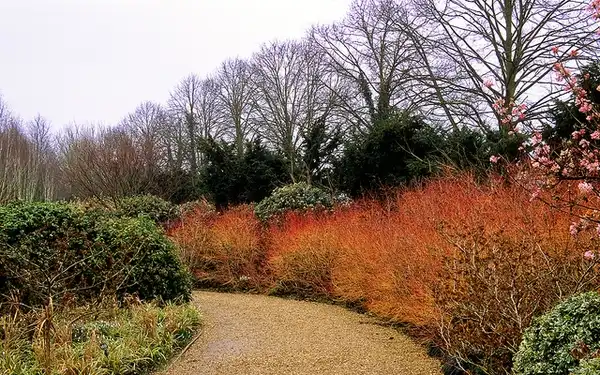
Showy red stems provide winter interest.
Brown/Copper
Red/Burgundy
Whole Plant Traits
Cultural Conditions
Partial Shade (Direct sunlight only part of the day, 2-6 hours)
Fruit
Red/Burgundy
Landscape
Pollinator Garden
Winter Garden
Border
Hedge
Mass Planting
Screen/Privacy
Security
Pollinators
Songbirds
Specialized Bees

Cornus sanguinea Attributes

Cornus sanguinea: Country Or Region Of Origin

Europe
Cornus sanguinea: Wildlife Value

Fruits are attractive to birds and plants provide nesting sites.  Members of the genus Cornus support the following specialized bees: Andrena (Gonandrena) fragilis, Andrena (Gonandrena) integra, and Andrena (Gonandrena) platyparia.

Cornus sanguinea: Life Cycle

Annual
Biennial
Bulb
Perennial
Woody

Cornus sanguinea Flowers

Cornus sanguinea: Flower Description

Dull white flowers in May to early June; flat-topped cyme; 0.25-in. purplish-black fruit in fall

Cornus sanguinea: Flower Color

filter_vintage
Cream/Tan
filter_vintage
Gold/Yellow
filter_vintage
White

Cornus sanguinea: Flower Bloom Time

Winter
Spring
Summer
Fall

Cornus sanguinea Leaves

Cornus sanguinea: Leaf Description

Dull, dark green leaves; 1.5-3 in. long; blood-red to greenish-purple fall color; sun-exposed stem color is red

Cornus sanguinea: Woody Plant Leaf Characteristics

Broadleaf Evergreen
Deciduous
Needled Evergreen
Semi-evergreen

Cornus sanguinea: Leaf Color

spa
Gold/Yellow
spa
Green
spa
Purple/Lavender

Cornus sanguinea: Leaf Type

Compound (Pinnately , Bipinnately, Palmately)
Fronds
Needles
Sheath
Simple

Cornus sanguinea: Leaf Arrangement

Alternate
Opposite
Other/more complex
Rosulate
Whorled

Cornus sanguinea: Hairs Present

No
Yes

Cornus sanguinea Stem

Cornus sanguinea: Stem Description

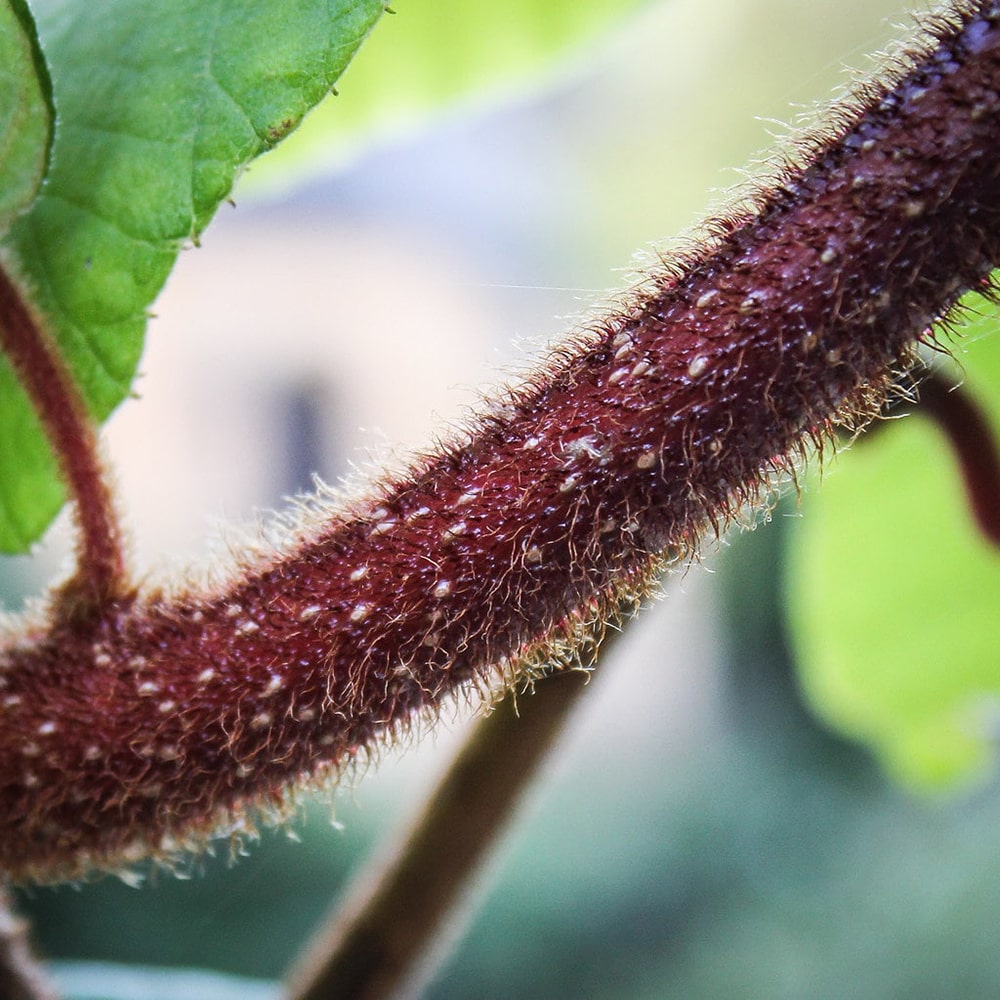
Showy red stems provide winter interest.

Cornus sanguinea: Stem Color

grass
Brown/Copper
grass
Red/Burgundy

Cornus sanguinea: Stem Is Aromatic

No
Yes

Cornus sanguinea Whole Plant Traits

Cornus sanguinea: Plant Type

Annual
Bulb
Carnivorous
Edible
Epiphyte
Fern
Ground Cover
Herb
Herbaceous Perennial
Houseplant
Mushroom
Native Plant
Ornamental Grasses and Sedges
Perennial
Poisonous
Rose
Shrub
Succulent
Tree
Turfgrass
Vegetable
Vine
Water Plant
Weed
Wildflower

Cornus sanguinea: Woody Plant Leaf Characteristics

Broadleaf Evergreen
Deciduous
Needled Evergreen
Semi-evergreen

Cornus sanguinea: Habit/Form

Arching
Ascending
Broad
Cascading
Climbing
Clumping
Columnar
Conical
Creeping
Dense
Erect
Horizontal
Irregular
Mounding
Multi-stemmed
Multi-trunked
Open
Oval
Prostrate
Pyramidal
Rounded
Spreading
Vase
Weeping

Cornus sanguinea: Growth Rate

Slow
Medium
Rapid

Cornus sanguinea Cultural Conditions

Cornus sanguinea: Light

Dappled Sunlight (Shade through upper canopy all day)
Deep shade (Less than 2 hours to no direct sunlight)
Full sun (6 or more hours of direct sunlight a day)
Partial Shade (Direct sunlight only part of the day, 2-6 hours)

Cornus sanguinea: USDA Plant Hardiness Zone

thermostat
4a
thermostat
4b
thermostat
5a
thermostat
5b
thermostat
6a
thermostat
6b
thermostat
7a
thermostat
7b

Cornus sanguinea Fruit

Cornus sanguinea: Fruit Color

grass
Red/Burgundy

Cornus sanguinea Landscape

Cornus sanguinea: Landscape Theme

Asian Garden
Butterfly Garden
Children's Garden
Cottage Garden
Cutting Garden
Drought Tolerant Garden
Edible Garden
English Garden
Fairy Garden
Garden for the Blind
Native Garden
Nighttime Garden
Pollinator Garden
Rain Garden
Rock Garden
Shade Garden
Water Garden
Winter Garden

Cornus sanguinea: Design Feature

Accent
Barrier
Border
Flowering Tree
Foundation Planting
Hedge
Mass Planting
Screen/Privacy
Security
Shade Tree
Small groups
Small Tree
Specimen
Street Tree
Understory Tree

Cornus sanguinea: Attracts

Bats
Bees
Butterflies
Frogs
Hummingbirds
Moths
Pollinators
Predatory Insects
Reptiles
Small Mammals
Songbirds
Specialized Bees