Echinacea tennesseensis: Country Or Region Of Origin
Tennessee
Phonetic Spelling:ek-in-AY-shee-a ten-eh-see-EN-sis
Genus:Echinacea
Species:tennesseensis
Family:Asteraceae
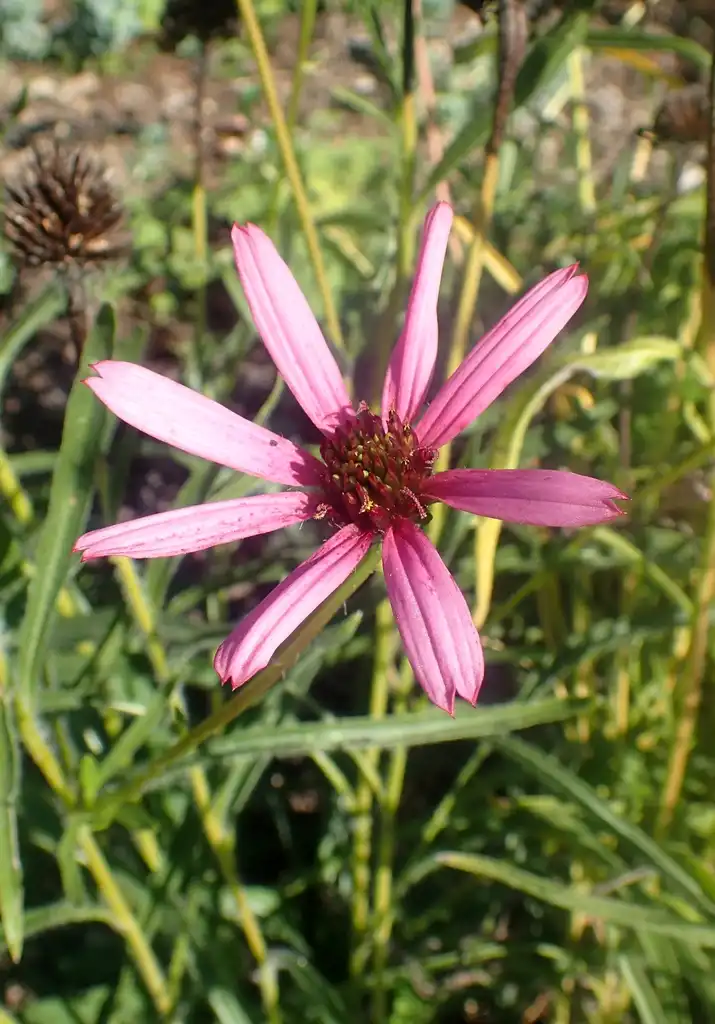
This herbaceous perennial, which grows at a relatively slow pace, belongs to the Asteraceae family. The name "Echinacea" is derived from the Greek term "echinos," meaning sea urchin or hedgehog, a reference to the spiky cone that characterizes the center of its flowers.
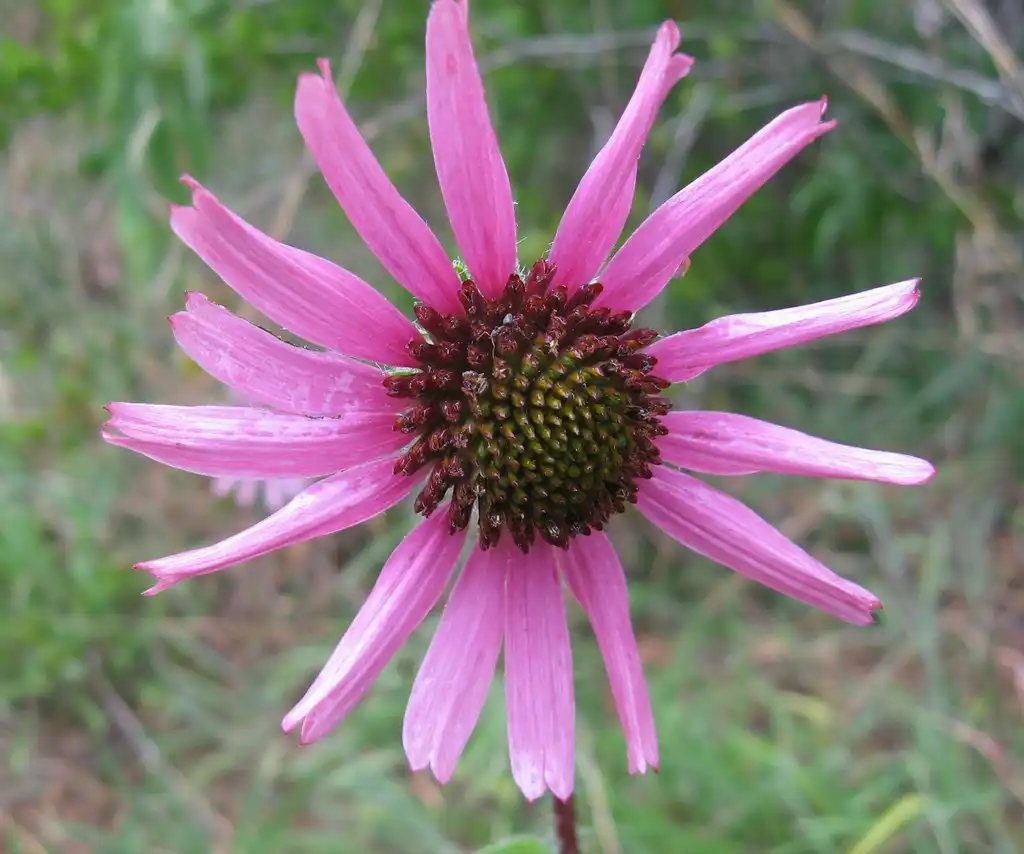
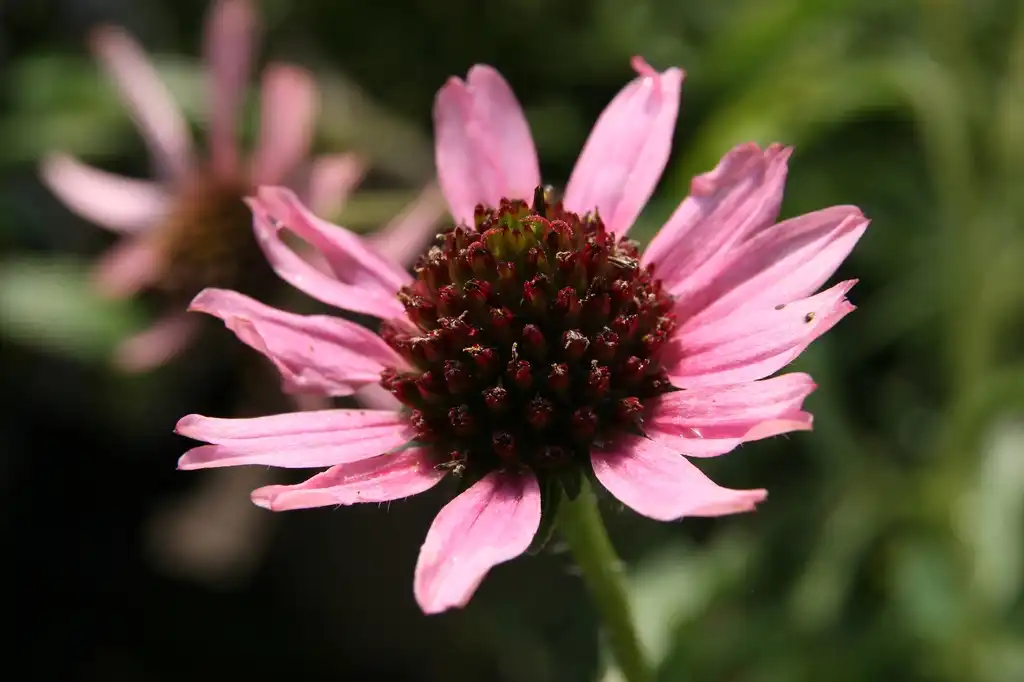
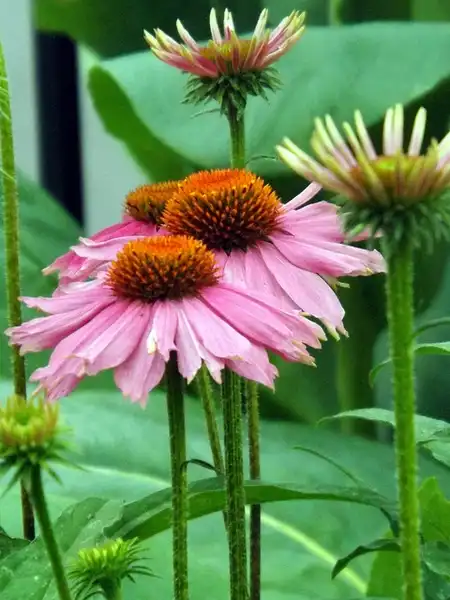
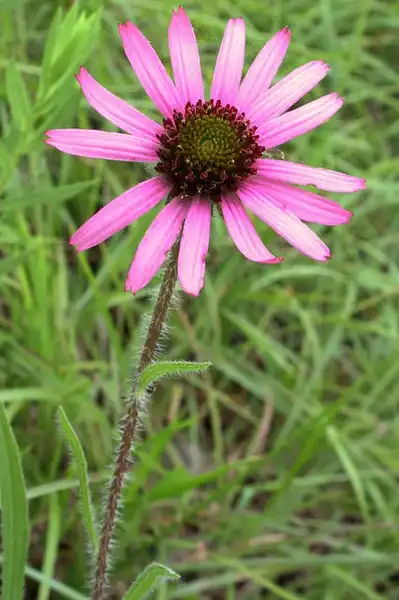
From June to August, the plant showcases upright pink-purple ray flowers—many of which curve backward—alongside vibrant orange disk cones. Echinacea has the ability to cross-pollinate with other species within its genus. Although it was once classified as an endangered species, conservation initiatives have successfully removed it from that designation. This native of Tennessee bears similarities to E. purpurea, which is indigenous to Missouri, but it is generally less vigorous and smaller in size, featuring narrower, more linear leaves and a vertical rootstock, along with outward-facing ray flowers. For those interested in cultivating plants from seed, it is essential to plant them several miles away from other Echinacea varieties to prevent crossbreeding, which can result in offspring that do not resemble the parent type.
This perennial can be mass-planted in borders, allowed to naturalize in meadows, or incorporated into woodland gardens.
In terms of pests and diseases, Echinacea faces no significant issues, though Japanese beetles may occasionally appear as pests, and leaf spot is a rare occurrence.
Echinacea tennesseensis Feature Summary
Echinacea tennesseensis Image Gallery