Erythrina herbacea: Uses (Ethnobotany)
Necklaces are made from the seeds though they should be kept away from children.
Phonetic Spelling:er-ih-THREE-nah her-BAY-see-ah
Genus:Erythrina
Species:herbacea
Family:Fabaceae
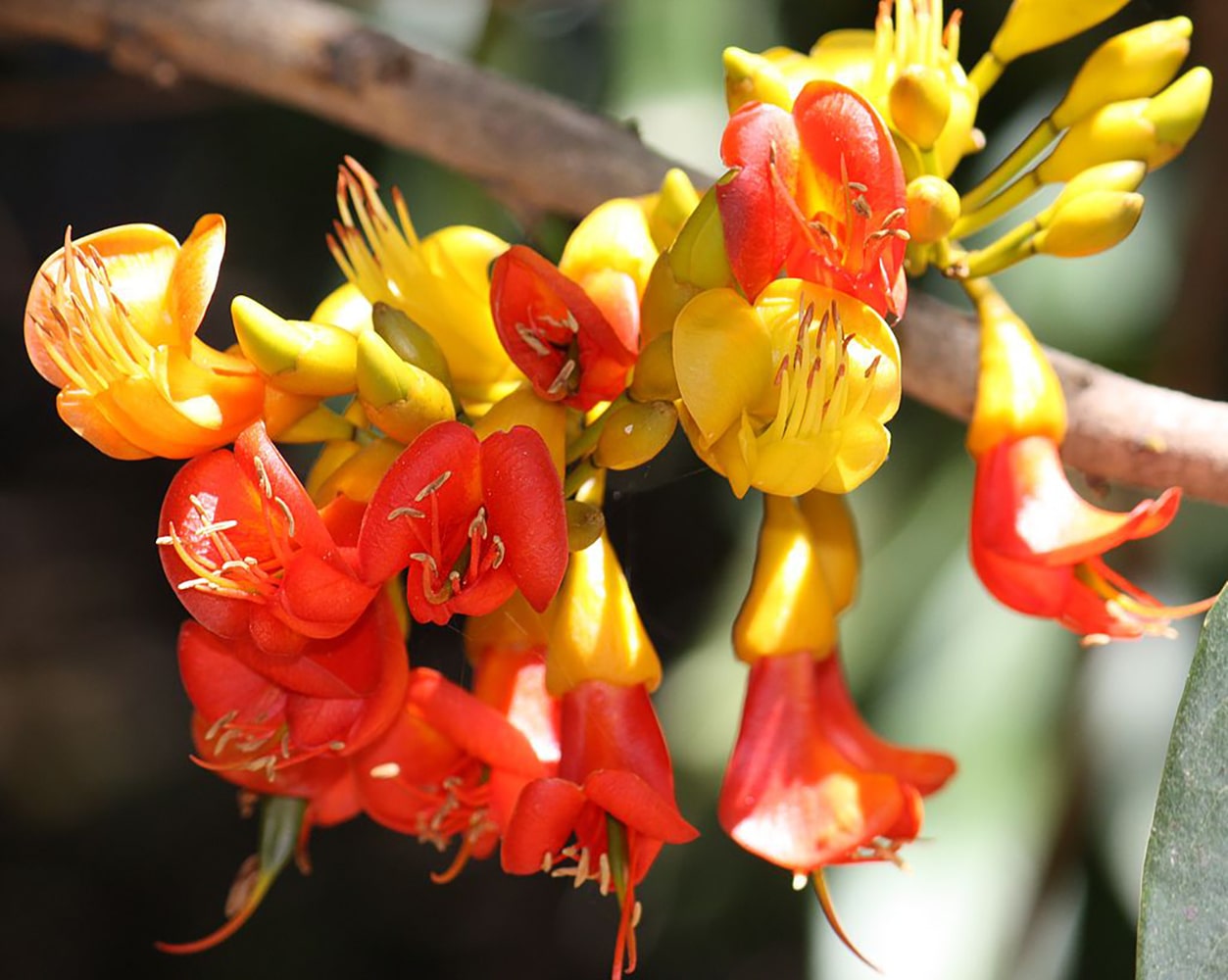
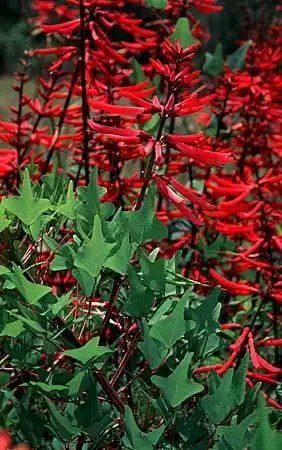
This perennial shrub, known for its tropical herbal qualities, primarily thrives in coastal regions and sandy, open woodlands, as well as in areas where it has naturalized. In cooler climates, it may die back above ground during winter but will regenerate in the spring. Its most striking feature is its crescent-shaped coral-red flowers, which attract hummingbirds. The plant flourishes in loamy clay soils and is frequently utilized to enhance the vibrancy of garden spaces.
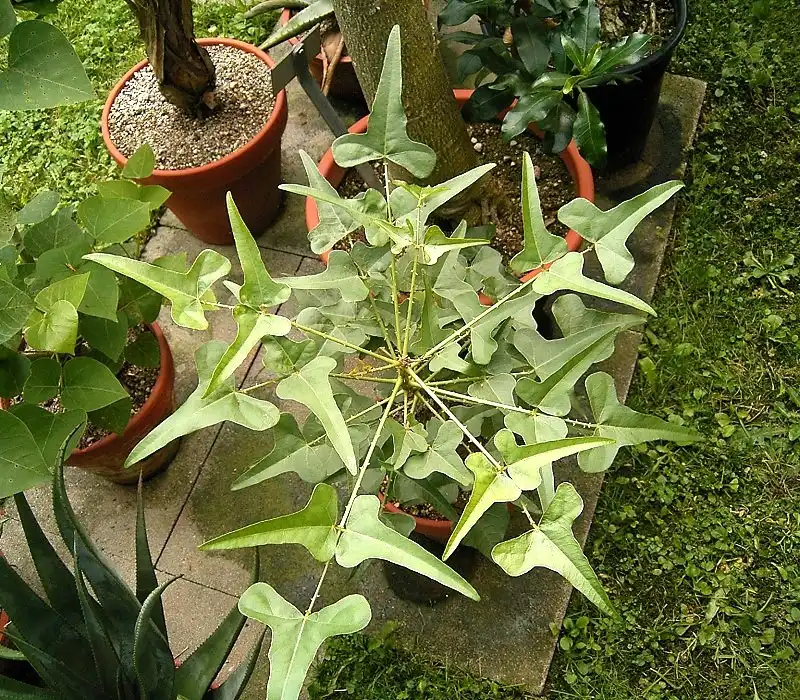
Coral bean is a low-growing, thorny shrub with glossy leaves, reaching heights of up to 6 feet. It features numerous herbaceous, annual stems that emerge from a woody base and a perennial root system. Each leaf consists of three arrow-shaped leaflets, all attached to a long stalk.
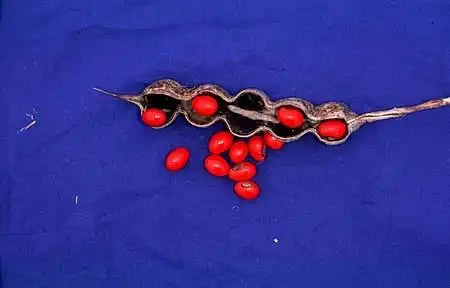
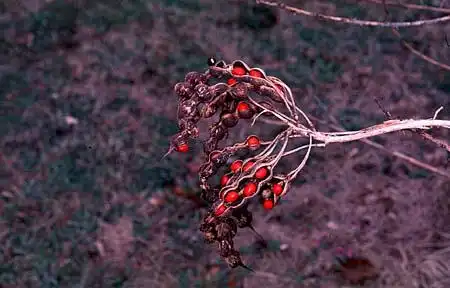
During winter, the leaves drop, but before they return in spring, upright spikes of vibrant, tubular flowers emerge from the bare branches. These bright red flowers, which can grow up to 12 inches long and are arranged in spike-like clusters, bloom at the upper part of the stem. Each flower has five fused sepals and five petals measuring 1.5 to 2 inches long, with the upper petal enveloping the other four. Following the flowering period, a persistent legume pod develops, containing several bright red seeds. The pod, which can reach lengths of up to 8.5 inches, is blackish and constricted between the seeds. The seeds are securely attached to the pod by a robust 1/8-inch-long thread, allowing them to remain in place for several months.
It is important to note that the seeds are toxic to humans if ingested, posing a particular risk to children due to their smaller size. Individual sensitivity to the toxin can vary based on personal characteristics and the season in which the plant is harvested. When propagating from seeds, it is advisable to collect them in the fall, ensuring they are properly fumigated and stored in a secure container, out of reach of children. Before planting in the spring, the outer coat of the seeds should be scarified or scratched.
Erythrina herbacea Feature Summary
Erythrina herbacea Image Gallery