Plant Profile: Erythrostemon gilliesii

Taxonomy: Erythrostemon gilliesii

Names

Barbados Pride, Barbados Pride 2, Bird of Paradise, Brazilwood, Desert Bird of Paradise, Peacock Flower, Poinciana, Pride of Barbados

  • Photo of Erythrostemon gilliesii (Erythrostemon gilliesiis)

Phonetic Spelling:er-rith-rah-STEM-on gil-EEZ-ee-eye

Genus:Erythrostemon

Species:gilliesii

Family:Fabaceae

A small tree or shrub belonging to the legume family, this plant features striking yellow blossoms adorned with vibrant red-yellow stamens and delicate, feathery foliage. It exhibits resilience against both deer and drought conditions. In lower hardiness zones, it is advisable to plant it in a sheltered spot, prune it back to the ground annually, and ensure the root area is well-mulched.

Erythrostemon gilliesii Feature Summary

Erythrostemon gilliesii Image Gallery

Tags

#evergreen
#small tree
#drought tolerant
#deer resistant
#evergreen shrub
#evergreen tree
#problem for cats
#problem for dogs

Similar Plants

Erythrostemon gilliesii Feature Summary

Fruit
Light brown pods with dark glands hairy when young smooth as they mature. Seeds are ovate, compressed brown with purple black spots.
Brown/Copper
Flowers
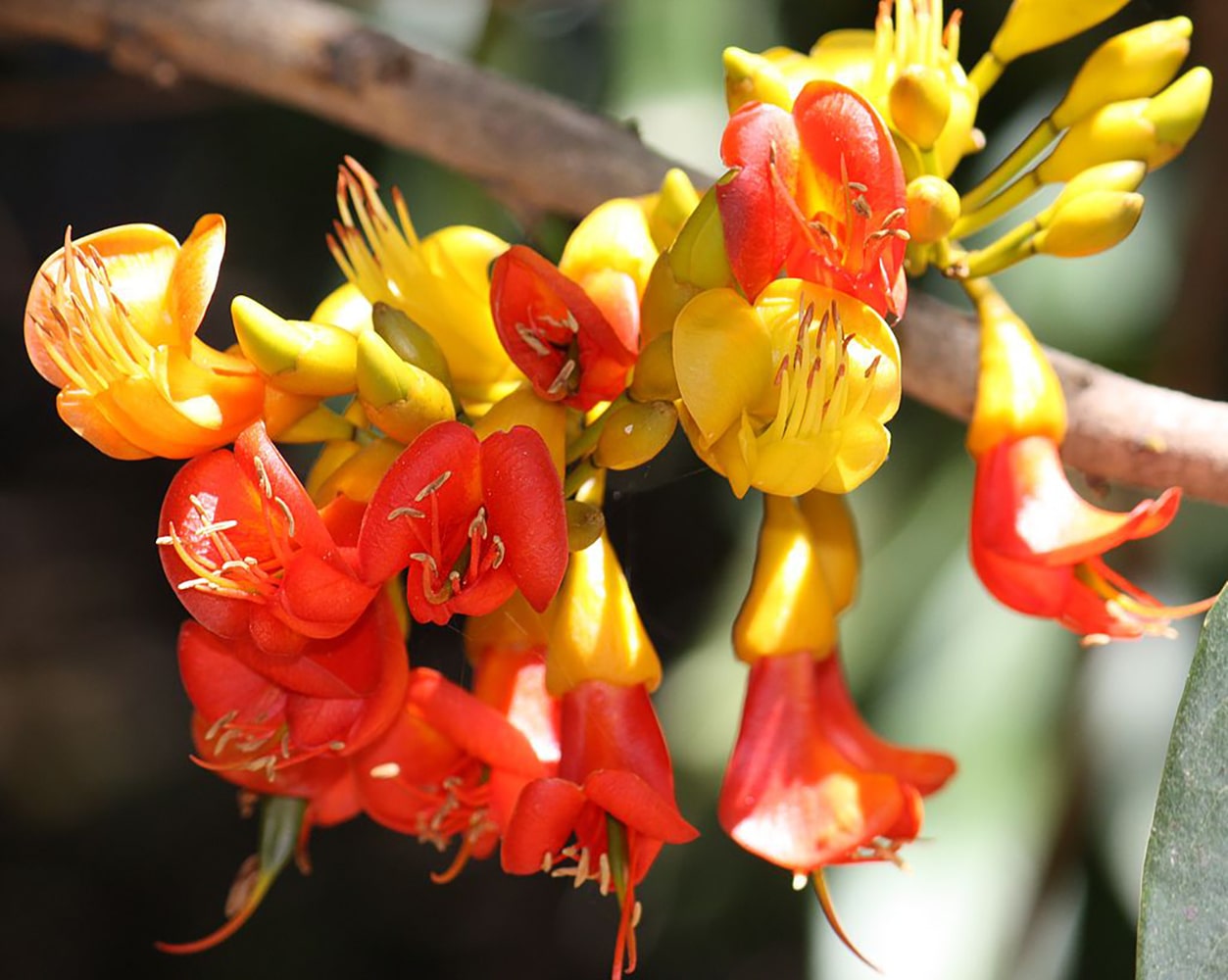
Yellow with showy red stamens
Gold/Yellow
Red/Burgundy
Stem
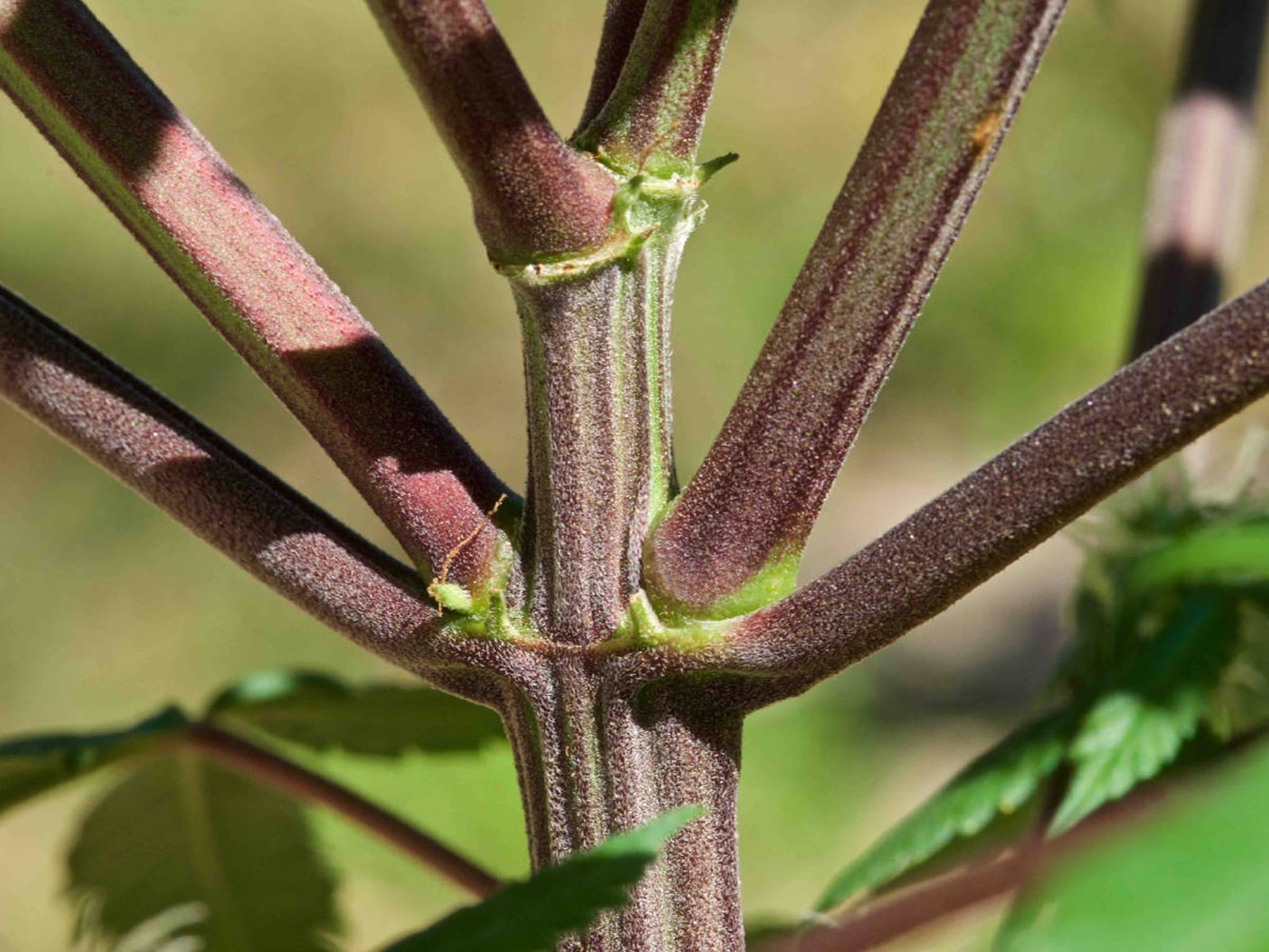
Young stems are hairy black or brown glands
Poisonous to Humans
Oral irritation, intense burning and irritation of mouth, tongue and lips, excessive drooling, vomiting, diarrhea, difficulty swallowing and incoordination is possible. Deaths in rabbits have been reported.
possibly hydrocyanic acid
Whole Plant Traits
Cultural Conditions
Full sun (6 or more hours of direct sunlight a day)
3 feet-6 feet
6-feet-12 feet
8b
8a
9a
9b
10a
10b
11a
11b
Leaves
Compound (Pinnately , Bipinnately, Palmately)
Landscape
Drought Tolerant Garden
Small Tree
Problem for Cats
Problem for Dogs

Erythrostemon gilliesii Fruit

Erythrostemon gilliesii: Fruit Description

Light brown pods with dark glands hairy when young smooth as they mature. Seeds are ovate, compressed brown with purple black spots.

Erythrostemon gilliesii: Fruit Color

grass
Brown/Copper

Erythrostemon gilliesii Flowers

Erythrostemon gilliesii: Flower Description

Yellow with showy red stamens

Erythrostemon gilliesii: Flower Color

filter_vintage
Gold/Yellow
filter_vintage
Red/Burgundy

Erythrostemon gilliesii: Flower Inflorescence

Catkin
Corymb
Cyme
Head
Insignificant
Panicle
Raceme
Solitary
Spadix
Spike
Umbel

Erythrostemon gilliesii Stem

Erythrostemon gilliesii: Stem Description

Young stems are hairy black or brown glands

Erythrostemon gilliesii: Stem Is Aromatic

No
Yes

Erythrostemon gilliesii Poisonous to Humans

Erythrostemon gilliesii: Poison Symptoms

Oral irritation, intense burning and irritation of mouth, tongue and lips, excessive drooling, vomiting, diarrhea, difficulty swallowing and incoordination is possible. Deaths in rabbits have been reported.

Erythrostemon gilliesii: Poison Toxic Principle

possibly hydrocyanic acid

Erythrostemon gilliesii: Poison Severity

High
Low
Medium

Erythrostemon gilliesii: Causes Contact Dermatitis

No
Yes

Erythrostemon gilliesii: Poison Part

Bark
Flowers
Fruits
Leaves
Roots
Sap/Juice
Seeds
Stems

Erythrostemon gilliesii Attributes

Erythrostemon gilliesii: Life Cycle

Annual
Biennial
Bulb
Perennial
Woody

Erythrostemon gilliesii: Recommended Propagation Strategy

Division
Grafting
Layering
Leaf Cutting
Root Cutting
Seed
Stem Cutting

Erythrostemon gilliesii Whole Plant Traits

Erythrostemon gilliesii: Plant Type

Annual
Bulb
Carnivorous
Edible
Epiphyte
Fern
Ground Cover
Herb
Herbaceous Perennial
Houseplant
Mushroom
Native Plant
Ornamental Grasses and Sedges
Perennial
Poisonous
Rose
Shrub
Succulent
Tree
Turfgrass
Vegetable
Vine
Water Plant
Weed
Wildflower

Erythrostemon gilliesii: Woody Plant Leaf Characteristics

Broadleaf Evergreen
Deciduous
Needled Evergreen
Semi-evergreen

Erythrostemon gilliesii Cultural Conditions

Erythrostemon gilliesii: Light

Dappled Sunlight (Shade through upper canopy all day)
Deep shade (Less than 2 hours to no direct sunlight)
Full sun (6 or more hours of direct sunlight a day)
Partial Shade (Direct sunlight only part of the day, 2-6 hours)

Erythrostemon gilliesii: Available Space To Plant

12 inches-3 feet
12-24 feet
24-60 feet
3 feet-6 feet
6-feet-12 feet
Less than 12 inches
more than 60 feet

Erythrostemon gilliesii: USDA Plant Hardiness Zone

thermostat
10a
thermostat
10b
thermostat
11a
thermostat
11b
thermostat
8a
thermostat
8b
thermostat
9a
thermostat
9b

Erythrostemon gilliesii Leaves

Erythrostemon gilliesii: Woody Plant Leaf Characteristics

Broadleaf Evergreen
Deciduous
Needled Evergreen
Semi-evergreen

Erythrostemon gilliesii: Leaf Color

spa
Green

Erythrostemon gilliesii: Leaf Type

Compound (Pinnately , Bipinnately, Palmately)
Fronds
Needles
Sheath
Simple

Erythrostemon gilliesii: Hairs Present

No
Yes

Erythrostemon gilliesii Landscape

Erythrostemon gilliesii: Landscape Theme

Asian Garden
Butterfly Garden
Children's Garden
Cottage Garden
Cutting Garden
Drought Tolerant Garden
Edible Garden
English Garden
Fairy Garden
Garden for the Blind
Native Garden
Nighttime Garden
Pollinator Garden
Rain Garden
Rock Garden
Shade Garden
Water Garden
Winter Garden

Erythrostemon gilliesii: Design Feature

Accent
Barrier
Border
Flowering Tree
Foundation Planting
Hedge
Mass Planting
Screen/Privacy
Security
Shade Tree
Small groups
Small Tree
Specimen
Street Tree
Understory Tree

Erythrostemon gilliesii: Resistance To Challenges

Black Walnut
Compaction
Deer
Diseases
Drought
Dry Soil
Erosion
Fire
Foot Traffic
Heat
Heavy Shade
Humidity
Insect Pests
Pollution
Poor Soil
Rabbits
Salt
Slugs
Squirrels
Storm damage
Urban Conditions
Voles
Wet Soil
Wind

Erythrostemon gilliesii: Problems

Allelopathic
Contact Dermatitis
Frequent Disease Problems
Frequent Insect Problems
Invasive Species
Malodorous
Messy
Poisonous to Humans
Problem for Cats
Problem for Children
Problem for Dogs
Problem for Horses
Short-lived
Spines/Thorns
Weak Wood
Weedy