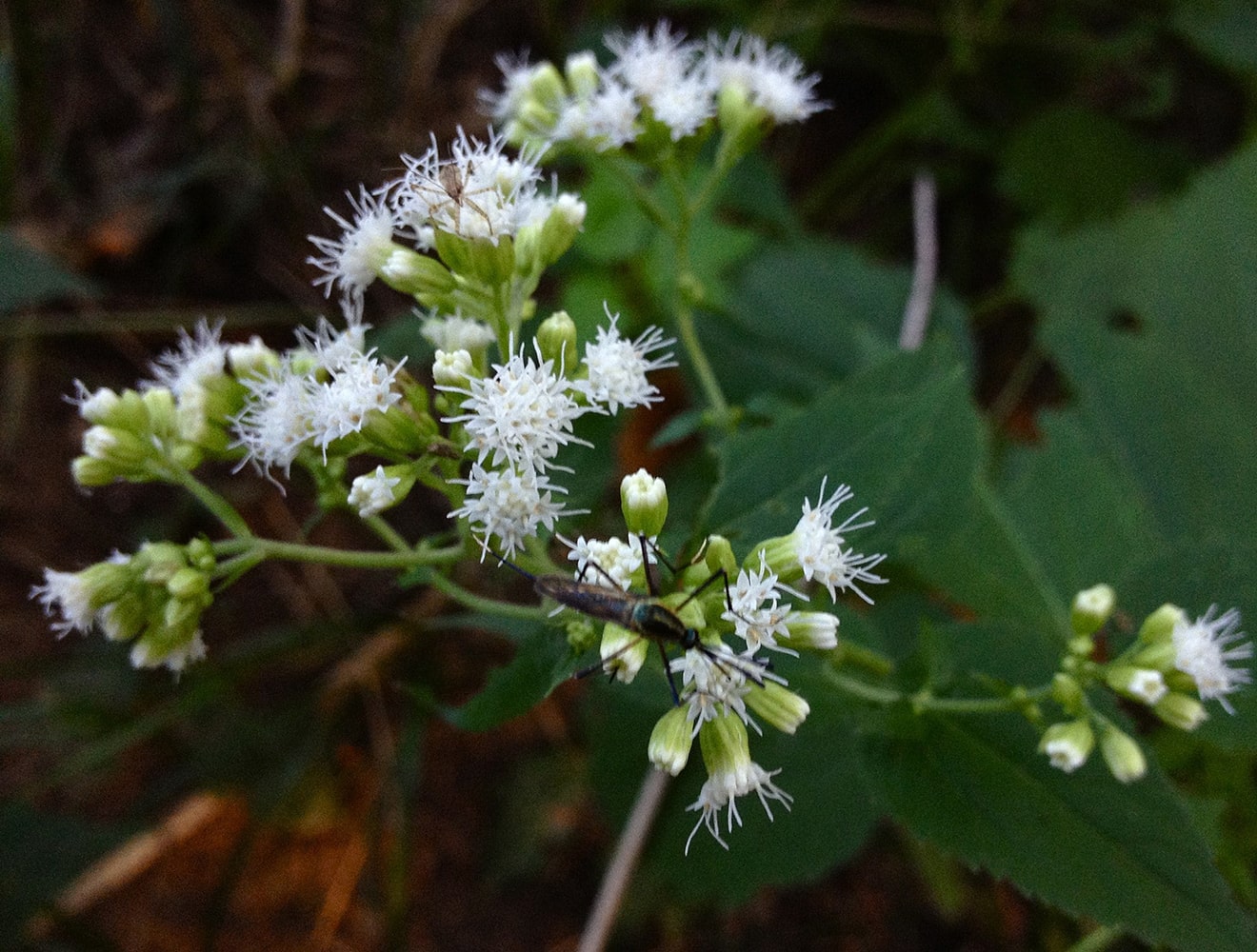
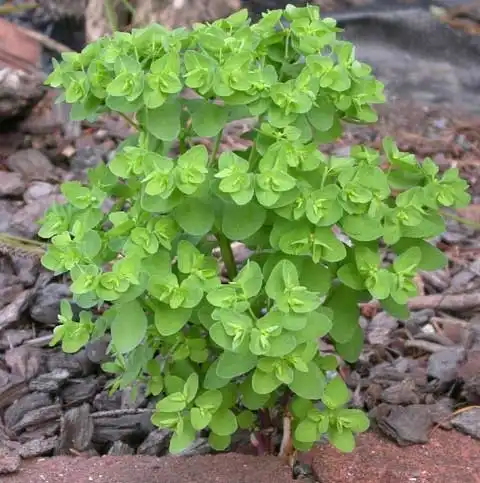
• Photo of Euphorbia peplus (Euphorbia pepluss)

Plant Profile: Euphorbia peplus

Taxonomy: Euphorbia peplus

Names

Cancer Weed, Petty Spurge, Radium Weed

  • Photo of Euphorbia peplus (Euphorbia pepluss)

Phonetic Spelling:yoo-FOR-bee-uh PE-plus

Genus:Euphorbia

Species:peplus

Family:Euphorbiaceae

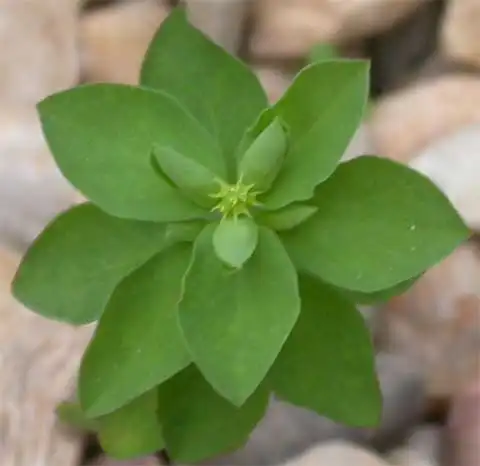
Petty Spurge is an annual herb that typically reaches a height of around one foot. This small, upright plant features branching stems and light green leaves. While it bears a resemblance to leafy spurge (Euphorbia esula), it is notably smaller and does not propagate through underground runners. Preferring moist, shaded environments, Petty Spurge can also thrive in various disturbed areas. It is known to flower throughout much of the year.

The plant is characterized by its unique bracts, which are modified leaves that appear beneath its small, pale green flowers. Native to a wide range of regions including most of Europe, North Africa, and Western Asia, Petty Spurge has also become widely established in North America. It is commonly found in cultivated fields, gardens, and other disturbed sites. Beyond its native habitats, it has often become naturalized and can be invasive. Although specific information on seed dormancy and germination is lacking, Petty Spurge is known for its prolific seed production, with new plants emerging from the cool fall weather and continuing to sprout through late spring.

As for diseases, pests, and other issues, there are currently no known problems associated with this plant.

Euphorbia peplus Feature Summary

Euphorbia peplus Image Gallery

Tags

#annual
#weed
#weedy
#toxic
#winter annual weed
#cpp
#sap

Similar Plants

Euphorbia peplus is often confused with:

Euphorbia peplus Feature Summary

Attributes
It is sometimes called Cancer Weed because components of its sap are being studied for the treatment of skin cancer, leukemia, warts and sunspots.
Europe to the Western Himalaya, Mediterranean to Somalia
throughout
toxic if ingested
Fruit
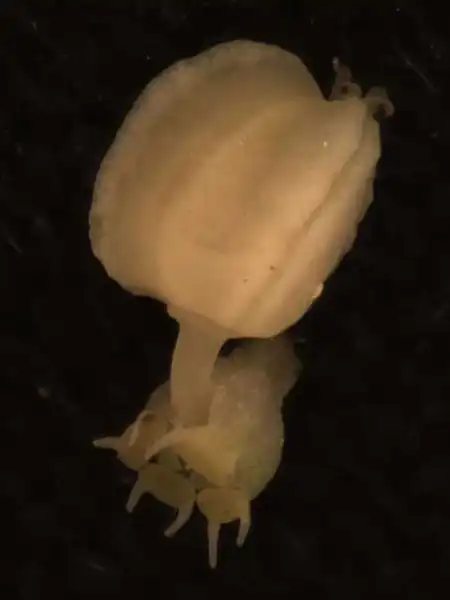
The fruit is a very small capsule that contains black to dark brown seeds with 3 to 4 pits on one side.
Brown/Copper
Black
Flowers
The flowers in three-rayed umbels are small and insignificant; yellowish-green in colour, held in leafy bunches. Blooms from June to September.
Gold/Yellow
Green
Spring
Summer
Fall
Bracts
2-3 rays/petals
< 1 inch
Leaves
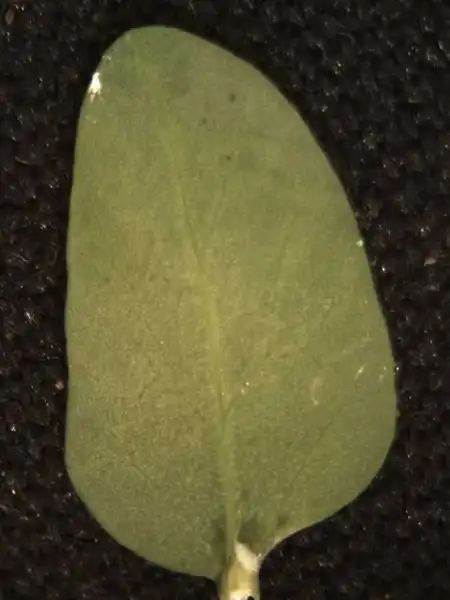
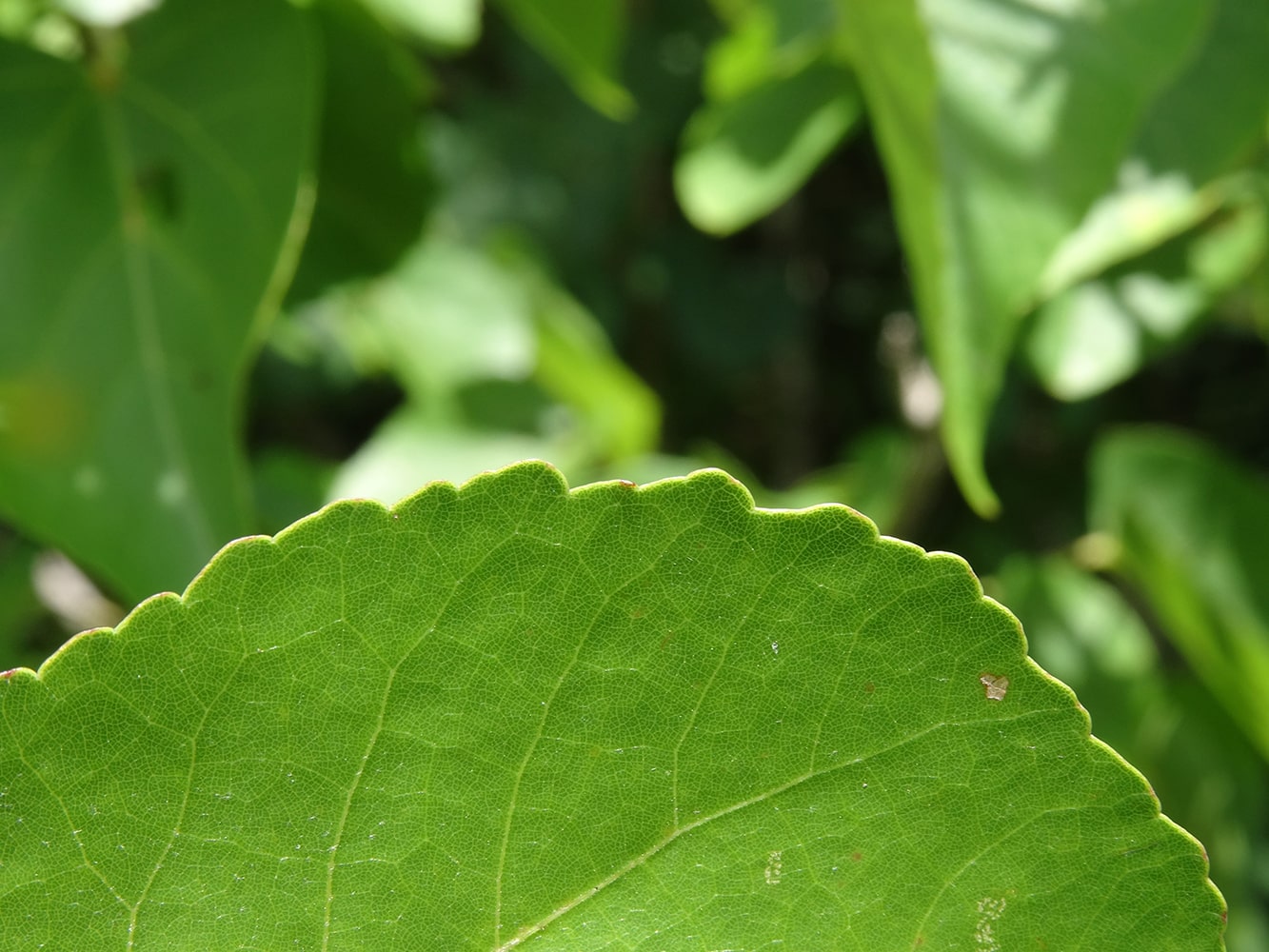
Oval-acute 1 inch leaves with smooth margins are alternate at the base and opposite further up the stem. The thin, soft leaves are oval, rounded to obovate, pale green in color.
Green
Gray/Silver
Opposite
Alternate
Ovate
Obovate
1-3 inches
1-3 inches
Stem
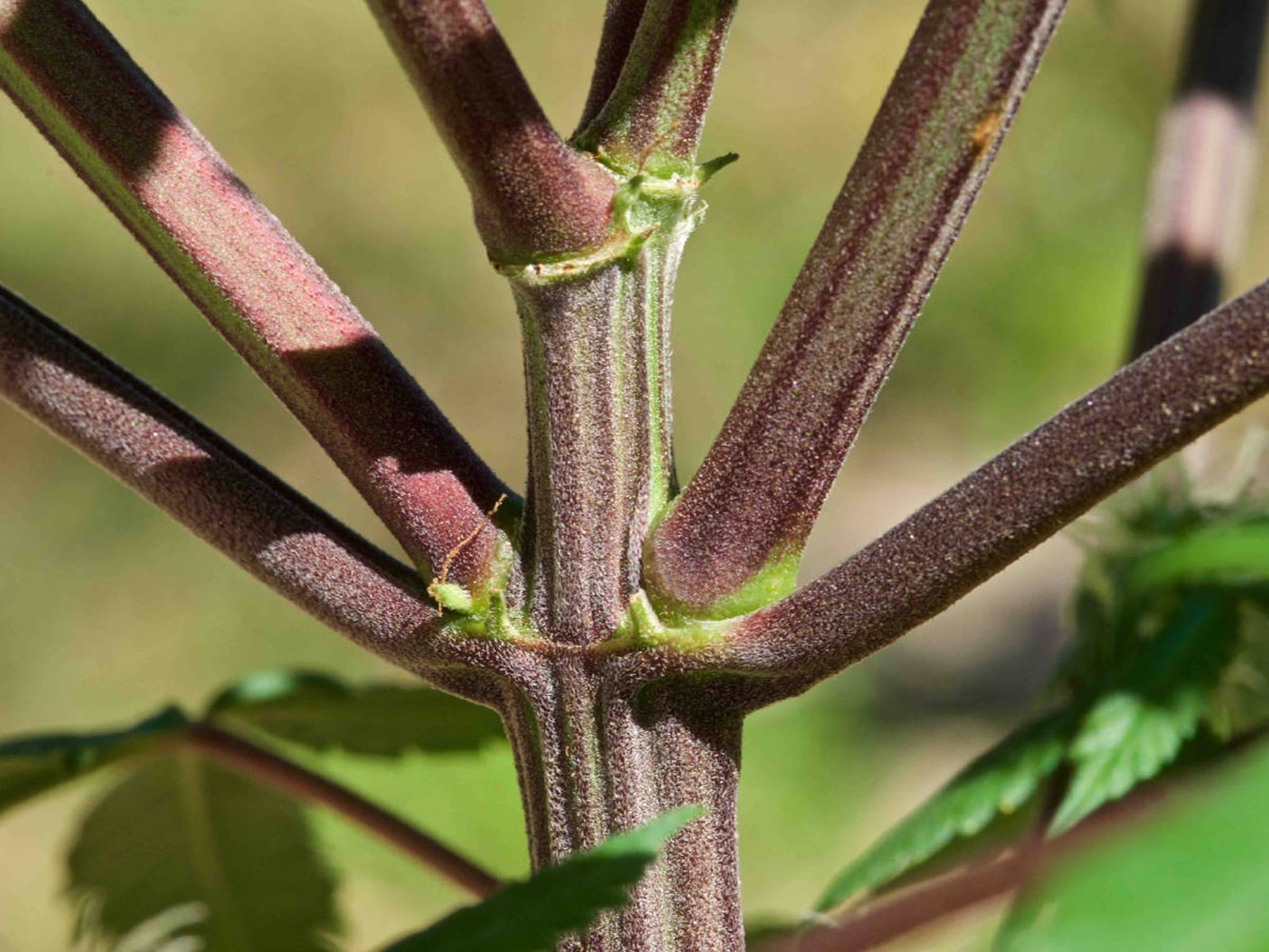
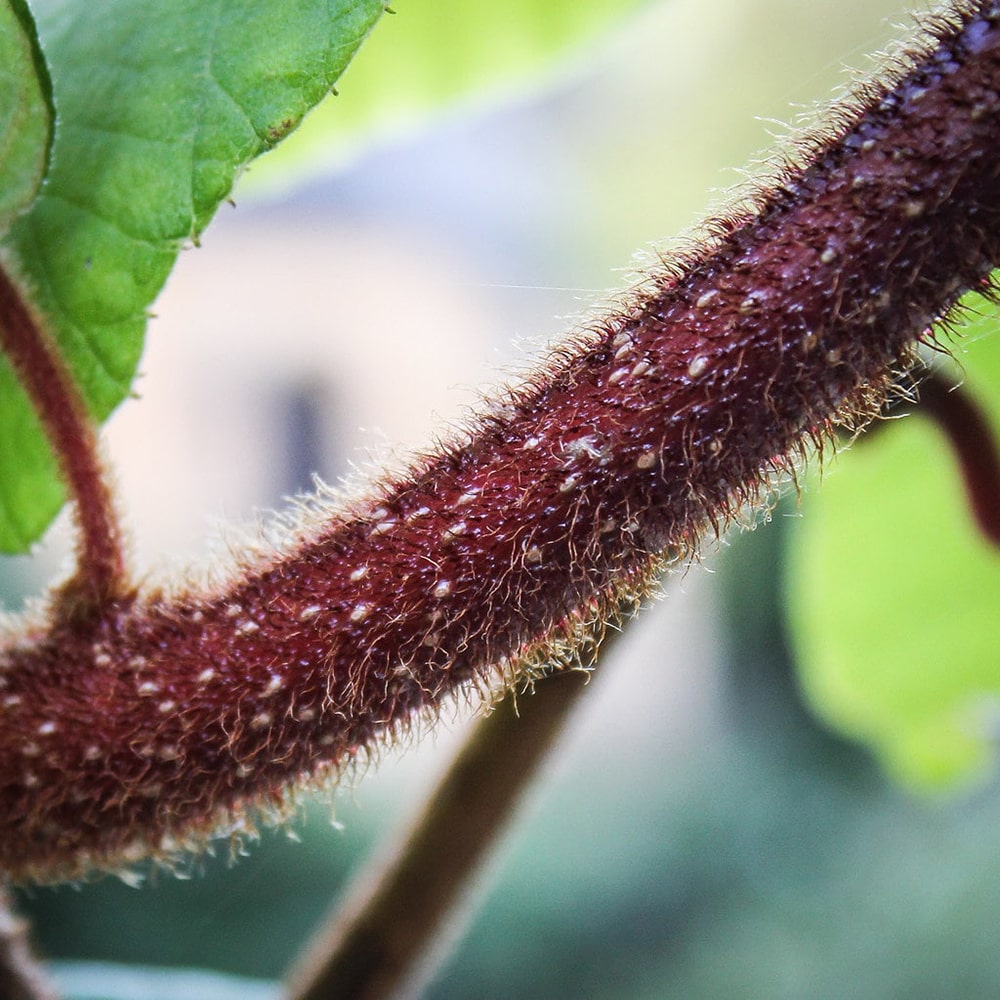
Smooth, hairless stems that are red at the bottom and green at the top.
Green
Red/Burgundy
Smooth (glabrous)
Poisonous to Humans
Skin contact with sap can cause intense pain and blistering. Eye contact may cause intense pain and severe swelling. Ingestion may result in severe vomiting and diarrhoea.
Diterpene esters in milky latex
Sap/Juice
Whole Plant Traits
Cultural Conditions
Partial Shade (Direct sunlight only part of the day, 2-6 hours)
Dappled Sunlight (Shade through upper canopy all day)
Good Drainage
Moist
Occasionally Dry
Clay
Sand
Shallow Rocky
Landscape
Woodland
Lawn
Meadow

Euphorbia peplus Attributes

Euphorbia peplus: Uses (Ethnobotany)

It is sometimes called Cancer Weed because components of its sap are being studied for the treatment of skin cancer, leukemia, warts and sunspots.

Euphorbia peplus: Country Or Region Of Origin

Europe to the Western Himalaya, Mediterranean to Somalia

Euphorbia peplus: Distribution

throughout

Euphorbia peplus: Edibility

toxic if ingested

Euphorbia peplus: Life Cycle

Annual
Biennial
Bulb
Perennial
Woody

Euphorbia peplus: Recommended Propagation Strategy

Division
Grafting
Layering
Leaf Cutting
Root Cutting
Seed
Stem Cutting

Euphorbia peplus Fruit

Euphorbia peplus: Fruit Description

The fruit is a very small capsule that contains black to dark brown seeds with 3 to 4 pits on one side.

Euphorbia peplus: Fruit Type

Achene
Aggregate
Berry

Capsule
Caryopsis
Drupe
Follicle
Legume
Nut
Pome
Samara
Schizocarp
Siliqua

Euphorbia peplus: Fruit Color

grass
Black
grass
Brown/Copper

Euphorbia peplus Flowers

Euphorbia peplus: Flower Description

The flowers in three-rayed umbels are small and insignificant; yellowish-green in colour, held in leafy bunches. Blooms from June to September.

Euphorbia peplus: Flower Color

filter_vintage
Gold/Yellow
filter_vintage
Green

Euphorbia peplus: Flower Inflorescence

Catkin
Corymb
Cyme
Head
Insignificant
Panicle
Raceme
Solitary
Spadix
Spike
Umbel

Euphorbia peplus: Flower Bloom Time

Winter
Spring
Summer
Fall

Euphorbia peplus: Flower Petals

2-3 rays/petals
4-5 petals/rays
6 petals/rays
7 - 20 petals/rays
asymmetrical petals
Bracts
Colored Sepals
fused petals
more than 20 petals/rays
Tepals

Euphorbia peplus: Flower Shape

Bell
Cross
Crown
Cup
Dome
Funnel
Irregular
Lipped
Radial
Saucer
Star
Trumpet
Tubular
Urn
Wheel

Euphorbia peplus: Flower Size

1-3 inches
3-6 inches
< 1 inch
> 6 inches

Euphorbia peplus Leaves

Euphorbia peplus: Leaf Description

Oval-acute 1 inch leaves with smooth margins are alternate at the base and opposite further up the stem. The thin, soft leaves are oval, rounded to obovate, pale green in color.

Euphorbia peplus: Leaf Color

spa
Gray/Silver
spa
Green

Euphorbia peplus: Leaf Arrangement

Alternate
Opposite
Other/more complex
Rosulate
Whorled

Euphorbia peplus: Leaf Shape

Acicular
Auriculate
Cordate
Cuneate
Deltoid
Elliptical
Filiform
Lanceolate
Linear
Oblanceolate
Oblong
Obovate
Obtuse
Orbicular
Ovate
Palmasect
Palmatifid
Peltate
Pinnatifid
Pinnatisect
Reniform
Rhomboidal
Spatulate
Subcordate
Subulate

Euphorbia peplus: Leaf Margin

Crenate
Crenulate
Dentate
Denticulate
Doubly Crenate
Doubly Dentate
Doubly Serrate
Entire
Lobed
Serrate
Sinuate
Undulate

Euphorbia peplus: Hairs Present

No
Yes

Euphorbia peplus: Leaf Length

< 1 inch
1-3 inches
3-6 inches
> 6 inches

Euphorbia peplus: Leaf Width

< 1 inch
1-3 inches
3-6 inches
> 6 inches

Euphorbia peplus Stem

Euphorbia peplus: Stem Description

Smooth, hairless stems that are red at the bottom and green at the top.

Euphorbia peplus: Stem Color

grass
Green
grass
Red/Burgundy

Euphorbia peplus: Stem Is Aromatic

No
Yes

Euphorbia peplus: Stem Surface

Corky Ridges
Covered with a powdery bloom (glaucous)
Dull
Hairy (pubescent)
Polished
Smooth (glabrous)

Euphorbia peplus Poisonous to Humans

Euphorbia peplus: Poison Symptoms

Skin contact with sap can cause intense pain and blistering. Eye contact may cause intense pain and severe swelling. Ingestion may result in severe vomiting and diarrhoea.

Euphorbia peplus: Poison Toxic Principle

Diterpene esters in milky latex

Euphorbia peplus: Poison Severity

High
Low
Medium

Euphorbia peplus: Causes Contact Dermatitis

No
Yes

Euphorbia peplus: Poison Part

Bark
Flowers
Fruits
Leaves
Roots
Sap/Juice
Seeds
Stems

Euphorbia peplus Whole Plant Traits

Euphorbia peplus: Plant Type

Annual
Bulb
Carnivorous
Edible
Epiphyte
Fern
Ground Cover
Herb
Herbaceous Perennial
Houseplant
Mushroom
Native Plant
Ornamental Grasses and Sedges
Perennial
Poisonous
Rose
Shrub
Succulent
Tree
Turfgrass
Vegetable
Vine
Water Plant
Weed
Wildflower

Euphorbia peplus: Habit/Form

Arching
Ascending
Broad
Cascading
Climbing
Clumping
Columnar
Conical
Creeping
Dense
Erect
Horizontal
Irregular
Mounding
Multi-stemmed
Multi-trunked
Open
Oval
Prostrate
Pyramidal
Rounded
Spreading
Vase
Weeping

Euphorbia peplus: Growth Rate

Slow
Medium
Rapid

Euphorbia peplus: Maintenance

Low
Medium
High

Euphorbia peplus Cultural Conditions

Euphorbia peplus: Light

Dappled Sunlight (Shade through upper canopy all day)
Deep shade (Less than 2 hours to no direct sunlight)
Full sun (6 or more hours of direct sunlight a day)
Partial Shade (Direct sunlight only part of the day, 2-6 hours)

Euphorbia peplus: Soil Drainage

Frequent Standing Water
Good Drainage
Moist
Occasional Flooding
Occasionally Dry
Occasionally Wet
Very Dry

Euphorbia peplus: Soil Texture

Clay
High Organic Matter
Loam (Silt)
Sand
Shallow Rocky

Euphorbia peplus Landscape

Euphorbia peplus: Landscape Location

Coastal
Container
Hanging Baskets
Houseplants
Lawn
Meadow
Naturalized Area
Near Septic
Patio
Pond
Pool/Hardscape
Recreational Play Area
Riparian
Rock Wall
Slope/Bank
Small Space
Vertical Spaces
Walkways
Woodland

Euphorbia peplus: Problems

Allelopathic
Contact Dermatitis
Frequent Disease Problems
Frequent Insect Problems
Invasive Species
Malodorous
Messy
Poisonous to Humans
Problem for Cats
Problem for Children
Problem for Dogs
Problem for Horses
Short-lived
Spines/Thorns
Weak Wood
Weedy