Plant Profile: Ficus microcarpa

Taxonomy: Ficus microcarpa

Names

Chinese Banyan, Curtain Fig, Gajumaru, Indian Laurel, Laurel Fig, Malayan Banyan

  • Photo of Ficus microcarpa (Ficus microcarpas)

Phonetic Spelling:

Genus:Ficus

Species:microcarpa

Family:Moraceae

The Chinese Banyan, a species of fig, originates from tropical and subtropical regions of Asia. It thrives as a shade tree, making it a popular choice for indoor settings and bonsai cultivation. Although it has traditionally been planted along streets, its aerial roots can cause damage to pavements if not carefully controlled, and it is regarded as an invasive species in various locations worldwide.

Ficus microcarpa Feature Summary

Ficus microcarpa Image Gallery
Tags

#shade tree
#weedy
#tree
#tropical tree
#ornamental tree

Similar Plants

Ficus microcarpa Feature Summary

Attributes
Has been used medicinally in parts of Asia
Fruit
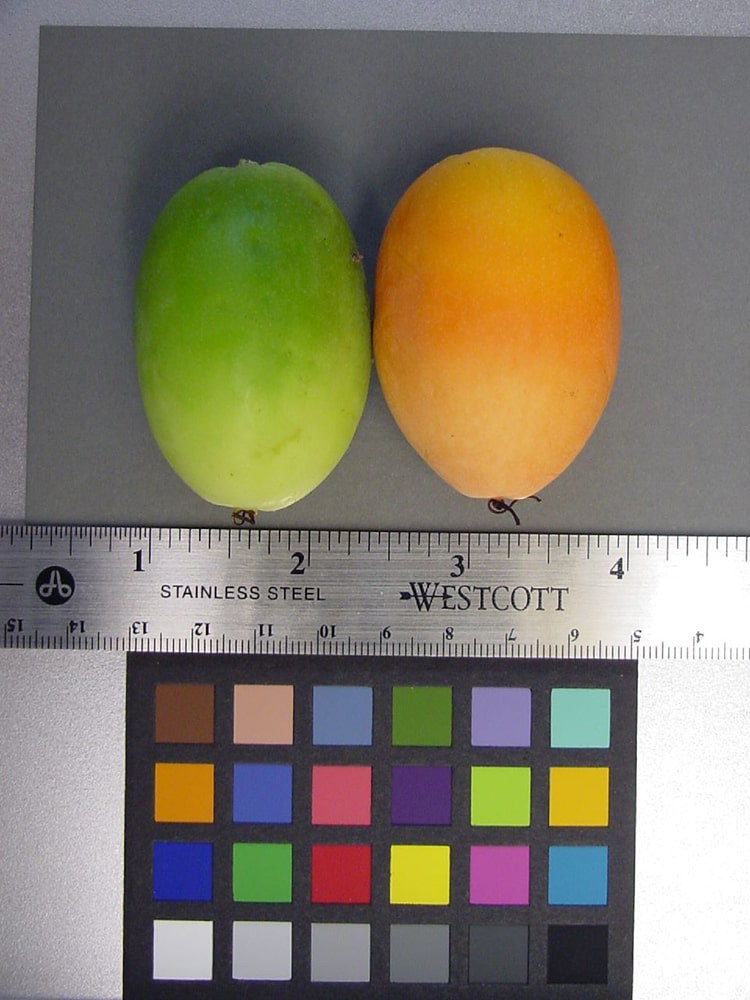
The fruit develops from the same structure the flowers are held in. They start out green and ripen to a reddish shade.
Green
Red/Burgundy
Brown/Copper
< 1 inch
Flowers
Like other Ficus species, the flower is inverted. The reproductive structures are located within the teardrop shape.
Gold/Yellow
Green
< 1 inch
Whole Plant Traits
Multi-stemmed
Multi-trunked
Rounded
Dense
Spreading
Cultural Conditions
Full sun (6 or more hours of direct sunlight a day)
Partial Shade (Direct sunlight only part of the day, 2-6 hours)
3 feet-6 feet
12 inches-3 feet
24-60 feet
12-24 feet
6-feet-12 feet
Leaves
Lanceolate
Oblanceolate
1-3 inches
1-3 inches
Landscape
Shade Tree
Understory Tree
Container
Houseplants
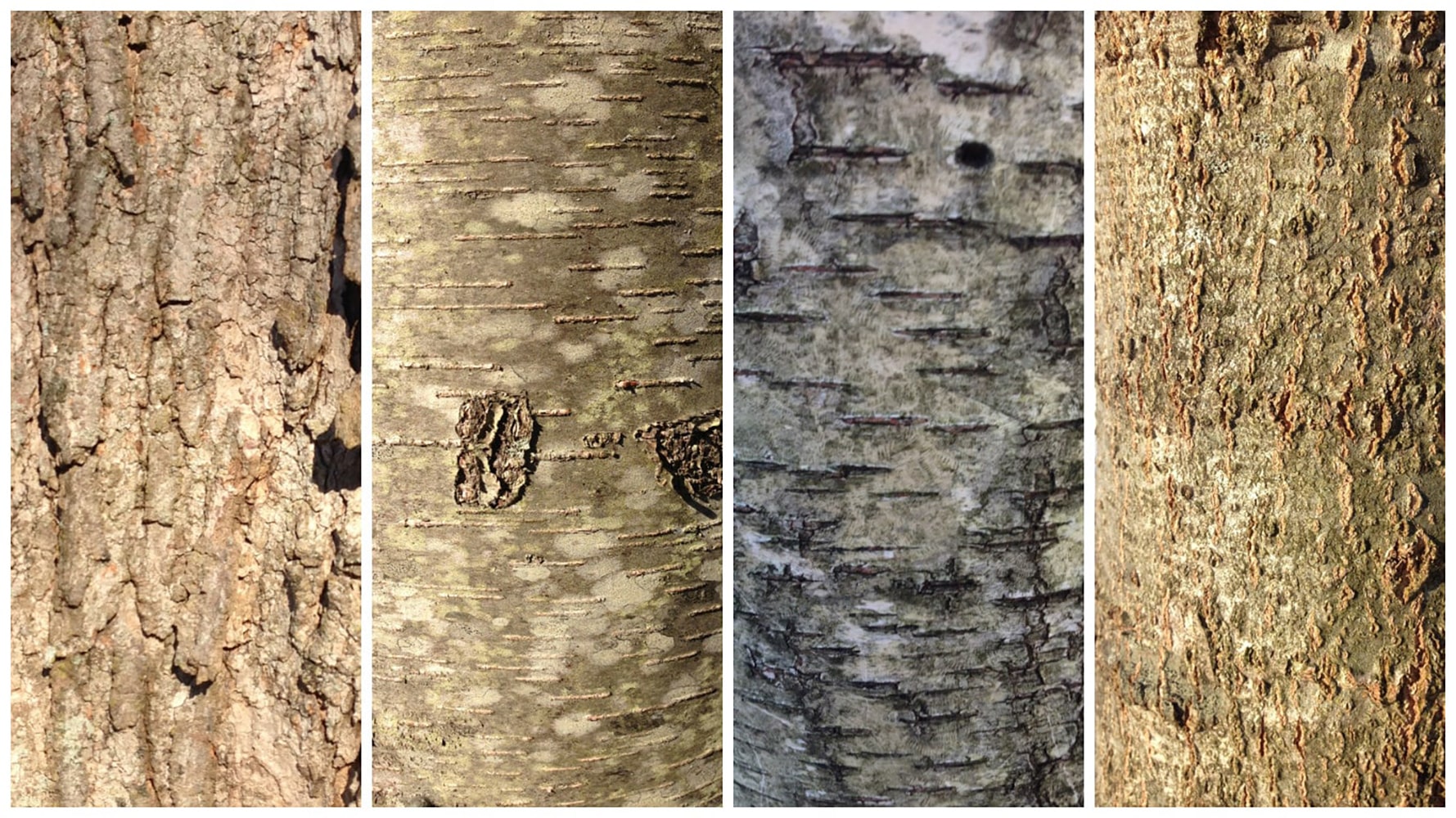
Bark
Light Gray
Light Brown

Ficus microcarpa Attributes

Ficus microcarpa: Uses (Ethnobotany)

Has been used medicinally in parts of Asia

Ficus microcarpa: Life Cycle

Annual
Biennial
Bulb
Perennial
Woody

Ficus microcarpa: Recommended Propagation Strategy

Division
Grafting
Layering
Leaf Cutting
Root Cutting
Seed
Stem Cutting

Ficus microcarpa Fruit

Ficus microcarpa: Fruit Description

The fruit develops from the same structure the flowers are held in. They start out green and ripen to a reddish shade.

Ficus microcarpa: Fruit Color

grass
Brown/Copper
grass
Green
grass
Red/Burgundy

Ficus microcarpa: Fruit Length

< 1 inch
1-3 inches
> 3 inches

Ficus microcarpa: Fruit Width

< 1 inch
1-3 inches
> 3 inches

Ficus microcarpa Flowers

Ficus microcarpa: Flower Description

Like other Ficus species, the flower is inverted. The reproductive structures are located within the teardrop shape.

Ficus microcarpa: Flower Color

filter_vintage
Gold/Yellow
filter_vintage
Green

Ficus microcarpa: Flower Size

1-3 inches
3-6 inches
< 1 inch
> 6 inches

Ficus microcarpa Whole Plant Traits

Ficus microcarpa: Plant Type

Annual
Bulb
Carnivorous
Edible
Epiphyte
Fern
Ground Cover
Herb
Herbaceous Perennial
Houseplant
Mushroom
Native Plant
Ornamental Grasses and Sedges
Perennial
Poisonous
Rose
Shrub
Succulent
Tree
Turfgrass
Vegetable
Vine
Water Plant
Weed
Wildflower

Ficus microcarpa: Woody Plant Leaf Characteristics

Broadleaf Evergreen
Deciduous
Needled Evergreen
Semi-evergreen

Ficus microcarpa: Habit/Form

Arching
Ascending
Broad
Cascading
Climbing
Clumping
Columnar
Conical
Creeping
Dense
Erect
Horizontal
Irregular
Mounding
Multi-stemmed
Multi-trunked
Open
Oval
Prostrate
Pyramidal
Rounded
Spreading
Vase
Weeping

Ficus microcarpa Cultural Conditions

Ficus microcarpa: Light

Dappled Sunlight (Shade through upper canopy all day)
Deep shade (Less than 2 hours to no direct sunlight)
Full sun (6 or more hours of direct sunlight a day)
Partial Shade (Direct sunlight only part of the day, 2-6 hours)

Ficus microcarpa: Available Space To Plant

12 inches-3 feet
12-24 feet
24-60 feet
3 feet-6 feet
6-feet-12 feet
Less than 12 inches
more than 60 feet

Ficus microcarpa: USDA Plant Hardiness Zone

thermostat
10a
thermostat
10b
thermostat
11a
thermostat
11b
thermostat
9a
thermostat
9b

Ficus microcarpa Leaves

Ficus microcarpa: Woody Plant Leaf Characteristics

Broadleaf Evergreen
Deciduous
Needled Evergreen
Semi-evergreen

Ficus microcarpa: Leaf Color

spa
Green

Ficus microcarpa: Leaf Type

Compound (Pinnately , Bipinnately, Palmately)
Fronds
Needles
Sheath
Simple

Ficus microcarpa: Leaf Arrangement

Alternate
Opposite
Other/more complex
Rosulate
Whorled

Ficus microcarpa: Leaf Shape

Acicular
Auriculate
Cordate
Cuneate
Deltoid
Elliptical
Filiform
Lanceolate
Linear
Oblanceolate
Oblong
Obovate
Obtuse
Orbicular
Ovate
Palmasect
Palmatifid
Peltate
Pinnatifid
Pinnatisect
Reniform
Rhomboidal
Spatulate
Subcordate
Subulate

Ficus microcarpa: Leaf Margin

Crenate
Crenulate
Dentate
Denticulate
Doubly Crenate
Doubly Dentate
Doubly Serrate
Entire
Lobed
Serrate
Sinuate
Undulate

Ficus microcarpa: Hairs Present

No
Yes

Ficus microcarpa: Leaf Length

< 1 inch
1-3 inches
3-6 inches
> 6 inches

Ficus microcarpa: Leaf Width

< 1 inch
1-3 inches
3-6 inches
> 6 inches

Ficus microcarpa Stem

Ficus microcarpa: Stem Is Aromatic

No
Yes

Ficus microcarpa Landscape

Ficus microcarpa: Design Feature

Accent
Barrier
Border
Flowering Tree
Foundation Planting
Hedge
Mass Planting
Screen/Privacy
Security
Shade Tree
Small groups
Small Tree
Specimen
Street Tree
Understory Tree

Ficus microcarpa: Landscape Location

Coastal
Container
Hanging Baskets
Houseplants
Lawn
Meadow
Naturalized Area
Near Septic
Patio
Pond
Pool/Hardscape
Recreational Play Area
Riparian
Rock Wall
Slope/Bank
Small Space
Vertical Spaces
Walkways
Woodland

Ficus microcarpa: Problems

Allelopathic
Contact Dermatitis
Frequent Disease Problems
Frequent Insect Problems
Invasive Species
Malodorous
Messy
Poisonous to Humans
Problem for Cats
Problem for Children
Problem for Dogs
Problem for Horses
Short-lived
Spines/Thorns
Weak Wood
Weedy

Ficus microcarpa Bark

Ficus microcarpa: Bark Color

grass
Light Brown
grass
Light Gray