Gaillardia pulchella: Uses (Ethnobotany)
Teas made from the plant helped gastro-instestinal problems, skin disorders, and bathing in the tea provided pain relief to nursing mothers. The Kiowa people believed the plant brought good luck.
Phonetic Spelling:gay-LAR-dee-ah pul-KEL-ah
Genus:Gaillardia
Species:pulchella
Family:Asteraceae
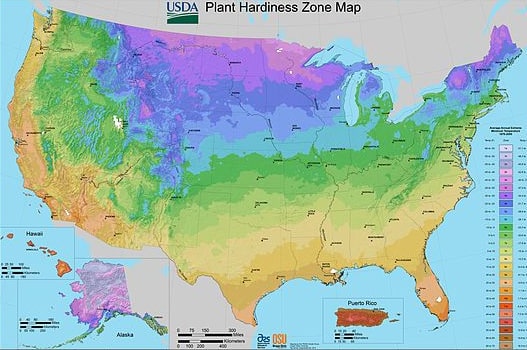
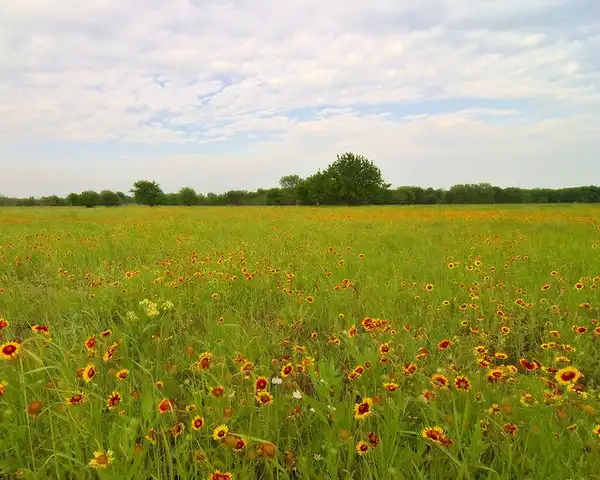
These vibrant flowers thrive abundantly on barrier islands, flourishing in the soft sands that line beach pathways. They exhibit remarkable resilience to both drought and salt, having become well-established from North Carolina down to Florida, with North Carolina marking their northernmost range.
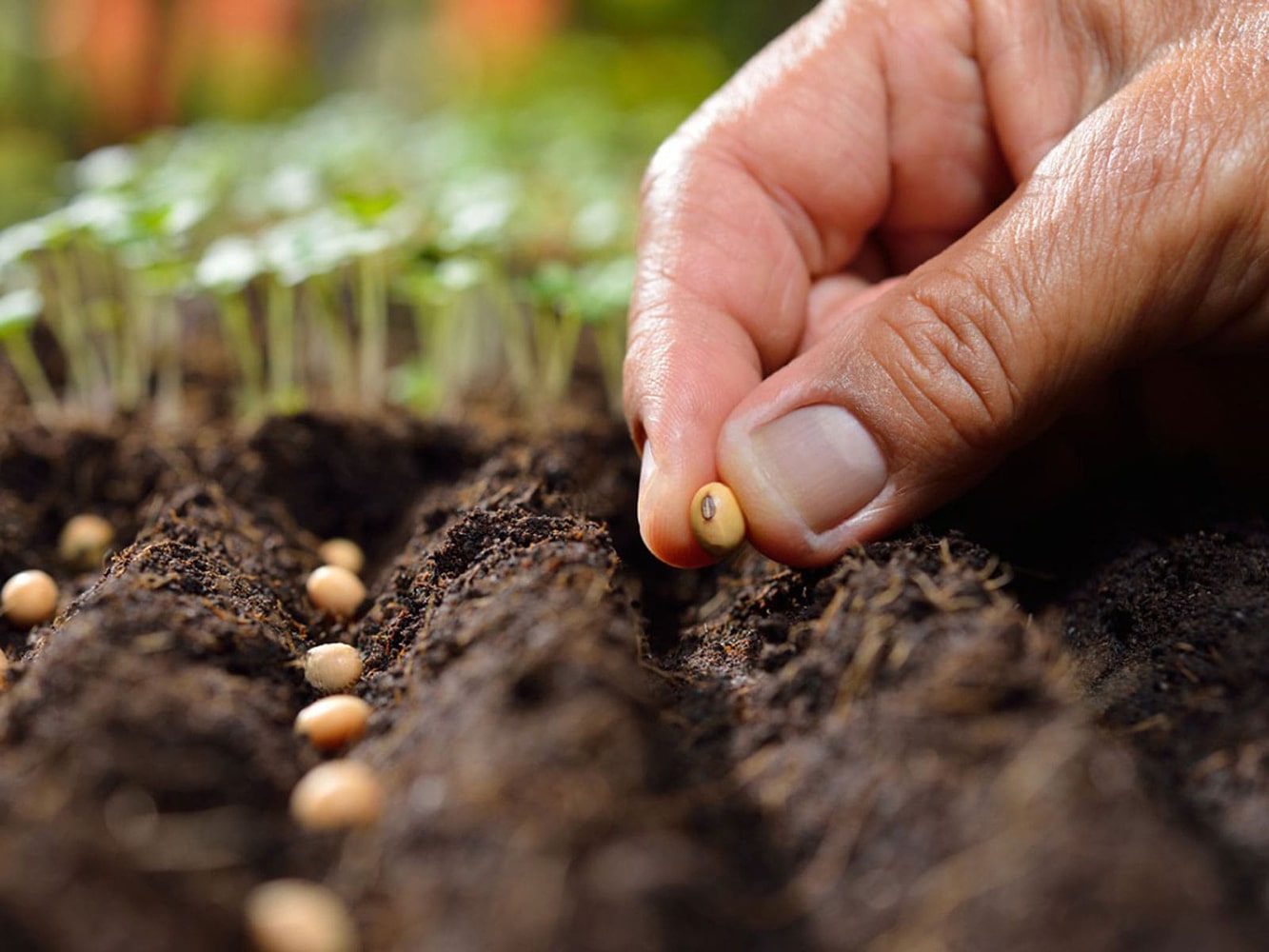
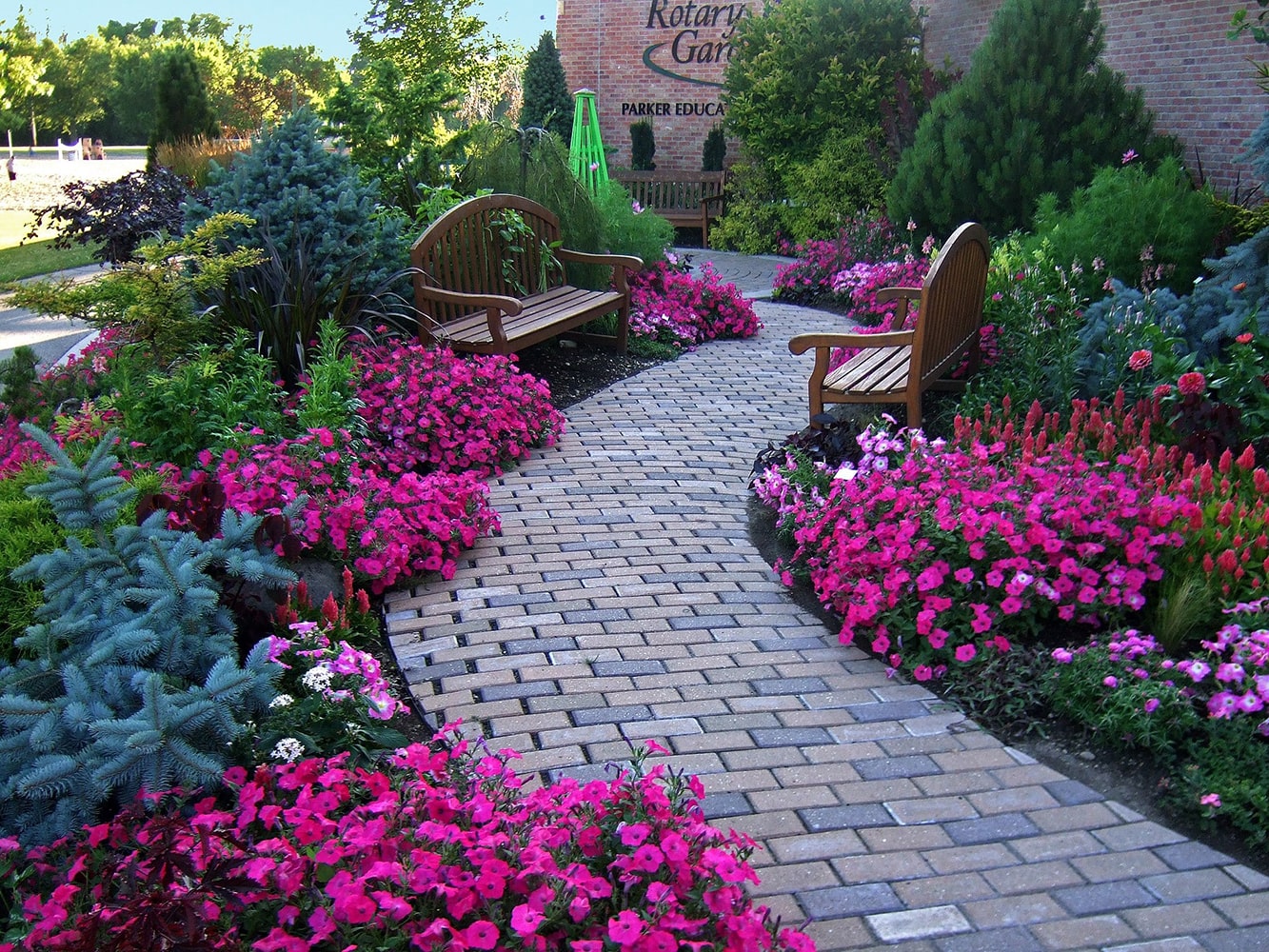
To cultivate these plants, sow the seeds directly into the soil in the fall and lightly rake them in. Ensure they receive consistent moisture to promote successful germination. They adapt well to container gardening or can be planted in groups to create stunning bursts of warm color in your landscape. They are suitable for borders, rock gardens, or cottage gardens, and can also be allowed to spread naturally in meadows.
In terms of pests and diseases, there are no significant issues to worry about, although it's advisable to keep an eye out for aphids and thrips. It's important to note that Indian Blanket Flowers do not thrive in waterlogged conditions.
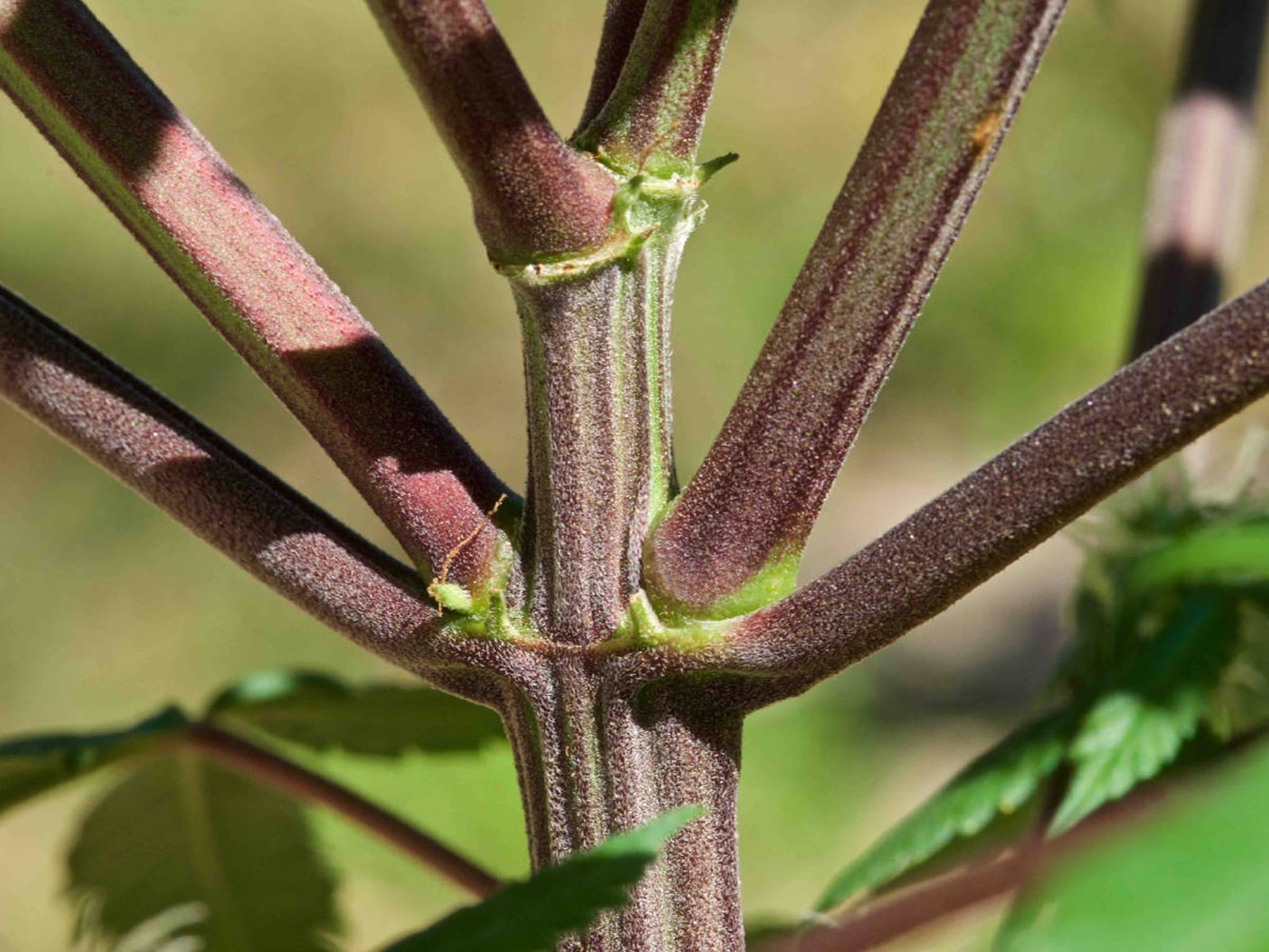
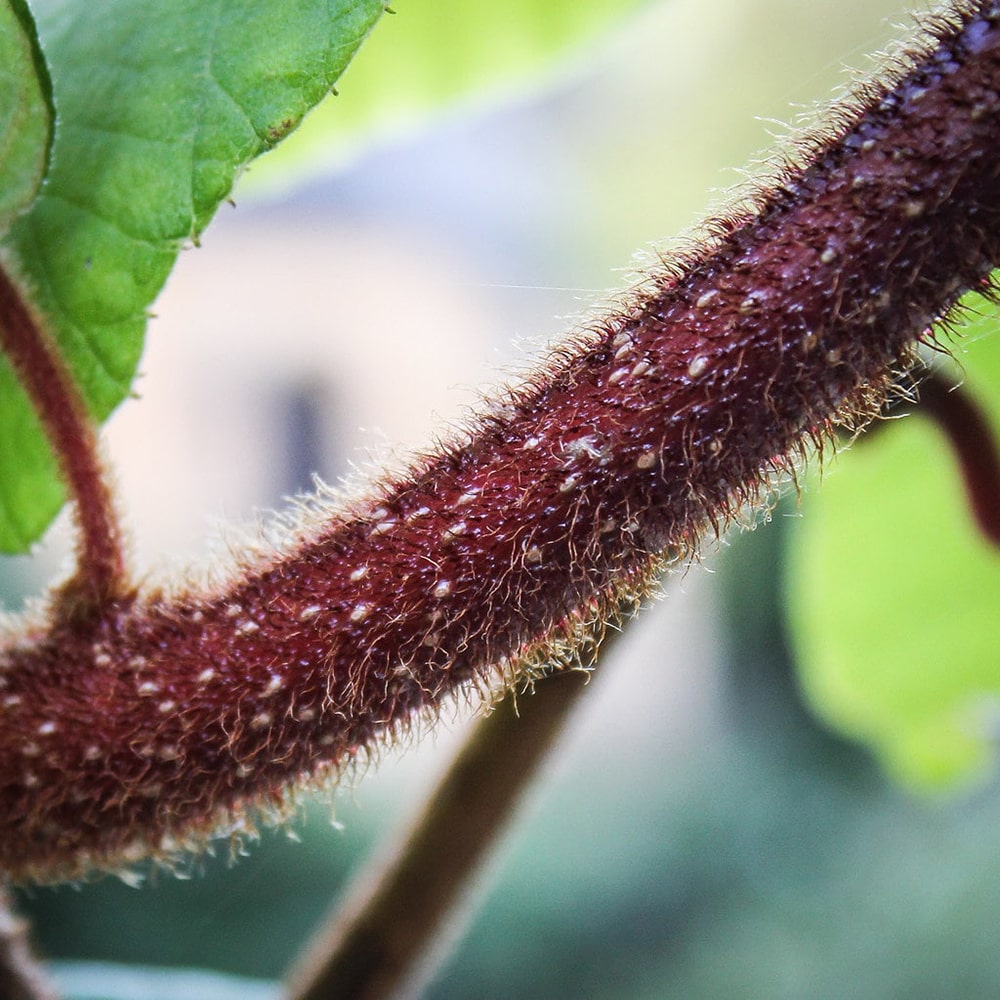
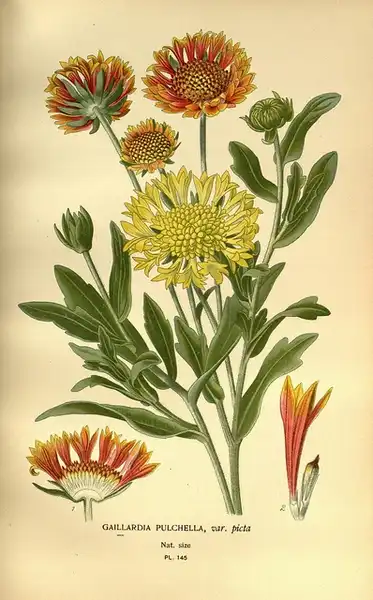
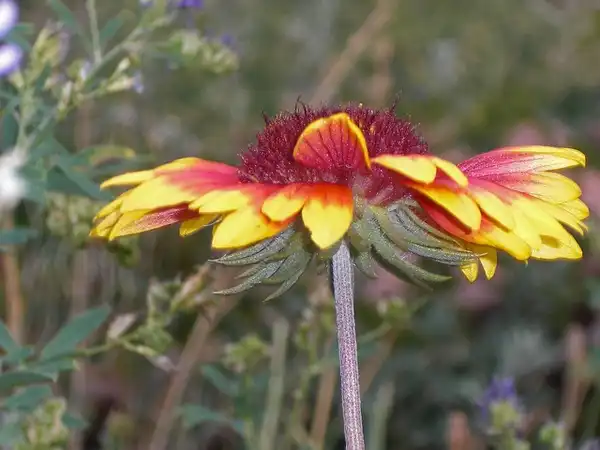
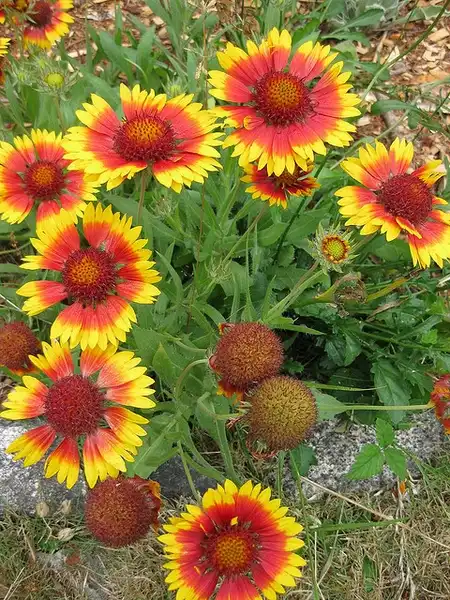
Belonging to the Asteraceae (Compositae) family, these plants can be easily identified by their erect, hairy stems, reaching heights of 1.5 to 2 feet. They bloom from summer through fall and are popular for use as cut flowers, in planters, and as bedding plants, demonstrating excellent drought resistance.
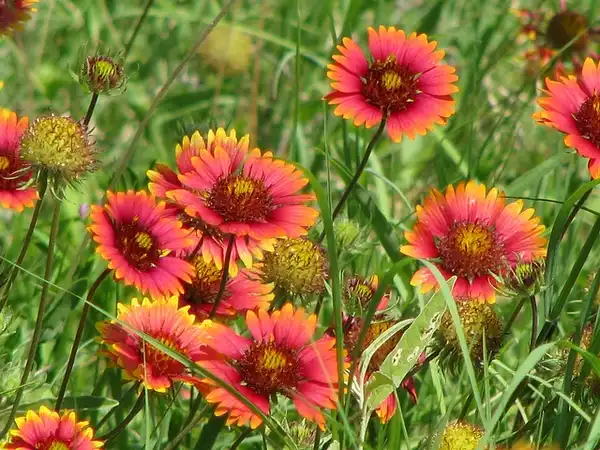
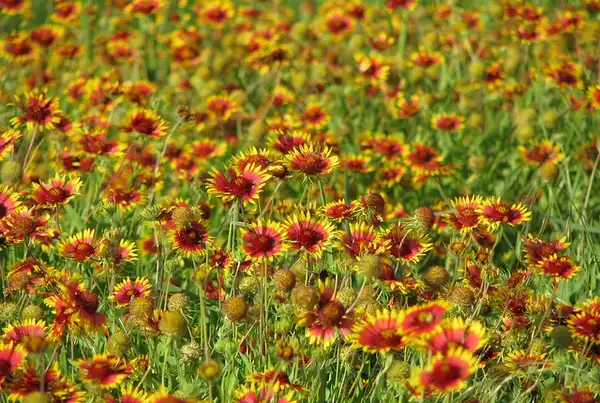
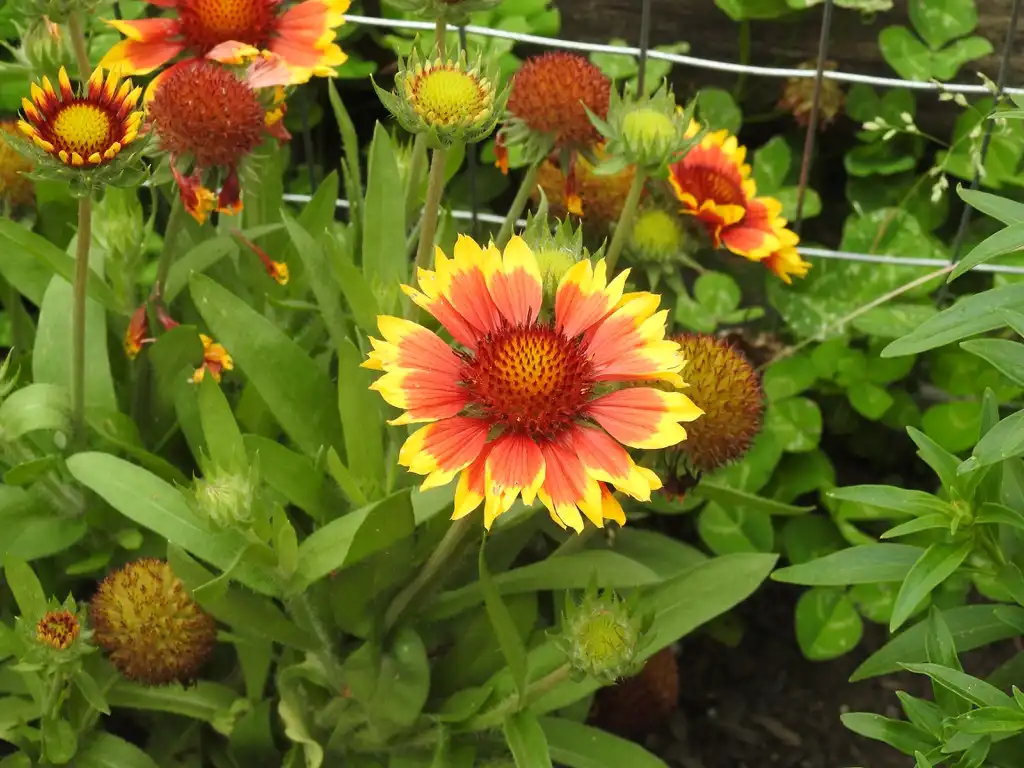
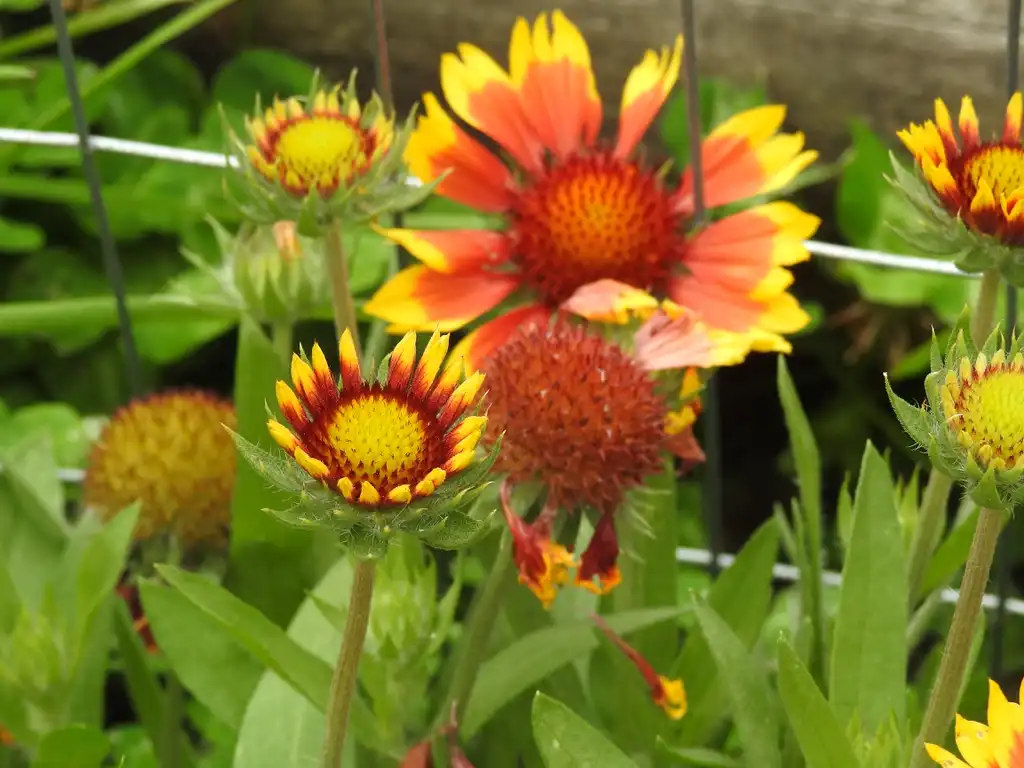
This distinctive herb features enlarged, bicolored disc flowers reminiscent of the bold colors traditionally used by Native Americans in their woven Indian blankets. They prefer full sun, are adaptable to a variety of garden soils, can tolerate light shade, and generally face minimal pest or disease challenges.
Gaillardia pulchella Feature Summary
Gaillardia pulchella Image Gallery