Ginkgo biloba: Country Or Region Of Origin
China South-Central and China Southeast
Phonetic Spelling:GIN-koh bih-LOW-bah
Genus:Ginkgo
Species:biloba
Family:Ginkgoaceae
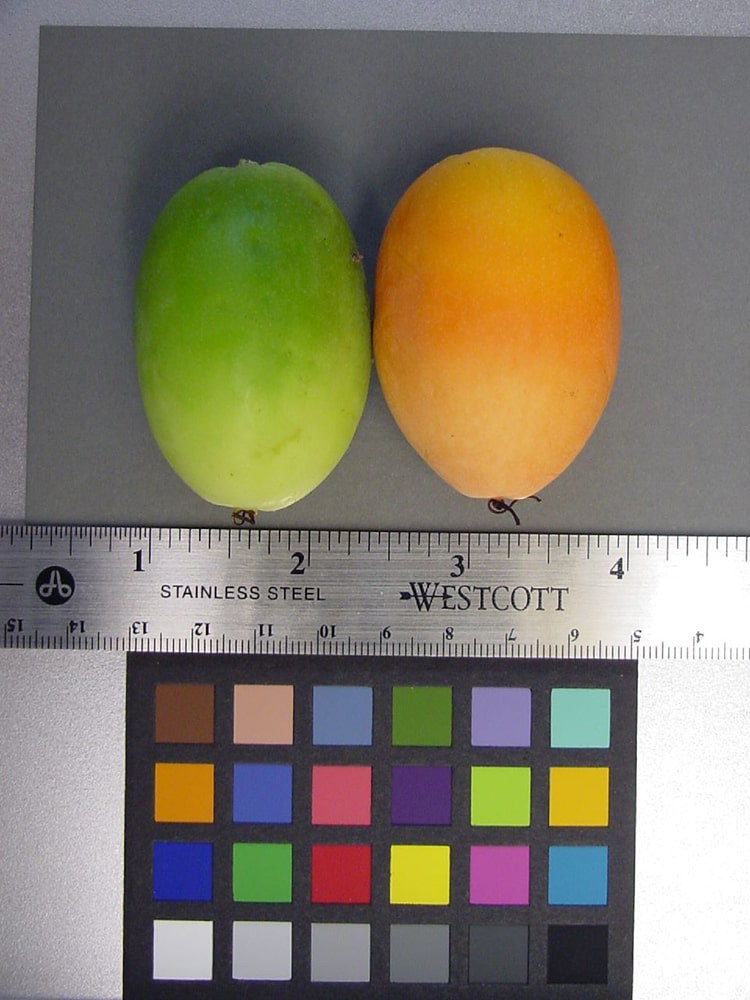
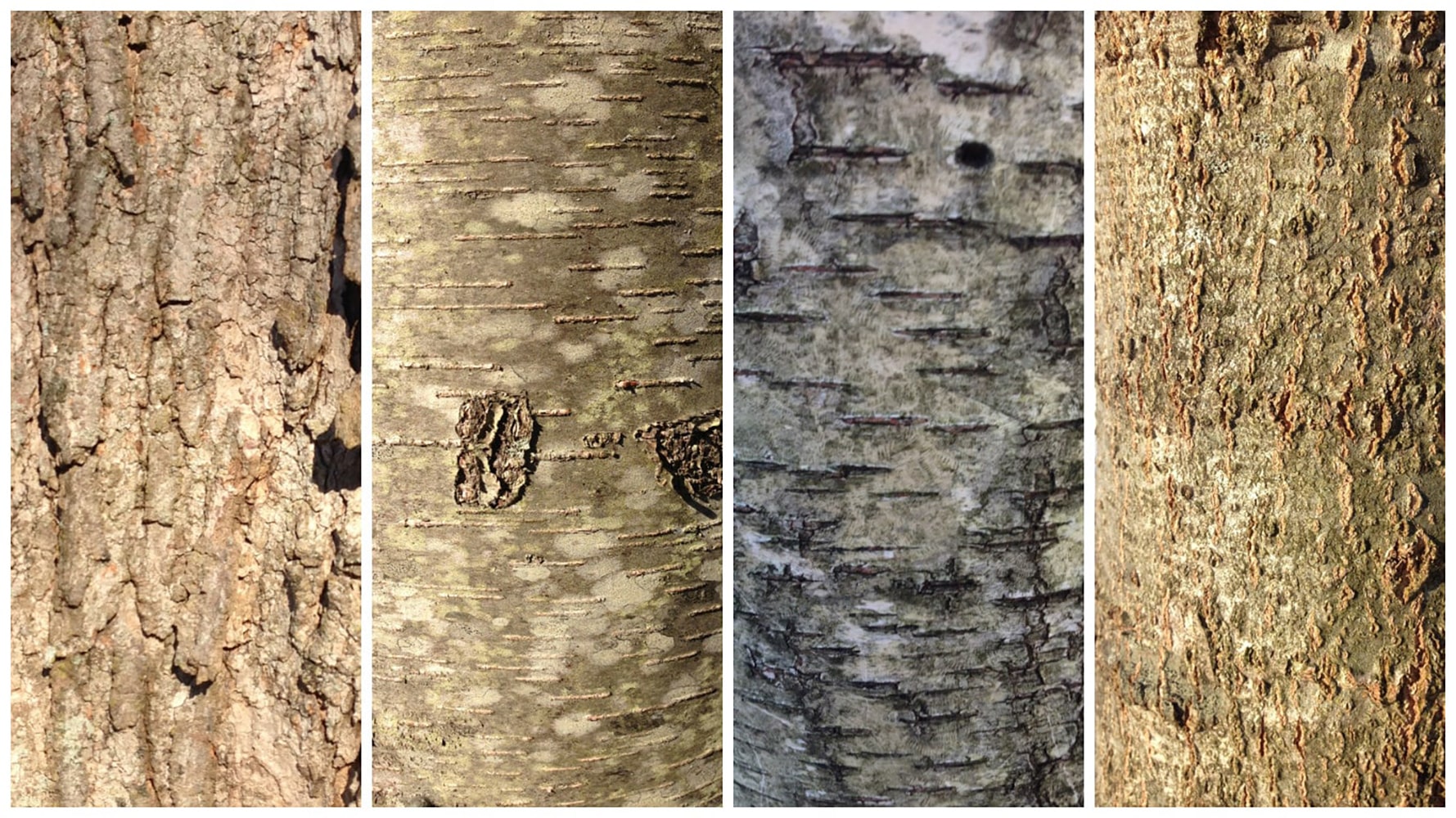
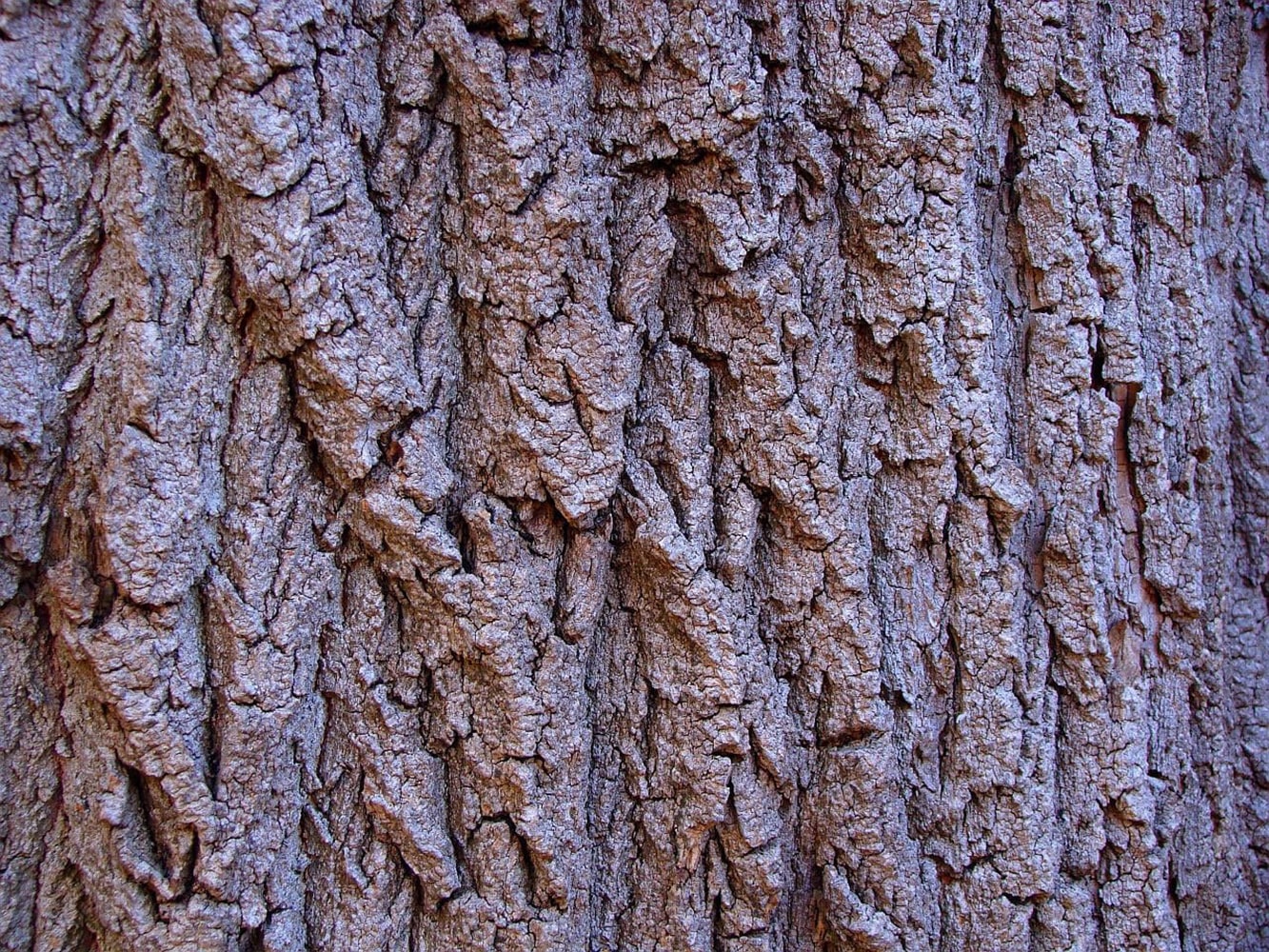
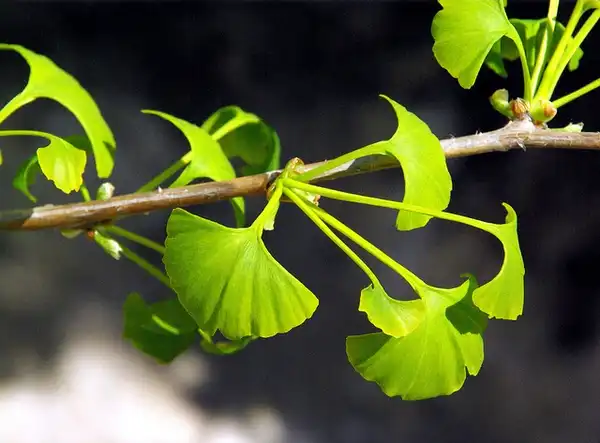
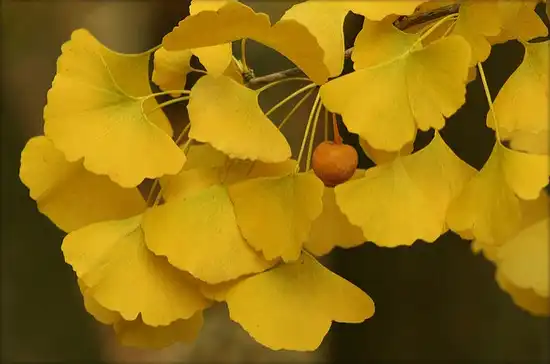
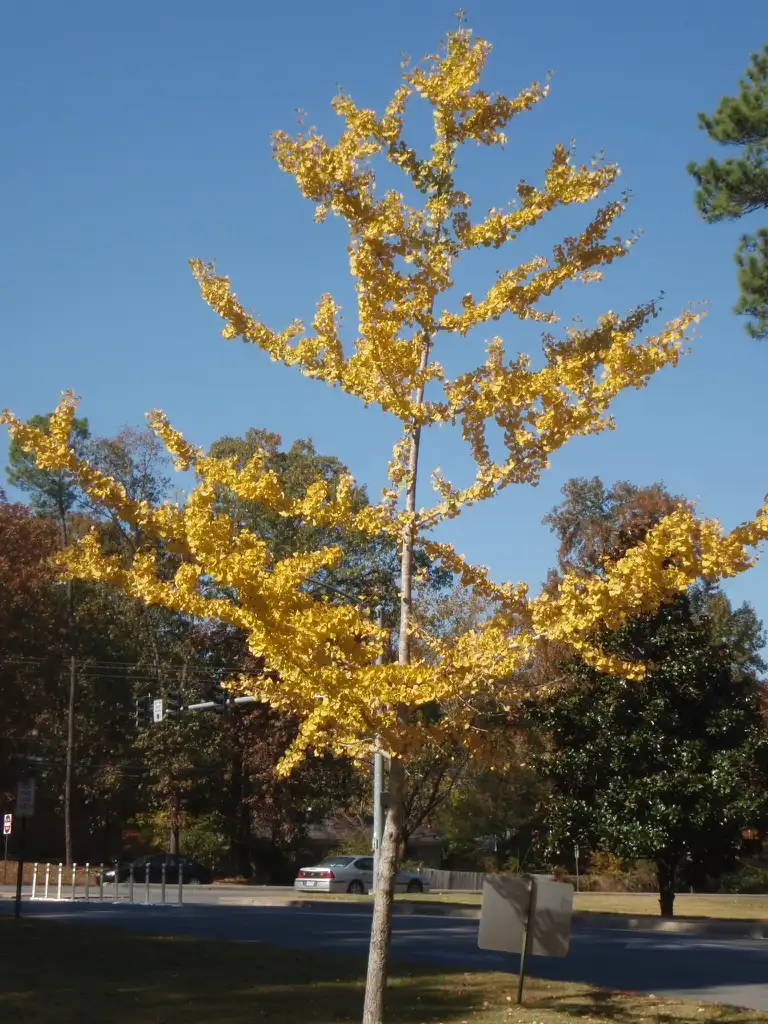
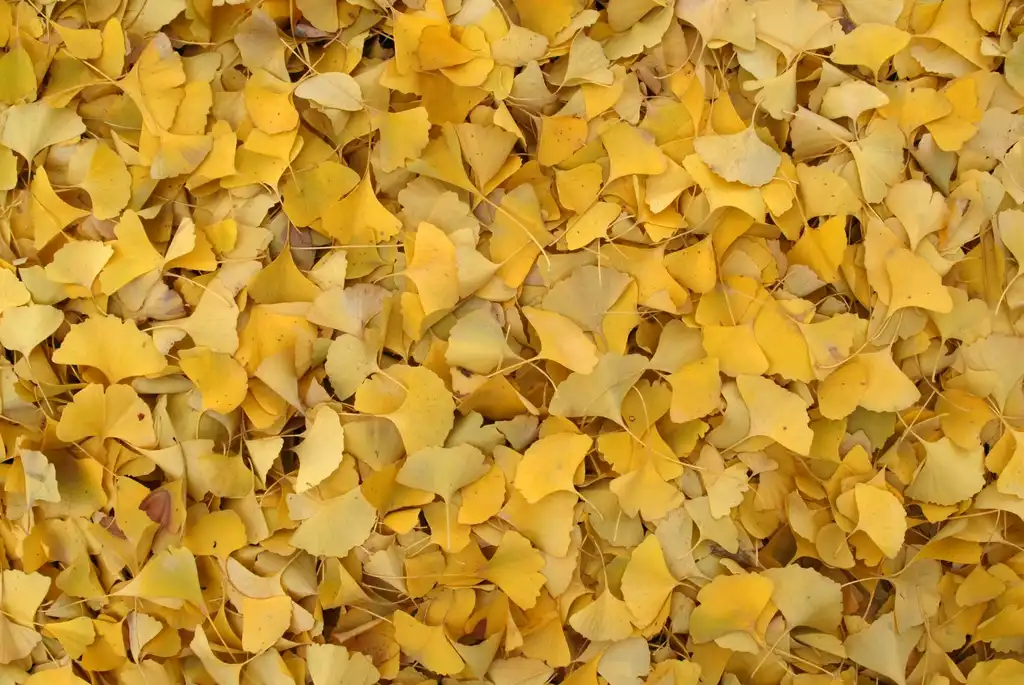
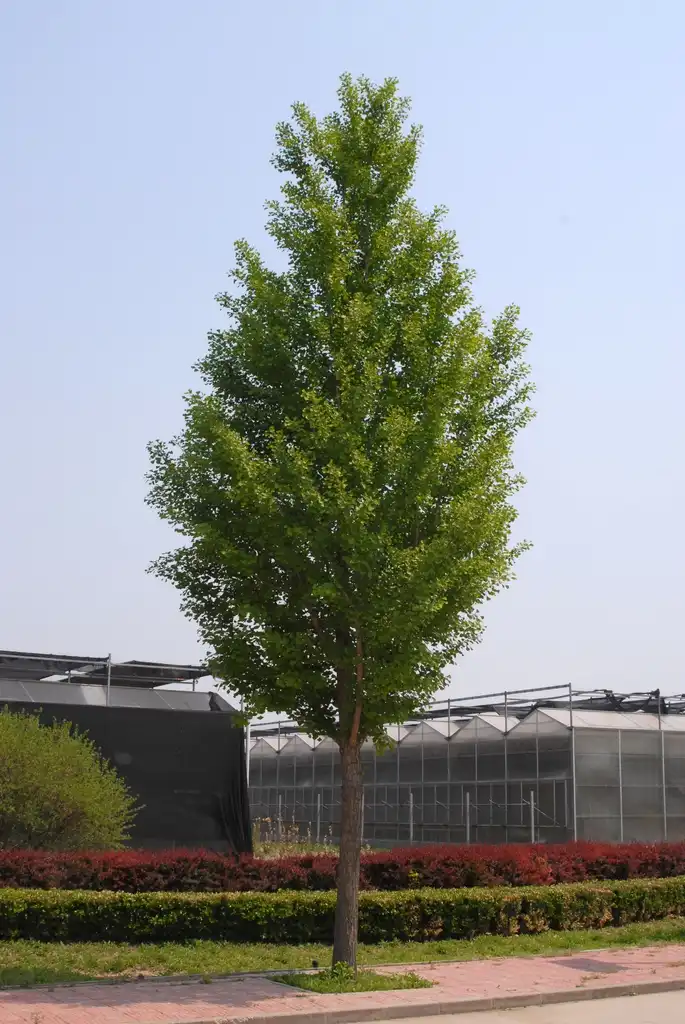
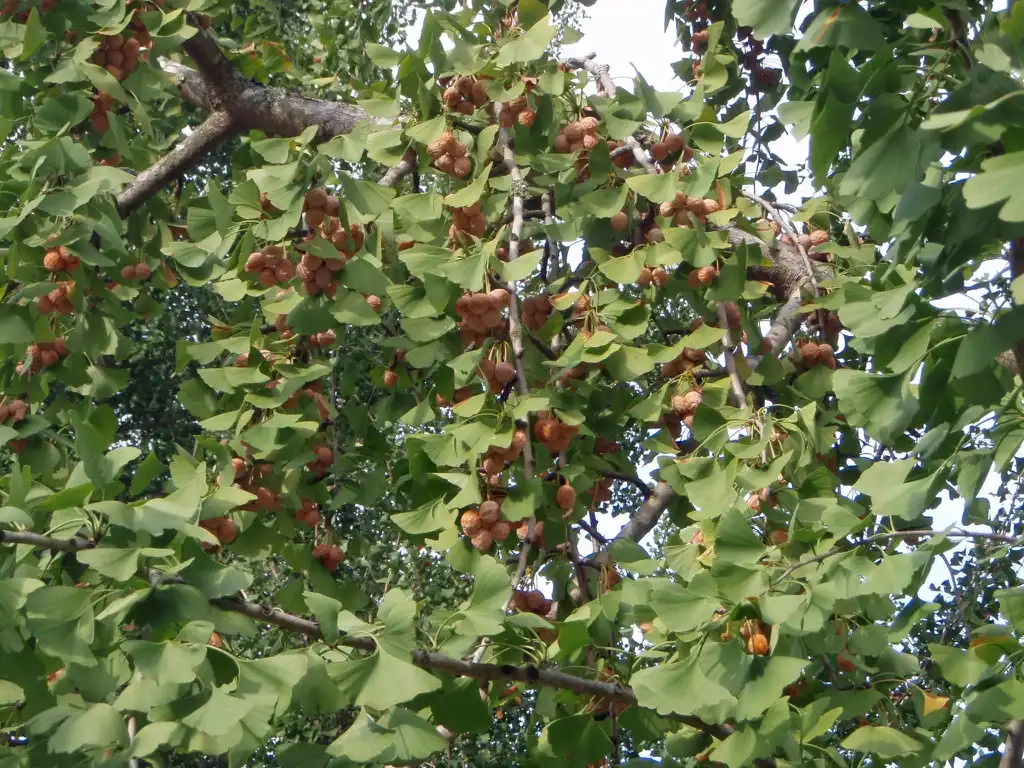
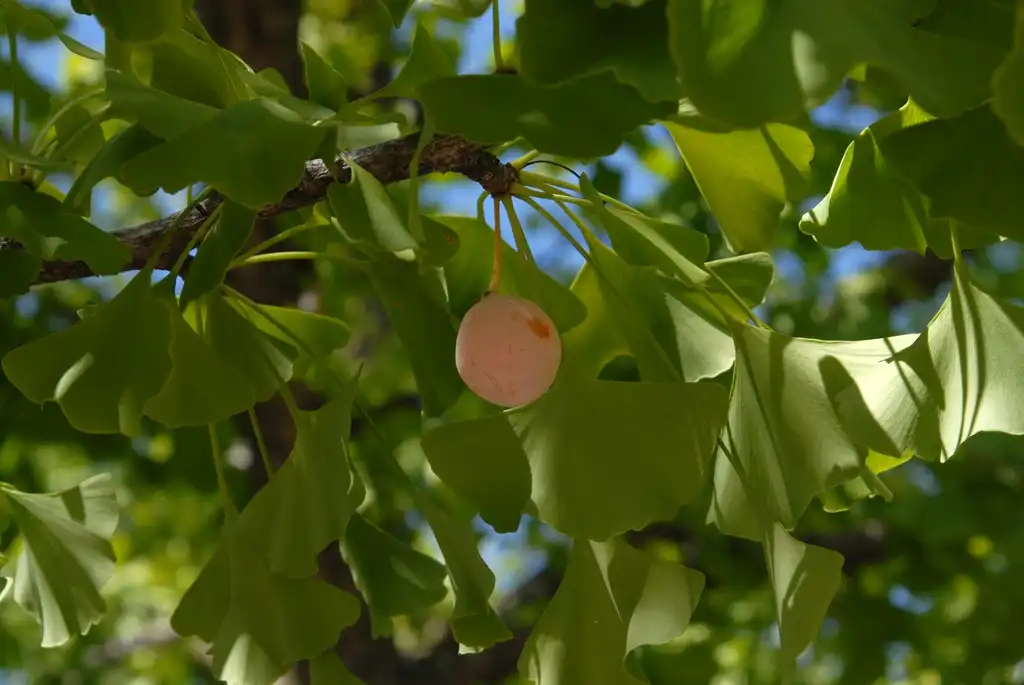
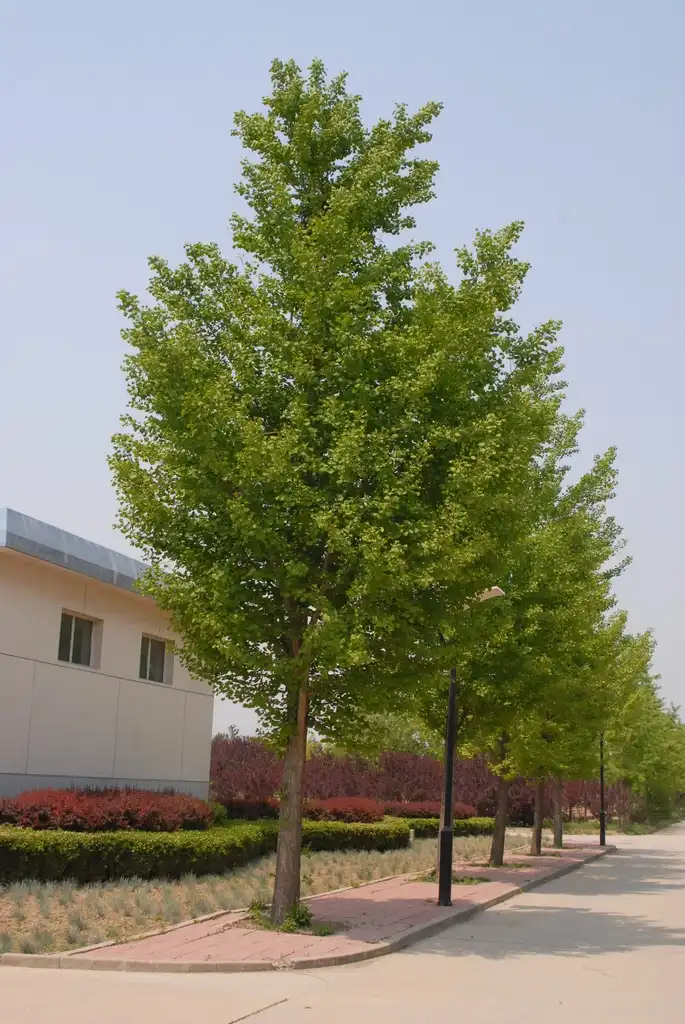
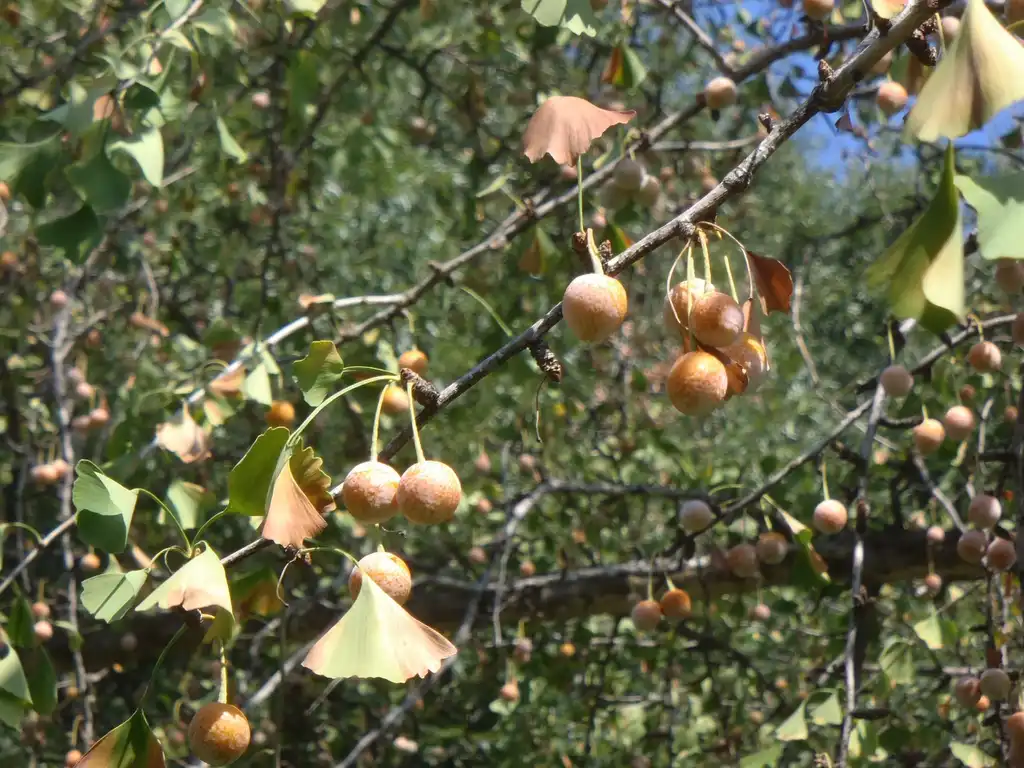
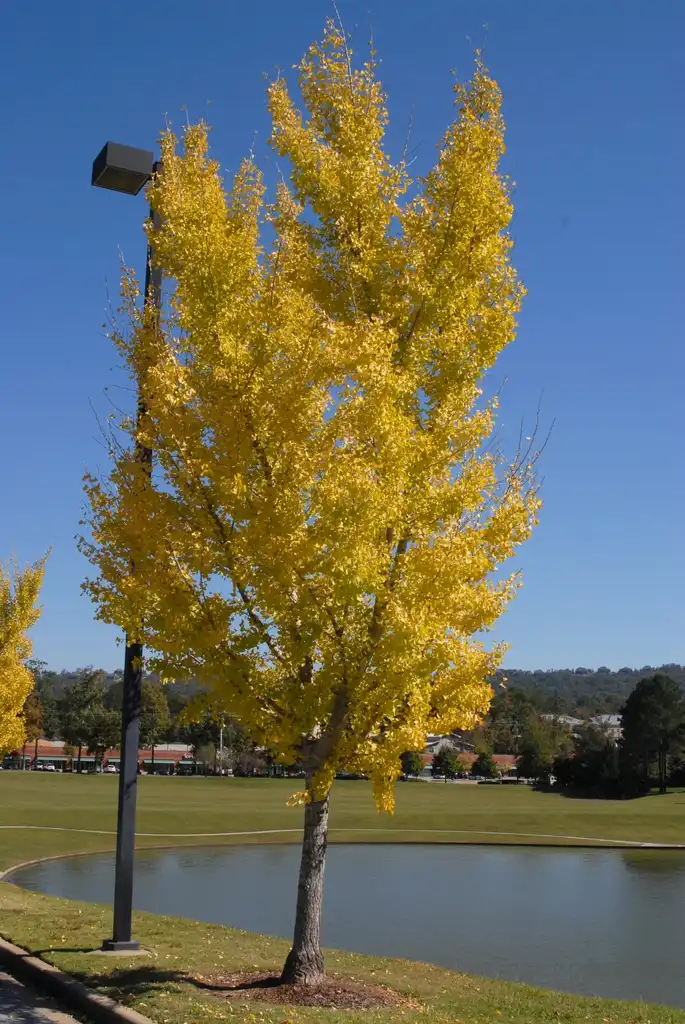
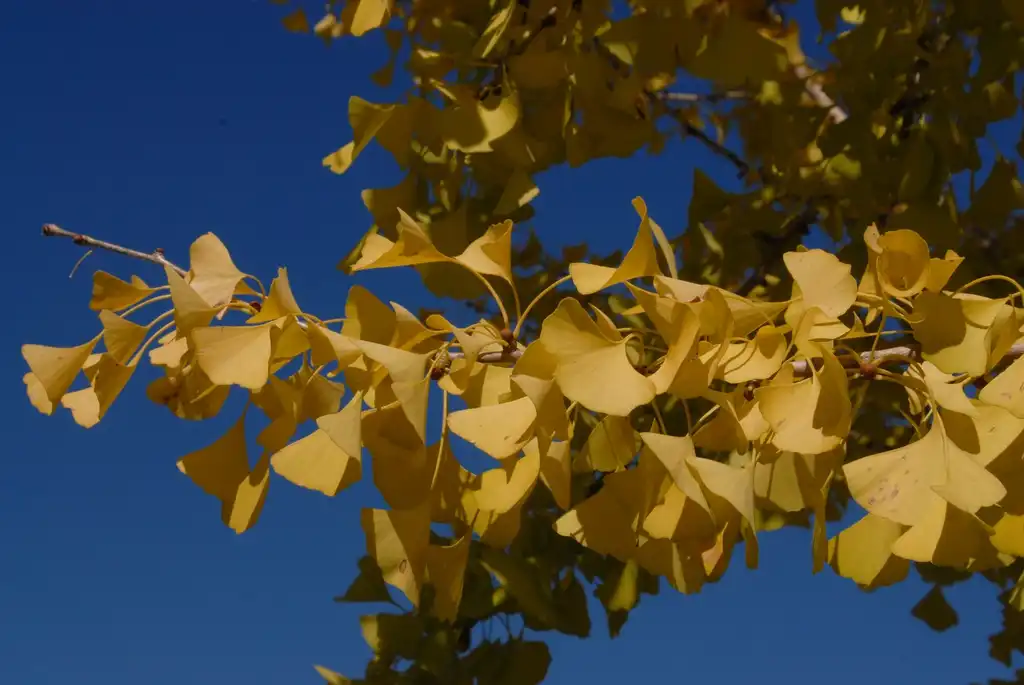
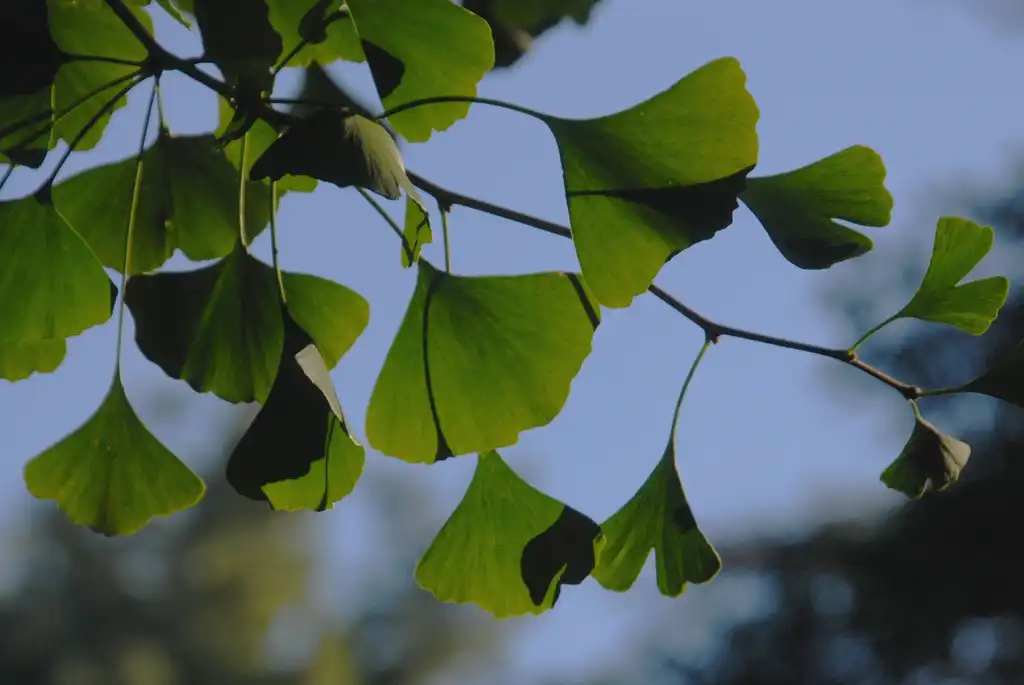
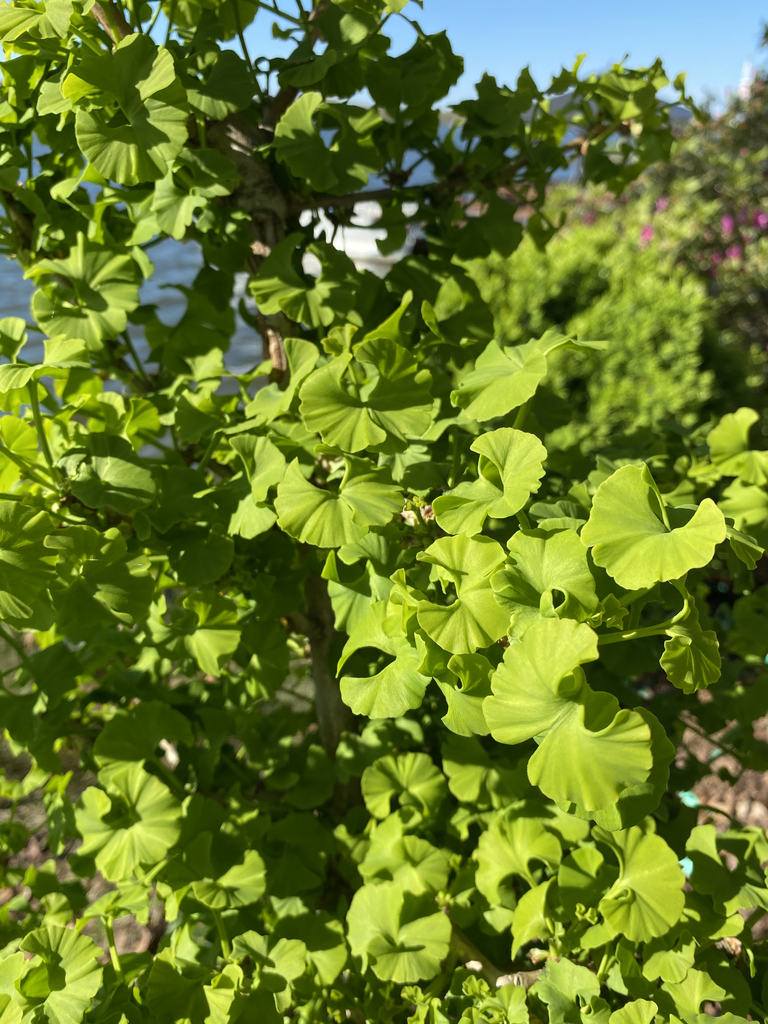
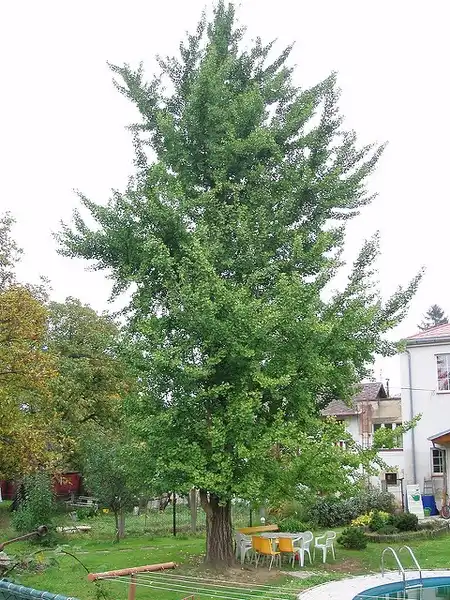
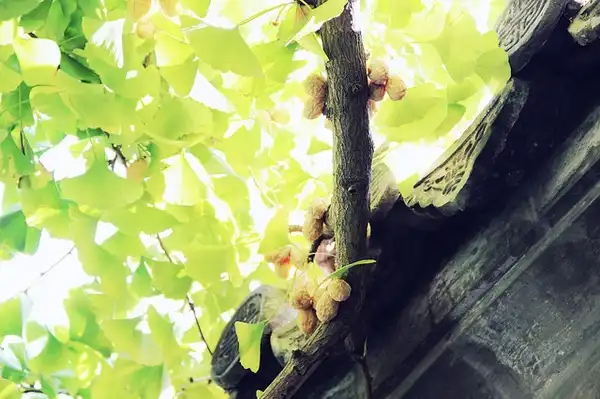
This large deciduous tree typically reaches heights of 50 to 80 feet and spans 30 to 40 feet in width. Its leaves are alternate, simple, and fan-shaped. The seeds, which are produced only by female trees, resemble plums and are yellow-orange in color. When ripe, the outer fleshy pulp emits a foul odor, while the inner wall is hard, smooth, and cream-colored. The bark is grey-brown and features a ridged texture.
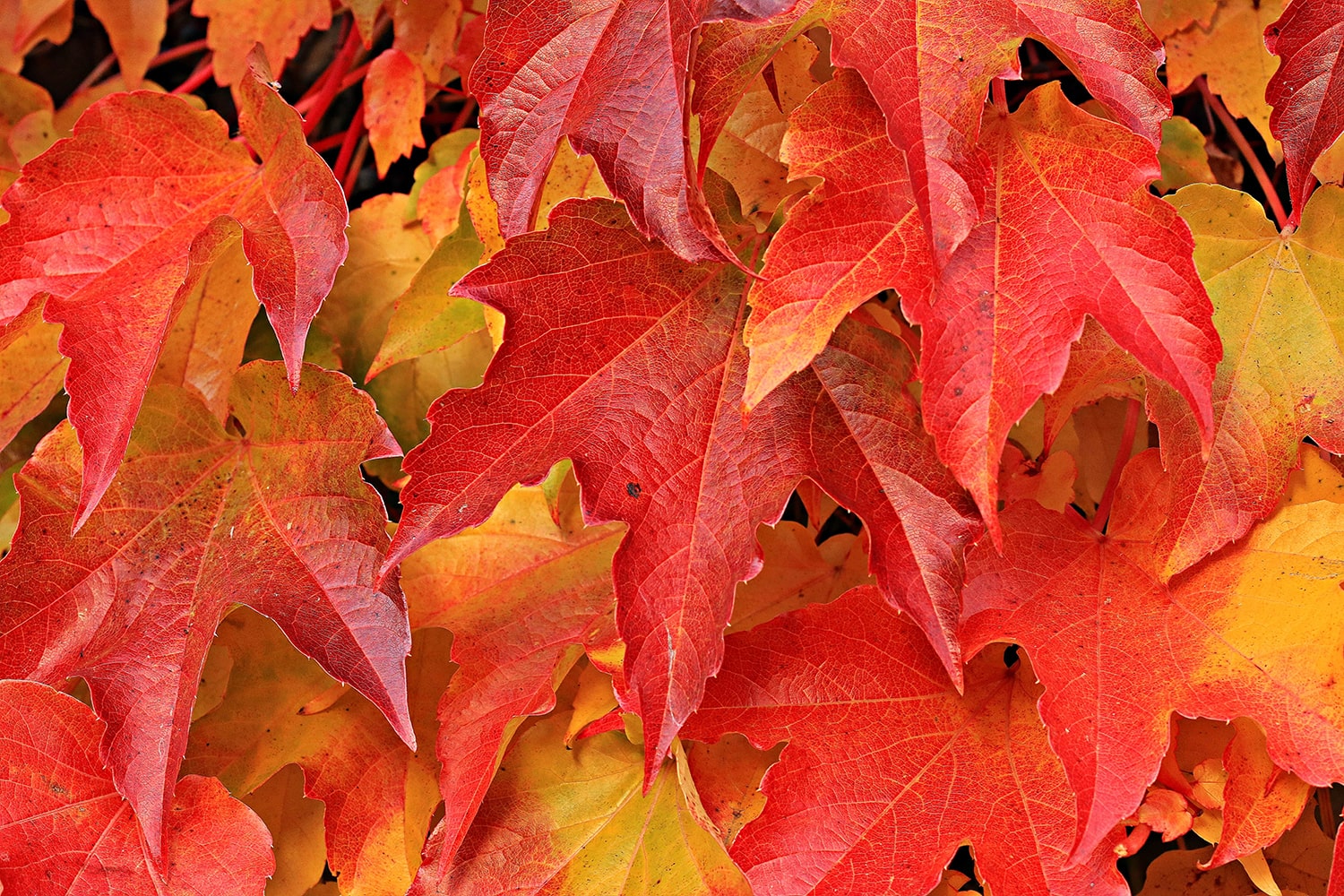
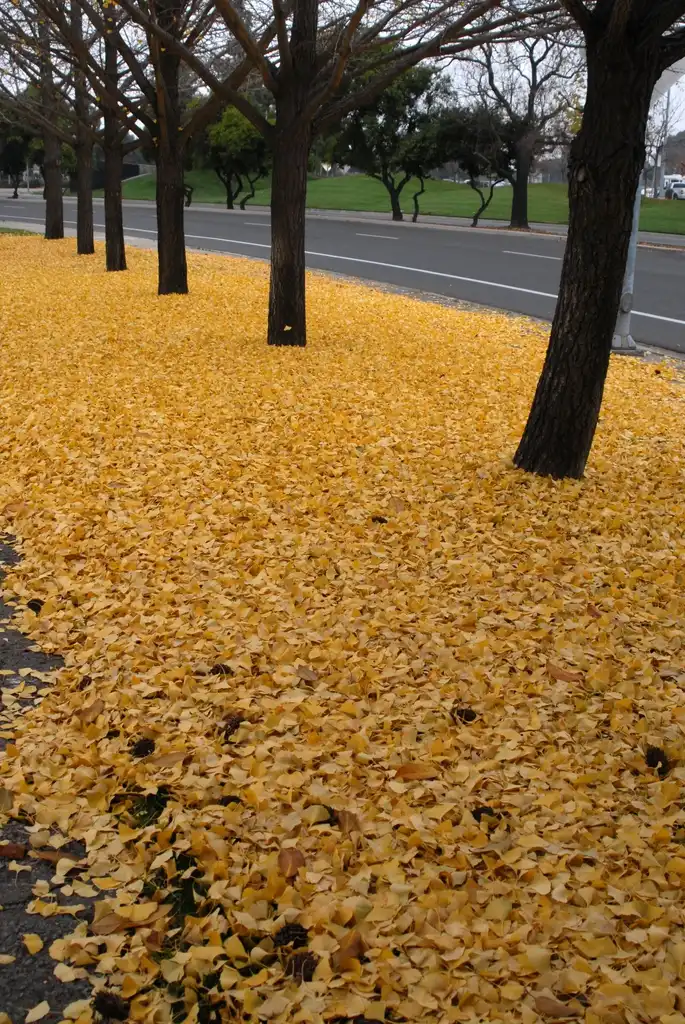
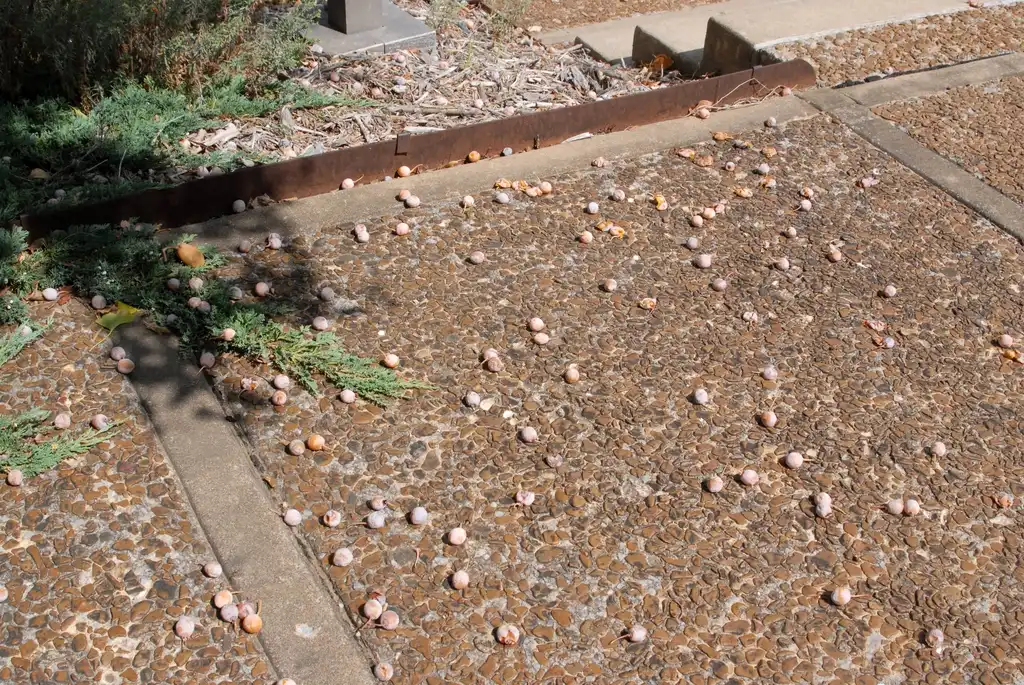
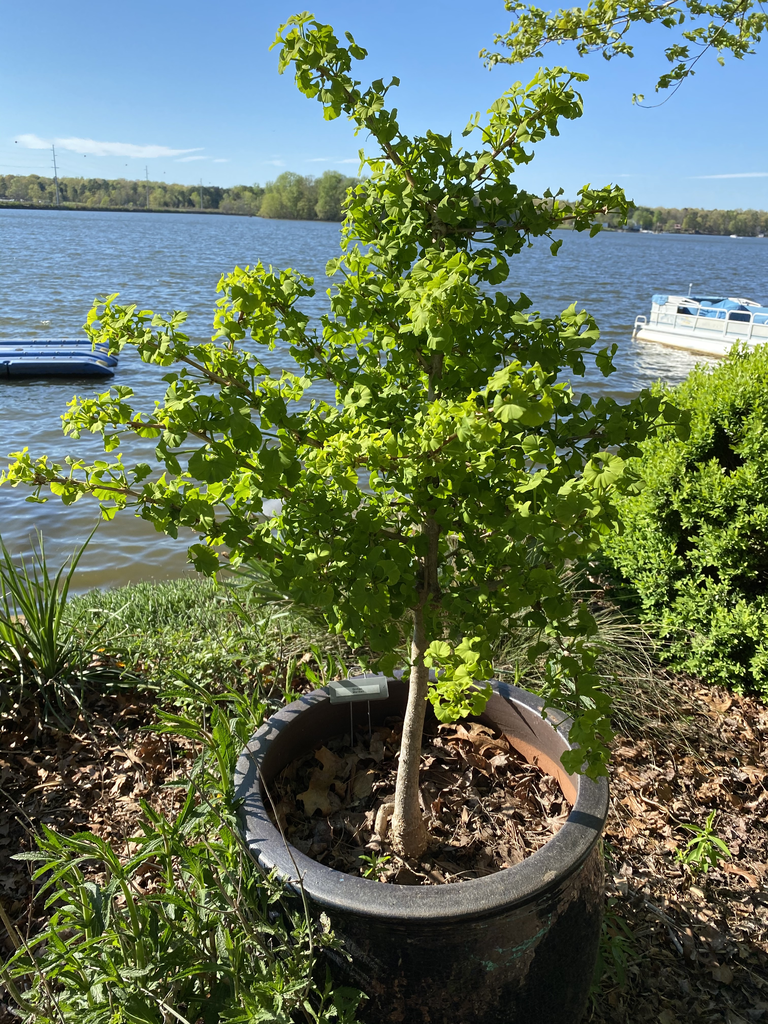
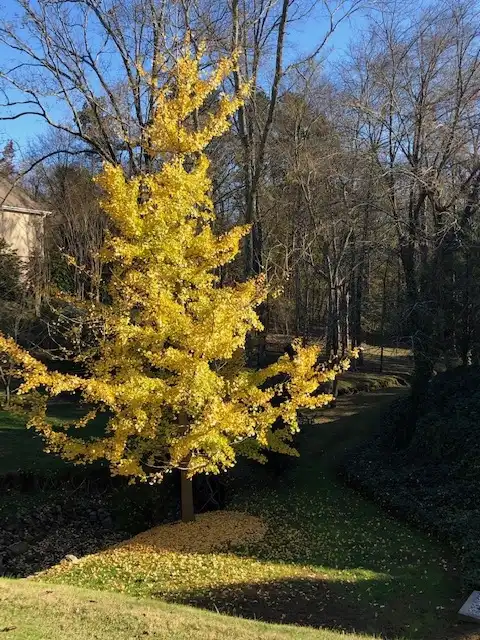
The seeds can be quite messy, and male trees are recommended for planting as the yellow leaves tend to drop quickly in the fall. This tree is tolerant of drought, heat, air pollution, and moderate salt levels, making it easy to transplant and long-lived. It is also resistant to deer damage, making it an excellent choice for urban environments and a popular option for bonsai enthusiasts.
Preferred growing conditions include full sun and a variety of soil types, although it does not thrive in wet soil.
With its sculptural form and the unique quality of light it casts on city streets, the Ginkgo tree is an outstanding choice for urban landscaping. The streets of New York City showcase the Ginkgo as a prominent street tree, thriving in USDA hardiness zones 8 and 9 in the Southeast.
Ginkgo biloba is a tree with prehistoric origins, having vanished from the North American fossil record approximately 7 million years ago, and has since been reintroduced from various countries.